
Unlock Inner Peace: Your Comprehensive Guide to Stoic Philosophy and Practice
Discover the timeless wisdom of Stoicism and learn practical steps to integrate its transformative principles into your modern life.
Highlights: Key Insights into Stoicism
- Embrace Virtue as the Ultimate Good: Stoicism teaches that true happiness (Eudaimonia) stems from cultivating wisdom, justice, courage, and temperance, rather than external circumstances.
- Master the Dichotomy of Control: Learn to differentiate between what you can control (your thoughts, actions, responses) and what you cannot (external events, others' opinions), focusing your energy on the former.
- Live in Harmony with Nature and Reason: Align your life with the rational order of the universe (Logos) by using reason as your guide and accepting reality as it is.
Understanding Stoicism: The Core Tenets
Stoicism, a Hellenistic philosophy founded by Zeno of Citium in Athens around the early 3rd century BC, offers a practical and enduring framework for navigating the complexities of life. It's not about grim endurance or suppressing emotions, but rather an active, experiential practice aimed at cultivating a flourishing and meaningful existence. Its wisdom was further developed by prominent Roman thinkers like Seneca, Epictetus, and Marcus Aurelius.
The Pursuit of Eudaimonia: Virtue as the Sole Good
At the heart of Stoicism lies the concept of Eudaimonia, often translated as "flourishing" or "living a good life." Stoics believe that Eudaimonia is achieved not through external possessions, status, or pleasure, but through the cultivation of virtue. Virtue is considered the sole good, sufficient in itself for happiness. The four cardinal Stoic virtues serve as the compass for a well-lived life:
- Wisdom (Sophia): The ability to discern what is good, bad, and indifferent; understanding the world and making sound judgments.
- Justice (Dikaiosyne): Treating others with fairness, respect, and integrity; fulfilling one's duties to society.
- Courage (Andreia): Facing adversity, fear, pain, and uncertainty with strength and resilience; acting rightly despite challenges.
- Temperance (Sophrosyne): Practicing self-control, moderation, and discipline over desires, emotions, and impulses.
External factors like health, wealth, and reputation are considered "indifferents" – neither inherently good nor bad. While some (like health) might be preferred, they do not determine one's happiness, which is solely reliant on virtuous character and action.
The Dichotomy of Control: Mastering Your Inner World
Perhaps the most practical and foundational principle of Stoicism is the Dichotomy of Control. This involves clearly distinguishing between what is within our complete control and what is not. According to Stoics like Epictetus, the only things truly under our control are our own thoughts, judgments, desires, aversions, and actions – essentially, our inner world and our responses. Everything else – external events, the actions and opinions of others, our health, wealth, reputation, and even the outcomes of our efforts – lies outside our complete control.
By focusing our energy and concern exclusively on what we can influence, and by practicing acceptance towards what we cannot, we can significantly reduce anxiety, frustration, and suffering. This principle empowers individuals to maintain inner peace and equanimity regardless of external circumstances.
Living in Accordance with Nature: The Role of Logos
Stoics believed that the universe (Cosmos) is a rationally organized, interconnected system governed by an immanent divine reason, often referred to as the Logos (also understood as Fate or Providence). Humans, possessing a share of this universal reason, are meant to "live in agreement with nature." This means understanding and accepting the natural order of things, including the way the world works and our place within it. It involves using our own capacity for reason to guide our lives, aligning our personal will with the rational processes of the universe, and recognizing reality as it is, rather than how we wish it to be.
Navigating Emotions: Rational Responses to Life's Events
Contrary to common misconceptions, Stoicism does not advocate for the suppression of emotions. Instead, it teaches us to understand, analyze, and manage them. Stoics recognized that many negative emotions arise not directly from external events themselves, but from our judgments and interpretations of those events. The goal is to transform unhealthy, irrational passions (like excessive anger, fear, or grief) into healthy, rational emotions (like appropriate caution, joy, or well-wishing). This involves examining our impressions (phantasiai) critically before assenting to them, thereby allowing for a more objective and reasoned response rather than an impulsive emotional reaction.
The Three Pillars: Physics, Logic, and Ethics
Classical Stoic philosophy was traditionally divided into three interconnected branches, which together form a comprehensive system for understanding the world and living well:
- Physics: The study of the natural world and the universe, including its structure, governing principles (Logos), and our place within it. Understanding nature helps us live in accordance with it.
- Logic: The study of reason, argument, and language. Logic provides the tools for clear thinking, sound judgment, and the ability to distinguish truth from falsehood, which is crucial for navigating life effectively.
- Ethics: The study of how to live a good life. This is the ultimate aim of Stoicism, drawing upon insights from physics and the tools of logic to guide virtuous action and achieve Eudaimonia.
Embracing Reality: Acceptance and Resilience
A significant part of Stoic practice involves cultivating an attitude of acceptance towards life's inevitable challenges and impermanence. This isn't passive resignation but an active, courageous embrace of reality.
Memento Mori & Amor Fati
Memento Mori ("remember you must die") is a practice of reflecting on mortality. This isn't meant to be morbid, but to instill an appreciation for the present moment, clarify priorities, and encourage living a virtuous life without delay. Coupled with this is Amor Fati ("love of fate"), which involves not just accepting, but embracing everything that happens, including hardships, as a necessary part of the grand cosmic order and an opportunity for growth.
Premeditatio Malorum: Preparing for Adversity
Praemeditatio Malorum ("premeditation of evils") is a powerful Stoic exercise involving the contemplation of potential future difficulties, setbacks, or losses. By mentally rehearsing worst-case scenarios, Stoics aim to reduce the shock and emotional turmoil if such events actually occur. This proactive mental preparation helps build resilience, foster gratitude for what one currently has, and develop strategies for responding virtuously to challenges.
Embarking on Your Stoic Journey: Practical First Steps
Integrating Stoicism into your life is a gradual process, a lifelong practice rather than a quick fix. The key is to start with understanding and consistently apply its principles through practical exercises.
Laying the Foundation: Education and Understanding
Begin by familiarizing yourself with the core ideas of Stoicism. Reading the classic texts can provide profound insights, though modern interpretations can also be very accessible:
- Primary Texts: Consider starting with Marcus Aurelius's Meditations, Epictetus's Enchiridion (Handbook) and Discourses, and Seneca's Letters from a Stoic.
- Modern Guides: Numerous contemporary books and online resources break down Stoic philosophy into easily digestible concepts and practical advice.
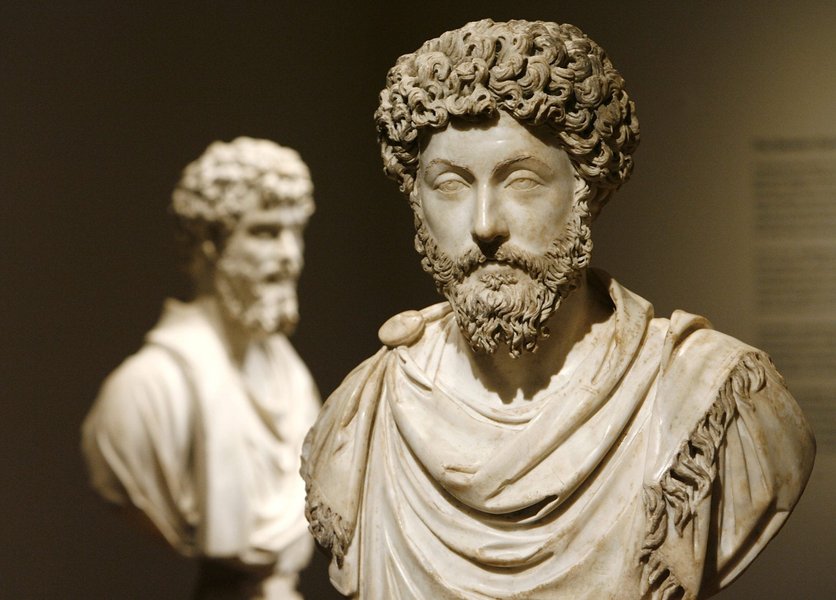
A representation of Stoic wisdom, often associated with key figures like the Roman Emperor Marcus Aurelius, author of "Meditations."
The Power of Pen and Paper: Daily Journaling and Reflection
Journaling is a cornerstone of Stoic practice, famously exemplified by Marcus Aurelius. Dedicate time each day for reflection:
- Morning Preparation: Set intentions for the day. Consider potential challenges and how you might apply Stoic principles (like the Dichotomy of Control or the virtues) in your interactions and decisions.
- Evening Review: Reflect on your actions, thoughts, and emotions throughout the day. What did you do well? Where did you fall short of your Stoic ideals? What lessons can you learn? How did you handle events outside your control? This practice fosters self-awareness and reinforces Stoic learning.
Daily Application: The Dichotomy of Control in Action
Make a conscious effort daily to apply the Dichotomy of Control. When faced with a situation that causes distress, pause and ask yourself: "What aspects of this situation are within my control, and what aspects are not?" Focus your energy solely on your own thoughts, responses, and actions. Mentally (or even physically) let go of concerns about outcomes or factors beyond your influence.
Active Practice: Key Stoic Exercises
Beyond journaling and the Dichotomy of Control, incorporate specific Stoic exercises into your routine:
Negative Visualization: Appreciating the Present
Regularly contemplate the potential loss of things you value – your health, loved ones, possessions, or abilities. The purpose is not to dwell on negativity, but to heighten your appreciation for what you currently have and to reduce the fear of loss, preparing you to face adversity with greater equanimity.
Mindfulness of Thoughts (Prosoche): Observing Your Inner Landscape
Practice prosoche, or focused attention, on your present thoughts, judgments, and impulses. Observe them without immediate identification or emotional reaction. This creates a space between stimulus and response, allowing you to choose a more rational and virtuous course of action.
Cultivating Gratitude: Finding Abundance
Make it a habit to count your blessings. Reflect on all the things you have to be grateful for, from the simple gift of life itself to specific relationships, opportunities, or comforts. Gratitude shifts your perspective from what you lack to what you possess, fostering contentment.
Stepping into Discomfort: Building Resilience
Occasionally and voluntarily expose yourself to mild discomforts or challenges that are within your capacity to handle. This could be as simple as taking a cold shower, fasting for a short period (if appropriate for your health), or deliberately choosing a slightly harder task. This practice helps build resilience, discipline, and an appreciation for what you normally take for granted.
Below is a table summarizing some key Stoic exercises:
| Exercise | Description | How to Practice |
|---|---|---|
| Dichotomy of Control | Distinguishing between what's in your control and what isn't. | In any situation, ask: "Is this up to me?" Focus only on your thoughts, actions, and choices. Accept externals. |
| Premeditatio Malorum (Premeditation of Adversity) | Mentally rehearsing potential negative outcomes or challenges. | Visualize difficulties you might face. Consider how you would respond virtuously. This reduces surprise and emotional impact. |
| Negative Visualization | Imagining the loss of things you value. | Periodically reflect on losing loved ones, possessions, or health to increase appreciation for them now. |
| Journaling (Philosophical Diary) | Reflecting on your day, actions, and adherence to Stoic principles. | Morning: Plan your day with virtue in mind. Evening: Review your actions, noting successes and areas for improvement. |
| Amor Fati (Love of Fate) | Accepting and embracing all events as part of a larger order. | Strive to not just tolerate but welcome whatever happens, seeing it as necessary and an opportunity for virtue. |
| Practicing Virtue | Consciously acting in accordance with wisdom, justice, courage, and temperance. | Before acting, ask if your intended action aligns with these virtues. Make choices that reflect them. |
Visualizing Stoic Practice: A Deeper Look
To better understand how different Stoic practices contribute to personal development, the radar chart below illustrates some key areas of focus for a beginner. It considers aspects like the initial difficulty of implementing a practice, its potential for yielding quick positive results, and its long-term impact on overall resilience. Remember, these are generalized perspectives; individual experiences may vary.
This chart suggests that while practices like "Mindfulness/Reflection" might be easier to initiate and offer quick feelings of calm, mastering "Emotional Regulation" or truly "Living by Nature/Reason" can be more challenging initially but yield profound long-term benefits. The "Dichotomy of Control," while conceptually straightforward, requires consistent effort to apply effectively but can offer immediate relief from worry. All these practices contribute significantly to building enduring resilience.
Mapping the Stoic Mindset
To visualize how the core tenets of Stoicism connect with its practical application, the mindmap below outlines the journey from understanding foundational principles to implementing them in daily life, all leading towards the Stoic goal of Eudaimonia (a flourishing life).
(Wisdom, Justice, Courage, Temperance)"] id1b["Dichotomy of Control
(Internal vs. External)"] id1c["Living According to Nature/Logos
(Reason & Cosmic Order)"] id1d["Managing Emotions
(Rational Assent to Impressions)"] id1e["Acceptance & Resilience
(Amor Fati, Memento Mori)"] id2["Practical Implementation"] id2a["Study & Understanding
(Ancient Texts, Modern Guides)"] id2b["Daily Journaling & Reflection
(Morning Intentions, Evening Review)"] id2c["Applying Stoic Exercises"] id2c1["Negative Visualization"] id2c2["Premeditatio Malorum"] id2c3["Mindfulness (Prosoche)"] id2c4["Practicing Gratitude"] id2d["Living Intentionally with Virtue
(Guiding Daily Actions)"] id2e["Gradual Integration
(Start Small, Lifelong Practice)"]
This mindmap illustrates that Stoicism is a holistic philosophy where understanding its deep principles directly informs how one can actively practice it. The journey begins with grasping concepts like virtue and control, then transitions into actionable steps like journaling and specific mental exercises, all aimed at cultivating a resilient and virtuous character.
Stoicism in Action: Learning from Modern Interpretations
Many contemporary resources offer excellent guidance on applying Stoic principles in today's world. The video below, "Where To Start With Stoicism (9 Exercises)" from the Daily Stoic YouTube channel, provides practical exercises for beginners looking to incorporate Stoicism into their lives. It effectively bridges ancient wisdom with modern challenges, making the philosophy accessible and actionable.
This video offers a clear starting point by outlining specific exercises derived from Stoic teachings. It emphasizes that Stoicism is not just a theoretical pursuit but a "way of doing," providing actionable steps that can be integrated into daily routines to build mental resilience, cultivate virtue, and foster inner peace. Such resources are invaluable for those beginning their Stoic journey, as they translate timeless principles into practical, modern applications.
Frequently Asked Questions about Stoicism
Is Stoicism about being emotionless?
No, this is a common misconception. Stoicism is not about suppressing emotions but about understanding and managing them. Stoics aim to transform negative, irrational emotions (like debilitating fear or anger) into rational, healthy ones by examining the judgments that cause them. The goal is to achieve apatheia, which translates more accurately to a state of tranquility or equanimity, free from disturbing passions, rather than a complete lack of feeling.
How quickly can I see changes if I start practicing Stoicism?
The effects of practicing Stoicism can vary. Some individuals might experience a shift in perspective or a reduction in anxiety relatively quickly, especially when applying principles like the Dichotomy of Control. However, Stoicism is a lifelong practice. Deeper changes in character, emotional resilience, and virtuous living develop gradually through consistent effort and reflection. It's more like training for a marathon than a sprint; patience and persistence are key.
Is Stoicism still relevant today?
Absolutely. The challenges of ancient times – dealing with uncertainty, loss, difficult people, and managing one's own desires and fears – are fundamentally human and timeless. Stoicism offers practical tools and a robust ethical framework for navigating modern stressors, such as information overload, social pressures, and career anxieties. Its emphasis on inner resilience, clear thinking, and virtuous action makes it highly applicable to contemporary life.
Do I need to become an expert in ancient philosophy to benefit from Stoicism?
Not at all. While delving into the original texts can be enriching, you don't need a deep academic understanding to start benefiting from Stoicism. Many modern interpretations and guides make the core principles and exercises accessible to everyone. Starting with a few key concepts (like the Dichotomy of Control or focusing on virtue) and simple practices (like journaling or negative visualization) can yield significant benefits in daily life.
Conclusion: The Enduring Path of the Stoic
Stoicism offers a profound and practical path to a more resilient, virtuous, and meaningful life. By focusing on what truly matters – our character and our responses – and by cultivating wisdom, justice, courage, and temperance, we can navigate the inevitable challenges of existence with greater calm and purpose. Beginning your Stoic journey involves a commitment to learning, consistent practice, and self-reflection. While the path is lifelong, the rewards – inner peace, strength of character, and a deep sense of fulfillment (Eudaimonia) – are well worth the endeavor.
Recommended Further Exploration
- How did famous Stoics like Marcus Aurelius and Seneca apply Stoicism in their lives?
- What are some common misconceptions about Stoic philosophy beyond emotional suppression?
- Can Stoicism be combined with other philosophical or spiritual practices?
- What are advanced Stoic techniques for dealing with extreme adversity?
References

Last updated May 21, 2025