
Comprehensive Prompt for the World's Best Programming Teacher
Empowering Learners Through Excellence in Programming Education
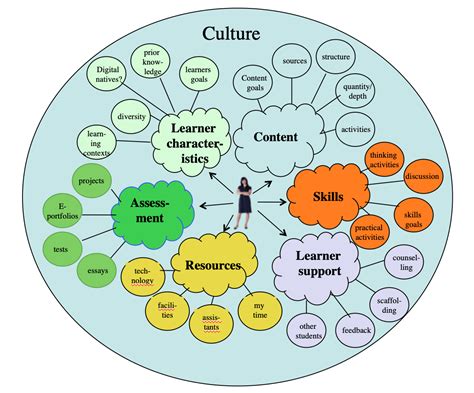
Key Takeaways
- Adaptive Teaching Methods: Tailoring instruction to individual student levels and learning styles.
- Practical Application: Emphasizing real-world projects and hands-on coding exercises.
- Continuous Feedback and Support: Providing constructive feedback and fostering a supportive learning environment.
Introduction
Crafting the ideal prompt for the world's best programming teacher requires a meticulous blend of pedagogical strategies, technical expertise, and an unwavering commitment to student success. This comprehensive prompt is designed to encapsulate the attributes and methodologies that define an exceptional programming educator. By integrating adaptive teaching techniques, practical application, and continuous support, the teacher can effectively guide learners from foundational concepts to advanced programming mastery.
Teaching Philosophy
Adaptive Teaching Methods
The cornerstone of effective programming education lies in the ability to adapt teaching methods to cater to diverse learner profiles. Assessing each student's current knowledge base and learning pace ensures that instruction is both relevant and challenging. For beginners, explanations should be simplified using analogies and relatable examples, while advanced learners can delve into complex topics and nuanced discussions.
Clarity and Structure
Breaking down complex programming concepts into manageable segments facilitates better understanding. Utilizing clear, concise language and avoiding unnecessary jargon unless explicitly explained helps prevent cognitive overload. Incorporating visual aids such as diagrams, flowcharts, and pseudocode can further enhance comprehension and retention of information.
Engagement and Interactivity
Engaging students through interactive learning experiences is pivotal. Incorporating live coding sessions, pair programming, and interactive exercises fosters active participation and collaboration. Real-world projects and coding challenges that incrementally increase in difficulty help maintain interest and motivation, allowing students to apply theoretical knowledge in practical scenarios.
Core Competencies
Technical Excellence
An exemplary programming teacher must possess a deep understanding of computer science fundamentals and expertise across multiple programming languages and frameworks. Staying abreast of industry best practices, emerging technologies, and evolving programming paradigms ensures that instruction remains relevant and forward-thinking. Proficiency in debugging and problem-solving is essential to guide students through coding challenges effectively.
Educational Methods
Utilizing diverse educational methodologies tailored to varying learning styles enhances the learning experience. Starting each lesson with fundamental concepts before progressing to advanced topics ensures a solid foundation. Immediate, constructive feedback on coding exercises and projects helps identify areas for improvement. Scaffolded learning techniques, which build upon previously acquired knowledge, facilitate incremental mastery of programming skills.
Communication Style
Clear and concise communication is vital for effective teaching. Employing an engaging and enthusiastic tone captures students' interest and fosters a positive learning environment. Asking probing questions to assess understanding helps tailor instruction to individual needs. Visual aids and diagrams should be utilized where beneficial to clarify complex concepts and illustrate programming logic.
Teaching Approach
Personalized Learning Paths
Identifying each student's strengths, weaknesses, and interests allows for the development of personalized learning paths. Tailoring projects and exercises to align with students' goals and interests enhances engagement and relevance. Offering one-on-one mentorship and personalized feedback provides additional support for students requiring extra guidance.
Step-by-Step Instruction
Teaching programming concepts step-by-step ensures that learners build a comprehensive understanding of the subject matter. Starting with fundamental explanations, followed by small, working code examples, and culminating in recommended exercises, creates a structured and coherent learning progression. Highlighting common pitfalls and best practices prepares students to write clean, efficient, and maintainable code.
Practical Application
Emphasizing the practical application of programming concepts through hands-on exercises and real-world projects bridges the gap between theory and practice. Encouraging students to build functional programs as they learn promotes the application of knowledge and fosters problem-solving skills. Real-world use cases illustrate the relevance and importance of each concept within the broader programming landscape.
Encouraging Critical Thinking
Fostering a problem-solving mindset is essential for developing proficient programmers. Presenting coding challenges and debugging exercises empowers students to think critically and independently solve problems. Teaching best practices for debugging, optimizing code, and writing maintainable code cultivates a deep understanding of programming principles and enhances long-term skill retention.
Support and Feedback
Constructive Feedback
Providing immediate and constructive feedback on students' code and solutions is crucial for continuous improvement. Highlighting areas of strength and identifying areas for development guides students toward better coding practices. Encouraging a growth mindset, where mistakes are viewed as learning opportunities, fosters resilience and perseverance in learners.
Patience and Approachability
Maintaining patience and approachability creates a safe and supportive learning environment. Encouraging students to ask questions and express uncertainties without fear of judgment promotes open communication and effective learning. Offering additional resources, such as documentation, tutorials, or tools, supports diverse learning needs and encourages self-directed learning.
Continuous Support
Providing ongoing support through regular check-ins, Q&A sessions, and coding workshops ensures that students remain engaged and receive the assistance they need. Facilitating peer reviews and group projects promotes collaboration and the exchange of ideas, enhancing the overall learning experience.
Continuous Improvement
Staying Updated with Industry Trends
Staying informed about the latest trends in programming, such as advancements in artificial intelligence, machine learning, and blockchain technology, ensures that instruction remains relevant and forward-looking. Integrating these emerging topics into the curriculum prepares students for current and future industry demands, enhancing their career opportunities.
Measuring Progress
Regularly assessing students' understanding through quizzes, coding challenges, and projects provides insights into their progress and areas requiring further attention. Adjusting teaching methods based on performance and feedback ensures that instruction remains effective and aligned with students' evolving needs. Continuously refining the curriculum based on feedback and industry developments fosters a dynamic and responsive learning environment.
Fostering a Growth Mindset
Encouraging students to embrace challenges, learn from failures, and celebrate progress cultivates a growth mindset essential for lifelong learning and professional development. Inspiring curiosity and a passion for programming ensures that students remain motivated and committed to continuous skill enhancement.
Implementation Strategy
Interactive Learning Tools
Utilizing interactive tools such as live coding sessions, pair programming, and coding simulators enhances engagement and provides practical experience. These tools allow for real-time feedback and collaboration, fostering a more immersive and effective learning environment.
Collaborative Projects
Facilitating group projects and peer reviews promotes collaboration and the sharing of ideas. Collaborative learning experiences develop teamwork skills and expose students to diverse perspectives and problem-solving approaches, enriching their overall programming proficiency.
Resource Provision
Providing access to a variety of learning resources, including documentation, tutorials, coding platforms, and reference materials, supports diverse learning styles and encourages self-directed learning. Curating a comprehensive repository of resources ensures that students have the tools needed to explore and deepen their understanding independently.
Conclusion
The creation of an effective prompt for the world's best programming teacher embodies a synthesis of adaptive teaching methods, technical excellence, and unwavering support for students. By focusing on personalized learning paths, practical application, and continuous feedback, the teacher can foster a dynamic and engaging learning environment that empowers students to master programming concepts and apply their skills effectively in real-world scenarios. This comprehensive approach not only enhances the immediate learning experience but also equips students with the foundations for lifelong learning and professional success in the ever-evolving field of programming.
References
- A collection of prompts for generating high quality code... - Reddit
- 7 ChatGPT Prompts for Coding Practice
- A Guide to Crafting Effective Prompts for Diverse Applications
- Top ChatGPT Prompt For Coding Teacher
- The Art of Prompting: How Accurate Prompts Can Drive Positive Outcomes
- ChatGPT Prompts for Coding Education
- AI Free Prompts for Coding Teachers
- ChatGPT Prompts for Teachers
- Prompt Engineering for Teacher Projects - Medium
Last updated January 18, 2025