
Exploring the Most Promising SaaS Projects and Trends in 2025
A Look into the Innovative Landscape of Software as a Service
The Software as a Service (SaaS) industry continues its rapid expansion, transforming how businesses and individuals access and utilize software. As we look towards 2025, several key trends and innovative projects are set to redefine the landscape. Driven by advancements in artificial intelligence, the growing need for specialized vertical solutions, and the persistent demand for enhanced productivity and collaboration tools, the SaaS market is poised for significant evolution.
Key Highlights of the 2025 SaaS Landscape
- AI Integration is Paramount: Artificial intelligence is not just a feature but a fundamental component of many leading SaaS solutions, enhancing everything from customer service with chatbots to complex data analysis and predictive insights.
- Vertical SaaS is Gaining Momentum: Tailored software solutions designed for specific industries are seeing significant growth, addressing niche challenges more effectively than general-purpose software.
- Workplace Productivity and Collaboration Remain Core: As remote and hybrid work models persist, tools that facilitate seamless teamwork, project management, and efficient workflows are in high demand.
Major Trends Shaping SaaS in 2025
Several overarching trends are influencing the direction of SaaS development and adoption in 2025. Understanding these trends provides valuable insight into the most promising areas for new projects and the continued success of established players.
The Dominance of AI and Machine Learning
Artificial intelligence and machine learning are no longer emerging technologies within SaaS; they are integral to creating intelligent, personalized, and efficient software solutions. AI-powered platforms are automating tasks, enhancing decision-making through sophisticated data analysis, and providing predictive capabilities across various industries. Examples include AI-driven content optimization tools, AI agents that transform customer testimonials into various formats, and platforms that use AI for dynamic pricing based on real-time market conditions and customer behavior.
The integration of AI is particularly impactful in areas like customer relationship management (CRM), where AI-powered chatbots and assistants can provide 24/7 support and enhance user experience. Furthermore, AI is being leveraged in data discovery tools to increase productivity and efficiency by analyzing massive datasets and providing tailored experiences.
The Rise of Vertical SaaS
While horizontal SaaS solutions cater to a broad range of businesses, Vertical SaaS focuses on the unique needs and challenges of specific industries. This approach allows for more tailored functionalities and a deeper understanding of niche workflows. The Vertical SaaS market is projected for significant growth, highlighting a massive shift towards industry-specific software solutions.
Examples of promising Vertical SaaS areas include Proptech (property technology) for spend management and B2B marketplaces for property management companies, MedTech for healthcare professionals to quickly understand their market and identify opportunities, and tailored platforms for freelancers in specific industries like fashion.
Continued Focus on Workplace Productivity and Collaboration
The evolution of work models necessitates robust SaaS solutions that facilitate seamless productivity and collaboration, regardless of location. Workplace productivity SaaS tools are highly efficient for managing projects, organizing tasks, and enabling team collaboration. Features such as document storage, project management, and secure access are essential components.
These platforms are crucial for managing remote teams and are expected to see continued demand in 2025. Examples of companies in this space include those offering comprehensive project management tools, remote communication platforms with real-time messaging and video conferencing, and tools for managing internal ideas and projects from inception to implementation.

An illustration depicting elements of a digital workspace.
The Growing Importance of Data Security and Compliance
As SaaS solutions handle increasingly sensitive data, robust security features and adherence to compliance regulations are paramount. Companies offering strong cybersecurity measures and platforms that help businesses strengthen their security and compliance postures are vital in the current landscape. This includes solutions for threat intelligence, emergency communication, and secure data management.
Promising SaaS Projects and Companies to Watch in 2025
Based on the prevailing trends and observed innovation, several companies and project types stand out as particularly promising in the 2025 SaaS market.
Established Innovators
Several established SaaS companies continue to lead the way with ongoing innovation and strong market positions. Companies like Adobe, Microsoft, Salesforce, Shopify, and Canva are consistently evolving their offerings and integrating new technologies like AI to maintain their relevance and market share.
Other notable established players include Notion, Figma, ClickUp, Intercom, and Zapier, which continue to provide essential tools for various business functions and workflows.
Fast-Growing Startups and Emerging Projects
The SaaS landscape is also characterized by a vibrant ecosystem of startups and emerging projects that are disrupting specific niches or introducing novel solutions. Identifying these companies and project types can provide insight into future market leaders.
Examples of Promising Companies and Project Areas:
- AI-Powered Solutions: Startups focusing on applying AI to specific business problems, such as Native AI for data solutions, or platforms that leverage AI for enhanced customer engagement and personalization.
- Vertical-Specific Platforms: Companies building tailored software for industries like healthcare (AcuityMD), hospitality (Tripleseat), and property management (Purchasing Platform).
- Developer Tools and Infrastructure: Platforms that streamline the development process, such as Postman for API development or OpenInt for building product integrations with low or no code.
- Financial Technology (FinTech) SaaS: Solutions for digital banking, payment gateways, and contract lifecycle management (Icertis) that are increasingly incorporating AI and blockchain technology.
- HR and Employee Engagement: Platforms designed to improve employee wellness, collect feedback, and recognize achievements in a hybrid or remote work environment.
- Marketing and Sales Enablement: Tools like Iterable for cross-channel marketing automation and Hightouch for syncing customer data to CRMs to improve targeted advertising.
- Productivity and Workflow Automation: New approaches to project management and automation, building on the success of tools like Trello, Jira, and Asana, potentially with more specialized features or AI assistance.
- Micro-SaaS Solutions: Highly specialized tools that address specific pain points or provide add-on functionalities to existing SaaS platforms, often requiring smaller teams and less initial investment. Examples include tools for content optimization, remote team communication, and blockchain-based invoicing for digital currencies.
Innovation in Specific Functionalities
Beyond broad categories, innovation is also happening within specific functionalities that can be integrated into various SaaS products. This includes areas like:
-
Low-code and No-code Development: Platforms like Quixy that enable users to build and manage applications with minimal or no coding, democratizing software creation.
-
Enhanced Communication and Collaboration Features: Integrating real-time messaging, video conferencing, and file sharing seamlessly within platforms.
-
Advanced Analytics and Reporting: Providing powerful data visualization and analysis tools to help businesses make informed decisions.
-
Personalization and User Experience: Utilizing data and AI to tailor software experiences to individual users or specific business needs.
Factors Driving Success in the 2025 SaaS Market
Several factors contribute to the success of SaaS projects and companies in 2025.
Meeting Specific Market Needs
Identifying and addressing a specific pain point or need within a particular industry or user group is crucial. Vertical SaaS exemplifies this by providing tailored solutions that are more effective than generic alternatives.
Leveraging Emerging Technologies
The successful integration of technologies like AI, machine learning, and potentially blockchain (for areas like secure payments or data management) is a significant differentiator.
Providing a Strong User Experience
Intuitive interfaces, ease of use, and seamless integration with other tools are essential for user adoption and retention.
Offering Scalability and Reliability
SaaS platforms must be able to handle increasing numbers of users and data while maintaining consistent performance and availability.
Ensuring Robust Security and Compliance
Building trust through strong data security measures and adherence to relevant regulations is non-negotiable.
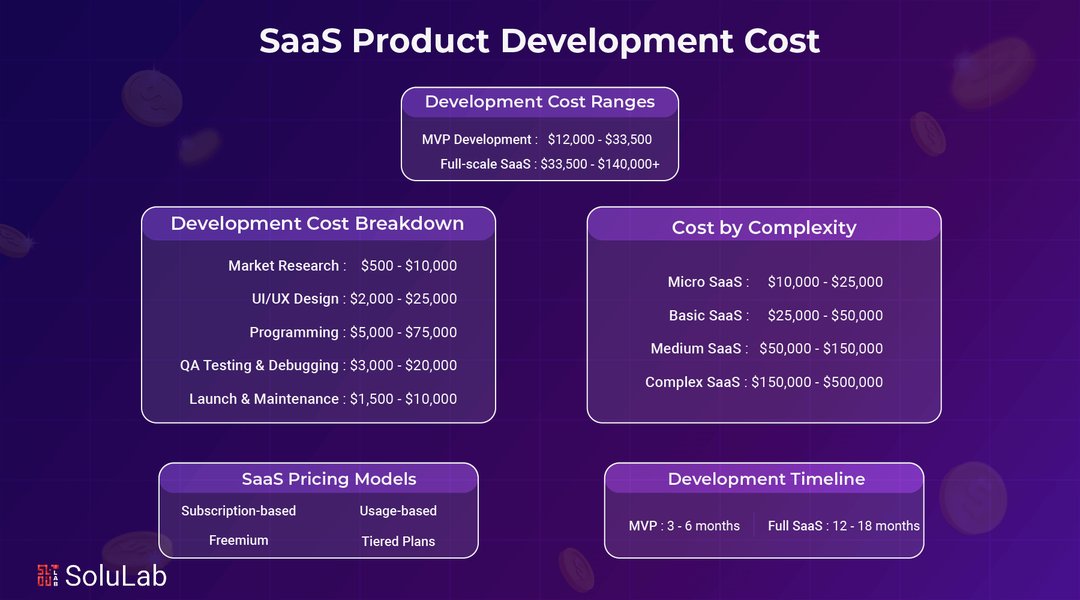
An illustration representing factors influencing SaaS product development cost.
Key Market Data and Projections
Understanding the market size and growth projections provides context for the opportunities within the SaaS industry.
| Metric | Projection/Value | Year |
|---|---|---|
| Projected CRM Market Size | $98.84 billion | 2025 |
| Projected Vertical SaaS Market Size | $157.4 billion | 2025 |
| Projected Global Public Cloud Services Spending | $723 billion | 2025 |
| Projected Low-code Market Size | $94.75 billion | 2028 |
| Projected Global SaaS Market Size | $908.21 billion | 2030 |
These figures highlight the significant growth trajectory of the SaaS market and the substantial opportunities within various segments, particularly in CRM and Vertical SaaS.
Considerations for New SaaS Projects
For entrepreneurs and businesses looking to embark on new SaaS ventures in 2025, several considerations are vital for success.
Identifying a Niche
Given the competitive landscape, identifying a specific niche or underserved market is crucial. This could be a particular industry, a specific business size, or a unique problem that current solutions don't fully address.
Validating the Idea
Before significant investment, thoroughly validating the market demand for the proposed solution is essential. This involves market research, gathering feedback from potential users, and potentially building a minimum viable product (MVP).
This video discusses pitfalls to avoid when evaluating SaaS ideas, offering valuable insights for validating potential projects.
This video provides valuable insights into potential pitfalls and what to look for when evaluating the viability of a SaaS idea. Understanding these aspects is crucial for founders looking to build successful products.
Focusing on a Strong Value Proposition
Clearly articulating the unique benefits and value that the SaaS solution provides to its target audience is critical for attracting and retaining customers.
Planning for Scalability and Growth
Designing the architecture and infrastructure to support future growth and increased user load is important from the outset.
Prioritizing Security and Compliance
Integrating security best practices and planning for relevant compliance certifications from the early stages of development is crucial for building trust.
Considering the Technology Stack
Choosing the right technologies for development that align with the project's needs, scalability requirements, and the expertise of the development team is vital.
Frequently Asked Questions About SaaS in 2025
What are the most significant trends in SaaS for 2025?
The most significant trends include the pervasive integration of AI and machine learning, the continued growth of Vertical SaaS solutions tailored for specific industries, and the ongoing demand for sophisticated workplace productivity and collaboration tools.
Which industries are ripe for SaaS innovation in 2025?
Industries such as healthcare (MedTech), property management (Proptech), finance (FinTech), and those requiring specialized workflow management stand to benefit significantly from tailored SaaS solutions.
Is there still room for new SaaS startups in 2025?
Yes, despite the maturity of the market, there is still considerable room for new startups, particularly those that identify and effectively serve niche markets, leverage emerging technologies like AI, or offer innovative solutions to existing problems.
How important is AI for SaaS projects in 2025?
AI is extremely important. It is moving from being a supplementary feature to a core component that enhances efficiency, provides valuable insights, and automates tasks, making SaaS solutions more powerful and intelligent.
What is Micro-SaaS and why is it gaining popularity in 2025?
Micro-SaaS refers to niche-focused SaaS products that often complement existing larger platforms or address very specific problems. They are gaining popularity due to their lower development costs, smaller team requirements, and ability to target highly specific customer needs effectively.
References
Last updated May 4, 2025