
Unlock Your Next Venture: Hot SaaS Ideas Poised for Success in 2025
Discover high-potential Software as a Service concepts driven by AI, niche markets, and evolving workplace needs.
The Software as a Service (SaaS) market continues its explosive growth, presenting fertile ground for innovative startups in 2025. Identifying a winning idea involves pinpointing specific user pain points, harnessing the power of emerging technologies like Artificial Intelligence (AI), and carving out a niche in underserved markets. The demand for scalable, cost-effective, and flexible cloud solutions remains strong across industries, creating significant opportunities for entrepreneurs ready to build value.
Key Takeaways for Aspiring SaaS Founders
- AI is Transforming SaaS: Integrating AI for personalization, automation, and predictive insights is a dominant trend, offering significant competitive advantages.
- Niche & Micro-SaaS Thrive: Focusing on specific problems for well-defined customer segments (Micro-SaaS) allows for faster development, lower risk, and dedicated user bases.
- Solve Real Problems: The most successful SaaS products act as "painkillers," addressing tangible challenges faced by businesses or individuals, often related to efficiency, cost savings, or compliance.
The SaaS Landscape: Trends Shaping 2025
Understanding the current market dynamics is crucial for launching a successful SaaS venture. The global SaaS market is projected for substantial growth, driven by several key trends:
Dominance of AI and Automation
AI isn't just a buzzword; it's becoming integral to SaaS functionality. From predictive analytics in CRM systems to automated content generation and personalized user experiences, AI enhances value and efficiency. SaaS ideas incorporating AI are poised for greater success by offering smarter, more adaptive solutions.
Rise of Vertical and Niche SaaS
While broad horizontal SaaS platforms exist, there's a growing demand for vertical SaaS solutions tailored to specific industries (e.g., healthcare, real estate, finance) and niche SaaS addressing unique problems within those verticals or for specific user groups (e.g., freelancers, specific SME types).
Focus on Remote Work Enablement
The persistence of remote and hybrid work models fuels demand for tools that enhance collaboration, productivity, security, and employee engagement for distributed teams. Solutions integrating communication, project management, and performance tracking are highly relevant.
Emphasis on Micro-SaaS
Micro-SaaS businesses, typically run by solo founders or small teams, focus on solving one specific problem exceptionally well for a targeted audience. They often leverage no-code/low-code tools and lean principles for rapid development and profitability, capitalizing on market gaps overlooked by larger players.
Demand for Cost-Effectiveness and Scalability
Businesses, particularly SMEs, seek SaaS solutions that offer clear ROI and can scale flexibly with their needs. Subscription models with tiered pricing remain popular, allowing customers to choose plans that fit their budget and usage requirements.

Modern digital workspaces require integrated SaaS solutions for collaboration and productivity.
Promising SaaS Ideas for 2025
Based on current trends and market needs, several SaaS concepts stand out with high potential for success:
1. AI-Powered Microlearning & Employee Upskilling Platform
Problem Addressed
Companies struggle with employee skill gaps, retention, and providing effective, engaging training, especially in remote/hybrid settings. Traditional Learning Management Systems (LMS) can be bulky and lack personalization.
Key Features
- AI-driven skill assessments to identify gaps.
- Personalized microlearning paths with bite-sized content (videos, quizzes, articles).
- Integration with third-party content libraries (e.g., LinkedIn Learning) and support for custom content.
- Gamification elements (badges, points, leaderboards) to boost engagement.
- Analytics dashboards for managers to track progress and training ROI.
- Mobile accessibility for learning on the go.
- Compliance training automation and tracking.
Market Opportunity & Why Now
Continuous learning is vital for workforce readiness. Microlearning fits busy schedules, and AI personalization makes training more relevant and impactful. The shift towards flexible work models increases the need for accessible digital training solutions.
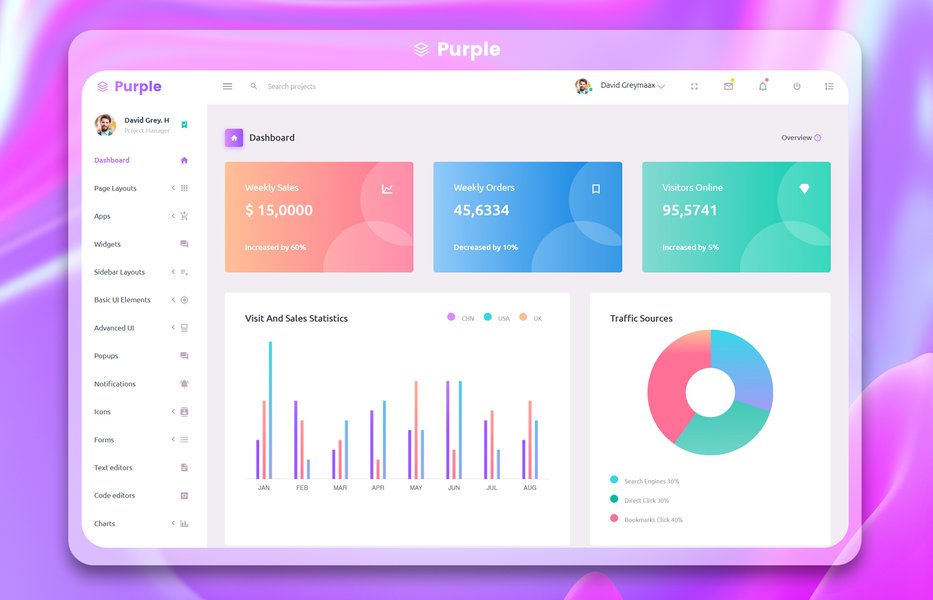
Dashboards are crucial for tracking progress in learning or performance platforms.
2. AI-Driven Content Optimization Tool
Problem Addressed
Businesses and content creators need to constantly improve their digital content's quality, SEO performance, and audience engagement to stand out in a crowded online space. Manual optimization is time-consuming and requires expertise.
Key Features
- Real-time analysis of text, suggesting improvements for readability, tone, and clarity.
- SEO recommendations (keyword usage, meta descriptions, linking strategies).
- AI-powered suggestions for audience targeting and engagement optimization.
- Integration with popular CMS platforms (WordPress, Shopify) and writing tools (Google Docs).
- Performance tracking and content analytics.
Market Opportunity & Why Now
Content marketing and SEO remain critical for online visibility. AI can automate and enhance the optimization process, saving time and improving results. As AI adoption accelerates, demand for intelligent content tools will grow.
3. Enhanced Remote Team Collaboration Hub
Problem Addressed
Distributed teams need seamless tools that integrate communication, project management, file sharing, and productivity tracking without constant app-switching. Existing solutions may lack deep integration or intelligent features.
Key Features
- Unified interface for chat, video conferencing, task management, and document collaboration.
- AI-powered features like meeting summaries, task suggestions, and sentiment analysis in communications.
- Integration with calendars, email, and other business tools.
- Advanced search capabilities across all integrated functions.
- Customizable dashboards for team and project visibility.
Market Opportunity & Why Now
Remote and hybrid work are enduring trends. Teams require more sophisticated, integrated platforms that go beyond basic communication tools to genuinely enhance productivity and collaboration across distances.
4. Niche & Micro-SaaS Opportunities
Beyond broader platforms, numerous opportunities exist in specialized niches:
- AI-Powered Financial Planning for SMEs: Tools offering automated budgeting, forecasting, expense tracking, and financial insights tailored to the needs and resource constraints of small and medium enterprises.
- Subscription Management Software: Platforms helping businesses (especially other SaaS companies or membership sites) manage recurring billing, reduce churn, and analyze subscriber metrics.
- AI-Powered Habit Coaching: Adaptive platforms using behavioral science and AI to help individuals build positive habits, integrating with wearables and offering personalized coaching.
- Agent-as-a-Service (AaaS): AI agents designed to automate specific, repetitive workflows for service-based businesses (e.g., data entry, basic customer support, report generation), often with human oversight.
- Smart Parking Reservation System: B2B or B2C platforms using GPS and dynamic pricing to manage and reserve parking spaces, potentially targeting niche markets like delivery fleets or event venues.
- Freelancer CRM & Project Management: Simplified CRM and project tools specifically designed for the needs of independent professionals and solopreneurs.
- Sustainability & Waste Reduction Apps: Platforms connecting consumers with businesses selling surplus food or products at discounts to reduce waste.
Visualizing SaaS Potential: Key Factor Comparison
To help evaluate some of the promising SaaS ideas discussed, the following radar chart compares them across key factors influencing success. These are qualitative assessments based on market trends and potential:
This chart highlights how different SaaS ideas might excel in various areas. For example, AI-driven platforms generally score high on AI Integration Potential and Market Demand, while niche tools might offer Lower Competition and strong Profitability Potential within their specific market segment.
Understanding the SaaS Ecosystem
Navigating the SaaS landscape involves understanding its core components, trends, and business considerations. This mindmap provides a visual overview:
(Subscription, Tiered, Usage-based)"] id2b["Micro-SaaS vs Enterprise SaaS"] id2c["Solving 'Painkiller' Problems"] id2d["Scalability & Flexibility"] id2e["Cloud Infrastructure"] id3["Example SaaS Areas"] id3a["Employee Upskilling
(AI Microlearning)"] id3b["Content & Marketing
(AI Optimization, Automation)"] id3c["Collaboration
(Remote Team Hubs)"] id3d["Finance
(SME Planning, Subscription Mgmt)"] id3e["Productivity
(Habit Coaching, AaaS)"] id3f["Industry Specific
(Real Estate Mgmt, Healthcare Telemed)"] id4["Success Factors"] id4a["Market Research & Validation"] id4b["Strong Value Proposition"] id4c["User Experience (UX/UI)"] id4d["Technology Stack
(Incl. No-Code/Low-Code)"] id4e["Go-to-Market Strategy"] id4f["Customer Support & Retention"]
This mindmap illustrates the interconnected elements within the SaaS world, from overarching trends driving innovation to the specific types of applications gaining traction and the fundamental factors needed for building a successful venture.
Strategic Considerations for Launching a SaaS
Developing a great idea is just the start. Success requires careful planning and execution:
Market Research & Validation
Thoroughly research your target audience and their pain points. Validate your idea by talking to potential customers, analyzing competitors, and assessing market demand. Is your solution a 'vitamin' (nice-to-have) or a 'painkiller' (must-have)? Focus on painkillers.
Choosing the Right Business Model
The subscription model is standard, often with tiered pricing based on features, usage limits, or number of users. Consider freemium options, usage-based billing, or custom enterprise packages depending on your product and market.
Leveraging Technology Wisely
Decide on your technology stack. AI integration can provide a significant edge. For Micro-SaaS or initial MVPs (Minimum Viable Products), no-code or low-code platforms can accelerate development and reduce costs.
Building an MVP and Iterating
Start with an MVP that solves the core problem for early adopters. Gather feedback, analyze usage data, and iterate continuously based on user needs and market response. Agile development practices are key.
Key SaaS Metrics for Growth
Understanding and tracking the right metrics is vital for managing and scaling a SaaS business. Here are some fundamental ones:
| Metric | Description | Why It Matters |
|---|---|---|
| Monthly Recurring Revenue (MRR) | The predictable revenue generated by subscriptions each month. | Core measure of business size and growth trajectory. |
| Annual Recurring Revenue (ARR) | The predictable revenue generated by subscriptions over a year (typically MRR x 12). | Used for longer-term planning and valuation. |
| Churn Rate | The percentage of customers who cancel their subscriptions within a given period. | High churn indicates problems with product value, pricing, or customer satisfaction. |
| Customer Acquisition Cost (CAC) | The total cost of sales and marketing efforts required to acquire a new customer. | Needs to be lower than LTV for sustainable growth. |
| Customer Lifetime Value (LTV) | The total revenue a business can expect from a single customer account throughout their relationship. | Indicates the long-term value of acquiring a customer; ideally LTV > 3x CAC. |
| Net Promoter Score (NPS) | A measure of customer loyalty and satisfaction based on how likely users are to recommend your product. | Gauge customer happiness and potential for word-of-mouth growth. |
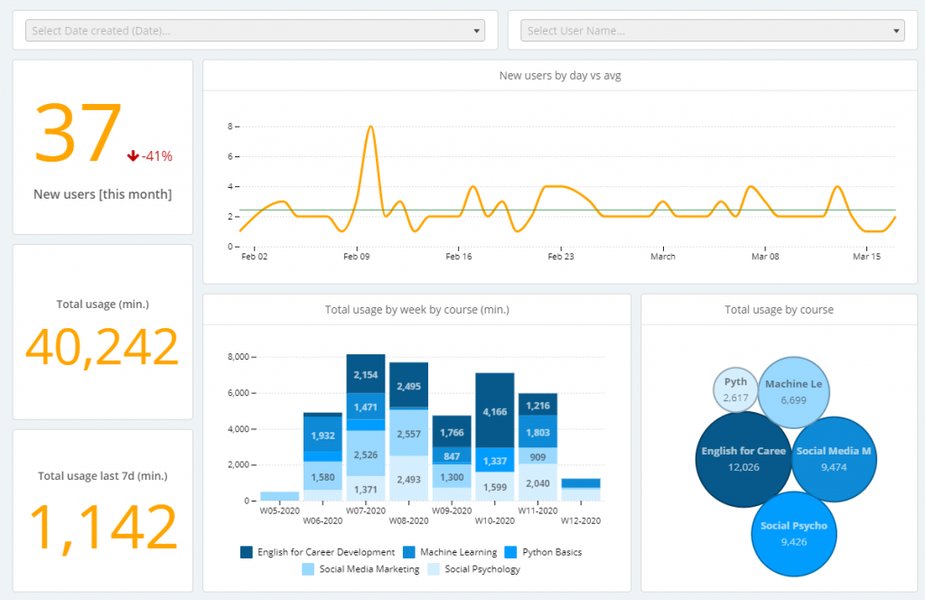
Tracking key metrics via dashboards is essential for SaaS success.
Insights from Experts: Exploring SaaS Ideas
Hearing from experienced founders and analysts can provide valuable perspectives on identifying and launching successful SaaS ventures. The following video discusses promising SaaS startup ideas relevant for the current market:
This video, titled "Best SaaS Startup Ideas To Launch in 2025", offers insights into various potential SaaS concepts, likely covering market trends, validation strategies, and common pitfalls, which can help refine your own thinking about potential opportunities.
Frequently Asked Questions (FAQ)
What is the difference between SaaS and Micro-SaaS?
SaaS (Software as a Service) is a broad term for any software delivered over the internet on a subscription basis. Micro-SaaS is a subset of SaaS, typically characterized by:
- Narrow Focus: Solves a very specific problem for a niche audience.
- Smaller Scale: Often run by solo founders or small teams.
- Lower Revenue Goals (Initially): Aims for sustainable income rather than unicorn status.
- Lean Operations: Often utilizes no-code/low-code tools and focuses on profitability from the start.
Think of Micro-SaaS as a highly specialized tool within the larger SaaS toolbox.
How important is AI for a new SaaS idea in 2025?
AI is increasingly important but not strictly essential for every SaaS idea. However, incorporating AI can provide significant advantages:
- Enhanced Features: Personalization, prediction, automation.
- Competitive Edge: Offering smarter solutions than non-AI competitors.
- Efficiency Gains: Automating internal processes or user tasks.
Consider how AI could genuinely enhance your core value proposition. If it doesn't add significant value or solve the core problem better, focusing on a simpler, well-executed non-AI solution might be preferable, especially for an MVP or Micro-SaaS.
How much does it cost to start a SaaS business?
Costs vary dramatically based on complexity, team size, and technology choices.
- Micro-SaaS (MVP): Can potentially be launched for under $1,000 - $10,000 using no-code/low-code tools and focusing on a very specific niche.
- Simple SaaS (Custom Code): Development costs could range from $20,000 to $100,000+ for an initial version, depending on features and developer rates.
- Complex SaaS (AI, Integrations): Costs can easily run into hundreds of thousands or millions, especially when factoring in ongoing development, marketing, and scaling infrastructure.
Starting lean with an MVP is highly recommended to validate the idea before investing heavily.
What makes a SaaS idea 'profitable'?
Profitability in SaaS hinges on several factors:
- Solving a Real Pain Point: Customers are willing to pay for solutions that save them time, make them money, or reduce significant friction.
- Market Demand: There needs to be a sufficiently large (or valuable niche) group of potential customers.
- Viable Business Model: Pricing must cover costs and generate profit. The LTV must significantly exceed the CAC.
- Low Churn: Retaining customers is cheaper than acquiring new ones. High retention is key to long-term profitability.
- Scalability: The ability to grow revenue without proportionally increasing costs.
Recommended Reading & Exploration
Continue your research with these related queries:
- How can I validate my SaaS idea before investing time and money into building it?
- What are the essential features and characteristics that define a successful Micro-SaaS product?
- What are the pros and cons of different SaaS business models like subscription, usage-based, and freemium?
- What are the practical steps involved in building a Minimum Viable Product (MVP) for a new SaaS startup?
References
Last updated May 4, 2025