
Unlock Recurring Revenue: Which Micro SaaS Ideas Are Worth Copying in 2025?
Discover high-potential, niche software solutions you can build and scale, even as a solo founder.
The allure of building a Software as a Service (SaaS) business is strong, but the thought of competing with industry giants can be daunting. Enter Micro SaaS – smaller, focused software solutions designed to solve specific problems for niche audiences. These ventures often require less capital, smaller teams (sometimes just one person!), and can generate significant recurring revenue. But with countless possibilities, which ideas hold the most promise for replication or inspiration in 2025?
Highlights: Key Insights into Micro SaaS Opportunities
- Niche is King: The most successful Micro SaaS products target a very specific audience with a well-defined problem, avoiding the feature bloat and broad competition faced by larger platforms.
- AI is the Accelerator: Integrating Artificial Intelligence to automate tasks, provide insights, or enhance user experience is a major trend driving value and differentiation in 2025's Micro SaaS landscape.
- Low Barrier to Entry: Thanks to no-code/low-code platforms and focused feature sets, building and launching a Micro SaaS is more accessible than ever, making it ideal for solo entrepreneurs and small teams.
Understanding the Micro SaaS Model
What Makes Micro SaaS Different?
Micro SaaS refers to software-as-a-service businesses that are typically small, focused, and designed to address a specific pain point within a niche market. Unlike traditional SaaS giants aiming for broad market capture, Micro SaaS thrives on specialization. Key characteristics often include:
- Niche Focus: Targeting a specific industry, user group, or workflow (e.g., CRM for photographers, scheduling for yoga instructors).
- Minimal Feature Set: Solving one or two core problems extremely well, rather than offering a sprawling suite of tools.
- Low Overhead: Often run by solo founders or small teams, minimizing operational costs.
- Recurring Revenue: Typically utilizing subscription-based or usage-based pricing models for predictable income.
- Bootstrapped or Low Funding: Many are built without significant venture capital, relying on organic growth or minimal investment.
- Automation Potential: Many successful Micro SaaS products run largely on autopilot once established.
This focused approach means less direct competition, a deeper understanding of customer needs, and the ability to build a sustainable business without massive scale.
Why 2025 is a Golden Era for Micro SaaS
Several factors converge to make 2025 an opportune time to launch or adapt a Micro SaaS idea:
- AI Proliferation: The rapid advancement and accessibility of AI technologies open up countless opportunities to automate processes, generate insights, and create novel solutions that were previously complex or expensive to build. Many new problems have emerged specifically *because* of AI, creating gaps for targeted tools.
- Rise of No-Code/Low-Code: Platforms like Bubble, Webflow, and Softr empower individuals with limited coding experience to build and launch sophisticated web applications quickly and cost-effectively.
- Remote Work Persistence: The continued prevalence of remote and hybrid work models fuels demand for specialized tools that enhance collaboration, productivity, and management for distributed teams.
- Market Fragmentation: Large SaaS platforms often overlook the specific needs of smaller niches, leaving gaps that Micro SaaS businesses are perfectly positioned to fill.
- Creator Economy & Solopreneurship: The growing number of freelancers, creators, and small online businesses creates demand for tools tailored to their unique operational needs (e.g., content optimization, client management, financial tracking).
Promising Micro SaaS Idea Categories to Explore
Based on current trends and successful examples, here are several high-potential Micro SaaS categories worth considering for adaptation or inspiration:
AI-Powered Automation & Enhancement
Leveraging AI for Efficiency and Insight
Artificial intelligence is arguably the biggest driver of new Micro SaaS opportunities. Ideas in this space focus on using AI to automate tedious tasks, enhance existing workflows, or provide intelligent insights.
- AI Content Optimization: Tools that help bloggers, marketers, and businesses optimize written or video content for SEO, platform algorithms (like YouTube or TikTok), readability, and engagement.
- AI Course Generation: Platforms that assist educators or creators in quickly building structured mini-courses, workshops, or learning modules from existing content or outlines (e.g., Mini Course Generator).
- AI-Powered Customer Support Chatbots: Niche chatbots designed for specific industries (like e-commerce order tracking or basic tech support for SaaS) that handle common queries automatically (e.g., ChatGuru).
- AI Document Analysis: Tools that analyze specific types of documents (legal contracts, financial reports, medical records) to extract key information, check compliance, or assess risk for specific professional niches.
- AI-Driven Growth Strategy Apps: Platforms that analyze business data and suggest personalized growth hacking tactics or marketing strategies for startups or small businesses.
- Receipt & Invoice Management AI: Tools like Receipt AI automate the scanning, categorization, and uploading of financial documents to accounting software (like Xero), saving time for freelancers and small businesses.
Remote Collaboration & Productivity Boosters
Streamlining Work for Distributed Teams and Individuals
As remote work remains prevalent, tools that facilitate seamless collaboration and personal productivity continue to be in high demand.
- Integrated Remote Team Hubs: Platforms combining essential features like time tracking, simple project management, and team communication channels, specifically designed for small remote teams or agencies.
- Niche Employee Scheduling: Workforce management tools tailored to specific industries (e.g., restaurants, retail, healthcare clinics) with features like shift swapping, availability tracking, and automated reminders.
- Personal Habit & Productivity Trackers: Apps focused on habit formation, goal setting, and productivity enhancement, potentially using behavioral science principles or AI coaching (e.g., Harold the Habit Tracker, Fabulous).
- Meeting Assistant Tools: Software that automates meeting summaries, action item tracking, or transcription for specific platforms or workflows.
Hyper-Focused Niche Industry Tools
Solving Unique Problems for Specific Professions
Deeply understanding the unique challenges of a particular industry or profession allows for the creation of highly valuable, targeted solutions.
- Industry-Specific CRMs: Customer Relationship Management tools designed for the unique workflows of specific professionals (e.g., photographers, therapists, freelance writers, real estate agents).
- Specialized Inventory Management: Tools tailored for small e-commerce sellers on specific platforms (like Etsy or Shopify) or specific types of physical businesses (like craft breweries or small boutiques) with features addressing their unique stock challenges.
- Niche Recruitment Platforms: Job boards or management tools focused on connecting employers with talent in very specific fields (e.g., specific programming languages, specialized creative roles, niche scientific expertise).
- Compliance & Reporting Tools: Software automating compliance checks or report generation for heavily regulated industries (e.g., finance, healthcare) at a small business scale.
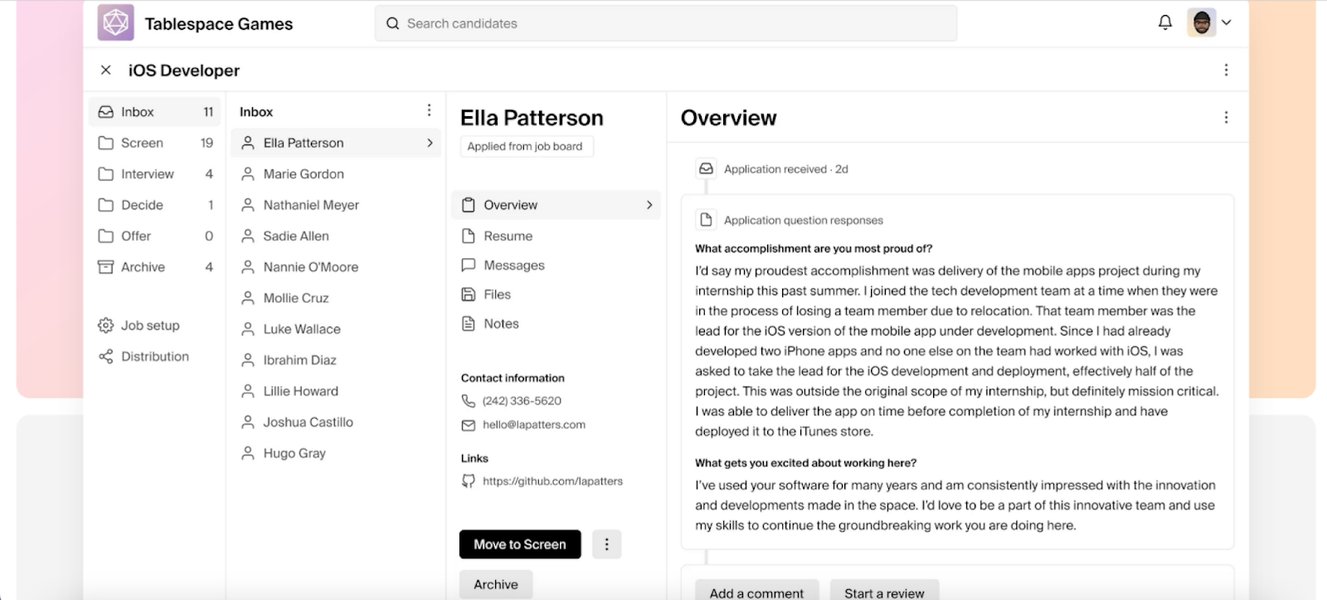
Example of a clean SaaS dashboard, often a core part of Micro SaaS analytics tools.
Marketing & Sales Accelerators
Simplifying Growth for Small Businesses
Many small businesses lack the resources or expertise for complex marketing and sales operations. Micro SaaS can provide simple, effective tools.
- Testimonial & Social Proof Automation: Tools that streamline the collection, management, and display of customer testimonials, reviews, and case studies on websites or marketing materials.
- Niche SEO & Rank Tracking: Simplified SEO tools focused on specific needs, like rank tracking for local businesses, on-page optimization suggestions for bloggers, or keyword research via browser extensions (e.g., Keywords Everywhere).
- Micro-Email Marketing Platforms: Email marketing tools designed for specific use cases (e.g., simple newsletters for creators, automated follow-ups for online course students) without the complexity of larger platforms.
- Simple Analytics Dashboards: Tools providing easy-to-understand analytics and actionable insights tailored to specific business models (like subscription metrics for other SaaS businesses, similar to ProfitWell's niche).
Specialized Developer & Data Tools
Serving the Needs of Technical Users
Even technical audiences have niche needs that can be met with focused Micro SaaS solutions.
- API Copilots for Specific Niches: Code generation or assistance tools tailored to developers working with specific APIs or frameworks (e.g., healthcare data standards, specific financial APIs, niche gaming engines).
- Simplified Data Integration Tools: Platforms that make it easy to connect specific apps or data sources without extensive coding, targeting common small business stacks.
- Niche Cloud Monitoring/Alerting: Focused monitoring tools for specific cloud services or application types, offering simpler setup and lower cost than enterprise solutions.
Evaluating Micro SaaS Opportunities: A Comparative Glance
Choosing the right Micro SaaS category depends on your skills, interests, and market assessment. This radar chart provides a subjective comparison of different categories based on factors crucial for solo founders or small teams in 2025. Scores are relative (higher is generally better/more intense), aiming to illustrate comparative potential rather than absolute values.
This chart suggests that while AI tools offer high profit and integration potential, they might face more competition. Niche industry tools excel in low competition but might have slightly lower scalability compared to broader categories like remote work or marketing tech, which often benefit from easier low-code builds and high demand.
Mapping Your Micro SaaS Journey
Building a successful Micro SaaS involves more than just picking an idea. It requires a strategic approach covering validation, development, monetization, and growth. This mindmap outlines the key components of a typical Micro SaaS strategy.
This mindmap emphasizes the iterative nature of building a Micro SaaS. Starting with a solid idea and niche, validating it quickly with an MVP, choosing the right tech stack (often favoring speed and simplicity), selecting a sustainable monetization model, and executing a focused marketing strategy are all crucial steps.
Spotlight on Specific Micro SaaS Ideas
To make these concepts more concrete, here's a table summarizing some specific Micro SaaS ideas drawn from successful examples and promising trends, highlighting their target audience, the problem they solve, and their potential monetization approach.
| Micro SaaS Idea | Target Audience | Problem Solved | Potential Monetization |
|---|---|---|---|
| AI Content Optimizer | Bloggers, Content Marketers, Small Businesses | Difficulty ranking content, improving engagement, optimizing for different platforms. | Tiered Subscription (based on usage/features) |
| Niche CRM (e.g., for Photographers) | Specific Freelancers/Professionals (e.g., Photographers) | Generic CRMs are complex; need tailored workflow for client booking, project tracking, invoicing. | Monthly/Annual Subscription |
| Remote Team Time & Task Tracker | Small Remote Teams, Agencies, Freelancers | Need simple tool for tracking work hours, project progress, and basic team communication without complexity of large PM tools. | Subscription per user or per team |
| SEO Chrome Extension (e.g., Niche Keyword Finder) | SEO Professionals, Bloggers, E-commerce Owners | Need quick access to specific SEO data (keywords, competitor insights) directly in the browser. | Subscription or One-Time Purchase (less common) |
| Automated Testimonial Collector | E-commerce Stores, SaaS Companies, Service Businesses | Struggle to consistently collect and display social proof (reviews, testimonials). | Tiered Subscription (based on features/display options) |
| AI-Powered Receipt Scanner & Organizer | Freelancers, Solopreneurs, Small Business Owners | Manual tracking and categorization of receipts for accounting is time-consuming and error-prone. | Subscription (based on number of scans/integrations) |
Finding Your Profitable Niche: Insights from Experts
Identifying a promising Micro SaaS idea often involves understanding market needs and validating potential solutions. Many successful founders share their strategies for finding and vetting ideas. This video delves into methods for discovering profitable Micro SaaS concepts in the current market environment.
The video explores practical approaches to idea generation, emphasizing looking for underserved niches, analyzing existing software for gaps, and listening to the specific pain points expressed within online communities or by potential customers. It reinforces the importance of validation before committing significant resources.
Choosing Your Path: Validation is Key
How to Select and Validate Your Idea
While "copying" a successful idea provides a starting point, true success often comes from adapting and improving upon it for a specific niche. Consider these steps:
- Assess Your Strengths & Interests: Choose a domain you understand or are passionate about. This makes research, development, and marketing more effective and enjoyable.
- Deep Dive into a Niche: Don't just copy the features; understand the *specific* problem the original tool solves and for *whom*. Can you serve a subset of that audience even better?
- Look for Inefficiencies: Are existing solutions too complex, too expensive, or missing key features for a particular group? That's your opening.
- Build a Minimum Viable Product (MVP): Create the simplest version of your product that solves the core problem. Use no-code tools if possible to speed up this process.
- Validate with Real Users: Get your MVP in front of your target audience quickly. Use landing pages, beta tests, or direct outreach. Collect feedback relentlessly. Are people willing to pay for it?
- Iterate Based on Feedback: Use the insights gathered to refine your product, focusing on features that deliver the most value to your niche.
The goal isn't just to clone, but to carve out your own defensible space by serving a specific audience better than anyone else.
Frequently Asked Questions (FAQ)
What exactly defines a "Micro SaaS"?
A Micro SaaS is a Software as a Service business characterized by its narrow focus on solving a specific problem for a niche market. Key traits include minimal features targeting core needs, typically run by a solo founder or small team, lower operational costs, often bootstrapped (self-funded), and utilizing a recurring revenue model (like subscriptions).
How do I find a profitable niche for a Micro SaaS?
Finding a niche involves research and observation. Look for:
- Problems you personally face: Often, the best ideas solve your own pain points.
- Complaints about existing software: Check forums (Reddit, Indie Hackers), review sites, and social media for frustrations with current tools.
- Manual or inefficient workflows: Look for tasks people do repeatedly using spreadsheets or multiple disconnected tools.
- Underserved industries or professions: Identify groups whose specific software needs aren't met by large, generic platforms.
- Opportunities created by new tech: How can AI, new APIs, or platform changes automate or improve things for a specific group?
Validate demand by talking to potential customers in that niche *before* building extensively.
How much does it realistically cost to start a Micro SaaS?
Costs can vary significantly, but Micro SaaS is known for its potential for low startup costs, especially if bootstrapped:
- No-Code/Low-Code: Using platforms like Bubble or Softr can range from free tiers to ~$30-100+/month depending on features and scale.
- Custom Development: If coding yourself, the cost is primarily your time. Hiring developers is significantly more expensive.
- Essential Tools: Domain name (~$10-20/year), hosting (can start low, ~$5-50/month), email service provider (can start free or low cost).
- Marketing: Can start with free methods (content, community) or allocate a small budget for targeted ads.
It's possible to launch an MVP for under $100-$200 in tool subscriptions, with the main investment being time.
How do I validate my Micro SaaS idea before building it?
Validation aims to confirm people need your solution and are willing to pay for it *before* you invest heavily in development. Methods include:
- Customer Interviews: Talk directly to your target audience about their problems and workflows.
- Landing Page Test: Create a simple webpage describing your solution and collect email sign-ups to gauge interest. You can even test pricing.
- Build an MVP: Develop the core feature(s) quickly and get it into the hands of early adopters for feedback.
- Pre-sell: Offer early access or a lifetime deal at a discount before the product is fully built. If people pay, it's a strong validation signal.
- Community Feedback: Share your idea (carefully) in relevant online communities (like Indie Hackers or niche subreddits) and gauge reactions.
What are common pricing models for Micro SaaS?
The most common models focus on recurring revenue:
- Tiered Subscription: Offering different plans (e.g., Basic, Pro, Premium) with varying feature sets or usage limits. This is very common.
- Per-User Pricing: Charging based on the number of users accessing the software (common for team-based tools).
- Usage-Based Pricing: Charging based on consumption (e.g., number of API calls, emails sent, data processed).
- Freemium: Offering a basic free plan with limitations to attract users, aiming to upsell them to paid plans. This requires careful planning to ensure free users don't overly strain resources.
Choosing the right model depends on your product's value metric, target audience, and operational costs.
Recommended Further Exploration
Building on these ideas, you might find these related queries helpful:
- How can I effectively validate a micro SaaS idea before investing time and money into building it?
- What are the best no-code or low-code platforms suitable for building and launching a micro SaaS quickly in 2025?
- What are effective strategies for marketing a micro SaaS product with a limited budget?
- What are the common mistakes or pitfalls to avoid when starting and scaling a micro SaaS business?
References
Last updated May 4, 2025