
Unlock the Future: Top SaaS Ideas Poised to Revolutionize Daily Life for Students & Everyone Else in 2025
Discover innovative Software as a Service concepts leveraging AI, personalization, and accessibility to solve real-world problems.
Software as a Service (SaaS) continues its rapid expansion, transforming how we learn, work, and manage our lives. With the global SaaS market projected to reach significant heights (estimated around $195 billion by 2025 according to some sources), the demand for cloud-based solutions that are cost-effective, scalable, and user-friendly is stronger than ever. This landscape presents exciting opportunities, particularly for tools designed to assist students and the general public. Emerging trends like Artificial Intelligence (AI) integration, hyper-personalization, and the rise of no-code/low-code development platforms are paving the way for innovative SaaS applications that address specific needs and enhance everyday experiences.
Key Highlights: SaaS Opportunities in 2025
- AI-Powered Personalization: SaaS tools increasingly leverage AI to offer tailored experiences, from customized learning paths for students to personalized wellness plans for the general public.
- Focus on Everyday Problem Solving: Successful SaaS ideas often target common pain points, simplifying tasks related to education, finance, health, productivity, and event management.
- Accessibility and Niche Solutions: Growth is seen not just in large platforms but also in micro-SaaS – smaller, focused tools addressing specific niche problems, often built quickly using no-code/low-code platforms.
Revolutionizing Education: SaaS Ideas for Students
Empowering Learners with Technology
The education sector is ripe for SaaS innovation, especially with the ongoing shift towards blended and remote learning models. Students face unique challenges related to time management, research, writing, collaboration, and skill development. SaaS solutions can provide invaluable support in these areas.
AI-Powered Personalized Learning & Study Assistants
Imagine a study companion that understands how you learn best. AI-driven platforms can analyze individual learning styles, preferences, and performance data to create truly customized educational experiences. These tools can:
- Develop personalized study plans and schedules, integrating with calendars and deadlines.
- Adapt learning materials, practice quizzes, and flashcards in real-time based on progress.
- Summarize lengthy textbooks or lecture notes using Natural Language Processing (NLP).
- Identify strengths and weaknesses to provide targeted exercises and support.
- Offer AI tutors for instant Q&A and concept clarification.
The demand for such personalized learning is high, as it's widely believed to improve student outcomes significantly.
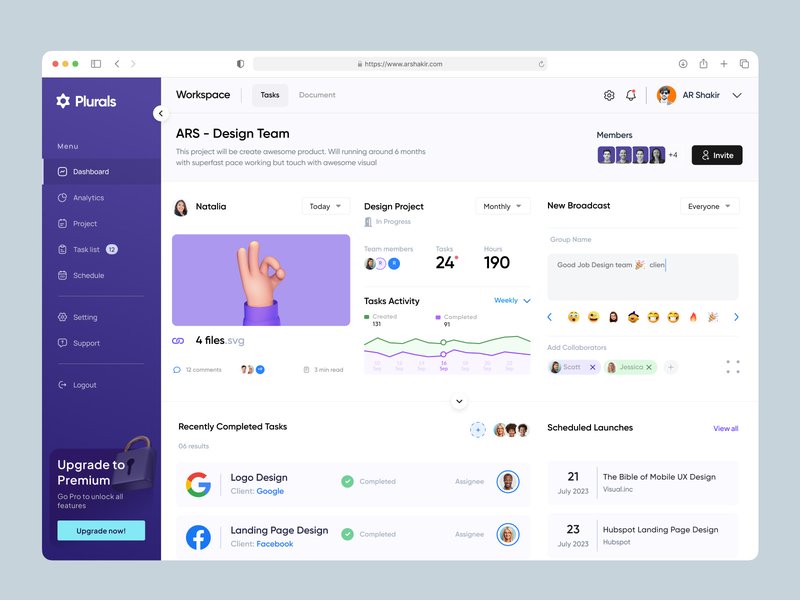
Example of a clean SaaS dashboard interface, relevant for student project management tools.
Academic Writing & Research Tools
Writing essays and research papers is a core part of student life. SaaS can streamline this process:
- Essay Writing Assistants: AI tools can help draft, edit, and refine essays, offering suggestions for grammar, style, clarity, and structure. Plagiarism detection and automated citation generation are key features.
- Intelligent Research Assistants: These platforms use AI to aggregate academic resources, summarize research papers, suggest relevant sources, and help organize findings, saving students valuable time.
Collaboration and Communication Platforms
Group projects are common, but coordination can be challenging. Student-focused collaboration tools offer:
- Task assignment and tracking.
- Shared file repositories and real-time document editing.
- Integrated communication channels (chat, video calls).
- Timeline visualization and milestone management.
- Anonymous feedback portals for course or institutional improvement suggestions.
Skill Development & Career Preparation
- Language Learning Platforms: AI enhances language learning through personalized vocabulary drills, pronunciation feedback (voice recognition), and conversational practice.
- Exam Preparation Tools: Access to libraries of past papers, mock tests with timed conditions, performance analytics, and targeted feedback.
- Scholarship & Internship Finders: Aggregating opportunities tailored to a student's profile, field of study, and location.
Enhancing Daily Life: SaaS Ideas for the General Public
Streamlining Tasks and Promoting Well-being
Beyond the academic sphere, SaaS offers numerous solutions to simplify everyday life, boost productivity, and support personal growth for a broad audience.
Personal Finance & Budgeting
Managing finances can be complex. User-friendly SaaS tools can help individuals:
- Track income and expenses automatically.
- Set and monitor savings goals.
- Create budgets and receive spending alerts.
- Manage subscriptions and identify potential savings.
- Receive AI-driven financial insights and tips (within regulatory compliance).
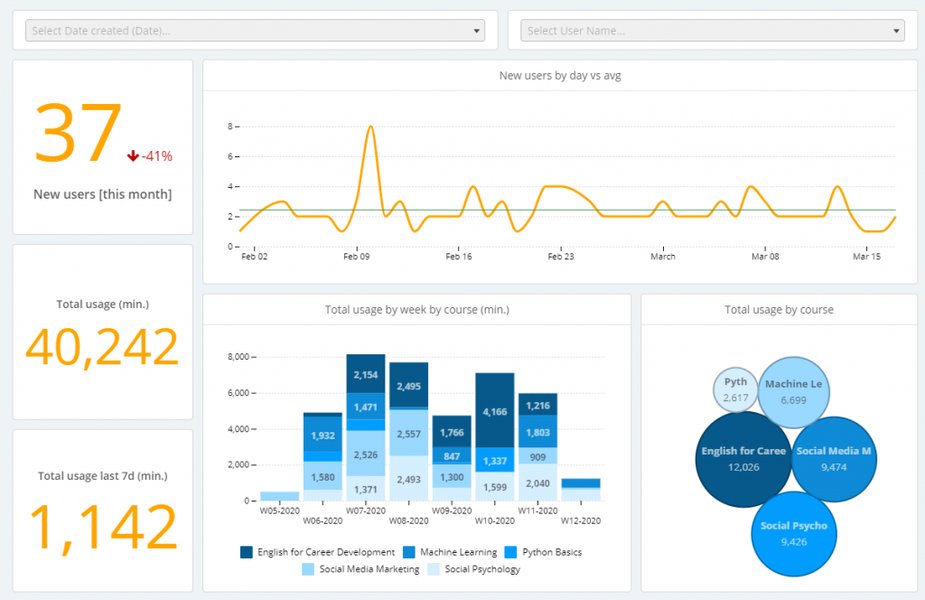
Example of a SaaS dashboard displaying key metrics, adaptable for personal finance tracking.
Health, Wellness & Habit Formation
With growing interest in self-care, SaaS platforms can support healthier lifestyles:
- Habit Trackers: Tools to build positive habits (e.g., exercise, meditation) and break negative ones, often using gamification, reminders, and progress visualization. Some incorporate AI for personalized suggestions or reminders about screen time.
- Wellness Planners: Integrated platforms combining workout schedules, meal planning, mindfulness exercises, and mood tracking.
Productivity & Organization
- Digital Document & Asset Management: Secure cloud storage for organizing personal documents, photos, notes, and receipts with intelligent search capabilities.
- Content Creation & Optimization Tools: Simplified tools for non-professionals to edit videos, create graphics, or optimize blog posts/social media content using AI assistance (e.g., grammar checking, SEO suggestions).
- Home Management Apps: Shared platforms for families or housemates to manage chores, grocery lists, maintenance schedules, and appointments.
Social Interaction & Event Management
- Virtual Event Platforms: Tools for organizing and hosting online gatherings, workshops, hobby groups, or community meetups, including features like ticketing, registration, interactive polls, and breakout rooms. This also extends to simpler tools like online movie night planners.
- Simplified CRM for Niche Groups: While CRM is often business-focused, lightweight versions could help manage contacts and communications for clubs, associations, or personal networks.
Visualizing SaaS Potential: Key Factors
Choosing a viable SaaS idea involves considering various factors. The radar chart below offers a conceptual comparison of selected SaaS ideas based on criteria like market need, potential for AI integration, scalability, existing competition, and accessibility for the target audience (students/general public). These scores are illustrative, representing potential strengths and challenges.
This visualization helps conceptualize the trade-offs involved in pursuing different SaaS ideas. For instance, while AI Study Planners have high market need and AI potential, they also face significant competition. Habit trackers might offer higher accessibility and easier monetization but with slightly less disruptive AI potential compared to advanced learning tools.
Mapping the SaaS Landscape
Connecting Ideas and Trends
The mindmap below provides a visual overview of the SaaS ideas discussed for students and the general public, highlighting key technological trends influencing their development in 2025.
(Students & General Public)"] id1["Target Audience"] id1_1["Students"] id1_1_1["AI Learning Assistant"] id1_1_2["Essay & Research Tools"] id1_1_3["Collaboration Platforms"] id1_1_4["Language Learning Apps"] id1_1_5["Exam Prep Tools"] id1_1_6["Feedback Portals"] id1_1_7["Internship Finders"] id1_2["General Public"] id1_2_1["Personal Finance Tools"] id1_2_2["Health & Habit Trackers"] id1_2_3["Event Management"] id1_2_4["Content Creation Aids"] id1_2_5["Home Organization"] id1_2_6["Document Management"] id1_2_7["Subscription Managers"] id2["Key Trends & Considerations"] id2_1["AI & Automation"] id2_2["Personalization"] id2_3["Micro-SaaS & Niche Focus"] id2_4["No-Code/Low-Code Dev"] id2_5["Mobile-First Design"] id2_6["Data Privacy & Security"] id2_7["Affordable Pricing Models (Freemium)"]
This mindmap illustrates how specific SaaS solutions branch out from the core needs of students and the general public, all while being shaped by overarching technological advancements and market considerations like AI integration and the demand for personalized, accessible tools.
Emerging SaaS Concepts: A Video Perspective
Insights into Building SaaS in 2025
The following video discusses several SaaS ideas relevant for 2025, touching upon market opportunities and potential concepts sourced from online communities. While focusing broadly on SaaS, the insights can inspire ideas applicable to student or general public needs, particularly regarding identifying underserved niches or leveraging current trends.
Watching discussions like this can provide valuable context on how entrepreneurs identify and evaluate SaaS opportunities, considering factors like market size, competition, and monetization strategies – crucial steps for anyone considering launching a new SaaS product.
Comparative Overview: Selected SaaS Ideas
Features, Audience, and Monetization
To provide a clearer picture, the table below summarizes key aspects of some promising SaaS ideas discussed, highlighting their target audience, core features, and potential monetization strategies.
| SaaS Idea | Primary Target Audience | Key Features | Potential Monetization |
|---|---|---|---|
| AI-Personalized Study Planner | Students (High School, College) | Custom scheduling, progress tracking, AI-driven study material adaptation, deadline reminders, calendar integration. | Subscription (monthly/annual), Freemium (basic free, premium features). |
| Habit Tracker & Wellness Platform | General Public, Students | Habit tracking, goal setting, reminders, progress analytics, gamification, personalized tips (AI), mood tracking integration. | Subscription, Freemium, One-time purchase (less common for SaaS). |
| Micro-Event Management Platform | General Public, Students, Small Organizations | Event creation, ticketing/RSVP, attendee management, communication tools, virtual event support (streaming integration). | Per-event fee, Subscription (for frequent organizers), Freemium. |
| AI Essay Writing Assistant | Students | Grammar/style checking, structure suggestions, plagiarism detection, citation generation, AI content enhancement. | Subscription, Freemium (limited checks/features free). |
| Personal Finance & Budgeting Tool | General Public | Expense tracking, budgeting categories, savings goals, bill reminders, basic financial insights, bank integration. | Freemium (basic tracking free, advanced analytics/AI insights premium), Subscription. |
| Language Learning SaaS (AI-Enhanced) | Students, General Public | Personalized lessons, vocabulary building, pronunciation practice (voice AI), conversational exercises, progress tracking. | Subscription, Freemium (limited access). |
This table illustrates the diversity of SaaS applications and how they can be tailored with specific features and pricing models to meet the needs of different user groups effectively.
Frequently Asked Questions (FAQ)
What exactly is SaaS?
SaaS stands for Software as a Service. It's a software distribution model where a third-party provider hosts applications and makes them available to customers over the Internet. Instead of installing and maintaining software, users simply access it online, usually through a web browser or mobile app. Common characteristics include subscription-based pricing, centralized management, and automatic updates handled by the provider.
Why is AI so important for new SaaS ideas?
Artificial Intelligence (AI) is transforming SaaS by enabling new levels of personalization, automation, and predictive insights. For users, this means more tailored experiences (like personalized study plans or financial advice), smarter features (like AI-powered writing suggestions or automated scheduling), and more efficient workflows. For SaaS providers, AI can help optimize operations, improve customer engagement, and create unique value propositions that differentiate their products in a competitive market.
What is Micro-SaaS?
Micro-SaaS refers to typically smaller, niche SaaS businesses designed to solve a very specific problem for a targeted audience. They often have a narrow feature set, are run by small teams or even solo founders, and aim for sustainable revenue rather than hyper-growth or venture capital funding. Examples include browser extensions for specific tasks, simple utilities addressing gaps in larger platforms, or tools for highly specific workflows. Their appeal lies in lower development costs, faster time-to-market, and potentially less competition compared to broader SaaS categories.
Are No-Code/Low-Code platforms useful for building these SaaS ideas?
Yes, absolutely. No-code and low-code development platforms allow individuals and teams to build applications with minimal or no traditional coding. This significantly lowers the barrier to entry for creating SaaS products, enabling faster prototyping, iteration, and launch, especially for micro-SaaS ideas or initial versions (MVPs - Minimum Viable Products). While complex features or high scalability might eventually require custom code, these platforms are excellent for validating ideas and building functional applications quickly and cost-effectively.
Recommended Next Steps
- How can I validate if my SaaS idea will be successful before building it?
- What is the typical cost involved in developing a simple SaaS application?
- Which AI tools are most effective for incorporating into SaaS development?
- What are the best monetization strategies for SaaS products using a freemium model?
References
Last updated May 4, 2025