
Unlocking Thyroid Health: Finding Your Optimal Treatment Pathway
Navigating hypothyroidism, hyperthyroidism, and beyond requires personalized care – discover the leading options available today.
Determining the single "best" thyroid treatment is complex because the ideal approach depends entirely on the specific thyroid condition being addressed and the individual patient's unique health profile, response to therapy, and lifestyle. Whether managing an underactive thyroid (hypothyroidism), an overactive thyroid (hyperthyroidism), autoimmune conditions like Hashimoto's or Graves' disease, thyroid nodules, or thyroid cancer, the goal is always to restore hormonal balance, alleviate symptoms, and prevent long-term complications.
Key Insights into Thyroid Treatments
- Levothyroxine is the Standard for Hypothyroidism: For most individuals with an underactive thyroid, synthetic T4 (levothyroxine) is the well-established, first-line treatment due to its effectiveness, safety profile, and predictability.
- Treatment Must Be Individualized: There's no one-size-fits-all answer. Factors like the specific thyroid disorder, severity, patient symptoms, age, other health conditions, and response to medication necessitate a personalized treatment plan developed with a healthcare provider.
- Ongoing Monitoring is Crucial: Regardless of the treatment chosen, regular monitoring, primarily through blood tests like TSH, is essential to ensure the dosage is correct and hormone levels remain within the target range, preventing issues related to over- or under-treatment.
Treating Hypothyroidism (Underactive Thyroid)
Restoring Hormone Balance When Production is Low
Hypothyroidism occurs when the thyroid gland doesn't produce enough thyroid hormones, primarily thyroxine (T4) and triiodothyronine (T3). This slowdown can affect metabolism, energy levels, mood, and more. The most common cause is Hashimoto's thyroiditis, an autoimmune condition.

Hypothyroidism affects various bodily functions due to insufficient hormone production.
Levothyroxine (Synthetic T4): The Gold Standard
Levothyroxine is a synthetic version of the T4 hormone and is the most widely prescribed medication for hypothyroidism globally. It's considered the first-line treatment by major health organizations (like the NHS and Mayo Clinic) and endocrinologists.
- How it Works: It replaces the T4 hormone your thyroid isn't making enough of. The body naturally converts T4 into the active T3 hormone as needed.
- Brands: Common brand names include Synthroid, Levoxyl, Tirosint, and Unithroid.
- Advantages: It has a long track record of effectiveness and safety, a long half-life allowing for once-daily dosing, and predictable potency. Dosage is tailored based on regular TSH blood tests.
- User Experience: While effective for many, patient reviews show mixed experiences. Some sources indicate around 40% of users report positive effects (improved energy, reduced symptoms), while others (~44-46%) report negative experiences or side effects, such as initial hair loss or difficulty finding the optimal dose. Concerns about long-term bone density effects have also been noted by some users, although this is typically related to over-treatment.
Combination Therapy (T4 + T3)
For a subset of patients (estimated 10-15%) who continue to experience symptoms like fatigue or brain fog despite having normal TSH levels on levothyroxine alone, combination therapy might be considered. This involves adding a synthetic T3 hormone (liothyronine) to the levothyroxine regimen.
- Rationale: Some individuals may not convert T4 to T3 efficiently, and adding T3 directly might improve well-being.
- Evidence: Research findings are mixed. Some studies and patient reports suggest improved quality of life, while larger trials haven't consistently shown superiority over levothyroxine monotherapy. It requires careful monitoring to avoid potential side effects of excess T3 (like heart palpitations).
- Availability: Can be prescribed as separate T4 and T3 pills or sometimes in combined formulations.

Several medication options exist for managing thyroid conditions.
Desiccated Thyroid Extract (NDT)
NDT is derived from dried porcine (pig) thyroid glands and contains naturally occurring T4, T3, and other thyroid components. Brands include Armour Thyroid and NP Thyroid.
- Appeal: Often preferred by patients seeking a "natural" option. Some report feeling better on NDT compared to synthetic hormones. User reviews show varied satisfaction, sometimes higher than levothyroxine, but based on smaller sample sizes.
- Drawbacks: NDT has historically faced issues with batch-to-batch consistency in hormone levels, making stable dosing challenging. The ratio of T4 to T3 is different from human physiology. Some brands have faced recalls. Due to these factors and limited robust clinical evidence supporting its superiority, most conventional medical guidelines do not recommend it as a first-line treatment.
Treating Hyperthyroidism (Overactive Thyroid)
Managing Excess Thyroid Hormone Production
Hyperthyroidism results from the thyroid gland producing too much thyroid hormone. This speeds up the body's metabolism, leading to symptoms like weight loss, rapid heartbeat, anxiety, and heat intolerance. Graves' disease, an autoimmune disorder, is a common cause.
Anti-thyroid Medications
These drugs work by reducing the thyroid's ability to produce hormones.
- Examples: Methimazole (Tapazole) and Propylthiouracil (PTU).
- Usage: Methimazole is generally preferred due to a slightly better safety profile and convenience (once-daily dosing), except during the first trimester of pregnancy, where PTU is often chosen. Treatment typically lasts 12-18 months, potentially leading to remission, but relapse can occur.
- Side Effects: Generally well-tolerated, but potential side effects include rash, joint pain, and, rarely, more serious liver issues or a drop in white blood cells.
Radioactive Iodine (RAI) Therapy
RAI involves taking a dose of radioactive iodine (I-131) orally. The thyroid gland absorbs the iodine, and the radiation selectively damages or destroys the overactive thyroid cells, reducing hormone production permanently.
- Effectiveness: Highly effective, often considered a definitive treatment.
- Outcome: Most patients become hypothyroid after RAI and require lifelong levothyroxine replacement therapy.
- Considerations: Not suitable for pregnant or breastfeeding women.
Thyroid Surgery (Thyroidectomy)
Surgical removal of part or all of the thyroid gland (thyroidectomy) is another option, particularly for patients with large goiters, suspicious nodules, or those who cannot tolerate medications or RAI.
- Outcome: Provides immediate control of hyperthyroidism. If the entire thyroid is removed (total thyroidectomy), lifelong levothyroxine therapy is necessary.
- Risks: Carries standard surgical risks, plus potential risks to nearby parathyroid glands (regulating calcium) and vocal cord nerves.
Comparing Hypothyroidism Treatment Options
A Visual Comparison of Key Factors
Choosing a hypothyroidism treatment involves balancing several factors. This chart provides a comparative overview of Levothyroxine (Standard T4), Combination Therapy (T4+T3), and Natural Desiccated Thyroid (NDT) based on general consensus and typical outcomes. Scores are relative estimates (1=Low, 5=High) for illustrative purposes.
This chart highlights that while Levothyroxine scores highly on standardization, evidence, and safety, Combination Therapy and NDT may offer higher satisfaction for certain patient groups, albeit with trade-offs in consistency or the strength of clinical evidence.
Treatment Landscape Overview
Mapping Thyroid Conditions and Treatment Approaches
Understanding the different thyroid conditions and their corresponding treatment strategies is key. This mindmap provides a visual summary of the main conditions and the typical therapeutic paths.
(Underactive)"] id1a["Levothyroxine (T4) - Standard"] id1b["Combination Therapy (T4+T3)"] id1c["Desiccated Thyroid (NDT)"] id1d["Monitoring: TSH Levels"] id2["Hyperthyroidism
(Overactive)"] id2a["Anti-thyroid Meds
(Methimazole, PTU)"] id2b["Radioactive Iodine (RAI)"] id2c["Surgery (Thyroidectomy)"] id3["Autoimmune Conditions"] id3a["Hashimoto's Thyroiditis
(Often leads to Hypothyroidism - Treat accordingly)"] id3b["Graves' Disease
(Often leads to Hyperthyroidism - Treat accordingly)"] id3c["Adjunct Therapies
(Lifestyle, Emerging Immunomodulators)"] id4["Thyroid Nodules & Cancer"] id4a["Benign Nodules
(Monitoring, RFA, Surgery if large/symptomatic)"] id4b["Thyroid Cancer
(Surgery - Mainstay)"] id4c["Advanced Cancer
(Targeted Therapies - TKIs, RAI post-surgery)"]
This map illustrates that while hormone replacement (for hypo) and hormone suppression/ablation (for hyper) are central, specific conditions like autoimmune diseases or cancer require tailored strategies, sometimes involving advanced or minimally invasive techniques.
Summary of Common Thyroid Treatments
Comparing Options for Hypo- and Hyperthyroidism
This table provides a quick reference guide comparing the primary treatments for the two most common thyroid function disorders.
| Condition | Treatment Type | Mechanism | Examples | Pros | Cons |
|---|---|---|---|---|---|
| Hypothyroidism | Synthetic T4 | Replaces missing T4 hormone | Levothyroxine (Synthroid, Levoxyl) | Effective, standardized, well-studied, once-daily | Some patients have persistent symptoms, requires dose adjustments |
| Combination T4+T3 | Replaces T4 and adds active T3 | Levothyroxine + Liothyronine | May improve symptoms in non-responders | Mixed evidence, more complex dosing, potential T3 side effects | |
| Desiccated Thyroid (NDT) | Provides T4, T3 & other factors from animal source | Armour Thyroid, NP Thyroid | "Natural" option, preferred by some patients | Inconsistent potency, less evidence, not first-line | |
| Hyperthyroidism | Anti-thyroid Drugs | Inhibit hormone synthesis | Methimazole, Propylthiouracil (PTU) | Non-invasive, potential for remission | Requires long-term use, potential side effects, relapse possible |
| Radioactive Iodine (RAI) | Destroys overactive thyroid tissue | Iodine-131 | Permanent solution, highly effective | Usually causes permanent hypothyroidism requiring T4 replacement | |
| Surgery (Thyroidectomy) | Removes thyroid gland | Partial or Total Thyroidectomy | Immediate control, definitive treatment for specific cases | Surgical risks, usually causes permanent hypothyroidism |
Navigating Specific Conditions & Advanced Options
Beyond Standard Treatments: Nodules, Cancer, and Autoimmunity
Treating Thyroid Nodules
Thyroid nodules are common, and most are benign. Treatment depends on size, symptoms, and whether they are cancerous.
- Monitoring: Small, benign nodules are often just monitored with regular ultrasounds.
- Radiofrequency Ablation (RFA): An emerging minimally invasive technique uses heat to shrink benign nodules, preserving thyroid function and avoiding surgery for some patients.
- Surgery: May be needed for large nodules causing symptoms or if cancer is suspected.
This video from the Mayo Clinic discusses the treatment of thyroid nodules without surgery, highlighting options like RFA.
As explained in the video, non-surgical approaches like RFA offer a valuable alternative for patients with enlarged, benign thyroid nodules who wish to avoid surgery, potentially reducing recovery time and preserving thyroid function.
Thyroid Cancer Treatment
Treatment for thyroid cancer typically involves surgery (thyroidectomy) as the primary approach. Depending on the type and stage, further treatments may include radioactive iodine therapy (to destroy remaining thyroid tissue) or external beam radiation. For advanced or resistant cancers, targeted therapies like tyrosine kinase inhibitors (TKIs) are becoming increasingly important.
Managing Autoimmune Thyroid Disease (Hashimoto's & Graves')
For Hashimoto's thyroiditis leading to hypothyroidism, treatment focuses on hormone replacement with levothyroxine. For Graves' disease causing hyperthyroidism, treatments include anti-thyroid drugs, RAI, or surgery. While addressing the underlying autoimmunity is challenging, some research explores lifestyle modifications (diet, stress management) and adjunctive therapies like low-dose naltrexone or selenium supplementation (for Hashimoto's), but these are generally considered complementary to standard care and require more robust evidence.
Personalizing Your Treatment
Why Consultation and Monitoring Matter
The "best" thyroid treatment is ultimately the one that works best for *you*. This requires collaboration with a healthcare provider, often an endocrinologist who specializes in hormone disorders.
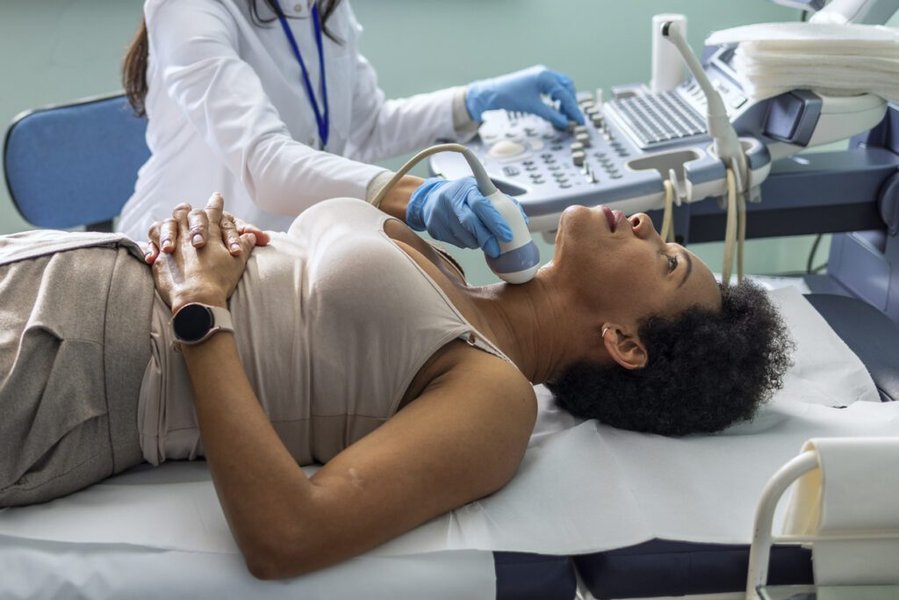
Consulting with an endocrinologist is key to developing a personalized thyroid treatment plan.
Key factors include:
- Accurate Diagnosis: Confirming the specific thyroid condition through blood tests (TSH, Free T4, Free T3, antibodies) and sometimes imaging.
- Symptom Management: Finding a treatment that effectively alleviates your specific symptoms.
- Lifestyle Factors: Considering age, pregnancy status, other medical conditions, and medications.
- Regular Follow-up: Consistent monitoring (blood tests) ensures the treatment remains effective and the dosage appropriate, preventing complications from over- or under-treatment (e.g., heart problems, bone loss).
- Patient Preference: Discussing the pros and cons of different options allows you to participate in choosing a therapy that aligns with your preferences, where appropriate.
Frequently Asked Questions (FAQ)
Is one type of hypothyroidism medication truly better than others?
Levothyroxine (synthetic T4) is the standard of care with the most robust evidence for efficacy, safety, and consistency. However, some individuals report feeling better on combination T4/T3 therapy or NDT. While large studies haven't consistently proven superiority for these alternatives, they may be considered under specialist guidance for patients who don't achieve optimal well-being on levothyroxine alone. The "best" medication is the one that effectively normalizes hormone levels and resolves symptoms for the individual patient with minimal side effects.
How long will I need thyroid treatment?
For most people with hypothyroidism (especially due to Hashimoto's or post-surgical/RAI treatment), thyroid hormone replacement therapy is lifelong. For hyperthyroidism treated with anti-thyroid drugs, some patients achieve remission and may be able to stop medication after 1-2 years, but many require long-term treatment or definitive therapy like RAI or surgery. Lifelong monitoring is usually necessary regardless of the initial treatment.
What are common side effects of thyroid medications?
Side effects usually occur if the dosage is incorrect. Too much thyroid hormone (over-treatment) can cause symptoms similar to hyperthyroidism (anxiety, palpitations, weight loss, heat intolerance, potential bone loss long-term). Too little hormone (under-treatment) results in persistent hypothyroid symptoms. Some users report initial hair thinning when starting levothyroxine, which often resolves. NDT and T3-containing therapies carry a higher risk of hyperthyroid side effects if not carefully dosed. Anti-thyroid drugs can cause rash, itching, or, rarely, more serious issues.
Should I take thyroid supplements?
Caution is advised regarding over-the-counter thyroid supplements marketed for "thyroid support." Many are not regulated, and studies have found some contain actual thyroid hormones (T3 and/or T4) not listed on the label, or high levels of iodine, which can be harmful or interfere with prescribed treatment. Always discuss any supplements with your doctor before taking them, especially if you have a thyroid condition.
References
- Underactive thyroid (hypothyroidism) - Treatment - NHS
- Hypothyroidism (underactive thyroid) - Diagnosis and treatment - Mayo Clinic
- Levothyroxine User Reviews for Hypothyroidism - Drugs.com
- Medications for Hashimoto's and Hypothyroidism - Thyroid Pharmacist
- Clinical Thyroidology for the Public March 2025 - American Thyroid Association
- Levothyroxine Oral User Reviews & Ratings - WebMD
- Why You Should Never Take Thyroid Supplements - Consumer Reports
Recommended Reading
Last updated April 24, 2025