
Impact of Thyroid Cancer Treatment on Swallowing Function
Understanding the Complex Relationship Between Thyroid Cancer Treatments and Dysphagia
Key Highlights
- Surgical Impacts: Thyroidectomy and related procedures can result in nerve damage and structural changes causing dysphagia.
- Radiation and Other Therapies: Radiation, radioactive iodine, and chemotherapy may inflame or scar tissues leading to swallowing difficulties.
- Management Strategies: Early intervention and rehabilitative therapies are essential to mitigate swallowing issues and improve quality of life.
Overview of Thyroid Cancer Treatments
Thyroid cancer is typically managed with a multidisciplinary approach that may include surgery (thyroidectomy), radiation therapy, radioactive iodine (RAI) treatment, and in some cases, chemotherapy. Each of these treatments has its own set of potential complications that can directly or indirectly affect swallowing function. Understanding the mechanisms by which these treatments impact the swallowing mechanism is essential for healthcare providers and patients alike.
Surgical Implications on Swallowing Function
Thyroidectomy and Nerve Damage
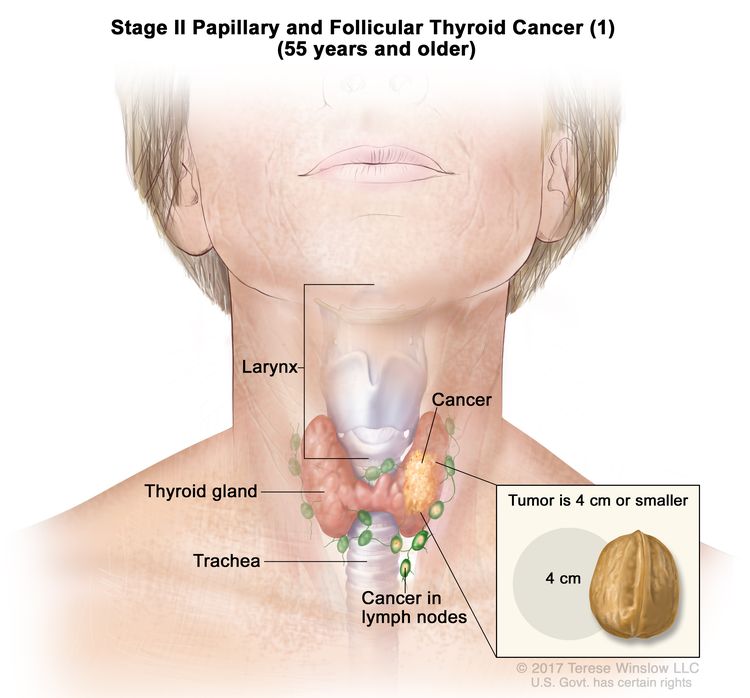
Surgical removal of the thyroid gland (thyroidectomy) is a common treatment for thyroid cancer. While thyroidectomy can be life-saving, it can also disrupt the normal anatomical and functional integrity of the neck structures, particularly affecting the nerves that play a critical role in swallowing.
Recurrent Laryngeal Nerve (RLN)
The recurrent laryngeal nerve controls the muscles that manage vocal cord movement. During thyroidectomy, this nerve is at risk of inadvertent injury. Damage to the RLN can result in hoarseness, voice changes, and dysphagia, as the coordination between swallowing and protecting the airway can be compromised.
Vagus Nerve and Other Nerve Involvements
In addition to the RLN, the vagus nerve may also be affected during the surgery. Injury to this nerve can cause broader issues with swallowing coordination, leading to symptoms such as the sensation of food sticking or incomplete swallowing.
These surgical complications are not always permanent; many patients experience gradual recovery of swallowing functions. However, persistent nerve damage can lead to long-term dysphagia that requires dedicated management.
Impact of Radiation Therapy and Radioactive Iodine Treatment
Radiation-Induced Changes
Radiation therapy is a common adjunct treatment for thyroid cancer, particularly in cases where surgery is either insufficient or combined with additional therapeutic measures. However, radiation directed at the neck can cause inflammation and scarring of the tissues surrounding the thyroid gland, including the esophagus and trachea. This inflammatory response sometimes leads to:
Esophageal Stricture
The formation of strictures (narrowings) in the esophagus due to scarring can impede the smooth passage of food, contributing to dysphagia.
Chronic Pain and Sore Throat
Persistent throat pain and soreness after radiation further exacerbate swallowing difficulties. In some patients, the tissue damage may be irreversible, necessitating long-term management strategies.
Radioactive Iodine Therapy (RAI)
Radioactive iodine is utilized in the management of thyroid cancer after surgery to eliminate residual thyroid tissue. Although effective in its primary goal, RAI can inadvertently affect the salivary glands. This often results in xerostomia (dry mouth), reducing the lubrication necessary for smooth swallowing. The subsequent changes can lead to:
- Diminished salivation, which makes the passage of food more difficult.
- Increased risk for mucosal irritation and secondary infections.
Chemotherapy’s Role and Its Impact on Swallowing
Although less commonly employed in thyroid cancer compared to other malignancies, chemotherapy can be part of the treatment regimen in certain clinical situations. The adverse effects associated with chemotherapy may include mucositis, where the lining of the mouth and throat becomes inflamed and ulcerated. This condition leads to:
Pain and Discomfort
The painful inflammation makes swallowing not only uncomfortable but also challenging, as the normal mucosal surfaces become less effective in facilitating the passage of food.
Secondary Dysphagia
Persistent mucositis may contribute to long-term swallowing difficulties, although interventions such as topical analgesics and supportive care can help alleviate these symptoms.
Overall Consequences on Swallowing Function
Regardless of the specific form of thyroid cancer treatment, many patients report a range of swallowing problems. The main complications include:
Dysphagia
Dysphagia, the term used for difficulty in swallowing, is the most commonly reported complaint. Patients often describe sensations such as food sticking to the throat or needing extra effort to swallow. Swallowing difficulties may fluctuate over time; some resolve as healing occurs, while others persist.
Aspiration and Choking
In cases where nerve damage or muscular dysfunction is significant, aspiration (the inhalation of food or liquids into the airway) can occur. This not only makes swallowing dangerous but also increases the risk of developing pneumonia and other respiratory complications.
Globus Sensation
Many patients report a persistent feeling of a lump in the throat—a symptom known as globus sensation. This phenomenon, while not always linked to an actual physical obstruction, contributes to the discomfort and anxiety surrounding meals.
Dry Mouth (Xerostomia)
Dry mouth is a side effect most commonly associated with RAI therapy and some forms of chemotherapy. Without sufficient saliva, food cannot be properly moistened, further complicating the swallowing process.
Management and Rehabilitation Strategies
Given the important impact of thyroid cancer treatments on swallowing function, multidisciplinary strategies are essential in managing these complications. A combination of dietary modifications, therapeutic interventions, and regular follow-up care ensures that patients maintain an optimal quality of life.
Swallowing Therapy
Speech-language pathologists play a crucial role in the rehabilitation of patients experiencing dysphagia. Customized swallowing therapy may include:
Exercises and Maneuvers
Specific techniques, such as the Mendelsohn maneuver and the supraglottic swallow, help improve coordination and strength of the muscles responsible for swallowing. These exercises are tailored to address individual deficiencies and limitations.
Postural Adjustments
Changing the posture during swallowing can minimize the risk of aspiration. Simple adjustments such as tucking the chin or altering head positions can make a significant difference.
Dietary Modifications
To compensate for difficulties in swallowing, healthcare providers often recommend:
Texture-Modified Diets
Foods may be altered to softer, pureed forms, or thickened liquids to facilitate easier swallowing. This strategy minimizes the risk of choking and aspiration.
Frequent Small Meals
Spreading out meals into smaller, more manageable portions can help reduce fatigue and enable better control during swallowing.
Medications and Supportive Care
In addition to rehabilitative exercises, medications may be utilized to address symptoms such as dry mouth and inflammation. These can include saliva substitutes, anti-inflammatory medications, and pain relievers. Regular evaluation by an interdisciplinary care team ensures that these interventions continue to be effective and appropriately adjusted over time.
Comparative Overview Table
| Therapy/Treatment | Mechanism Impacting Swallowing | Common Symptoms | Management Strategies |
|---|---|---|---|
| Surgery (Thyroidectomy) | Nerve damage (RLN and vagus nerve) and tissue disruption | Dysphagia, aspiration, globus sensation | Swallowing exercises, speech therapy, close monitoring |
| Radiation Therapy | Inflammation and scarring of throat and esophageal tissues | Dry throat, esophageal strictures, chronic pain | Diet modification, postural changes, pharmacological support |
| Radioactive Iodine (RAI) | Impact on salivary glands leading to xerostomia | Dry mouth, difficulty in food passage | Saliva substitutes, hydration, dietary adjustments |
| Chemotherapy | Mucositis causing inflammation of oral and throat tissues | Pain, swelling, increased risk of infection | Pain management, topical treatments, supportive care |
Follow-Up and Continuous Monitoring
Regular follow-up appointments are crucial for patients undergoing thyroid cancer treatment. Monitoring swallowing function not only aids in the early detection of complications but also provides data that can guide further therapeutic interventions. Health professionals, including endocrinologists, oncologists, and speech-language pathologists, work collaboratively to adjust treatment plans based on the patient’s recovery progress or the emergence of new symptoms. Early intervention in persistent dysphagia can prevent complications such as malnutrition, dehydration, and respiratory issues.
Patient Education and Self-Care
Empowering patients with knowledge about potential swallowing issues is a vital aspect of comprehensive care. Patients should be advised to:
- Report any changes in swallowing function immediately to their healthcare provider.
- Practice prescribed swallowing exercises consistently.
- Follow dietary recommendations to minimize discomfort during meals.
- Undergo regular assessments to monitor recovery and adjust interventions as needed.
This proactive approach helps mitigate the impact of treatment on daily life and supports overall health and nutritional status.
Emerging Innovations in Managing Dysphagia
Research into the rehabilitation of swallowing function post-thyroid cancer treatment is continuously evolving. Some emerging areas include:
Neural Regeneration and Advanced Surgical Techniques
Innovations in surgical techniques aim to minimize nerve damage during thyroidectomy. Additionally, research into the potential for neural regeneration holds promise for improvements in restoring swallowing function after nerve injury.
Novel Therapeutic Approaches
New pharmacological agents targeting inflammation and scarring in the throat and esophagus are under investigation. Advances in radiotherapy techniques, such as intensity-modulated radiation therapy (IMRT), offer the possibility of reducing collateral tissue damage and subsequent dysphagia.
References
- Thyroid Cancer Treatment (PDQ®) - NCI
- Thyroid Cancer - Symptoms & Causes - Mayo Clinic
- Dysphagia in Cancer Patients - MD Anderson
- Patient-Reported Dysphagia After Thyroidectomy - JAMA Network
- Swallowing Disorders After Thyroidectomy - PubMed
Related Queries for Further Exploration
Last updated March 22, 2025