
Unlock Fluency: Your Ultimate Guide to Mastering the German Language in 2025
Discover the most effective, combined strategies to learn German efficiently, from fundamentals to real-world immersion.
Embarking on the journey to learn German? You're in the right place! While there's no single magic bullet universally crowned the "best" way, success hinges on finding a personalized blend of strategies that resonate with your learning style, goals, and schedule. The consensus among language experts and successful learners points towards a multifaceted approach combining structured study, consistent practice, immersive experiences, and leveraging modern resources.
Key Insights for Effective German Learning
- Consistency is Crucial: Regular, focused study sessions, even short daily ones, are far more effective for long-term retention than infrequent cramming. Make German a part of your daily routine.
- Embrace Immersion: Surround yourself with the German language and culture as much as possible. This accelerates learning by making it practical and meaningful, even without traveling abroad.
- Combine Structured Learning with Active Practice: Build a solid foundation with grammar and vocabulary, but actively use the language through speaking, writing, and real-world interaction from the beginning.
Building Your German Foundation: Mastering the Essentials
A strong start is essential for navigating the complexities of German. Focus on these core areas early on:
Alphabet and Pronunciation
Begin by familiarizing yourself with the German alphabet and its specific sounds. Many sounds differ from English, and mastering pronunciation early will significantly boost your listening comprehension and speaking confidence. Resources like online pronunciation guides and audio lessons are invaluable here.
Core Grammar Concepts
German grammar can seem daunting initially, but understanding the basics is key. Focus on:
- Noun Genders (der, die, das): Unlike English, German nouns have grammatical genders. A crucial tip is to always learn the gender (and article) along with the noun itself. Treat "der Tisch" (the table) or "die Tür" (the door) as single vocabulary units.
- Cases (Nominative, Accusative, Dative, Genitive): Understand how nouns and pronouns change form depending on their function in a sentence. Start with nominative and accusative, then gradually incorporate dative and genitive.
- Verb Conjugation: Learn how verbs change based on the subject (ich, du, er/sie/es, etc.) and tense. Pay attention to both regular (weak) and irregular (strong) verbs.
- Sentence Structure (Word Order): German word order can be flexible but follows specific rules, especially regarding verb placement (often in the second position in main clauses).
Don't get bogged down trying to perfect grammar immediately, but build a solid understanding through structured lessons and contextual examples.
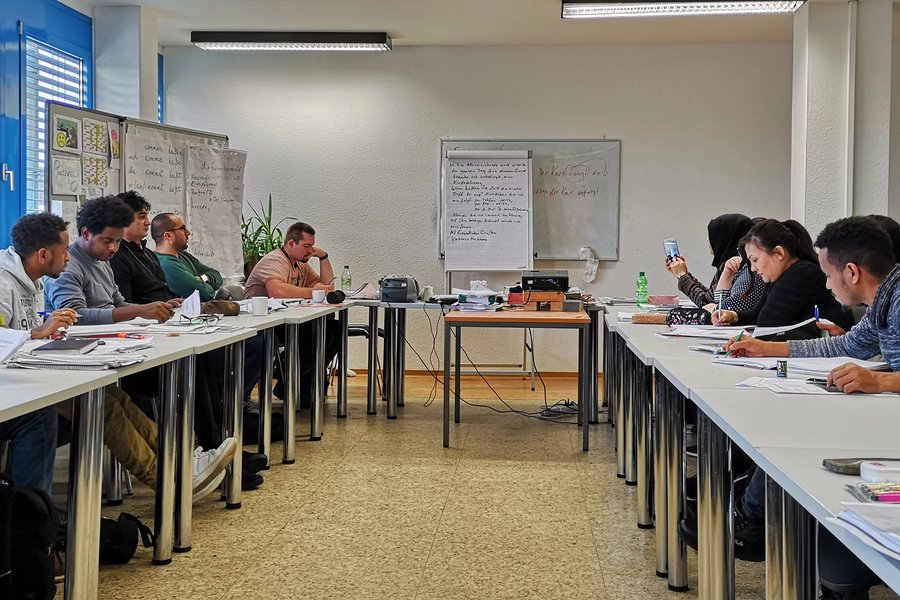
Structured learning in a classroom setting provides foundational grammar and vocabulary.
Vocabulary Acquisition
Building a robust vocabulary is ongoing. Effective strategies include:
- Contextual Learning: Learn words within phrases or sentences, not just in isolation. This helps with understanding usage and recall.
- Thematic Grouping: Organize vocabulary by themes (e.g., food, travel, work, hobbies).
- Spaced Repetition Systems (SRS): Use flashcard apps like Anki or Memrise, which utilize algorithms to show you words just before you're likely to forget them.
- High-Frequency Words: Prioritize learning the most common German words first, as they form the backbone of everyday communication. Aim for 10-20 new words daily.
Structuring Your Learning Journey
A systematic approach keeps you organized and motivated.
Set Clear Goals and Create a Study Plan
Define *why* you want to learn German (travel, work, study, personal interest) and set specific, measurable, achievable, relevant, and time-bound (SMART) goals. Examples include mastering A1 level in 2 months, holding a basic conversation in 6 months, or passing the B1 exam in a year. Break down your learning into manageable categories (grammar, vocabulary, listening, speaking, reading, writing) and schedule regular study sessions.
Choose Your Learning Path
Consider different learning formats:
- Structured Courses: Online or in-person courses (e.g., from the Goethe-Institut, local language schools, or platforms like Lingoda) provide a curriculum, expert guidance, and often, opportunities for interaction.
- Self-Study: Utilize textbooks, workbooks, websites (DW Learn German, BBC German), and apps. This requires discipline but offers flexibility.
- Private Tutoring: Platforms like iTalki connect you with native-speaking tutors for personalized lessons and speaking practice.
- Language Learning Apps: Tools like Duolingo, Babbel, Busuu, and Drops offer gamified learning, ideal for vocabulary building and basic grammar practice on the go.
Often, a combination of these methods yields the best results. For example, supplement a structured course with daily app usage and weekly tutoring sessions.
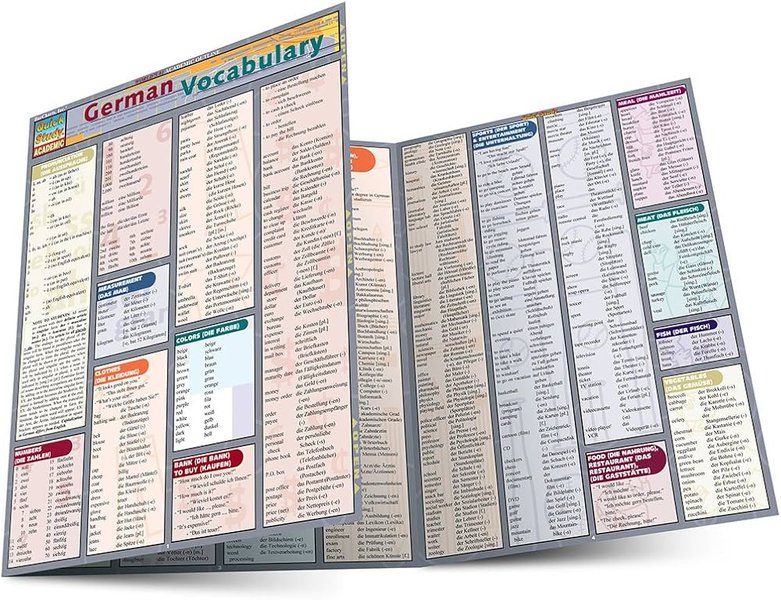
Utilizing reference materials and structured guides is essential for systematic learning.
Immerse Yourself: Living the Language
Immersion is widely regarded as one of the most effective ways to accelerate fluency. It involves surrounding yourself with German in your daily life.
Digital Immersion
- Media Consumption: Watch German movies, TV series (check Netflix or specialized platforms like Lingopie), and YouTube channels. Start with subtitles in your native language, then switch to German subtitles, and eventually, no subtitles.
- Audio Exposure: Listen to German music across various genres and podcasts aimed at learners (e.g., Slow German, Coffee Break German) or native speakers on topics you enjoy.
- Reading Materials: Start with children's books, graded readers, or news websites for learners (like DW Langsam gesprochene Nachrichten). Gradually move to authentic materials like magazines (*Der Spiegel*), newspapers, and novels.
- Change Device Language: Switch your phone, computer, and social media settings to German for constant exposure to practical vocabulary.
Cultural Engagement
- Explore German Culture: Learn about German traditions, history, food, and current events. This provides context and makes the language more relevant.
- Connect with Communities: Join online forums, social media groups for German learners, or local German clubs (Vereine) or meetups (Sprachcafés) if available.
- Interactive Fun: Play German-language board games or video games to practice vocabulary and communication skills in a relaxed setting.
Physical Immersion (If Possible)
Spending time in a German-speaking country (Germany, Austria, Switzerland) offers the ultimate immersion experience. Studying abroad, working, or even traveling allows for constant real-world practice and cultural integration.
Active Practice: Using What You Learn
Knowledge becomes skill through active use.
Speak, Speak, Speak!
This is often the most intimidating part, but it's crucial for fluency. Don't be afraid to make mistakes – they are part of the learning process.
- Language Partners: Use apps like Tandem or HelloTalk, or websites like iTalki to find native German speakers for language exchange conversations.
- Talk to Yourself: Narrate your daily activities in German, practice dialogues, or simply repeat phrases aloud.
- Join Conversation Groups: Participate in online or local conversation clubs or classes focused on speaking.
- Real-World Scenarios: If possible, practice ordering food, asking for directions, or making small talk in German.
Write Regularly
Writing helps solidify grammar and vocabulary.
- Journaling: Keep a simple diary in German about your day or thoughts.
- Messaging: Chat with language partners or friends in German.
- Exercises: Complete writing exercises from textbooks or online resources.
Visualizing Learning Strategies: A Mindmap Overview
To help conceptualize the interconnectedness of effective German learning techniques, here is a mindmap summarizing the key areas discussed:
(Genders, Cases, Verbs, Word Order)"] id1c["Vocabulary Building
(Context, SRS, Themes)"] id2["Structured Learning"] id2a["Set Goals & Plan"] id2b["Choose Path
(Courses, Self-Study, Tutor)"] id2c["Use Resources
(Books, Websites, Apps)"] id3["Immersion Strategies"] id3a["Digital Immersion
(Media, Audio, Reading, Device Lang)"] id3b["Cultural Engagement
(Culture, Communities, Games)"] id3c["Physical Immersion
(Travel, Study Abroad)"] id4["Active Practice"] id4a["Speaking
(Partners, Self-Talk, Groups)"] id4b["Writing
(Journaling, Messaging, Exercises)"] id4c["Listening & Reading
(Active Engagement)"] id5["Consistency & Mindset"] id5a["Regular Practice"] id5b["Patience & Persistence"] id5c["Embrace Mistakes"] id5d["Tailor to Learning Style"]
This mindmap illustrates how mastering the fundamentals, structuring your study, immersing yourself, actively practicing, and maintaining consistency all contribute to successful German language acquisition.
Comparing German Learning Approaches: A Radar Chart Analysis
Different methods for learning German offer distinct advantages and disadvantages. This radar chart provides a visual comparison of common approaches based on key factors. Note that these ratings are generalized estimations and individual experiences may vary.
As the chart illustrates, self-study methods excel in flexibility and cost-effectiveness but may lack structure and interaction. Online courses offer a balance, while private tutors provide high interaction and feedback but at a higher cost. Full immersion offers the highest potential for speed and authentic interaction but requires significant commitment and resources. The ideal approach often involves combining elements from different methods.
Choosing Your German Learning Toolkit
A wide array of resources can aid your German studies. This table compares different types of tools:
| Resource Type | Typical Cost | Interactivity | Structure | Feedback | Flexibility | Best For |
|---|---|---|---|---|---|---|
| Language Apps (Duolingo, Babbel, Memrise) | Free / Freemium / Subscription | High (Gamified) | Moderate | Automated | High | Vocabulary, Basic Grammar, On-the-go learning |
| Websites (DW Learn German, FluentU) | Free / Subscription | Moderate (Exercises) | Moderate to High | Automated / Limited | High | Structured lessons, Listening/Reading Practice, Cultural Context |
| Textbooks & Workbooks | Moderate (One-time purchase) | Low (Self-directed) | High | None (Self-checked) | High | In-depth Grammar, Structured Progression |
| Online Courses (Goethe, Lingoda) | Moderate to High (Subscription / Course Fee) | High (Live classes / Peer interaction) | High | High (Teacher / Peers) | Moderate to High | Comprehensive learning, Certification Prep, Speaking Practice |
| Private Tutors (iTalki) | High (Per hour) | Very High | Customizable | Very High (Personalized) | High | Personalized feedback, Speaking fluency, Specific needs |
| Immersion Programs | Very High (Tuition, Travel, Living) | Very High | Varies (Course component) | High (Real-world) | Low (Requires relocation) | Rapid fluency, Cultural integration, Real-world practice |
| Language Exchange Partners (Tandem, HelloTalk) | Free | Very High | Low (Self-directed) | Moderate (Peer correction) | High | Conversational practice, Cultural exchange, Informal learning |
Selecting the right mix of resources depends on your budget, learning preferences, and goals. Many learners find success by combining free apps and websites with a structured course or tutoring for speaking practice.
Guidance from Experienced Learners: Video Insights
Hearing from others who have successfully learned German can provide valuable motivation and practical tips. This video offers a comprehensive guide for beginners, outlining steps and strategies for getting started effectively.
The video covers essential aspects like setting realistic expectations, focusing on foundational elements like pronunciation and basic grammar, utilizing effective resources, and emphasizing the importance of consistent practice and immersion – reinforcing many of the strategies discussed here.
Frequently Asked Questions (FAQ)
+ How long does it take to learn German?
The time required varies greatly depending on factors like your native language, previous language learning experience, time dedicated, learning methods, and desired proficiency level. Reaching a conversational level (B1 on the CEFR scale) typically takes around 600-750 hours of dedicated study. Reaching higher fluency (B2/C1) can take significantly longer, often 1-2 years or more with consistent effort.
+ Is German a difficult language to learn for English speakers?
German and English share Germanic roots, meaning there are many similar words (cognates) and some structural similarities. However, German grammar, particularly noun genders, the case system, and complex sentence structures, can pose challenges for English speakers. Pronunciation also requires specific attention. While challenging in some aspects, it's generally considered moderately difficult for native English speakers compared to learning languages from entirely different families.
+ What is the single most important thing for learning German?
While many factors contribute, consistency is arguably the most critical element. Regular, even short, periods of study and practice are far more effective than sporadic, intensive sessions. Making German a consistent part of your routine helps build momentum and ensures steady progress over time.
+ How important is learning noun genders (der, die, das)?
Learning noun genders is very important for grammatical accuracy in German. Genders affect the articles (der, die, das), adjectives, and pronouns associated with the noun. While native speakers might understand you if you use the wrong gender, consistently incorrect usage will sound unnatural and can sometimes lead to confusion. It's highly recommended to learn the gender with every new noun from the beginning.
+ Can I learn German just by using apps?
Apps are excellent tools for building vocabulary, practicing basic grammar, and maintaining consistency, especially for beginners. However, relying solely on apps might limit your development in crucial areas like conversational fluency, nuanced grammar understanding, writing skills, and authentic listening comprehension. For a well-rounded proficiency, it's best to supplement app usage with other methods like speaking practice, reading diverse materials, listening to native content, and possibly structured courses or tutoring.
Recommended Next Steps
Continue your exploration with these related topics:
- What are the most effective strategies for memorizing German noun genders?
- Explore the best online immersion programs for learning German without traveling.
- Discover a detailed comparison between Duolingo and Babbel for German language learners.
- Learn how to safely and effectively find language exchange partners to practice speaking German.
References
Last updated May 4, 2025