
Unlock Your Inner Innovator: Proven Strategies to Supercharge Your Creativity
Discover actionable techniques backed by science and expert advice to enhance your creative thinking and problem-solving skills.
Highlights: Key Insights to Boost Your Creativity
- Creativity is a Skill: It's not just an innate talent but a capability that can be actively developed and strengthened through consistent practice and targeted strategies.
- Mind & Body Connection: Physical activity (like walking), adequate rest, mindfulness practices, and a positive mood significantly impact your ability to think creatively and generate novel ideas.
- Environment Matters: Your surroundings, exposure to new experiences, and collaborative interactions play a crucial role in stimulating imagination and fostering innovative solutions.
Understanding and Cultivating Your Creative Potential
Creativity is the engine of innovation, driving progress in every field, from arts and sciences to business and personal life. It's the ability to perceive the world in new ways, find hidden patterns, make connections between seemingly unrelated phenomena, and generate solutions. Contrary to popular belief, creativity isn't reserved for a select few; it's a fundamental human capacity that can be nurtured and significantly enhanced. By understanding the mechanisms behind creative thought and implementing proven strategies, you can unlock greater innovative potential.
Harnessing Physical Well-being and Environment for Inspiration
Your physical state and the environment you inhabit profoundly influence your creative output. Engaging your body and optimizing your surroundings can create fertile ground for new ideas.
Movement as a Catalyst
The Power of Walking
Research consistently shows a strong link between walking and enhanced creativity. Studies, including notable work from Stanford University, indicate that walking, particularly outdoors, can boost creative output significantly compared to sitting. The rhythmic, low-intensity nature of walking seems to allow the mind to wander freely, fostering divergent thinking – the ability to generate multiple unique ideas. Incorporating short walks into your routine, especially before brainstorming or tackling a creative challenge, can be remarkably effective.
General Physical Activity
Beyond walking, regular aerobic exercise contributes to overall cognitive health, which indirectly supports creativity. Exercise improves mood, reduces stress, and can provide a temporary boost in cognitive functions like problem-solving and creative thinking for a few hours post-activity. Staying active builds resilience, helping you navigate the frustrations often encountered during the creative process.
Optimizing Your Creative Space
Environmental Stimulation
Your workspace and general surroundings can either stifle or stimulate creativity. Intentionally designing your environment can make a difference. Surround yourself with objects, art, or imagery that inspires you or provokes thought. Even simple changes, like working in a different location occasionally (a coffee shop, library, or park), can break routine and trigger fresh perspectives.
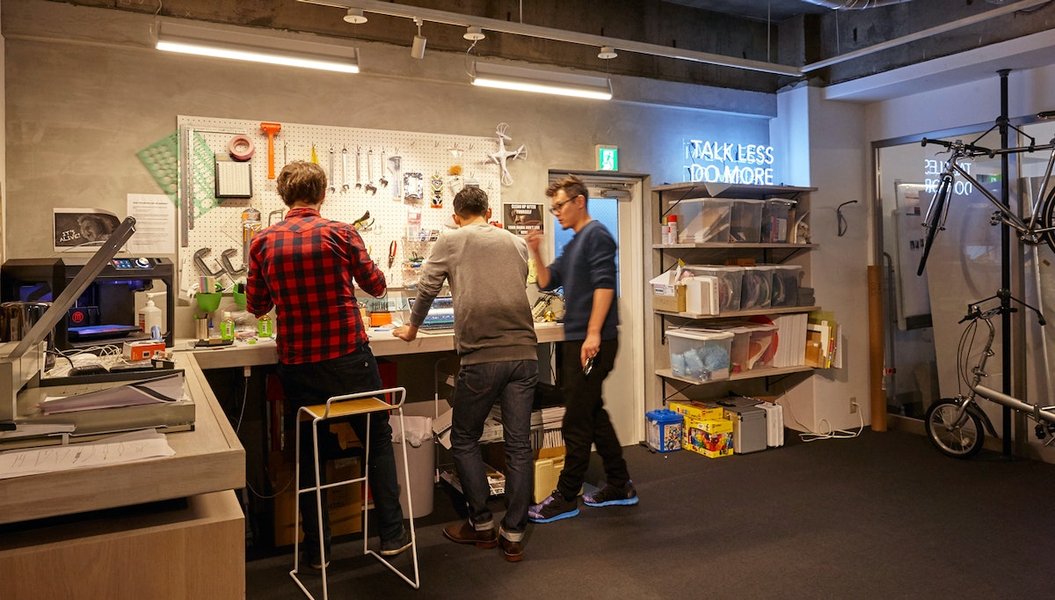
A well-designed, flexible workspace can foster collaboration and inspire creativity.
Biophilic Design and Sensory Engagement
Incorporating elements of nature into your environment—known as biophilic design—has been shown to positively impact creativity. Access to natural light, the presence of indoor plants, and even nature-themed artwork can reduce stress and enhance focus. Studies suggest that workplaces incorporating these elements see boosts in creativity. Furthermore, actively engaging your five senses—sight, sound, smell, taste, and touch—can ground you in the present moment and spark imagination. Visiting places rich in sensory experiences, like museums, gardens, or markets, can be particularly stimulating.
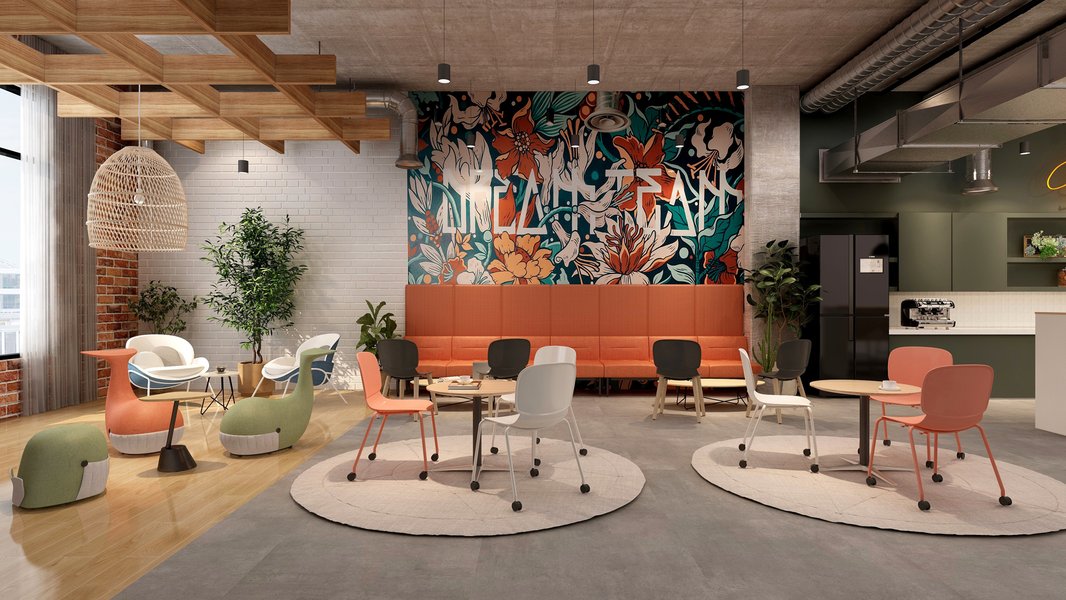
Integrating plants and natural light into office design can enhance well-being and creativity.
Mental Strategies and Daily Habits for Creative Flow
Cultivating creativity involves consistent mental practices and habits that train your brain to think differently and make novel connections.
Mindfulness, Mood, and Rest
The Role of Positive Mood and Mindfulness
A positive emotional state is strongly linked to enhanced creativity. Practices like daily gratitude and mindfulness meditation help cultivate a positive outlook, reduce stress, and increase self-awareness. Mindfulness, especially open-monitoring meditation (observing thoughts without judgment), improves cognitive flexibility and divergent thinking. A good mood broadens your thought patterns, making you more open to new ideas, whereas stress and negative moods tend to promote analytical, convergent thinking.
Prioritizing Rest and Sleep
Adequate rest is crucial for creative thinking. Sleep, particularly REM sleep, helps consolidate memories, process information subconsciously, and can lead to insightful solutions upon waking—the classic "sleeping on it" phenomenon. Even short naps can replenish mental energy and boost alertness for creative tasks. Fatigue, conversely, hinders complex thought processes.
Active Idea Generation and Cultivation
Making Dedicated Time
Creativity often needs space to breathe. Schedule specific, uninterrupted blocks of time dedicated to creative pursuits, brainstorming, or simply allowing your mind to wander ("non-time"). Protecting this time from distractions allows for deeper immersion and the emergence of a flow state.
Continuous Learning and Curiosity
A curious mind is a creative mind. Actively seek out new knowledge and experiences. Read broadly, take courses in unrelated fields, explore new hobbies, and indulge your natural curiosity about how things work. Exposure to diverse information provides the raw material for novel connections.
Capturing Ideas: The Power of Journaling
Inspiration can strike at any moment. Keep a dedicated notebook, journal, or digital file to capture ideas, observations, and insights as they occur. Regularly reviewing these notes can reveal patterns, spark new thoughts, or provide solutions to current challenges. Even seemingly random or "bad" ideas can be valuable starting points.
Embracing New Perspectives
Actively challenge your own assumptions and try to look at problems from different angles. Step outside your usual routine and seek novel experiences. Consider how someone in a completely different industry might tackle your problem. Creating psychological distance—imagining the problem originated far away or will be solved in the distant future—can also unlock more creative solutions by reducing cognitive biases.
The Benefit of Breaks and Incubation
When facing a creative block, stepping away can be highly effective. Take a break, go for that walk, engage in a relaxing activity, or switch to a different task. This allows your subconscious mind to continue working on the problem (incubation), often leading to breakthroughs when you return. Delaying final decisions after an initial brainstorming phase can leverage this effect, known as the Zeigarnik effect, where the mind remains engaged with unresolved issues.
Using Constraints Creatively
While freedom seems conducive to creativity, constraints can paradoxically boost innovation. Limitations force you to think outside the box and devise unconventional solutions. Setting deliberate constraints (e.g., limited budget, time, materials, or specific requirements) can focus your thinking and lead to more resourceful outcomes.
Leveraging Social Interaction and Collaboration
Creativity is often amplified through interaction with others. Sharing ideas, receiving feedback, and collaborating can lead to outcomes greater than the sum of their parts.
The Power of Diverse Networks
Engaging with people from diverse backgrounds, fields, and perspectives exposes you to new ways of thinking and challenges your assumptions. Building a varied social and professional network provides a rich source of inspiration and potential collaborators. Regular interactions, even informal ones, can spark cross-pollination of ideas.
Collaborative Brainstorming and Feedback
Working together on creative challenges can generate a wider range of ideas. Structured brainstorming sessions, where ideas are generated freely before being evaluated, are common tools. Techniques like brainwriting (where participants write ideas down individually first) can ensure quieter voices are heard. Seeking constructive feedback from trusted peers or mentors is also vital. Honest critique can help refine ideas and overcome blind spots. Finding your "tribe"—a supportive group that offers genuine feedback—is invaluable.
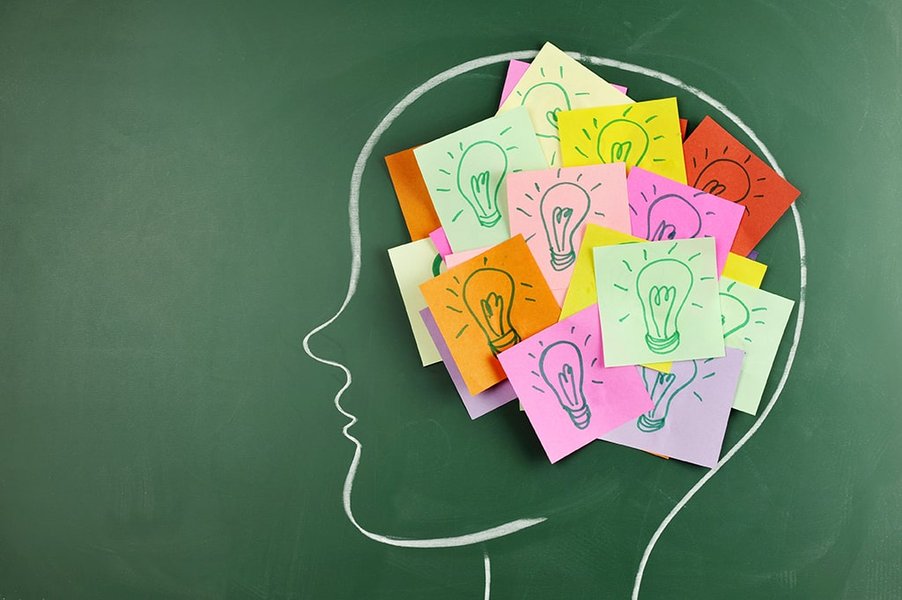
Collaborative brainstorming fosters diverse perspectives and collective problem-solving.
Cultivating a Creative Mindset
Your internal attitude and approach towards creativity significantly influence your ability to generate and pursue new ideas.
Embracing Risk and Imperfection
Creativity inherently involves stepping into the unknown and taking risks. Not every idea will succeed, and fear of failure or judgment can be paralyzing. Cultivate a willingness to experiment, try new things, and accept that imperfection is part of the process. Building confidence in your own abilities, independent of external validation or comparison to others, is key.
Playfulness and Experimentation
Approaching creative tasks with a sense of play and experimentation can lower the stakes and unlock more imaginative thinking. Allow yourself to be curious, try unconventional approaches, and don't worry about finding the "right" answer immediately. Sometimes, exploring "terrible ideas" can unexpectedly lead to viable solutions.
Visualizing Creativity Boosters: Relative Impact
While all strategies contribute to creativity, their perceived impact can vary. This radar chart offers a conceptual visualization of the relative emphasis placed on different categories of creativity boosters, based on common themes in research and expert advice. Higher scores indicate areas often highlighted for their significant potential impact.
This visualization suggests that factors like continuous learning, physical activity, dedicated time/rest, and mindfulness often receive strong emphasis as powerful creativity enhancers, while structured techniques and social collaboration, though valuable, might be seen as slightly more context-dependent or supplementary by some sources.
Mapping the Pathways to Enhanced Creativity
This mindmap provides a visual overview of the interconnected strategies discussed for boosting creativity, organized into key themes. It highlights how different approaches—from physical habits to mental shifts—work together to foster innovation.
This map illustrates the multifaceted nature of creativity enhancement, showing that improvement comes from a holistic approach involving physical well-being, mental habits, social interactions, and a growth-oriented mindset.
Creative Thinking Exercises in Action
Sometimes, structured exercises can help break mental patterns and stimulate new ideas. This video provides several practical exercises designed to challenge your thinking and boost your creative muscles. Techniques like these can be valuable tools when you feel stuck or want to explore a problem from a completely different angle.
The video showcases exercises that encourage divergent thinking, flexibility, and novel connections – core components of creativity. Incorporating such exercises regularly can make creative thinking feel more natural and accessible.
A Toolkit of Creative Techniques
Beyond general strategies, specific techniques can be employed individually or in groups to systematically generate and refine ideas. Here’s a table summarizing some popular creativity techniques:
| Technique | Description | Best Used For |
|---|---|---|
| Brainstorming | Generating a large quantity of ideas in a group setting without initial criticism. Focus is on quantity over quality initially. | Initial idea generation, group problem-solving. |
| Brainwriting | Participants write down ideas individually on paper or digitally before sharing. Ideas are often passed around for others to build upon. | Ensuring equal participation, reducing influence of dominant personalities. |
| Mind Mapping | Visually organizing information around a central concept using branches for related ideas and sub-ideas. | Exploring connections, structuring thoughts, planning projects. |
| SCAMPER | A checklist of questions to transform existing ideas: Substitute, Combine, Adapt, Modify, Put to another use, Eliminate, Reverse. | Improving existing products/services, finding new applications. |
| Six Thinking Hats | A method where participants metaphorically wear different colored "hats" representing distinct modes of thinking (e.g., facts, feelings, caution, benefits, creativity, process). | Ensuring comprehensive evaluation of ideas, structured group discussion. |
| Random Word Association | Selecting a random word and forcing connections between it and the problem at hand to spark new angles. | Breaking fixed thinking patterns, generating unusual ideas. |
| Storyboarding | Visually mapping out a process, narrative, or user experience step-by-step using images or sketches. | Visualizing processes, developing narratives, user experience design. |
| Negative Brainstorming | Focusing on how to cause a problem or make something fail, then reversing those ideas to find solutions. | Identifying potential pitfalls, finding robust solutions. |
Experimenting with these techniques can provide structured ways to approach creative challenges and unlock innovative solutions.
Frequently Asked Questions (FAQ)
Is creativity an innate talent or a learned skill?
While some individuals may have a natural inclination towards creative thinking, research overwhelmingly suggests that creativity is primarily a skill that can be developed and enhanced through practice, learning specific techniques, and cultivating conducive habits and mindsets. Like a muscle, it strengthens with consistent effort.
How does stress affect creativity?
Stress generally hinders creativity. It tends to narrow focus and promote analytical, convergent thinking, making it harder to access the broad, associative thinking required for generating novel ideas. Managing stress through techniques like mindfulness, exercise, and taking breaks is crucial for maintaining creative flow.
Can changing my environment really boost creativity?
Yes, environment plays a significant role. Breaking routine by changing your physical location, even temporarily, can stimulate new perspectives. Additionally, optimizing your regular workspace with inspiring elements, natural light, and plants (biophilic design) can reduce stress and foster a more creative mindset.
What's the connection between walking and creativity?
Studies show that walking, compared to sitting, significantly boosts divergent thinking (generating many ideas). The mechanism isn't fully understood but may involve increased blood flow to the brain, the freeing effect of rhythmic movement, and potentially changes in cognitive control that allow for freer association of ideas.
Recommended
- How does mindfulness meditation specifically impact creative problem-solving?
- What are examples of using constraints to boost innovation in business?
- Compare the effectiveness of different brainstorming techniques for team creativity.
- What is the role of sleep and dreaming in creative breakthroughs?
References
Last updated May 5, 2025