
Unlock Your Calm: Master the Art of De-Stressing After Work
Discover effective, science-backed strategies to transition from workplace pressure to personal peace and recharge your mind and body.
Leaving the stresses of the workday behind is essential for maintaining your mental, emotional, and physical health. Constantly carrying work tension into your personal life can lead to burnout, disrupt sleep, and negatively impact relationships. Fortunately, adopting simple yet powerful techniques can help you effectively unwind, restore balance, and foster overall well-being. Creating a conscious shift from "work mode" to "relaxation mode" allows you to recharge, improving both your personal life and your productivity when you return to work.
Essential Insights for Post-Work Relaxation
- Establish Transition Rituals: Creating routines like changing clothes, taking a walk, or listening to specific music signals to your brain that the workday is over, facilitating mental detachment.
- Prioritize Physical Movement: Even brief exercise, such as a short walk or stretching, releases endorphins, combats stress hormones like cortisol, and eases physical tension built up during the day.
- Practice Mindfulness & Disconnection: Techniques like meditation, deep breathing, or journaling help calm the nervous system, while setting firm boundaries with work communications prevents stress from creeping back in.
Embrace Physical Activity to Melt Away Tension
Move Your Body, Free Your Mind
One of the most consistently recommended and scientifically supported methods for combating post-work stress is physical activity. Exercise acts as a natural antidote to stress by releasing endorphins, the body's natural mood elevators, and helping to regulate cortisol levels. You don't need an intense gym session; even moderate movement can make a significant difference.
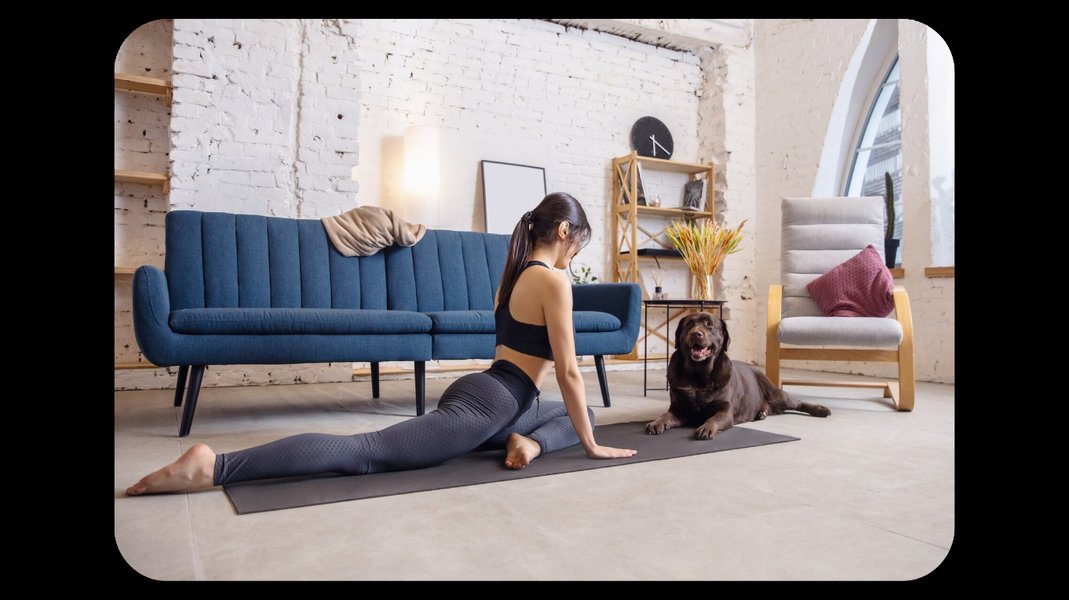
Engaging in activities like yoga combines physical movement with mindfulness, aiding relaxation.
Go for a Walk or Jog
A simple walk or jog, especially outdoors, can be incredibly effective. Spending time in nature has additional mood-boosting benefits. Just 10-20 minutes of walking can help clear your head, reduce muscle tension, and provide a distinct break between your work and personal life.
Try Yoga or Stretching
Yoga, tai chi, or simple stretching routines are excellent for easing physical tension stored in the muscles (like neck and shoulder tightness common with desk jobs). These practices often incorporate mindful breathing, further enhancing their stress-reducing effects.
Engage in Activities You Enjoy
The key is consistency, so choose activities you genuinely like. This could be dancing, gardening, playing a sport, or cycling. Enjoyment makes it more likely you'll stick with the routine and reap the long-term benefits.
Cultivate Mental Calm and Detachment
Techniques to Quiet the Noise
Actively calming your mind is just as important as relaxing your body. Mental relaxation techniques help you process the day's events, detach from work concerns, and transition into a more peaceful state.
Mindfulness and Meditation
Practicing mindfulness involves focusing on the present moment without judgment. Meditation, even for just 5-10 minutes, can significantly lower stress and anxiety. Guided meditation apps or videos can be helpful starting points. Focus on your breath, observing thoughts without getting carried away by them. This practice helps calm the nervous system and reduces heart rate.
Deep Breathing Exercises
Deep, diaphragmatic breathing activates the body's natural relaxation response (the parasympathetic nervous system). Try the 4-7-8 technique: inhale quietly through your nose for 4 seconds, hold your breath for 7 seconds, and exhale completely through your mouth for 8 seconds. Repeat a few times to feel an immediate sense of calm.
Journaling for Clarity
Writing down your thoughts and feelings can be a powerful way to release pent-up stress. You can vent about challenges, reflect on accomplishments, or practice gratitude by listing things you appreciate. Journaling helps organize your thoughts, provides perspective, and prevents rumination on work issues.
Guided Meditation for Post-Work Transition
Guided meditations are specifically designed to help ease the transition from a busy, potentially stressful workday to a calmer personal space. This short video offers a simple guided practice you can incorporate into your routine.
Taking just a few minutes for a guided session like this can help reset your mental state, allowing you to leave work thoughts behind and be more present in your evening.
Establish Clear Boundaries and Rituals
Signal the End of the Workday
Creating distinct transitions between work and personal life is crucial for psychological detachment – the process of mentally disconnecting from job-related thoughts and feelings. Rituals act as powerful cues to your brain that it's time to switch gears.
Create a Transition Routine
Simple actions can signify the end of work. Consider:
- Changing out of your work clothes immediately upon arriving home.
- Taking a warm shower or bath to wash away the day's stresses.
- Making a calming cup of herbal tea or a specific non-work beverage.
- Listening to a particular playlist or podcast reserved for unwinding.
Set Digital Boundaries
Resist the urge to check work emails or messages after hours. Turn off notifications or designate specific "tech-free" periods in the evening. This "mini tech detox" allows your brain to fully disengage from work demands and reduces the likelihood of stress triggers interfering with your relaxation time.
Schedule Downtime
Treat relaxation as a necessary appointment. Proactively schedule time for unwinding activities, just as you would schedule a meeting. This ensures that de-stressing doesn't become an afterthought but a prioritized part of your day.
Engage Your Senses and Interests
Hobbies, Socializing, and Creating a Calm Space
Engaging activities that capture your interest and creating a soothing environment can significantly contribute to de-stressing.
Pursue Hobbies and Creative Outlets
Dedicating time to activities you love provides a sense of fulfillment and distraction from work pressures. Consider:
- Creative pursuits: Cooking, baking, painting, drawing, playing a musical instrument, knitting, or crafting.
- Relaxing activities: Reading a book, listening to music or podcasts (non-work related), solving puzzles, or engaging in adult coloring books.
Connect Socially
Talking to friends, family, or partners provides emotional support and helps you process stress. Sharing your day (or consciously avoiding work talk) can shift your perspective and foster feelings of connection, combating isolation.
Create a Soothing Home Environment
Your surroundings impact your mood. Make your home a sanctuary:
- Use calming scents: Aromatherapy with essential oils like lavender, chamomile, or bergamot can promote relaxation. Use diffusers or scented candles.
- Adjust lighting: Opt for soft, warm lighting in the evening instead of harsh, bright lights.
- Play calming sounds: Listen to soothing music, nature sounds, or ambient noise to create a tranquil atmosphere.
- Declutter your space: A tidy environment can contribute to a calmer state of mind.
Self-Care Rituals
Incorporate small acts of pampering into your routine. Taking a hot bath with Epsom salts, using fragrant lotions, or simply spending a few quiet moments focusing on yourself can significantly reduce stress.
Comparing De-Stressing Strategies
Effectiveness vs. Ease of Implementation
Different de-stressing techniques vary in how effective they might feel and how easy they are to incorporate into a daily routine. This chart provides a subjective comparison of common strategies based on general perceptions. 'Effectiveness' refers to the potential impact on stress reduction, while 'Ease of Implementation' considers factors like time commitment, cost, and required effort. Remember, the best strategy is the one that works best for you and fits your lifestyle.
As the chart suggests, activities like implementing transition rituals or creating a calm environment are generally easier to start, while physical exercise and setting firm boundaries might require more effort but often yield high effectiveness in stress reduction. Finding a balance that suits your needs is key.
Visualizing Your De-Stressing Toolkit
A Mindmap of Relaxation Strategies
This mindmap provides a visual overview of the various categories and specific techniques discussed for effectively de-stressing after work. Use it to explore different options and identify strategies that resonate with you.
(Guided or Unguided)"] id2c["Deep Breathing"] id2d["Journaling
(Thoughts, Gratitude)"] id3["Transition Rituals"] id3a["Change Clothes"] id3b["Shower / Bath"] id3c["Make Tea / Drink"] id3d["Specific Playlist"] id4["Hobbies & Interests"] id4a["Creative Arts
(Cook, Paint, Music)"] id4b["Reading"] id4c["Puzzles / Games"] id4d["Coloring"] id5["Social Connection"] id5a["Talk to Friends/Family"] id5b["Spend time with Pets"] id5c["Engage in Group Activities"] id6["Boundaries & Disconnection"] id6a["Turn off Work Notifications"] id6b["Avoid Checking Emails"] id6c["Schedule Downtime"] id6d["Mini Tech Detox"] id7["Environment & Self-Care"] id7a["Create Calm Space
(Lighting, Declutter)"] id7b["Aromatherapy"] id7c["Listen to Calming Sounds"] id7d["Prioritize Sleep Hygiene"] id7e["Pampering
(Bath, Skincare)"]
Exploring these interconnected approaches can help you build a personalized and robust strategy for managing post-work stress effectively.
Quick Guide: De-Stressing Techniques at a Glance
Comparing Methods, Benefits, and Tips
To help you choose the right strategies, here's a table summarizing some popular de-stressing techniques, their core benefits, and practical tips for getting started.
| Technique | Brief Description | Key Benefit | Implementation Tip |
|---|---|---|---|
| Short Walk | A 10-20 minute walk, preferably outdoors. | Releases endorphins, clears the mind, provides physical separation from work. | Go immediately after finishing work to create a clear transition. |
| Meditation | Focusing attention (e.g., on breath) for 5-15 minutes. | Calms the nervous system, reduces anxiety, improves focus. | Use a guided meditation app if you're a beginner. |
| Journaling | Writing down thoughts, feelings, or gratitude. | Processes emotions, provides perspective, reduces rumination. | Keep it simple; even bullet points or 5 minutes can help. |
| Transition Ritual | A specific action signaling the end of work (e.g., changing clothes). | Creates psychological detachment from work. | Choose a simple, consistent action you can do every day. |
| Engage in a Hobby | Spending time on an enjoyable personal interest (e.g., reading, cooking). | Provides distraction, fosters creativity, promotes enjoyment. | Schedule dedicated time for your hobby, even if brief. |
| Warm Bath/Shower | Soaking in warm water or taking a relaxing shower. | Eases muscle tension, promotes relaxation, signals rest. | Enhance with Epsom salts, essential oils, or calming music. |
| Set Digital Boundaries | Turning off work notifications and avoiding emails after hours. | Prevents work intrusion into personal time, reduces stress triggers. | Designate specific "off-limits" times for work communication. |
| Social Connection | Talking with friends or family. | Provides emotional support, shifts focus, reduces isolation. | Make a quick call or have a meaningful conversation in person. |
Experiment with different techniques to find what feels most restorative for you. Combining several approaches often yields the best results.
Frequently Asked Questions about De-Stressing After Work
Quick Answers to Common Concerns
How long should I spend de-stressing each day?
What if I have very little free time after work?
Is it okay if my de-stressing activity changes daily?
When should I consider professional help for work stress?
Recommended Further Exploration
- How can I establish effective work-life boundaries to prevent stress spillover?
- What are some quick mindfulness techniques I can use for stress reduction even during the workday?
- What are the signs of burnout, and what steps can I take to recover?
- How does sleep quality impact stress management, and how can I improve my sleep hygiene?
References
Last updated May 4, 2025