
Unlock Calm: Discover the Most Powerful Ways to Conquer Stress
Master effective techniques to manage daily pressures and enhance your overall well-being, starting today.
Highlights: Key Strategies for Stress Reduction
- Embrace Movement: Regular physical activity is a cornerstone of stress management, boosting mood-lifting endorphins and reducing stress hormones like cortisol.
- Cultivate Calm: Mindfulness practices, deep breathing exercises, and relaxation techniques actively counter the body's stress response, promoting mental clarity and tranquility.
- Prioritize Lifestyle: Foundational habits such as a balanced diet, sufficient sleep, and strong social connections build resilience against stress and support overall health.
Physical Activity: Moving Your Way to Less Stress
Why Movement Matters
Engaging in regular physical activity is consistently highlighted by health experts as one of the most effective strategies for combating stress. Exercise works on multiple levels: it stimulates the production of endorphins, often called "feel-good" chemicals, which naturally elevate mood. Simultaneously, it helps decrease levels of the body's primary stress hormones, adrenaline and cortisol. Even short bursts of activity can make a difference.
Recommended Activities
- Aerobic Exercise: Activities like brisk walking, running, swimming, or cycling get your heart rate up and are highly effective at reducing stress. Aiming for around 150 minutes of moderate-intensity activity per week is a common recommendation. Even a 10-minute walk can help clear your head and lower stress hormone levels.
- Yoga and Tai Chi: These practices uniquely combine physical postures, breathing techniques, and mindfulness or meditation. They are excellent for reducing muscle tension, improving flexibility, lowering blood pressure, and promoting a sense of inner calm.
- Incorporate Daily Movement: Look for opportunities to be more active throughout your day. Take the stairs, stretch during breaks, or walk during phone calls. Consistency is key to reaping the long-term stress-reducing benefits.
Mindfulness and Relaxation Techniques: Calming Your Nervous System
Activating the Relaxation Response
Stress often triggers the body's "fight-or-flight" response. Relaxation techniques work by activating the opposite: the "rest-and-digest" or parasympathetic nervous system response. This helps slow your heart rate, lower blood pressure, and decrease muscle tension, bringing your body and mind back into a state of balance.
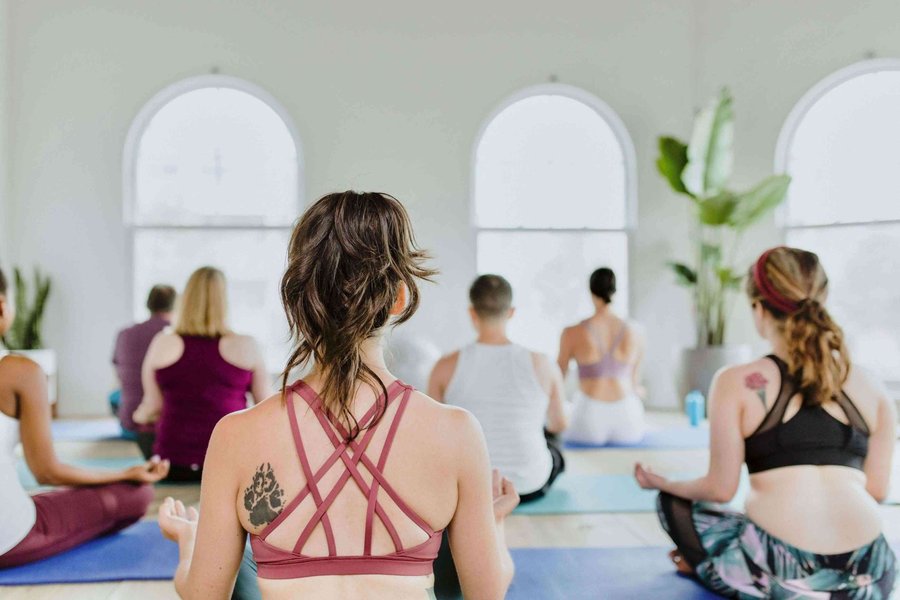
Yoga combines physical postures with breathing and mindfulness, effectively reducing stress.
Proven Methods for Relaxation
- Deep Breathing Exercises (Breath Focus): This simple yet powerful technique can be done anywhere. Focus on taking slow, deep, even breaths. One common method is to inhale slowly through your nose for a count of five, hold briefly, and exhale slowly through your mouth for a count of five. Repeating this several times can induce immediate calm.
- Mindfulness Meditation: Mindfulness involves paying attention to the present moment without judgment. This can involve focusing on your breath, bodily sensations, or the sights and sounds around you. Regular practice helps detach from stressful thoughts and worries about the past or future. Even short, 5-10 minute sessions daily can be beneficial.
- Progressive Muscle Relaxation (PMR): This involves systematically tensing and then releasing different muscle groups in your body. By consciously releasing physical tension, you can often alleviate mental tension as well.
- Guided Imagery: Use your imagination to transport yourself to a peaceful, calming place, like a beach or forest. Engage all your senses – what do you see, hear, smell, feel? This mental escape can provide a quick break from stressors.
- Engaging Hobbies and Sensory Input: Listening to soothing music, spending time in nature, engaging in a creative hobby, or even just petting an animal can effectively lower stress levels by shifting your focus and promoting positive feelings. Laughter, too, is a potent stress reliever.
Comparing Stress Reduction Strategies
A Visual Look at Effectiveness Dimensions
Different stress reduction techniques offer varying benefits. Some provide immediate relief, while others build long-term resilience. This chart provides a comparative perspective on the perceived strengths of major stress reduction categories across different dimensions like immediacy of effect, long-term impact, accessibility, required effort, and consistency needed for results. Note that individual experiences may vary.
Lifestyle Adjustments: Building a Foundation of Resilience
The Role of Daily Habits
Your everyday choices significantly impact your ability to handle stress. Chronic stress can negatively affect physical health, potentially contributing to issues like chronic inflammation. Building healthy habits provides a strong foundation for managing stress effectively.
Key Lifestyle Strategies
- Balanced Diet: Nourishing your body with fruits, vegetables, whole grains, lean proteins, and healthy fats supports stable mood and energy levels. Some foods, like those rich in omega-3 fatty acids (e.g., fatty fish), magnesium (e.g., spinach, almonds), and B vitamins, are thought to be particularly beneficial for stress management. Conversely, limiting processed foods, excessive sugar, and high caffeine intake can prevent energy crashes and heightened anxiety.
- Prioritize Sleep: Adequate sleep (typically 7-9 hours for adults) is crucial for emotional regulation and cognitive function. Sleep deprivation makes it harder to cope with stress. Establishing a consistent sleep schedule and creating a relaxing bedtime routine can improve sleep quality.
- Establish Routines: Having regular schedules for meals, exercise, work, and sleep can provide a sense of structure and control, which can be comforting during stressful times.
- Limit Unhealthy Coping Mechanisms: Avoid relying on alcohol, tobacco, or other substances to manage stress. While they might offer temporary relief, they often exacerbate problems in the long run and can negatively impact health.
Visualizing Stress Management Techniques
A Mindmap Overview
This mindmap provides a visual summary of the diverse strategies available for reducing stress. It organizes key approaches into major categories—Physical, Mental/Relaxation, Lifestyle, and Social/Emotional—highlighting specific techniques within each branch. Use this map to explore the interconnectedness of different methods and identify areas you might want to focus on.
(Walking, Running, Swimming)"] pa2["Yoga & Tai Chi
(Mind-Body Connection)"] pa3["Regular Daily Movement"] pa4["Stretching"] Mental["Mental & Relaxation Techniques"] mr1["Mindfulness Meditation"] mr2["Deep Breathing Exercises"] mr3["Progressive Muscle Relaxation (PMR)"] mr4["Guided Imagery / Visualization"] mr5["Journaling"] mr6["Hobbies & Leisure"] mr7["Listening to Music"] mr8["Laughter"] Lifestyle["Lifestyle Adjustments"] la1["Balanced Diet
(Nutrient-rich foods)"] la2["Adequate Sleep
(7-9 hours)"] la3["Consistent Routines"] la4["Limit Caffeine & Alcohol"] la5["Avoid Unhealthy Habits"] Social["Social & Emotional Strategies"] se1["Connect with Others
(Friends, Family, Groups)"] se2["Social Support Networks"] se3["Assertiveness & Boundaries
(Saying 'No')"] se4["Problem-Solving & Taking Control"] se5["Positive Self-Talk"] se6["Helping Others / Volunteering"] se7["Spending Time with Pets"] se8["Physical Touch (Hugging)"] Professional["Professional Support"] ps1["Therapy / Counseling"] ps2["Support Groups"] ps3["Medical Consultation"]
Social and Emotional Strategies: Connecting and Coping
The Power of Connection and Mindset
Stress isn't just managed through physical means; psychological and social approaches are equally vital. How you perceive and react to stressors, along with the support you receive from others, profoundly influences your stress levels.
Engaging in enjoyable activities and social interactions can be effective stress relievers.
Building Social and Emotional Resilience
- Foster Social Connections: Spending quality time with friends, family, or members of a community group provides emotional support and perspective. Sharing your feelings with trusted individuals can alleviate burdens. Even spending time with pets can lower cortisol levels and boost mood. Physical touch, like hugging, releases oxytocin, a hormone linked to happiness and stress reduction.
- Practice Assertiveness and Set Boundaries: Feeling overwhelmed is a common source of stress. Learning to say "no" to non-essential requests and clearly communicating your needs can help you regain a sense of control over your time and energy.
- Challenge Negative Thoughts: Stress can often be amplified by negative thought patterns. Practice identifying and challenging unhelpful thoughts. Replace them with more balanced or positive self-talk (e.g., "This is challenging, but I can handle it").
- Focus on What You Can Control: Identify the aspects of a stressful situation you have influence over and take proactive steps. Accepting things you cannot change can also reduce frustration and stress.
- Make Time for "Me Time" and Hobbies: Regularly scheduling time for activities you enjoy purely for relaxation or pleasure is essential self-care. This could be reading, listening to music, gardening, or any activity that helps you unwind.
- Help Others: Engaging in acts of kindness or volunteering can shift your focus away from your own stressors and provide a sense of purpose and connection, which boosts well-being.
A Practical Guide to Stress Reduction Techniques
Summary Table of Effective Methods
This table summarizes some of the most effective and commonly recommended stress reduction techniques, outlining their core actions and primary benefits for quick reference.
| Technique | Description | Key Benefits |
|---|---|---|
| Regular Exercise | Engaging in consistent physical activity (aerobic, strength, flexibility). | Boosts endorphins, reduces stress hormones, improves sleep, enhances mood. |
| Deep Breathing | Slow, controlled inhalation and exhalation. | Quickly lowers heart rate and blood pressure, induces calm, accessible anywhere. |
| Mindfulness Meditation | Focusing non-judgmentally on the present moment (breath, sensations). | Reduces rumination, increases awareness, calms the nervous system, improves focus. |
| Yoga / Tai Chi | Practices combining physical postures, breathing, and meditation. | Reduces muscle tension, improves balance, promotes relaxation, enhances mind-body connection. |
| Adequate Sleep | Consistently getting 7-9 hours of quality sleep per night. | Restores body and mind, improves emotional regulation, enhances cognitive function. |
| Balanced Diet | Eating nutritious foods; limiting processed items, sugar, caffeine. | Stabilizes mood and energy levels, supports overall physical health resilience. |
| Social Support | Connecting with friends, family, or support groups. | Provides emotional comfort, offers different perspectives, reduces feelings of isolation. |
| Journaling | Writing down thoughts and feelings related to stress. | Helps process emotions, provides clarity, facilitates problem-solving. |
| Setting Boundaries | Learning to say "no" and manage commitments effectively. | Reduces overwhelm, increases sense of control, protects personal time and energy. |
| Engaging Hobbies | Making time for enjoyable leisure activities. | Provides mental break, promotes relaxation, fosters sense of accomplishment and joy. |
Daily Habits for Stress Management: Expert Insights
Practical Tips for Integration
Understanding stress reduction techniques is one thing; integrating them into daily life is another. This video offers practical advice on building daily habits that can significantly reduce stress and anxiety over time. It focuses on actionable steps you can take to make stress management a consistent part of your routine, reinforcing many of the strategies discussed above.
Seeking Professional Support
When to Consider Getting Help
While self-help strategies are effective for managing everyday stress, sometimes stress can become chronic or overwhelming, significantly impacting your daily life, health, or relationships. In such cases, seeking help from a healthcare provider or mental health professional (like a therapist or counselor) is a sign of strength. They can help you identify the root causes of your stress, develop personalized coping strategies, and provide therapies like cognitive behavioral therapy (CBT) or recommend other treatments if necessary.
Frequently Asked Questions about Stress Reduction
How quickly can these stress reduction techniques work?
Some techniques offer almost immediate relief, such as deep breathing exercises, taking a short walk, or listening to calming music. These can help lower your physiological stress response in minutes. Other strategies, like regular exercise, meditation practice, dietary changes, and building strong social connections, provide more profound and lasting benefits over time with consistent effort.
How much exercise is needed for stress relief?
General guidelines often recommend about 150 minutes of moderate-intensity aerobic activity (like brisk walking) or 75 minutes of vigorous-intensity activity per week. However, even short bouts of exercise, like a 10-20 minute walk, can have immediate stress-reducing effects. The key is consistency and finding activities you enjoy so you'll stick with them.
What if I feel like I don't have time for stress reduction activities?
It can feel challenging, but even incorporating small changes can make a difference. Start small. Try 5 minutes of deep breathing or meditation daily. Take short walk breaks during your workday. Combine activities, like listening to calming music while commuting or exercising with a friend (combining physical activity and social connection). Prioritizing stress management, even in small ways, is an investment in your overall productivity and well-being.
When should I seek professional help for stress?
Consider seeking professional help if stress is persistent, overwhelming, interferes with your daily functioning (work, school, relationships), leads to unhealthy coping behaviors (like substance abuse), or causes significant physical symptoms (like frequent headaches, stomach problems, or sleep disturbances). A doctor or mental health professional can provide diagnosis, support, and treatment options tailored to your needs.
Recommended Reading
- Explore specific mindfulness techniques proven effective for anxiety reduction.
- Discover the detailed connection between your diet, stress levels, and overall mood.
- Learn practical strategies to manage stress specifically related to work and prevent burnout.
- Understand the long-term impact chronic stress can have on your physical and mental health.
References
Last updated May 5, 2025