
Unlocking Calm: Proven Strategies for Effective Stress Reduction
Discovering practical and impactful methods to manage and alleviate stress for a healthier, more balanced life.
Key Stress Reduction Insights
- Holistic Approach: The most effective stress reduction often involves a combination of physical, mental, and social strategies rather than relying on a single technique.
- Mindfulness and Breathing: Techniques like deep breathing and mindfulness meditation are consistently highlighted as powerful tools for immediate and long-term stress relief by engaging the body's natural calming responses.
- Lifestyle Factors: Regular physical activity, a healthy diet, sufficient sleep, and strong social connections are foundational to building resilience against stress and managing its effects.
Understanding Stress and Its Impact
Stress is a natural response to challenges, but chronic stress can have significant adverse effects on both physical and mental health. It can manifest in various ways, from physical symptoms like muscle tension and increased heart rate to emotional and cognitive effects such as worry, irritability, and difficulty concentrating. Recognizing the signs and understanding the impact of stress is the first step towards effective management.
The Body's Stress Response
When faced with a perceived threat or challenge, the body activates its "fight or flight" response. This involves the release of hormones like cortisol and adrenaline, which prepare the body to confront or escape the stressor. While helpful in acute situations, prolonged activation of this response due to chronic stress can lead to numerous health issues, including a weakened immune system, digestive problems, and an increased risk of cardiovascular disease.
Effective Stress Reduction Techniques
Managing stress is not a one-size-fits-all endeavor; what works for one person may not be as effective for another. A comprehensive approach that incorporates a variety of techniques is often the most successful. These strategies can be broadly categorized into mind-body practices, lifestyle adjustments, and seeking support.
Mind-Body Practices
Mind-body practices focus on the connection between your thoughts, emotions, and physical body. By calming the mind and relaxing the body, these techniques can significantly reduce stress levels.
Deep Breathing Exercises
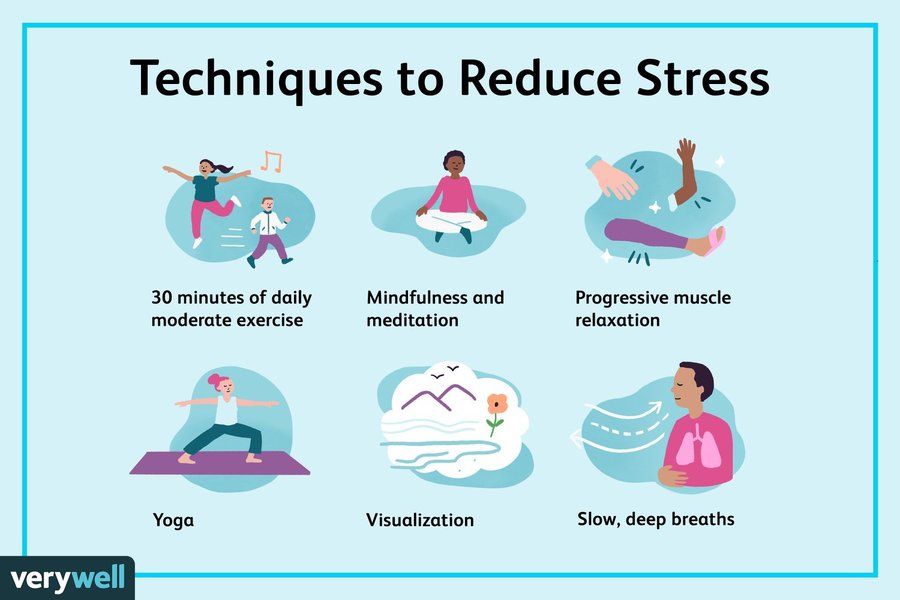
Simple yet powerful, deep breathing techniques can quickly calm the nervous system. Methods like the 4-7-8 technique (inhale for 4 counts, hold for 7, exhale for 8) or diaphragmatic breathing can lower heart rate and induce a sense of relaxation.

Practicing deep breathing for stress relief.
Meditation and Mindfulness
Mindfulness involves focusing on the present moment without judgment. Meditation, a form of mindfulness, can help quiet the stream of anxious thoughts that contribute to stress. Regular practice can build resilience and improve your ability to cope with stressors.
Yoga and Tai Chi
These practices combine physical movement, breath control, and meditation. They can help release physical tension, calm the mind, and improve overall well-being, offering a holistic approach to stress reduction.

Yoga as a shared activity for relaxation.
Progressive Muscle Relaxation
This technique involves tensing and then slowly releasing different muscle groups in the body. By systematically releasing physical tension, you can also alleviate mental stress.
Guided Imagery
Guided imagery involves creating peaceful mental images to promote relaxation. This can help distract from stressors and induce a sense of calm.
Lifestyle Adjustments
Making positive changes to your daily habits and routines can significantly impact your ability to manage stress.
Regular Physical Activity
Exercise is a powerful stress reliever. Physical activity helps burn off stress hormones and stimulates the production of endorphins, which have mood-boosting effects. Even a short walk can make a difference.
Healthy Diet
Nourishing your body with a balanced diet provides the energy and nutrients needed to cope with stress. Avoiding excessive caffeine and sugar can also help stabilize mood and reduce anxiety.
Sufficient Sleep
Chronic stress can disrupt sleep patterns, and lack of sleep can, in turn, worsen stress. Prioritizing 7-9 hours of quality sleep per night is crucial for stress management.
Time Management and Setting Boundaries
Feeling overwhelmed by tasks and responsibilities is a common stressor. Learning to prioritize, create to-do lists, break down large tasks, and say no to non-essential commitments can help regain a sense of control.
Connecting with Others
Social support is a vital buffer against stress. Spending time with loved ones, talking about your feelings, and engaging in social activities can provide comfort, perspective, and a sense of belonging.
Social connection as a stress reliever.
Engaging in Hobbies and Enjoyable Activities
Making time for activities you enjoy can provide a much-needed distraction from stressors and promote relaxation and well-being.
Journaling
Writing down your thoughts and feelings can help process emotions, identify stressors, and gain perspective.
Seeking Support
Sometimes, managing stress requires professional help or external support.
Therapy or Counseling
A therapist can provide tools and strategies for coping with stress and anxiety, especially if they are persistent or overwhelming.
Support Groups
Connecting with others who are experiencing similar challenges can provide a sense of community and shared understanding.
Comparing Stress Reduction Techniques
While many techniques can help reduce stress, their effectiveness can vary depending on the individual and the nature of the stressor. The following table provides a general overview of some common methods and their potential impact:
| Technique | Type | Potential Benefits | Requires Practice? |
|---|---|---|---|
| Deep Breathing | Mind-Body | Immediate calming, reduced heart rate | Minimal |
| Meditation/Mindfulness | Mind-Body | Improved focus, emotional regulation, long-term resilience | Yes |
| Yoga/Tai Chi | Mind-Body/Physical | Reduced physical tension, improved flexibility, mental calmness | Yes |
| Exercise | Physical | Release of stress hormones, improved mood, increased energy | Consistency needed |
| Social Connection | Social | Emotional support, sense of belonging, distraction | Requires interaction |
| Journaling | Mental/Emotional | Processing emotions, identifying stressors, gaining perspective | Minimal |
Visualizing the Impact of Stress Reduction Strategies
Different stress reduction techniques can impact various aspects of well-being. The radar chart below illustrates a subjective representation of how different categories of strategies might influence areas like immediate calm, long-term resilience, physical well-being, and emotional regulation. This is a conceptual model and individual results will vary.
Integrating Stress Reduction into Daily Life
Consistency is key when it comes to managing stress. Finding ways to incorporate stress reduction techniques into your daily routine can make a significant difference in your overall well-being. Start with small, manageable steps and gradually build them into habits.
Morning Rituals
Begin your day with a few minutes of deep breathing, meditation, or gentle stretching to set a calm tone.
Breaks Throughout the Day
Step away from your work or tasks periodically to take a short walk, listen to music, or practice a quick relaxation technique.
Learn more about effective stress management techniques.
This video provides further insights into effective strategies for managing stress and achieving a calmer life, complementing the techniques discussed here by offering practical guidance and perspectives.
Evening Wind-Down
Establish a relaxing bedtime routine that includes activities like reading, taking a warm bath, or practicing relaxation techniques to prepare for restful sleep.
Frequently Asked Questions About Stress Reduction
Recommended Further Exploration
- Explore the benefits of mindfulness meditation for anxiety relief.
- Learn more about the connection between exercise and mental well-being.
- Discover how dietary choices can impact stress levels.
- Understand strategies for building resilience against future stressors.
References
Last updated May 20, 2025