
Generating Electrical Energy from Bicycles: National Initiatives
Exploring country-specific campaigns and innovations for sustainable pedal power
Key Highlights
- Innovative National Projects: Countries like India, the United States, Denmark, and Japan are pioneering pedal power initiatives.
- Sustainable and Health-Focused: Bicycle generators offer renewable energy while promoting fitness and energy independence.
- Technological Integration: Combining traditional generator systems with advancements in energy storage and grid integration is key.
Overview of Bicycle-Powered Electrical Generation
The concept of generating electrical energy from bicycles is based on converting the mechanical energy produced during pedaling into electrical energy through various conversion processes. This process typically involves using a generator, which can either be a direct current (DC) or alternating current (AC) system, connected to the bicycle’s wheel. As the cyclist pedals, the motion is transferred via gear systems, chains, or belts to the generator, resulting in the generation of an electrical current.
For domestic, educational, or even national grid applications, bicycle-powered systems typically output between 150 to 250 watts, although actual power generation depends on many factors, including the efficiency of the conversion mechanism, the cycling speed, and the type of generator attached. This technology offers a renewable, carbon-neutral energy source that not only encourages physical fitness but also reduces reliance on traditional, polluting energy sources.
National Initiatives and Examples
When examining the development and implementation of bicycle-powered energy systems on a national scale, several countries have led the way. Here, we explore some significant national initiatives:
India's Pedal Power Project
India has embraced the innovation of converting human energy into electrical power through government-backed initiatives such as the "Pedal Power" project. This project aims to generate large-scale renewable energy, with targets set at reaching a megawatt or more of energy from human-powered devices, often involving bicycles. This initiative is driven by the dual goals of promoting sustainable energy and providing alternative educational and health-promoting activities across communities.
United States Innovations
In the United States, companies like Pedal Power and Bike Generator have developed commercial systems that harness bicycle-generated electricity. These systems are often deployed in gyms, schools, and sometimes community centers where the power generated serves as a source of renewable energy while also highlighting the importance of physical fitness. In addition to the commercial products, various DIY projects and community initiatives encourage individuals to build and utilize bicycle generator systems, emphasizing sustainability and self-sufficiency.
Denmark and Urban Implementation
Denmark, renowned for its cycling culture and commitment to sustainability, has incorporated bicycle-powered generators into its urban infrastructure. Copenhagen, the capital, has experimented with bike-powered systems to support street lighting and other minor public electrical needs. These daytime and nighttime experiments not only bolster renewable energy usage but also serve as a demonstration of how integrated urban design can leverage human-powered energy systems.
Japan’s Eco-Cycle System
Japan’s approach to bicycle-generated electricity focuses on efficiency and integration with modern energy grids. The “Eco-Cycle” system, innovated by companies such as Asahi Kasei, employs advanced generator and energy storage technologies that allow power generated from pedaling to be stored in batteries or even reintegrated into the local grid. This method supports the dual objectives of energy independence and promoting environmental sustainability.
Technical and Operational Aspects
The process of converting pedal power into electrical energy involves several technical components and principles. Here, we break down the key technical aspects:
The Mechanism of Energy Conversion
At the core of bicycle power generation is the conversion of kinetic energy into electrical energy. This is often accomplished through magnetic induction principles, where a permanent magnet rotates relative to a wire coil inside the generator. As the magnet rotates, it induces an electromotive force (EMF) in the coil, creating electricity. Typically, a DC generator is employed due to its efficiency in small-scale setups. A carefully designed connection via sprockets, chains, or belts ensures that the energy transfer from the bicycle wheel to the generator is as efficient as possible.
Electricity Storage and Utilization
Although the generation of electricity is a compelling process, its practical utilization often involves storing the produced current. Batteries—ranging from deep cycle lead-acid to modern lithium-ion batteries—can serve as energy storage units. In scenarios where the electricity needs to be converted to Alternating Current (AC) for household systems or grid compatibility, inverters are employed. This step is essential when the generated power is intended for real-time appliance usage or for feeding into the national grid.
Efficiency and Power Output Considerations
Efficiency concerns remain central to the practical application of bicycle-generated energy. The overall conversion efficiency typically ranges between 10% to 20% of the cyclist’s input energy. While the power output of 150-250 watts might seem modest compared to large-scale power generation, it is significant enough to power small devices, charge batteries, or complement other renewable energy systems. This limitation, however, calls for strategic integration with other technologies (such as solar or wind) in a complementary way.
Comparative Table: National Bicycle-Powered Energy Initiatives
| Country | Key Initiative | Application | Components/Technologies |
|---|---|---|---|
| India | Pedal Power Project | Renewable energy generation in community settings, schools, and public spaces | 12V/24V DC generators, battery storage, educational kits |
| United States | Commercial and DIY Bicycle Generators | Gyms, schools, residential use, and emergency backup | DC motors, gear systems, inverter technology |
| Denmark | Urban Bicycle-Powered Systems | Street lighting, urban infrastructure support | Permanent magnet generators, grid integration modules |
| Japan | Eco-Cycle System | Residential and grid-integrated energy systems | Advanced generator systems, battery technology, grid-compatible inverters |
Benefits of National Bicycle Energy Initiatives
The adoption and promotion of bicycle-powered energy generation on a national scale carries a multitude of benefits:
Renewable Energy and Sustainability
Bicycle power generation contributes to a sustainable and renewable energy framework. Although the absolute energy output is relatively modest, its implementation over a wide area, combined with other renewable resources, can add valuable diversity to the energy mix. It utilizes human kinetic energy, a resource that is rarely wasted in urban landscapes rich with cycling culture.
Public Health and Fitness
One of the most exciting aspects of these initiatives is the intertwining of energy production with physical exercise. Pedal power not only generates electricity but also promotes an active lifestyle, thereby lowering the health risks associated with sedentary behavior. This dual benefit has helped many governments and communities to market these projects as part of a broader public health strategy.
Energy Independence and Resilience
Introducing bicycle generators on a national scale can foster local energy independence. They provide a backup energy source during times of crisis or grid failure, enhancing the resilience of power systems. In remote areas or during emergencies, such decentralized energy generation methods prove invaluable.
Educational and Technological Advancements
Bicycle-powered energy systems often serve as educational tools, teaching citizens about alternative energy and sustainability. Schools and community projects employing such systems can significantly increase public awareness and interest in renewable technologies, potentially inspiring future innovations in energy conversion and storage.
Challenges and Considerations for National Implementation
While the benefits are numerous, there are also significant challenges and considerations related to scaling bicycle-generated energy systems nationally:
Scalability and Energy Demands
One primary challenge is scaling the energy output from individual bicycle generators to meet the demands of broader national infrastructures. Bicycle systems provide relatively small energy outputs compared to established power plants; hence, they are best suited as supplemental sources, particularly in urban and community settings.
Efficiency Improvements
Efficiency is crucial when converting the kinetic energy of pedaling into electricity. Existing systems typically achieve conversion efficiencies of about 10-20%. This limitation calls for continued technological research to improve the link between mechanical energy and electrical output and to integrate higher efficiency storage and conversion devices.
Infrastructure Investment
To successfully implement these projects on a national scale, significant investments in infrastructure are necessary. This includes the procurement and installation of generators, reliable battery storage systems, and necessary grid integrations. Without proper investment, maintenance, and promotion, such systems might remain niche educational or experimental projects.
User Engagement and Cultural Adoption
A sustained national program requires robust user engagement. In cities or regions with a strong cycling culture, promoting bicycle generators comes naturally. However, in places where cycling is less common, additional initiatives to build infrastructure and encourage cycling are critical to the long-term success of such energy solutions.
Integration with Other Renewable Energy Sources
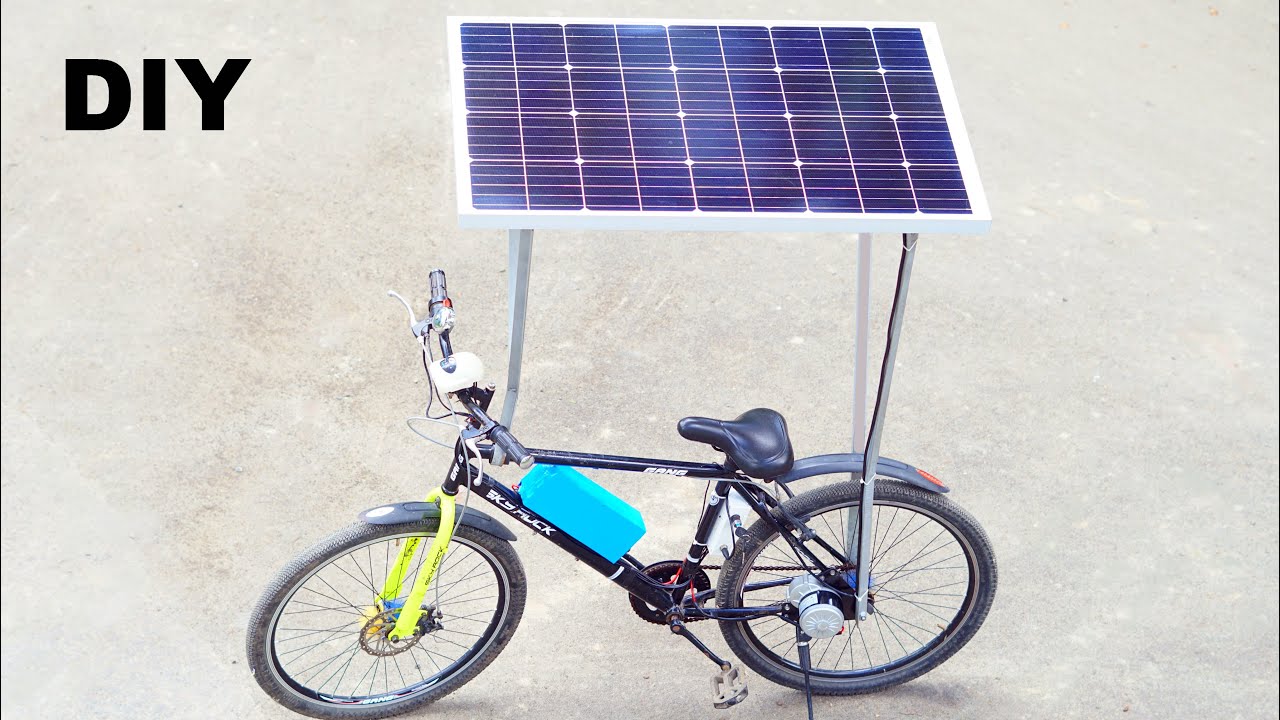
One of the promising developments in the arena of renewable energy is the potential integration of bicycle-generated electricity with other renewable technologies. Combining pedal power with solar panels, wind turbines, and bioenergy systems helps create a more resilient and diversified energy network. For example, during daylight hours, solar power may be predominant, while at times when solar energy is scarce, the human-powered systems could provide an operational buffer. Advances in inverter technology and smart grid systems facilitate this seamless integration, enabling the optimal use of distributed energy resources.
Innovative Hybrid Systems
In hybrid systems, bicycle generators operate alongside other renewable resources to offer distributed power generation capabilities. Such systems not only enhance overall energy output but also reduce reliance on a single energy source, making power grids more flexible and resilient against unexpected peaks or outages.
Technological Innovations and Future Directions
Technological innovations continue to drive improvements in bicycle-powered electricity generation. Advances in the fields of generator design, energy storage solutions, and inverter technology are enhancing both efficiency and scalability.
Improved Generator Designs
Modern generator designs are utilizing advanced materials and more efficient magnetic configurations to boost the conversion efficiency of kinetic energy to electrical energy. These improvements make the pedaling process less strenuous while delivering better power outputs, thus increasing the overall viability of bicycle generators for both small-scale and supplemental national energy applications.
Advanced Energy Storage
Battery technology is rapidly evolving, with lithium-ion and other emerging battery technologies offering higher energy densities and longer lifespans. Enhanced storage solutions allow for the efficient capture of power generated by bicycle systems, making it feasible to store excess energy for later use or for feeding into the grid.
Smart Grid and Integration Technologies
The future of bicycle-powered systems lies in the seamless integration with smart grid technologies. These advanced systems can balance energy loads, optimize power distribution, and ensure that the locally generated electricity supplements the national grid in a cost-effective and sustainable manner.
Case Study: Comparing Bicycle Generation Systems Across Nations
The following table summarizes key parameters from various national initiatives that incorporate bicycle-powered energy generation:
| Country | Initiative Name | Primary Application | Key Technologies |
|---|---|---|---|
| India | Pedal Power Project | Community-based energy generation, educational initiatives | 12V/24V DC generators, manual-to-electric conversion kits |
| USA | Commercial & DIY Bike Generators | Gyms, schools, backup power supply | DC motors, inverter systems, durable gear mechanisms |
| Denmark | Urban Bicycle-Powered Systems | Street lighting, urban infrastructure support | Permanent magnet generators, smart grid integration |
| Japan | Eco-Cycle System | Residential energy management, grid support | Advanced generators, battery and inverter technology |
Future Perspectives and Ongoing Research
The field of bicycle-powered energy generation is dynamic and undergoing continuous improvement. Ongoing research is focused on increasing the conversion efficiency, reducing the cost of components, and enhancing the integration of these systems into existing energy infrastructures. Moreover, the popularity of these systems is rising in community-based projects and educational institutions that use them to demonstrate renewable energy principles and sustainability practices.
Researchers are exploring materials and design innovations that could eventually make these systems more viable as a supplemental power source for larger applications. As technology advances, we can expect the integration of bicycle generators with other renewable resources to become simpler, leading to greater energy resilience across regions.
References
- How to Build a Bicycle Generator: 9 Steps - Instructables
- 9 Steps To Make A Bicycle Generator - Em OffGrid
- How to Build a Practical Household Bike Generator - Low Tech Magazine
- Bicycle Generating Electricity: A Revolutionary Eco-Friendly Approach - Bicycle Potential
- How Pedal Power Can Generate Sustainable Energy - Bicycle & e-Bicycle
Recommended Related Queries

Last updated March 21, 2025