
Research Project on Biogeographical Processes
Exploring how natural mechanisms and human influence shape species distribution
Key Highlights
- Integration of colonization, extinction, and succession: Addressing how these processes interact to determine species distributions.
- Environmental and human drivers: Examining both natural environmental factors and the impact of anthropogenic modifications.
- Focus on ecosystem scale analysis: Utilizing case studies to connect theoretical and practical aspects of biogeography.
Introduction
Biogeography is an interdisciplinary field that bridges ecology, evolutionary biology, and geography to explore the distribution of species across different spatial and temporal scales. Understanding biogeographical processes is essential in explaining why certain species thrive in some ecosystems while others do not, and how these distributions change due to both natural and human-induced factors.
In this research project, the focus lies on “Biogeographical Processes” and how key mechanisms such as colonization, extinction, and ecological succession collectively shape biodiversity patterns. This project aims to offer a comprehensive framework for analyzing these processes within a specific ecosystem and understanding the role environmental variables and human activities play in this dynamic interaction.
Research Project Question and Rationale
Primary Research Question
The central research question for this project is:
"How do biogeographical processes such as colonization, extinction, and succession influence the spatial distribution and biodiversity of species in a specific ecosystem, and what role do human activities play in modulating these processes over temporal scales?"
Rationale
This question is designed to investigate the multifaceted interactions between natural processes and anthropogenic influences. The rationale behind it involves several key areas:
- Dynamic Processes: Species distributions are not static; they are the result of ongoing processes like colonization (the arrival of species into new habitats), extinction (the loss of species), and succession (the gradual process of change in ecosystem composition). Understanding how these processes interact helps clarify the ongoing dynamics of ecosystems.
- Environmental Influence: Each ecosystem presents unique environmental factors — such as climate variability, topography, and resource availability — that can either facilitate or constrain biogeographical processes. Investigating these environmental influences is crucial for understanding seasonal and long-term changes in biodiversity.
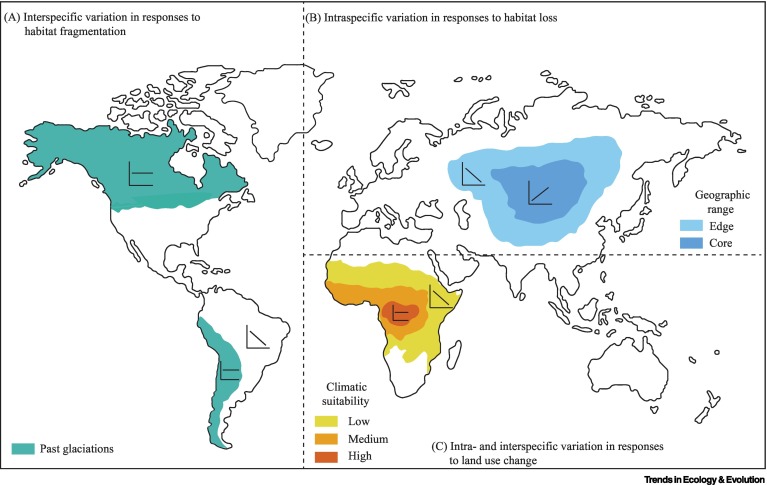
- Human Impact: Rapid urbanization, habitat fragmentation, climate change, and other human-induced changes can accelerate extinctions, alter colonization routes, and even modify succession patterns. Examining the nature and extent of these impacts offers insights into how human activities are reshaping ecosystem dynamics.
Sub-Questions and Detailed Inquiry
Sub-Questions
To address the primary question comprehensively, the research should incorporate the following sub-questions:
- Colonization and Establishment: What mechanisms drive the initial movement and establishment of species in new habitats? How do habitat features and environmental conditions facilitate or hinder this process?
- Extinction Dynamics: Which factors are most influential in causing species extinction in the studied ecosystem? How do natural disturbances and anthropogenic pressures increase extinction risks?
- Succession Patterns: In what ways does ecological succession alter community composition over time? What are the key disturbances that initiate successional changes, and how do they interact with other biogeographical processes?
- Human Activity and Ecosystem Modification: How do activities such as urban development, agriculture, and climate change modify natural biogeographical processes? Can interventions or conservation strategies mitigate negative human impacts on species distribution?
- Temporal Scale Dynamics: How do the interactions among colonization, extinction, and succession processes vary over short, mid, and long-term periods? What insights can historical data provide about future biodiversity trends?
Focus on Case Studies
Empirical research is often bolstered by in-depth case studies that offer concrete examples of biogeographical processes in action. For instance, focusing on a defined ecosystem such as a coastal mangrove forest, a coral reef, or a fragmented temperate forest can yield valuable insights:
- Coastal Ecosystems: These areas often present unique challenges and opportunities for colonization due to varying salinity levels, tidal influences, and climate conditions. They also face significant human pressures such as coastal development and pollution.
- Forest Ecosystems: In fragmented landscapes, the study of colonization and extinction dynamics can reveal how isolation and habitat edge effects impact species diversity and community resilience.
- Urban Green Spaces: Comparing urban and peri-urban ecosystems allows researchers to see how biogeographical processes adapt in environments that are heavily modified by human use and planning.
Methodology and Analysis Strategies
Research Methods
The research project can be structured around an integrative methodology that combines both qualitative and quantitative approaches. Key methods include:
- Field Observations: Systematic surveys and longitudinal studies in the chosen ecosystem to map species distributions and monitor changes over time.
- Remote Sensing and GIS Mapping: Utilizing satellite imagery and geographical information systems to quantify habitat changes, identify spatial patterns, and track landscape alterations.
- Statistical Modeling: Application of statistical models that correlate environmental variables and human impacts with species occurrence data. Models could include regression analysis or spatial simulation tools.
- Comparative Analysis: Comparing sites that are relatively pristine with those subject to intense human modification, to observe differences in biogeographical process outcomes.
- Historical Data Analysis: Reviewing historical records, paleontological data, and past climate models to understand long-term trends and predict future biodiversity patterns.
Data Collection and Metrics
Effective data collection is crucial for capturing the nuances of biogeographical processes. Researchers should focus on:
- Species Richness and Abundance: Quantitative measures of the number of species and their relative abundance in the study area.
- Habitat Connectivity: Measurements of how connected or isolated habitat patches are, which can influence colonization rates.
- Environmental Variables: Data on temperature, precipitation, soil type, and other abiotic factors that influence species survival and dispersal.
- Impact of Disturbance: Assessing both natural disturbances (e.g., wildfires, storms) and human-driven changes (e.g., deforestation, urban expansion) to understand their influence on successional stages.
Analysis Techniques
The integration of both spatial and temporal data enables comprehensive analyses. The use of advanced statistical tools (e.g., multivariate analysis, spatial autocorrelation models) allows researchers to identify significant patterns and correlations. Moreover, comparative case studies offer qualitative insights that support quantitative findings.
Integrative Insights and Expected Outcomes
Integrating Multiple Biogeographical Processes
One of the primary goals of this project is to understand the combined effects of different biogeographical processes rather than examining them in isolation. By integrating colonization, extinction, and succession:
- Researchers can construct more accurate predictive models of species distribution, anticipating shifts in community structures as the environment changes.
- The interplay between natural dynamics and human impacts becomes clearer. This nuanced understanding helps in designing effective conservation strategies that are responsive to both ecological and social needs.
- Comparative studies between different ecosystems or habitat fragments can illustrate how local environmental factors mediate the strength and direction of biogeographical processes.
Expected Outcomes
Through this research, a comprehensive picture of biogeographical dynamics is anticipated. Expected outcomes include:
- Detailed maps and models showing species distribution over time and space.
- Identification of key environmental variables and human influences that drive changes in biodiversity.
- New insights into how local and regional processes interact, leading to better-informed conservation frameworks.
- An enriched theoretical framework that can be applied to different ecosystems facing similar challenges.
Data Presentation and Comparison Table
The following table provides an overview of key biogeographical processes and their associated factors as they relate to species distribution:
| Process | Key Mechanisms | Influencing Factors | Examples & Applications |
|---|---|---|---|
| Colonization | Dispersal, migration, establishment | Habitat connectivity, climate, resource availability | Species migration into new coastal or fragmented forest areas |
| Extinction | Population decline, local extirpation | Environmental disturbances, human impacts, competition | Loss of species in urban-adjacent environments due to habitat loss |
| Succession | Ecological turnover, gradual change in species composition | Disturbance regimes, nutrient cycling, climatic conditions | Recovery of vegetation after wildfires or deforestation |
| Human Impact | Land-use change, pollution, introduction of invasive species | Urbanization, climate change, agricultural practices | Shifts in species composition in rapidly urbanizing areas |
Further Research and Exploration
Interdisciplinary Considerations
Addressing the research question demands a multidisciplinary approach that draws on:
- Ecology: For understanding species interactions and ecosystem dynamics.
- Geography: To analyze spatial distribution patterns and landscape connectivity.
- Environmental Science: For assessing how climate and abiotic factors shape biogeographical processes.
- Sociology and Urban Planning: To evaluate how human behaviors and policy decisions intersect with natural processes.
Integrating Historical Perspectives
Historical data and paleobiological records offer valuable perspectives in understanding long-term trends. By comparing current patterns with past events, researchers can validate models and predictions regarding future biodiversity under various scenarios of environmental change.
References
-
Biogeographical Processes - ScienceDirect
- World Biogeography Study Guide - Fiveable
- Biogeographical Processes - HSC Geography Ecosystems
- Biogeography - Nature
-
Biogeographical Processes - Taylor Francis
Recommended Related Queries
Last updated March 18, 2025