
Bleomycin and Its Impact on Lung Tissues: The Oxygen Connection
Understanding the Pulmonary Toxicity and Oxygen Interplay in Bleomycin Therapy
Key Takeaways
- Oxidative Stress Mechanism: Bleomycin induces lung damage primarily through the generation of reactive oxygen species (ROS).
- Oxygen Exacerbation: Supplemental oxygen significantly amplifies bleomycin-induced pulmonary toxicity.
- Clinical Management: Careful monitoring and minimizing oxygen exposure are crucial in patients undergoing bleomycin therapy.
Introduction
Bleomycin is a chemotherapeutic agent extensively utilized in the treatment of various malignancies, including Hodgkin's lymphoma, testicular cancer, and certain squamous cell carcinomas. While effective in combating cancer cells, bleomycin is notorious for its potential to cause significant pulmonary toxicity, which poses a considerable limitation to its clinical use. Understanding the mechanisms underlying bleomycin-induced lung injury and its interaction with oxygen is paramount for optimizing therapeutic outcomes and minimizing adverse effects.
Mechanism of Bleomycin-Induced Pulmonary Toxicity
Generation of Reactive Oxygen Species (ROS)
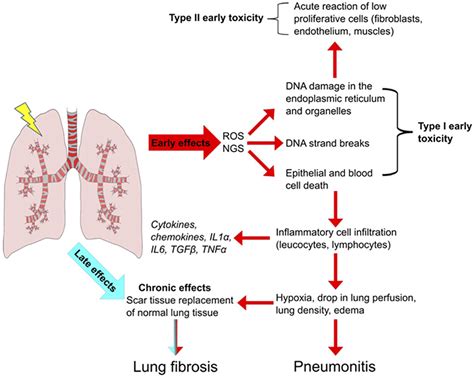
Bleomycin's cytotoxic effects are primarily mediated through the generation of reactive oxygen species (ROS). The drug forms a complex with iron (Fe²⁺/Fe³⁺), which catalyzes the production of free radicals. These ROS cause oxidative damage to critical cellular components such as DNA, lipids, and proteins within lung tissues, leading to cell death and tissue injury.
Role of Bleomycin Hydrolase
The enzyme bleomycin hydrolase plays a crucial role in neutralizing bleomycin's cytotoxic effects by inactivating the drug. However, the lungs have inherently low levels of bleomycin hydrolase, making them particularly susceptible to bleomycin-induced damage. This enzyme deficiency in lung tissues contributes significantly to the organ-specific toxicity observed with bleomycin therapy.
Cellular and Molecular Damage
The oxidative stress induced by bleomycin leads to a cascade of cellular events:
- DNA Damage: ROS directly attack DNA strands, causing breaks and mutations that can trigger apoptosis or necrosis.
- Lipid Peroxidation: ROS degrade cell membranes, compromising cell integrity and function.
- Protein Oxidation: Essential proteins lose functionality, disrupting various cellular processes.
Pathophysiological Changes in Lung Tissue
Acute Phase: Inflammation and Edema
In the initial phase of bleomycin-induced lung injury, patients often exhibit symptoms of acute respiratory distress, including dry cough and breathlessness. Histologically, this phase is characterized by:
- Interstitial Edema: Accumulation of fluid within the lung interstitium due to increased vascular permeability.
- Inflammatory Cell Infiltration: Recruitment of macrophages, neutrophils, and lymphocytes into lung tissues.
- Cytokine Release: Pro-inflammatory cytokines such as TNF-α and IL-1β are released, perpetuating the inflammatory response.
Chronic Phase: Fibrosis
Prolonged inflammation leads to the development of pulmonary fibrosis, a chronic and often irreversible condition characterized by:
- Collagen Deposition: Excessive formation of collagen fibers in the alveolar and interstitial spaces.
- Alveolar Architectural Distortion: Structural changes that compromise gas exchange efficiency.
- Reduced Lung Compliance: Stiffening of lung tissues, making breathing laborious and ineffective.
The Oxygen Connection: How Oxygen Amplifies Pulmonary Toxicity
Synergistic Toxicity of Oxygen and Bleomycin
Oxygen plays a paradoxical role in bleomycin-induced lung toxicity. While necessary for cellular respiration, supplemental oxygen can exacerbate the generation of ROS, thereby intensifying oxidative stress. This synergistic toxicity is particularly concerning in clinical scenarios involving high concentrations of supplemental oxygen, such as during general anesthesia or hyperbaric oxygen therapy.
Mechanisms of Oxygen Exacerbation
High levels of inspired oxygen (FiO2) facilitate the production of additional hydroxyl radicals through the Fenton reaction, where hydrogen peroxide reacts with iron to produce highly reactive hydroxyl radicals. These radicals further damage cellular components, accelerating lung injury and fibrosis.
Clinical Evidence Supporting Oxygen's Role
Empirical studies have consistently demonstrated that hyperoxia worsens pulmonary outcomes in bleomycin-treated subjects:
- Animal Models: Rodent studies indicate increased mortality and more severe lung pathology in animals exposed to both bleomycin and high oxygen levels.
- Human Cases: Clinical reports highlight instances where patients receiving high-concentration oxygen therapy during surgeries developed acute exacerbations of bleomycin-induced lung damage.
Risk Factors for Bleomycin-Induced Pulmonary Toxicity
Several patient-specific and treatment-related factors influence the susceptibility to pulmonary toxicity from bleomycin:
Cumulative Dose and Administration
The risk of lung injury increases with the cumulative dose of bleomycin. Doses exceeding 450 mg/m² are associated with a higher incidence of severe pneumonitis. Additionally, the method of administration impacts toxicity, with rapid intravenous bolus injections posing a greater risk compared to slow intravenous infusions or intramuscular routes.
Patient Demographics and Comorbidities
Older age, reduced renal function, and pre-existing lung conditions (e.g., interstitial lung disease, rheumatoid arthritis) elevate the likelihood of developing bleomycin-induced pulmonary toxicity. Smoking history further compounds the risk due to its detrimental effects on lung health.
Concurrent Therapies
Combination therapies, particularly those involving radiation therapy to the chest, amplify the risk of lung damage. The additive or synergistic effects of multiple treatments can overwhelm the lungs' capacity to repair and regenerate, leading to fibrosis.
Clinical Management and Preventive Strategies
Oxygen Therapy Guidelines
For patients with a history of bleomycin therapy, it is imperative to:
- Use Minimal Effective Oxygen Concentration: Administer the lowest FiO2 required to maintain adequate tissue oxygenation, typically favoring concentrations between 0.22 and 0.25.
- Continuous Monitoring: Regularly assess oxygen saturation and lung function during and after treatment to promptly identify signs of toxicity.
- Avoid High-Concentration Oxygen: Refrain from using FiO2 levels exceeding 0.32-0.45 unless absolutely necessary, and explore alternative strategies to maintain oxygenation.
Alternative Therapeutic Approaches
In scenarios where supplemental oxygen is unavoidable, consider:
-
Ventilation Strategies: Utilize lung-protective ventilation techniques to minimize additional lung stress.
-
Adjunctive Therapies: Administer antioxidants or anti-fibrotic agents to counteract ROS and mitigate fibrosis progression.
-
Alternative Chemotherapeutic Agents: Opt for other medications with a lower risk of pulmonary toxicity, especially in high-risk patients.
Regular Pulmonary Evaluation
Implement routine pulmonary assessments, including:
- Pulmonary Function Tests (PFTs): Monitor parameters like forced vital capacity (FVC) and diffusing capacity for carbon monoxide (DLCO).
- Imaging Studies: Conduct high-resolution computed tomography (HRCT) scans to detect early signs of interstitial changes or fibrosis.
- Symptom Monitoring: Encourage patients to report respiratory symptoms promptly for timely intervention.
Prognosis and Long-Term Outcomes
The prognosis of bleomycin-induced pulmonary toxicity varies based on the extent of lung damage and the timeliness of intervention. Early-stage pneumonitis may be reversible with prompt cessation of bleomycin and appropriate management, including corticosteroids. However, advanced pulmonary fibrosis often results in irreversible lung scarring, leading to chronic respiratory insufficiency and decreased quality of life. In severe cases, respiratory failure may necessitate mechanical ventilation or lung transplantation.
Future Directions in Mitigating Pulmonary Toxicity
Biomarker Development
Research is ongoing to identify biomarkers that can predict susceptibility to bleomycin-induced lung injury. Potential biomarkers include elevated levels of cytokines, specific genetic polymorphisms, and indicators of oxidative stress. Early identification of at-risk patients can facilitate personalized therapeutic strategies.
Pharmacological Interventions
Innovative pharmacological agents aim to protect lung tissues by scavenging ROS or inhibiting fibrotic pathways. Agents such as N-acetylcysteine (NAC) and pirfenidone are under investigation for their potential to mitigate oxidative damage and fibrosis, respectively.
Enhanced Drug Delivery Systems
Developing targeted drug delivery systems, such as liposomal formulations or nanoparticles, can reduce systemic exposure and concentrate bleomycin's effects on tumor cells while minimizing pulmonary distribution. This approach holds promise in enhancing therapeutic efficacy and reducing toxicity.
Conclusion
Bleomycin remains a potent chemotherapeutic agent with a well-established efficacy against various malignancies. However, its use is significantly constrained by the risk of pulmonary toxicity, exacerbated by supplemental oxygen therapy. The interplay between bleomycin and oxygen underscores the necessity for meticulous clinical management, including judicious oxygen administration and vigilant pulmonary monitoring. Advancements in predictive biomarkers, protective pharmacological agents, and innovative drug delivery systems offer hope for mitigating these adverse effects, thereby enhancing the therapeutic index of bleomycin and improving patient outcomes.
References
- Supplemental Oxygen Therapy in Bleomycin-Induced Pulmonary Toxicity
- Oxygen-Exacerbated Bleomycin Pulmonary Toxicity
- Mechanisms of Bleomycin-Induced Lung Damage
- Effect of Oxygen on Bleomycin-Induced Lung Damage
- Mechanisms of Bleomycin-Induced Lung Fibrosis: A Review
- Bleomycin - An Overview
- Reversible Acute Lung Injury due to Bleomycin
Last updated January 18, 2025