
High Oxygen Saturation and Lung Tissue Damage After Bleomycin
Understanding the Synergistic Effects of Oxygen and Bleomycin on Pulmonary Health
Key Takeaways
- Oxygen Amplifies Bleomycin Toxicity: Elevated oxygen levels exacerbate the generation of reactive oxygen species (ROS), intensifying lung tissue damage.
- Mechanistic Pathways: The interplay between oxygen and bleomycin disrupts alveolar integrity, leading to inflammation and fibrosis.
- Clinical Management: Strategic oxygen administration and patient monitoring are crucial in mitigating adverse pulmonary outcomes.
Introduction to Bleomycin and Oxygen Interaction
Overview of Bleomycin Usage
Bleomycin is a potent chemotherapeutic agent widely employed in the treatment of various malignancies, including Hodgkin's lymphoma, testicular cancer, and certain types of squamous cell carcinoma. Its efficacy stems from its ability to induce DNA strand breaks through the generation of free radicals, thereby inhibiting cancer cell proliferation. However, its therapeutic benefits are counterbalanced by significant pulmonary toxicity, particularly when combined with elevated oxygen levels.
The Role of Oxygen in Pulmonary Physiology
Oxygen is indispensable for cellular respiration and overall metabolic function. However, hyperoxia, or excessive oxygen supplementation, can be deleterious, particularly to the delicate structures of the lung. In the context of bleomycin therapy, high oxygen saturation levels can exacerbate lung tissue damage, leading to severe complications such as pneumonitis and fibrosis.
Mechanisms of Oxygen-Exacerbated Bleomycin Toxicity
Reactive Oxygen Species (ROS) Overproduction
Bleomycin functions by generating reactive oxygen species (ROS) through its interaction with metal ions. These ROS are instrumental in inducing DNA damage in cancer cells. However, in the presence of high oxygen levels, the production of ROS is significantly amplified. This overproduction overwhelms the lung's antioxidant defenses, leading to oxidative stress and subsequent cellular damage.
Inflammatory Cascade and Fibrosis
The excessive ROS production initiates an inflammatory cascade characterized by the upregulation of pro-inflammatory cytokines such as TNF-α, IL-6, and TGF-β. These cytokines promote the recruitment of inflammatory cells to the alveolar spaces, resulting in tissue inflammation. Persistent inflammation stimulates fibroblast activation and collagen deposition, culminating in fibrosis and irreversible lung scarring.
Apoptosis of Alveolar Epithelial Cells
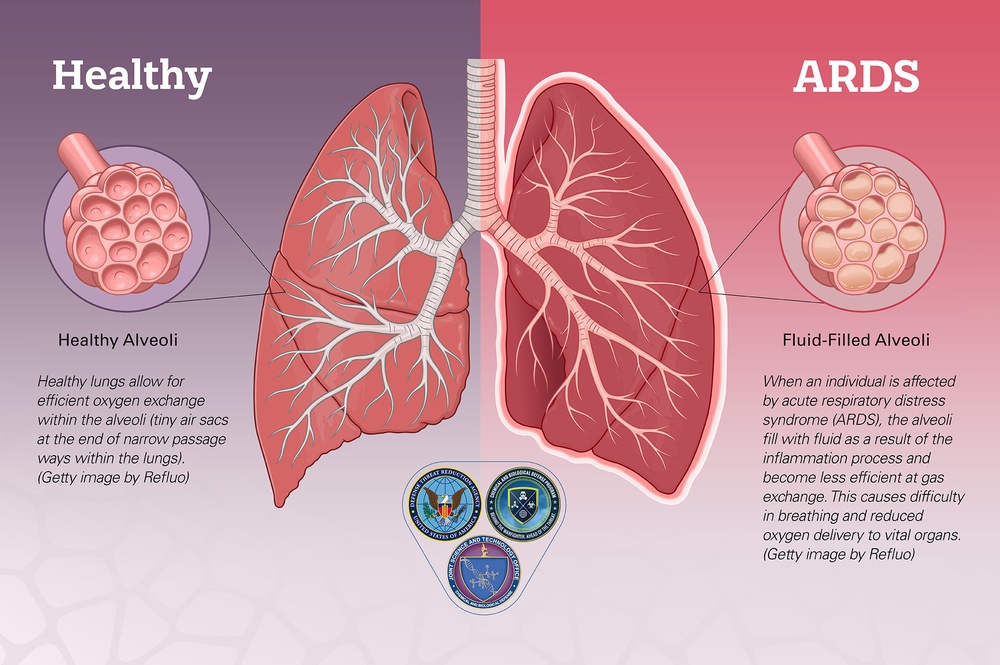
High oxygen saturation levels in conjunction with bleomycin exposure induce apoptosis in alveolar epithelial cells. The loss of these cells compromises the integrity of the alveolar-capillary barrier, impairing gas exchange and further contributing to hypoxemia and respiratory distress.
Clinical Implications and Patient Management
Oxygen Administration Strategies
In clinical settings, it is imperative to judiciously administer supplemental oxygen to patients undergoing bleomycin therapy. Oxygen should be titrated to maintain arterial oxygen saturation levels within the optimal range (typically SpO2 ≥ 90%) while avoiding hyperoxia. Utilizing pulse oximetry and arterial blood gas analysis can aid in precise oxygen delivery.
Monitoring Pulmonary Function
Regular pulmonary function tests (PFTs), including measurements of diffusion capacity for carbon monoxide (DLCO), are essential for early detection of bleomycin-induced lung damage. Timely identification of declining pulmonary function allows for the modification of therapeutic regimens and implementation of protective measures to prevent progression to severe fibrosis.
Patient Education and Risk Mitigation
Educating patients about the risks associated with high oxygen exposure is crucial. Patients should be informed about the importance of adhering to prescribed oxygen therapy protocols and the potential long-term consequences of non-compliance. Additionally, lifestyle modifications, such as smoking cessation, can significantly reduce the risk of pulmonary complications.
Preventive and Therapeutic Strategies
Limiting Oxygen Exposure
Minimizing oxygen exposure to the lowest effective concentration is paramount in reducing the risk of lung tissue damage. In perioperative settings, anesthetic protocols should be adjusted to limit the fraction of inspired oxygen (FiO2), thereby decreasing ROS production and preserving alveolar integrity.
Antioxidant Therapies
Investigating the use of antioxidants as adjunctive therapies presents a promising avenue for mitigating bleomycin-induced oxidative stress. Agents such as N-acetylcysteine and glutathione precursors may enhance the lung's antioxidant defenses, thereby reducing ROS-mediated damage.
Pharmacological Interventions
Prophylactic administration of corticosteroids has shown potential in attenuating the inflammatory response associated with bleomycin toxicity. By suppressing cytokine production and inflammatory cell recruitment, corticosteroids may prevent the progression of lung damage to irreversible fibrosis.
Case Studies and Clinical Evidence
Case Study: Acute Respiratory Distress Syndrome (ARDS)
A 45-year-old male with a history of Hodgkin's lymphoma treated with bleomycin presented with acute onset of dyspnea and hypoxemia post-surgery. High FiO2 was administered to manage hypoxemia, which exacerbated pulmonary toxicity, leading to the development of ARDS. Despite aggressive ventilatory support, the patient succumbed to fatal pulmonary fibrosis, underscoring the critical need for careful oxygen management.
Clinical Trials and Studies
Animal models have consistently demonstrated that hyperoxia significantly worsens bleomycin-induced lung injury. Clinical studies corroborate these findings, indicating a strong association between supplemental oxygen and the severity of pulmonary toxicity in patients receiving bleomycin. These studies advocate for stringent oxygen regulation protocols in clinical practice.
Future Directions and Research
Biomarker Development
Advancing research to identify reliable biomarkers for predicting susceptibility to bleomycin-induced lung toxicity is essential. Biomarkers such as serum cytokine levels and genetic polymorphisms may provide insights into individual risk profiles, facilitating personalized therapeutic strategies.
Innovative Therapies
Exploring novel therapeutic agents that can effectively neutralize ROS without compromising the anti-cancer efficacy of bleomycin is a critical research frontier. Targeted antioxidant therapies and ROS scavengers are under investigation for their potential to protect lung tissue while maintaining chemotherapeutic potency.
Standardizing Clinical Protocols
Developing standardized protocols for oxygen administration in patients undergoing bleomycin therapy is imperative. Consensus guidelines based on robust clinical evidence can guide healthcare providers in optimizing oxygen therapy, thereby minimizing the risk of pulmonary complications.
Conclusion
Summary of Findings
High oxygen saturation levels significantly exacerbate bleomycin-induced lung tissue damage through the overproduction of reactive oxygen species, inflammatory cascades, and apoptosis of alveolar cells. These mechanisms collectively contribute to severe pulmonary complications, including fibrosis and ARDS.
Clinical Implications
Effective management of oxygen therapy, vigilant monitoring of pulmonary function, and patient education are critical in mitigating the adverse effects of bleomycin. Adhering to optimized oxygen administration protocols can enhance patient safety and improve therapeutic outcomes.
Call to Action
Healthcare professionals should advocate for the implementation of evidence-based oxygen management strategies and support ongoing research aimed at uncovering protective interventions against bleomycin-induced pulmonary toxicity.
References
- Oxygen-Exacerbated Bleomycin Pulmonary Toxicity - Mayo Clinic Proceedings
- Lung Damage from Bleomycin - eviQ
- Bleomycin and Perioperative Care: A Case Report - PMC
- Effect of Oxygen on Bleomycin-Induced Lung Damage - Cleveland Clinic Journal of Medicine
- Bleomycin Alert - Fred Hutchinson Cancer Center
PowerPoint Slide Content
Slide 1: Introduction
- Title: High Oxygen Saturation and Lung Damage
- Subtitle: The Bleomycin Connection
- Presenter: [Your Name], Oncologist
- Date: January 24, 2025
- Department of Oncology
Slide 2: Bleomycin Overview
- Chemotherapeutic agent for malignancies
- Mechanism: Induces DNA strand breaks
- Side Effect: Pulmonary toxicity
- Targeted cancers: Hodgkin's, testicular
- Cumulative dose risk factors
Slide 3: Oxygen's Role in Toxicity
- High FiO2 accelerates ROS production
- Overwhelms lung antioxidant defenses
- Leads to oxidative stress and damage
- Clinical evidence from studies
- Impact on alveolar cells
Slide 4: Mechanisms of Lung Damage
- ROS Overload and oxidative stress
- Inflammatory cytokine release
- Fibroblast activation and fibrosis
- Apoptosis of alveolar epithelial cells
- Disruption of gas exchange
Slide 5: Clinical Management
- Limit oxygen exposure (FiO2 <30%)
- Regular pulmonary function monitoring
- Patient education on risks
- Use of antioxidants as adjuncts
- Interdisciplinary care approach
Slide 6: Case Study Overview
- 45-year-old male with Hodgkin's lymphoma
- Post-surgery high FiO2 administration
- Development of ARDS and fibrosis
- Outcome: Fatal despite interventions
- Lessons learned on oxygen management
Slide 7: Preventive Strategies
- Preoperative assessment of bleomycin exposure
- Oxygen titration to SpO2 ≥90%
- Implementation of low FiO2 protocols
- Exploration of non-oxygen-dependent therapies
- Continuous patient monitoring
Slide 8: Future Research Directions
-
Development of predictive biomarkers
-
Investigation of novel antioxidants
-
Standardization of oxygen administration guidelines
-
Long-term studies on pulmonary outcomes
-
Enhanced therapeutic protocols
Slide 9: Conclusion
- High oxygen exacerbates bleomycin lung toxicity
- Critical need for controlled oxygen therapy
- Importance of regular monitoring and education
- Advocacy for research and protocol development
- Improved patient outcomes through strategic management
This presentation provides a comprehensive analysis of the synergistic effects of high oxygen saturation and bleomycin therapy on lung tissue, emphasizing the importance of meticulous oxygen management in clinical practice.
Last updated January 24, 2025