
Unlocking Vitality: Navigating Fatigue in Idiopathic Pulmonary Fibrosis
A comprehensive guide to understanding and managing the pervasive tiredness associated with IPF for an improved quality of life.
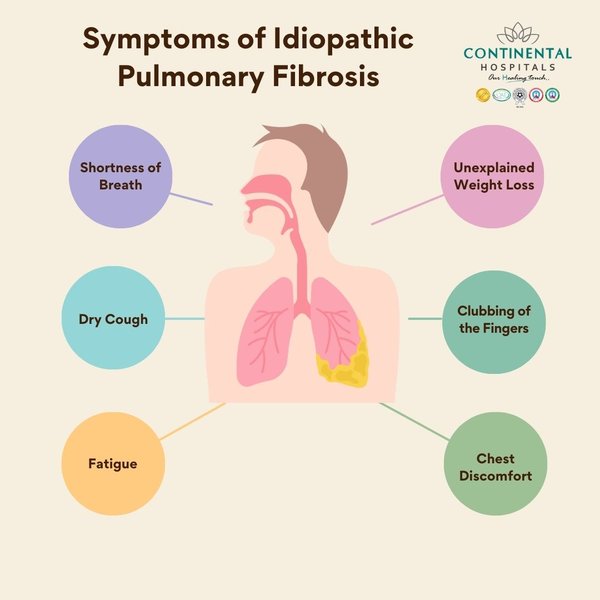
Idiopathic Pulmonary Fibrosis (IPF) is a chronic, progressive lung disease characterized by the scarring (fibrosis) of lung tissue, which makes breathing increasingly difficult. Beyond the primary respiratory symptoms like shortness of breath and persistent cough, fatigue is one of the most common and debilitating complaints among individuals with IPF. This profound sense of tiredness can significantly impact daily activities, emotional well-being, and overall quality of life. While there isn't a single "cure" for IPF-related fatigue, a multifaceted and personalized approach can help manage this challenging symptom effectively.
A healthcare professional discussing treatment options with an IPF patient.
Key Insights into Managing IPF-Related Fatigue
- Multifaceted Approach is Crucial: No single treatment universally alleviates IPF-related fatigue; a combination of strategies tailored to the individual is most effective.
- Pulmonary Rehabilitation is a Cornerstone: These programs, incorporating exercise, education, and support, are highly recommended for improving energy levels and physical function.
- Lifestyle and Self-Management Matter: Optimizing sleep, nutrition, activity pacing, and seeking psychological support play vital roles in combating fatigue.
Deep Dive into Understanding IPF Fatigue
Fatigue in IPF is more than just feeling tired; it's a persistent and often overwhelming exhaustion that rest alone may not relieve. It's reported by up to 95% of individuals with IPF and can significantly detract from their ability to engage in daily life.
The Nature and Types of Fatigue
IPF-related fatigue is multidimensional, often manifesting in several ways:
- Physical Fatigue: A feeling of bodily weariness, making physical tasks challenging. This can be exacerbated by the increased effort of breathing and frequent coughing, which may also disrupt sleep.
- Mental Fatigue: Characterized by difficulty concentrating, "brain fog," or feeling overwhelmed in stimulating environments. Cognitive tasks, like reading or decision-making, can become taxing.
- Emotional Fatigue: Stemming from the chronic stress, anxiety, and grief associated with living with a progressive illness. The emotional burden of IPF can be as draining as the physical symptoms.
What Contributes to Fatigue in IPF?
The precise causes of fatigue in IPF are complex and not fully understood, but several factors are believed to contribute:
- The Disease Itself: Systemic inflammation associated with IPF can lead to oxidative stress and mitochondrial dysfunction, contributing to physical fatigue.
- Hypoxemia: Low blood oxygen levels, common in IPF, can reduce energy availability.
- Increased Work of Breathing: The effort required to breathe with scarred lungs consumes significant energy.
- Deconditioning: Reduced physical activity due to breathlessness or fatigue can lead to muscle weakness and further exacerbate tiredness.
- Sleep Disturbances: Symptoms like coughing, breathlessness, or even side effects from medications (e.g., corticosteroids) can disrupt sleep quality.
- Psychological Factors: Depression, anxiety, and the overall emotional toll of living with a chronic illness are significant contributors.
- Medication Side Effects: Some medications used to treat IPF, such as pirfenidone, list fatigue as a potential side effect.
- Comorbidities: Other health conditions like anemia, thyroid disorders, or vitamin deficiencies (e.g., B12, Vitamin D) can also cause or worsen fatigue.

Fatigue can be an overwhelming symptom for individuals with pulmonary fibrosis.
Comprehensive Strategies for Managing IPF Fatigue
Given its complex nature, managing fatigue in IPF requires a holistic and individualized approach, often involving a multidisciplinary healthcare team including pulmonologists, physiotherapists, dietitians, and psychologists.
Pulmonary Rehabilitation: A Pillar of Support
Pulmonary rehabilitation (PR) is consistently highlighted as one of the most effective non-pharmacological interventions. These programs are tailored to individual needs and typically include:
- Supervised Exercise Training: Aerobic exercises (like walking or cycling) and strength training to improve endurance, muscle strength, and efficiency of oxygen use.
- Education: Information about IPF, breathing techniques (like pursed-lip breathing), medication management, and nutritional advice.
- Self-Management Strategies: Techniques for energy conservation, symptom management, and coping with the emotional aspects of the disease.
- Psychosocial Support: Often includes group sessions, providing an opportunity to connect with others facing similar challenges.
PR has been shown to significantly reduce fatigue scores, improve exercise capacity, and enhance overall quality of life.
Lifestyle Modifications: Empowering Self-Care
Nurturing Physical Well-being
- Tailored Physical Activity: Even light exercise, as tolerated and approved by a healthcare provider, can combat deconditioning and improve energy. Consistency is key.
- Nutrient-Dense Diet: A balanced diet rich in calories may be necessary due to increased energy expenditure. Smaller, frequent meals can be easier to manage and help maintain energy levels.
- Good Sleep Hygiene: Establishing a regular sleep schedule, creating a comfortable and dark sleep environment, and avoiding stimulants before bedtime can improve sleep quality. Addressing nocturnal cough or sleep apnea is also important.
Strategic Energy Management
- Pacing and Energy Conservation: Breaking down large tasks into smaller, manageable segments with rest periods in between can prevent overexertion. Prioritizing activities and delegating tasks when possible are also helpful.
- Avoiding Irritants: Minimizing exposure to lung irritants like smoke, dust, and pollutants can help protect lung function and reduce symptom flare-ups that might worsen fatigue.
Medical Management: Optimizing Health
Addressing IPF and Its Symptoms
- Anti-fibrotic Medications: Drugs like pirfenidone and nintedanib are used to slow the progression of lung scarring. While pirfenidone may cause fatigue as a side effect, and nintedanib less so, the overall goal of stabilizing lung health can indirectly help manage long-term energy levels. Decisions about these medications should be made in consultation with a pulmonologist.
- Supplemental Oxygen: For patients with hypoxemia (low blood oxygen levels), oxygen therapy can alleviate breathlessness, improve exercise tolerance, and potentially reduce short-term fatigue related to hypoxia, especially during activity.
Managing Comorbidities and Underlying Factors
- Screening and Treatment: It's crucial to identify and treat other conditions that can contribute to fatigue, such as anemia, vitamin deficiencies (B12, D), hypothyroidism, depression, and anxiety. Blood tests can help identify these issues.
- Medication Review: Regularly review all medications with a healthcare provider to identify any that might be contributing to fatigue and discuss potential alternatives.
Psychological and Emotional Support
Therapeutic Interventions
- Cognitive Behavioral Therapy (CBT): CBT can help individuals identify and change negative thought patterns and behaviors related to fatigue. It can improve coping skills, reduce stress, and has shown promise in managing fatigue in chronic illnesses.
- Counseling and Psychotherapy: Talking with a therapist or counselor can help address the emotional burden of IPF, including anxiety, depression, and grief, which can significantly contribute to emotional fatigue.
Building Resilience
- Support Groups: Connecting with others who have IPF (online or in-person, like Better Breathers Clubs) can provide emotional support, shared experiences, and practical advice.
- Mindfulness and Relaxation Techniques: Practices like meditation, deep breathing exercises, and yoga can help manage stress and improve emotional well-being.
- Maintaining Social Connections and Hobbies: Engaging in enjoyable activities and maintaining social ties can boost mood and provide a sense of normalcy.
Visualizing the Impact of Fatigue Management Strategies
The following chart illustrates the potential relative impact of various management strategies on different aspects of IPF-related fatigue and well-being. These are generalized estimations, and individual experiences may vary.
This chart highlights how a combination of approaches tends to yield the broadest benefits. For instance, pulmonary rehabilitation scores well across physical domains, while psychological support is key for emotional well-being and mental clarity.
Understanding the Interconnectedness of IPF Fatigue Management
The mindmap below illustrates the various contributing factors to IPF-related fatigue and the comprehensive, interconnected strategies used for its management. It emphasizes that addressing fatigue requires looking at physical, psychological, and lifestyle aspects concurrently.
(Inflammation, Hypoxemia,
Work of Breathing)"] id1b["Treatment-Related
(Medication Side Effects)"] id1c["Psychological
(Depression, Anxiety, Stress)"] id1d["Lifestyle & Behavioral
(Deconditioning, Poor Sleep,
Poor Nutrition)"] id1e["Comorbidities
(Anemia, Thyroid Issues)"] id2["Management Strategies"] id2a["Pulmonary Rehabilitation"] id2a1["Exercise Training"] id2a2["Education"] id2a3["Self-Management Skills"] id2b["Medical Interventions"] id2b1["Optimizing IPF Treatment
(Antifibrotics)"] id2b2["Oxygen Therapy"] id2b3["Treating Comorbidities"] id2c["Lifestyle Adjustments"] id2c1["Tailored Exercise"] id2c2["Nutrition Optimization"] id2c3["Sleep Hygiene"] id2c4["Energy Conservation"] id2d["Psychological Support"] id2d1["Cognitive Behavioral Therapy (CBT)"] id2d2["Counseling & Support Groups"] id2d3["Stress Reduction Techniques"] id3["Desired Outcomes"] id3a["Reduced Fatigue Levels"] id3b["Improved Physical Function"] id3c["Enhanced Emotional Well-being"] id3d["Better Quality of Life"] id3e["Increased Daily Activity"]
This mindmap shows that effective fatigue management considers everything from the direct impact of the disease to the psychological well-being of the patient, employing a range of therapeutic and supportive measures.
Types of Fatigue in IPF and Targeted Approaches
Understanding the specific type(s) of fatigue an individual is experiencing can help tailor management strategies more effectively. The table below outlines common manifestations and potential focus areas for each type of fatigue.
| Type of Fatigue | Common Manifestations | Potential Management Focus |
|---|---|---|
| Physical Fatigue | Muscle weakness, feeling drained after minimal exertion, needing excessive rest, difficulty with daily chores. | Pulmonary rehabilitation (exercise), energy conservation techniques, optimizing oxygen therapy, nutritional support, addressing physical comorbidities. |
| Mental Fatigue | Difficulty concentrating ("brain fog"), forgetfulness, feeling overwhelmed by tasks requiring focus, slowed thinking. | Cognitive Behavioral Therapy (CBT), mindfulness, structured routines, breaking tasks into smaller steps, ensuring adequate sleep, managing stress. |
| Emotional Fatigue | Feeling easily overwhelmed by emotions, increased irritability, tearfulness, persistent worry or sadness, lack of motivation due to emotional exhaustion. | Psychological counseling, support groups, CBT, stress-reduction techniques (meditation, yoga), engaging in enjoyable hobbies, fostering social connections. |
Helpful Video Resource
Managing the various symptoms of IPF, including fatigue, requires a toolkit of strategies. The following video offers valuable tips and insights that can help individuals with pulmonary fibrosis navigate their condition more effectively. It touches upon managing symptoms like cough, shortness of breath, anxiety, and depression, all of which can be intertwined with fatigue.
"Your PF toolkit: Tips and Strategies for managing symptoms" – This video discusses various strategies for managing pulmonary fibrosis symptoms, which are relevant to combating fatigue.
The Importance of Communication
Open and ongoing communication with your healthcare team is paramount. Discuss your fatigue levels, how it impacts your life, and any changes you notice. Your doctors and therapists can help adjust your management plan, investigate potential underlying causes (like anemia or vitamin deficiencies), and ensure you are receiving the most appropriate support.

Regular consultations with healthcare providers are essential for managing IPF and its symptoms like fatigue.
Frequently Asked Questions (FAQ)
Is there a single best medication to treat fatigue in IPF?
Currently, there is no specific medication approved solely for treating fatigue in IPF. Anti-fibrotic medications (pirfenidone and nintedanib) aim to slow disease progression, which may indirectly help with overall well-being, but they are not direct fatigue treatments and can sometimes cause fatigue as a side effect. Management focuses on a comprehensive approach including pulmonary rehabilitation, lifestyle changes, and addressing underlying contributors rather than a single pill.
How can exercise help with fatigue if I already feel too tired to exercise?
It might seem counterintuitive, but inactivity can worsen fatigue by leading to deconditioning and muscle weakness. Light to moderate exercise, tailored to your ability and often guided by a pulmonary rehabilitation program, can gradually improve muscle strength, endurance, and the body's efficiency in using oxygen. This can, over time, reduce feelings of fatigue. Starting slowly and pacing yourself is key.
Can my diet affect my energy levels with IPF?
Yes, diet plays a role. Individuals with IPF may have increased energy needs due to the extra work of breathing. A balanced, nutrient-dense diet can help provide the necessary fuel. Some people find eating smaller, more frequent meals easier to manage than large ones. Maintaining a healthy weight is also important. Consulting a dietitian familiar with IPF can provide personalized advice.
Does supplemental oxygen help with fatigue?
If your blood oxygen levels are low (hypoxemia), supplemental oxygen can help reduce breathlessness and improve your ability to perform daily activities, which may, in turn, lessen activity-related fatigue. However, oxygen therapy may not alleviate all types of fatigue, especially if the fatigue is due to other factors like inflammation, depression, or deconditioning.
What is the role of psychological support in managing fatigue?
Psychological support is very important. Living with a chronic illness like IPF can lead to emotional fatigue, anxiety, and depression, all of which can exacerbate overall fatigue. Therapies like Cognitive Behavioral Therapy (CBT), counseling, and support groups can provide coping strategies, help manage stress, and improve emotional well-being, thereby reducing the burden of fatigue.
Conclusion
Managing fatigue in Idiopathic Pulmonary Fibrosis is a journey that requires a personalized, comprehensive, and adaptive strategy. While there is no magic bullet, a combination of pulmonary rehabilitation, appropriate medical care for IPF and any coexisting conditions, strategic lifestyle adjustments (including exercise, nutrition, and sleep), and robust psychological support can significantly improve energy levels and enhance the quality of life for individuals living with IPF. Continuous dialogue with healthcare providers is essential to tailor and optimize these approaches over time.
Recommended Further Exploration
- What specific exercises are recommended in pulmonary rehabilitation for IPF patients?
- How does Cognitive Behavioral Therapy specifically help reduce fatigue in chronic lung conditions?
- What are the best nutritional strategies for maintaining energy with Idiopathic Pulmonary Fibrosis?
- How can I differentiate between IPF-related fatigue and fatigue from other causes like depression or anemia?
References
Last updated May 21, 2025