
Navigating Muscle Growth at 40+: A Tailored Approach for Joint Health
Effectively build strength and muscle while managing tricep tendinitis, supraspinatus issues, and knee chondropathy.
Building muscle after the age of 40 is not only achievable but also highly beneficial for overall health, vitality, and combating age-related muscle loss. However, when navigating this journey with a history of tricep tendinitis, supraspinatus tendinitis (including a partial tear), and possible knee chondropathy, a strategic, mindful, and informed approach is paramount. This guide will help you understand how to train effectively, prioritizing safety and longevity in your fitness endeavors.
Key Highlights for Your Training Journey
- Prioritize Joint-Friendly Modifications: Always select exercises and techniques that minimize stress on your shoulders, elbows, and knees. Impeccable form trumps heavy weight every time.
- Embrace Smart Progressive Overload: Muscle growth requires challenging your muscles, but this must be done gradually and intelligently. Focus on controlled movements, and consider increasing reps, sets, or workout density before aggressively adding weight.
- Integrate Comprehensive Recovery: Men over 40, especially those with pre-existing conditions, require more recovery time. Adequate sleep, strategic rest days, and proper nutrition are non-negotiable for muscle repair and growth.
- Consult Professionals: Before starting or significantly altering your exercise regimen, seek guidance from a physical therapist and/or a qualified strength coach experienced with your specific conditions.
Understanding Your Specific Challenges
A clear understanding of your conditions is the first step towards training safely and effectively.
Supraspinatus Tendinitis & Partial Tear
The supraspinatus muscle is one of the four rotator cuff muscles, crucial for shoulder movement (especially lifting your arm out to the side) and stability. Tendinitis indicates inflammation of the tendon, and a partial tear means some fibers of the tendon are torn. This condition can cause pain, weakness, and limited range of motion, particularly with overhead activities or when lifting the arm. Repetitive overhead movements, heavy lifting with improper form, or sudden trauma can exacerbate this. Training must focus on strengthening the surrounding rotator cuff muscles and scapular stabilizers to support the shoulder, while strictly avoiding movements that cause pain or impingement.
Tricep Tendinitis
Tricep tendinitis is an inflammation of the tendon that attaches the tricep muscle (at the back of your upper arm) to the elbow. It's often an overuse injury, common in activities involving repetitive elbow extension, like certain pressing movements in weightlifting or some manual labor. Pain is typically felt at the back of the elbow, especially when straightening the arm against resistance. Training modifications will involve carefully selecting tricep exercises, potentially reducing load, and ensuring flawless form to avoid aggravating the tendon.
Possible Knee Chondropathy
Knee chondropathy refers to damage or softening of the articular cartilage in the knee joint, often under the kneecap (chondromalacia patellae). This can lead to pain, stiffness, and a grinding sensation, particularly during activities like squatting, climbing stairs, running, or prolonged sitting. High-impact activities and deep knee flexion under load can worsen symptoms. Your exercise approach should emphasize low-impact activities and strengthening the muscles around the knee (quadriceps, hamstrings, glutes) to provide better support and reduce stress on the cartilage.
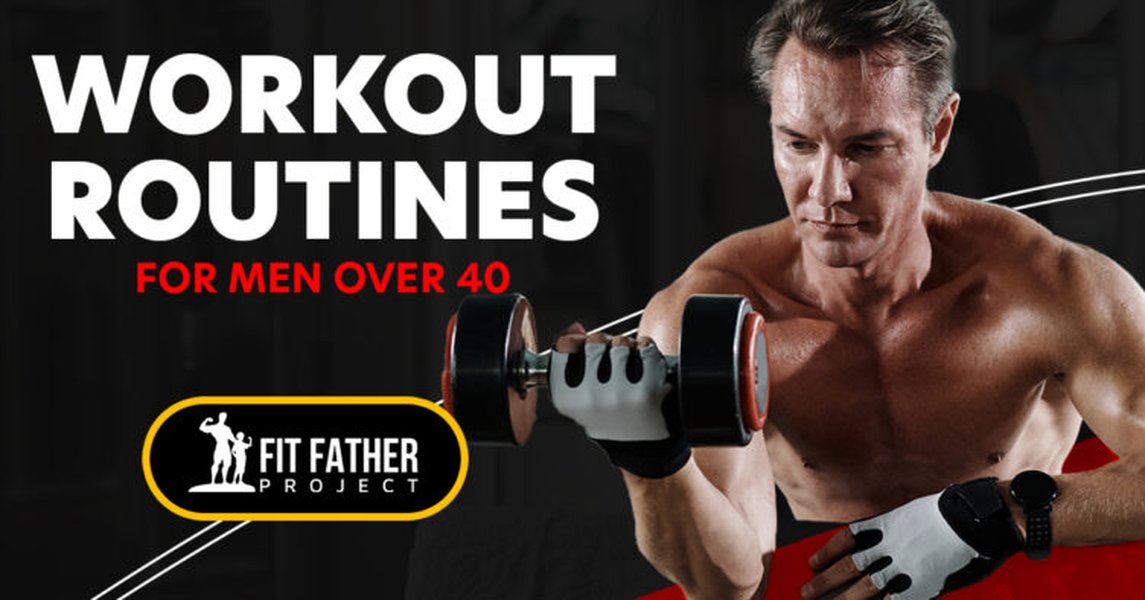
Building muscle effectively after 40 requires a smart, sustainable approach.
Pillars of Effective & Safe Muscle Building After 40
Adopting these core principles will form the bedrock of your successful muscle-building program.
The Golden Rule: Listen to Your Body
This cannot be overstated. Pain is a signal that something is wrong. Differentiating between muscle soreness (Delayed Onset Muscle Soreness - DOMS) and joint/tendon pain is crucial. Never push through sharp, stabbing, or persistent pain, especially in your known problem areas. Be prepared to modify, skip an exercise, or take an extra rest day if needed.
Professional Guidance: Your First Step
Consult with a physical therapist who can assess your specific conditions, provide rehabilitation exercises, and guide you on safe movement patterns. A qualified strength and conditioning coach with experience in post-rehabilitation training can then help you design a muscle-building program tailored to your needs and limitations.
Modified Progressive Overload: Smarter, Not Just Harder
To build muscle, you need to progressively challenge your muscles. However, with your history, this doesn't always mean lifting heavier. Consider these methods of progressive overload:
- Increasing repetitions with the same weight.
- Increasing the number of sets.
- Decreasing rest time between sets.
- Improving form and control through the full range of (safe) motion.
- Increasing training frequency (if recovery allows).
- Gradually and cautiously increasing weight, only when form is perfect and there's no pain.
Research indicates that high repetitions (e.g., 30-40 reps) with lighter weights can stimulate similar muscle growth to heavy weights with lower reps (e.g., 10-12 reps), which can be a more joint-friendly approach.
The Importance of Impeccable Form
Correct exercise technique is vital for everyone, but it's non-negotiable for you. Poor form is a primary cause of injury and will exacerbate your existing conditions. Focus on slow, controlled movements, engaging the target muscles, and maintaining stability, especially around the shoulder and knee joints. Consider using mirrors or recording yourself to check your form.
Recovery: The Unsung Hero of Muscle Growth
Muscle growth happens during recovery, not during the workout itself. Men over 40 generally require more recovery time. Prioritize:
- Sleep: Aim for 7-9 hours of quality sleep per night, as this is when crucial muscle repair and hormone production occur.
- Rest Days: Incorporate adequate rest days between strength training sessions targeting the same muscle groups (allow 48-72 hours). Active recovery, like light walking or stretching, can be beneficial on these days.
- Stress Management: Chronic stress can elevate cortisol levels, hindering muscle growth and recovery.
Nutritional Synergy for Muscle & Joint Health
Proper nutrition is critical for building muscle and supporting joint health. Focus on:
- Adequate Protein: Consume 1.6-2.2 grams of protein per kilogram of body weight daily, spread throughout the day, from sources like lean meats, fish, eggs, dairy, legumes, and protein supplements if needed.
- Healthy Fats: Include sources of omega-3 fatty acids (e.g., fatty fish, flaxseeds, walnuts) which have anti-inflammatory properties.
- Complex Carbohydrates: Fuel your workouts and replenish glycogen stores with whole grains, fruits, and vegetables.
- Micronutrients: Ensure adequate intake of vitamins and minerals, crucial for muscle function and repair. A basic multivitamin might be considered.
- Hydration: Stay well-hydrated throughout the day.
Tailoring Your Training: Exercise Adaptations & Recommendations
The key is to select exercises that build muscle effectively while minimizing stress on your vulnerable areas.
Shoulder-Safe Strategies (Supraspinatus Focus)
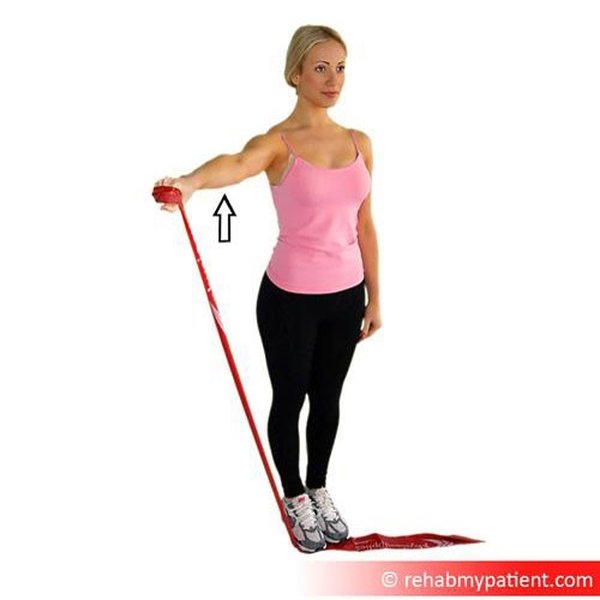
Example of gentle exercises for supraspinatus rehabilitation.
Exercises to Emphasize (Focus on Rotator Cuff and Scapular Stability):
- Pendulum Swings: Gentle motion to promote blood flow and mobility.
- Scapular Retractions/Squeezes: Seated or standing, pull shoulder blades together and down.
- External Rotations: With a light resistance band or dumbbell, elbow tucked at your side.
- Internal Rotations: Similar to external rotations, but rotating inward.
- Wall Slides / Scapular Wall Angels: Focus on controlled scapular movement.
- Isometric Holds: E.g., gentle lateral raises at 45 degrees with thumbs up, holding for a few seconds with very light or no weight.
- Rows: Using bands, cables, or dumbbells with controlled movement, ensuring good scapular retraction and avoiding shoulder shrugging. Focus on horizontal pulling rather than vertical.
Exercises to Approach with Caution or Avoid:
- Overhead Presses (Barbell, Dumbbell): High risk for supraspinatus impingement.
- Lat Pulldowns (especially behind the neck): Can stress the shoulder joint.
- Upright Rows: Known to cause shoulder impingement.
- Heavy Bench Presses: Can strain the rotator cuff if form is not perfect or if the shoulder is unstable. Consider dumbbell presses with a neutral grip and limited range of motion.
- Kipping movements or exercises involving throwing motions.
- Any exercise that causes shoulder pain.
Tricep-Friendly Movements
Exercises to Emphasize:
- Tricep Pushdowns: With a cable machine or resistance band, focusing on controlled movement and avoiding full lockout if it causes pain.
- Overhead Dumbbell Extensions (Single or Double Arm): Use light to moderate weight, ensure elbows don't flare excessively, and maintain control. Stop if painful.
- Close-Grip Push-Ups (Modified): On knees or against a wall to reduce load.
- Skullcrushers (Lying Tricep Extensions): With light weight and very strict form, avoiding bouncing or uncontrolled descent.
Exercises to Approach with Caution or Avoid:
- Dips (Parallel Bars or Bench): Can place significant stress on the elbow and shoulder. Avoid initially or use with very limited range of motion and extreme caution.
- Heavy Close-Grip Bench Press: Reduce weight and focus on control.
- Sudden, heavy, or explosive tricep movements.
Knee-Preserving Exercises (Chondropathy Focus)
Exercises to Emphasize:
- Stationary Cycling: Low resistance initially, focusing on smooth pedaling.
- Swimming or Water Aerobics: Excellent low-impact options.
- Quadriceps Setting (Isometric Quad Contractions): Tighten thigh muscle, hold, relax.
- Straight Leg Raises: Lying on back, lift one leg a few inches off the floor, keeping it straight.
- Hamstring Curls: Prone (lying on stomach) or seated with a machine or resistance band.
- Glute Bridges: Lying on back, knees bent, lift hips off the floor.
- Partial Wall Sits: Slide down a wall until knees are at a comfortable angle (e.g., 45-60 degrees, not deep), hold.
- Modified/Partial Squats: Only squat to a depth that is pain-free, ensuring knees track over toes and don't cave inward. Box squats to a higher-than-parallel box can be useful.
Exercises to Approach with Caution or Avoid:
- Running, Jogging, Jumping, High-Impact Aerobics.
- Deep Squats and Lunges (especially with heavy weight).
- Leg Press: Can be done if pain-free, but avoid deep ranges of motion and heavy loads.
- Stair Climbing or Hill Running (if it causes pain).
Compound vs. Isolation: Finding the Right Balance
Compound exercises (working multiple muscle groups simultaneously, like modified squats, rows, push-ups) are generally efficient for muscle building. However, due to your conditions, some may need significant modification or replacement with isolation exercises (targeting a single muscle group) that allow for better control and less stress on vulnerable joints. A combination, carefully chosen, is often best.
Visualizing Training Approaches: A Comparative Look
Different training philosophies carry varying levels of joint stress, intensity, and muscle growth potential. The radar chart below offers a conceptual comparison of approaches relevant to your situation. "Cautious Progressive Overload" and "High-Rep/Low-Weight" are generally more suitable strategies for building muscle while managing joint health compared to "Aggressive Heavy Lifting". "Bodyweight & Resistance Bands" can be excellent for starting, rehabilitation, and maintaining fitness with very low joint stress.
This chart illustrates that while aggressive heavy lifting might offer high muscle growth potential, it scores low on joint safety and intensity control, making it unsuitable. Cautious progressive overload balances these factors more effectively for your situation.
Mapping Your Path: A Holistic Training Strategy
A mindmap can help visualize the interconnected elements of your training plan, ensuring a comprehensive approach to muscle building while respecting your body's current needs and limitations.
with Joint Concerns"] id1["Understanding Conditions"] id1a["Supraspinatus
(Tendinitis & Partial Tear)
- Avoid overhead lifts
- Strengthen rotator cuff"] id1b["Tricep Tendinitis
- Modify pressing
- Controlled extensions"] id1c["Knee Chondropathy
- Low-impact focus
- Strengthen quads/glutes/hams"] id2["Core Training Principles"] id2a["Professional Guidance
(PT, Coach)"] id2b["Modified Progressive Overload
(Reps, Sets, Form > Weight)"] id2c["Impeccable Form
& Controlled Movements"] id2d["Prioritize Recovery
(Sleep, Rest Days)"] id2e["Listen to Your Body
(No pain principle)"] id3["Exercise Modification & Selection"] id3a["Shoulder-Safe Exercises
(Rotations, Scapular Work)"] id3b["Tricep-Friendly Options
(Light extensions, Modified Push-ups)"] id3c["Knee-Preserving Movements
(Cycling, Leg Raises, Partial Squats)"] id3d["Low-Impact Cardio
(Swimming, Elliptical)"] id4["Nutrition & Lifestyle"] id4a["Adequate Protein Intake
(1.6-2.2g/kg)"] id4b["Anti-inflammatory Foods
(Omega-3s)"] id4c["Hydration & Micronutrients"] id4d["Stress Management"]
This mindmap illustrates how understanding your specific joint conditions, adhering to core training principles like professional guidance and modified progressive overload, carefully selecting and modifying exercises, and supporting your efforts with proper nutrition and lifestyle choices all contribute to safely and effectively building muscle after 40.
Structuring Your Workout Plan
Warm-Up & Cool-Down: Non-Negotiables
- Warm-Up (10-15 minutes): Start with light cardiovascular activity (e.g., stationary bike, elliptical) to increase blood flow. Follow with dynamic stretches and mobility exercises, paying special attention to your shoulders and knees. Include specific activation exercises for the rotator cuff and scapular stabilizers.
- Cool-Down (5-10 minutes): Finish with static stretches for the major muscle groups worked, holding each stretch for 20-30 seconds. This can help improve flexibility and reduce post-exercise stiffness.
Frequency, Sets, and Reps
- Frequency: Aim for 2-3 full-body strength training sessions per week, or an upper/lower split if preferred, ensuring at least 48 hours of rest between working the same muscle groups.
- Sets: 2-3 working sets per exercise is a good starting point.
- Reps: Aim for a range of 8-15 repetitions per set. Some research suggests that for older adults or those with joint issues, higher reps (15-20, or even 30-40 with very light weight) can be effective for muscle growth while being gentler on the joints. Focus on controlled movements and reaching muscular fatigue within your chosen rep range.
Low-Impact Cardiovascular Exercise
Incorporate 2-3 sessions of low-impact cardiovascular exercise per week (e.g., 20-30 minutes of swimming, cycling, elliptical training, or brisk walking) on non-strength training days or after your workouts, if tolerated. This supports overall health, aids recovery, and maintains cardiovascular fitness without stressing your joints.
Exercise Considerations Summary Table
This table provides a quick reference for exercise selection based on your conditions. Always prioritize pain-free movement and proper form.
| Condition | Recommended Exercises / Modifications | Exercises to Approach with Caution or Avoid |
|---|---|---|
| Supraspinatus Tendinitis & Partial Tear | Scapular retractions, external/internal rotations (band/light DB), pendulum exercises, wall slides, isometric holds (e.g., 45-degree lateral raise, no/light weight, thumbs up), controlled rows (band/cable/DB), face pulls. | All overhead presses, lat pulldowns (especially behind neck), upright rows, heavy bench press, kipping movements, throwing, any exercise causing sharp shoulder pain. |
| Tricep Tendinitis | Light tricep pushdowns (band/cable), light overhead DB extensions (controlled), modified push-ups (knees/wall/incline), light skullcrushers with perfect form. | Heavy dips, heavy close-grip bench press, abrupt/explosive tricep extensions, exercises causing elbow pain. |
| Knee Chondropathy | Stationary cycling, swimming, water aerobics, quad sets, straight leg raises, hamstring curls (machine/band), glute bridges, partial wall sits, partial/box squats (pain-free range), leg press (light, pain-free range). | Running, jumping, deep squats, deep lunges, high-impact aerobics, stair climbing/hills (if painful), any exercise causing knee pain or grinding. |
Video Guide: Building Muscle Over 40 Safely
Visual guides can be incredibly helpful. The following video offers insights into essential muscle-building exercises for men over 40, emphasizing safe and effective techniques. While watching, consider how these exercises can be adapted to your specific needs and limitations, always prioritizing joint health.
This video discusses "10 Essential Muscle Building Exercises For Men Over 40." Key takeaways often include focusing on compound movements (which you'll need to modify), proper form, and consistency. Remember to cross-reference any exercise suggestions with the specific contraindications for your tricep, supraspinatus, and knee conditions discussed earlier. For example, if an overhead press is suggested, you would need to opt for a shoulder-safer alternative like a landmine press (if tolerated) or focus on rotator cuff specific work instead.
Frequently Asked Questions (FAQ)
How often should I train with these conditions?
Aim for 2-3 strength training sessions per week, allowing at least 48-72 hours of rest for muscle groups worked. Consistency is key, but listen to your body; if you're experiencing pain or excessive fatigue, take an extra rest day. Low-impact cardio can be done on alternate days.
What kind of warm-up is best?
A thorough warm-up of 10-15 minutes should include light cardio (e.g., stationary bike), dynamic stretches (arm circles, leg swings), and specific activation exercises for your rotator cuff (e.g., band pull-aparts, external rotations) and core. This prepares your muscles and joints for the workout and reduces injury risk.
Is it still possible to make significant muscle gains after 40 with these injuries?
Yes, absolutely. While progress might be more gradual and require careful planning, men over 40 can still build significant muscle. The key is consistency, smart training that respects your injuries (focusing on what you can do safely), progressive overload, proper nutrition, and adequate recovery. Patience and a long-term perspective are important.
What role does nutrition play in muscle building and recovery with these conditions?
Nutrition is crucial. Adequate protein intake (around 1.6-2.2g per kg of body weight) is essential for muscle repair and growth. Consuming anti-inflammatory foods, such as those rich in omega-3 fatty acids, can help manage tendinitis. A balanced diet with sufficient calories, complex carbohydrates for energy, and micronutrients supports overall recovery and health.
When should I definitely see a doctor or physical therapist?
You should consult a doctor or physical therapist before starting any new exercise program, especially with your history. Additionally, seek professional advice if you experience any of the following: sharp or persistent pain during or after exercise, increased swelling, a noticeable decrease in range of motion, or if your symptoms worsen despite modifications and rest.
Recommended Further Exploration
To deepen your understanding, consider exploring these related queries:
- Best low-impact exercises for building leg muscle with knee pain?
- How to safely perform rotator cuff strengthening exercises at home?
- Nutritional strategies for muscle growth and joint health over 40?
- Differences between tendinitis and a partial tendon tear recovery process?
References
Last updated May 6, 2025