
Unlock Peak Health at 30: Your Ultimate Supplement Blueprint for India
A comprehensive, science-informed protocol for vitality, prevention, and longevity tailored for a 30-year-old male.
Navigating the world of supplements can be overwhelming. You're looking for a clear, effective strategy tailored for a 30-year-old male in India, focusing on filling deficiencies, boosting overall health, preventing disease, promoting anti-aging and anti-inflammatory benefits, and even touching upon optimizing metrics like epigenetic age. This guide synthesizes information from expert opinions and user experiences to provide a robust protocol.
Essential Takeaways for Your Health Journey
- Personalization is Paramount: While this guide offers a comprehensive baseline, get blood tests (Vitamin D, B12, Magnesium, Zinc, Ferritin, Homocysteine) to identify personal deficiencies and tailor your intake accordingly.
- Foundation First: Focus on core nutrients often lacking (Vitamin D, Magnesium, Omega-3s, B Vitamins) before adding more specialized supplements. Quality matters – choose reputable brands.
- Lifestyle Synergy: Supplements work best alongside a balanced diet rich in whole foods, regular exercise, adequate sleep (7-9 hours), stress management, and moderate sun exposure. These factors are crucial for overall health and anti-aging.
Understanding Your Baseline: Deficiencies and the Indian Context
Why Testing Matters
Before starting any supplement regimen, understanding your individual needs is crucial. Self-diagnosing can lead to unnecessary supplementation or overlooking critical deficiencies. A comprehensive blood panel provides objective data to guide your choices. Consult with a healthcare professional to interpret results and personalize your plan.
Common Considerations in India
Certain nutritional deficiencies are more prevalent in the Indian population due to dietary habits, lifestyle factors, and environmental conditions:
- Vitamin D: Widespread deficiency due to factors like darker skin pigmentation (which synthesizes Vitamin D less efficiently), urban lifestyles with limited sun exposure, and air pollution blocking UVB rays.
- Vitamin B12: Particularly common among vegetarians, as B12 is primarily found in animal products. Deficiency can lead to fatigue, neurological issues, and elevated homocysteine levels.
- Omega-3 Fatty Acids: Intake can be low, especially in diets lacking fatty fish. These are vital for heart, brain, and inflammatory health.
- Magnesium & Zinc: Soil depletion and food processing can reduce the levels of these essential minerals in the diet. They play roles in hundreds of bodily processes.
This protocol aims to address these common gaps while providing broader health support.
Your Foundational Supplement Protocol
This core set of vitamins and minerals addresses common deficiencies and supports fundamental aspects of health.
1. Vitamin D3
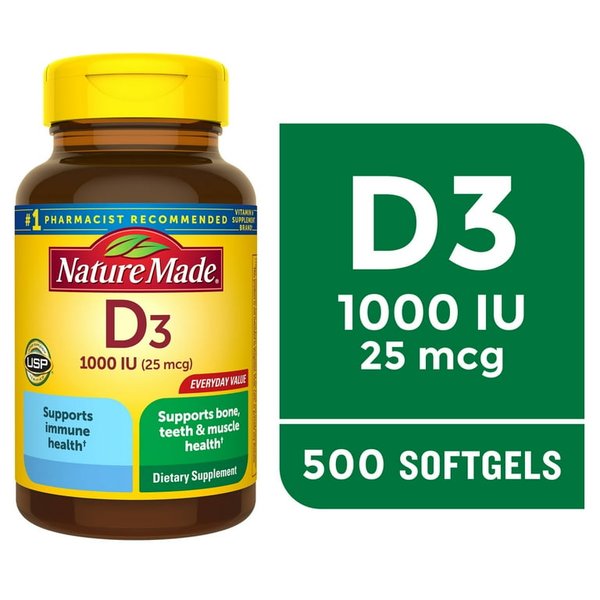
Vitamin D3 is crucial for bone, immune, and hormonal health, especially in regions with common deficiencies.
Key Benefits:
- Supports bone health by aiding calcium absorption.
- Modulates immune function, potentially reducing infection risk.
- Plays a role in mood regulation and hormone balance.
- May influence inflammation and epigenetic factors.
Recommendation:
- Dosage: 2000 IU daily is a common starting point, but adjust based on blood test results (aiming for levels between 30-60 ng/mL).
- Notes: Take with a meal containing fat for better absorption. Consider pairing with Vitamin K2 (MK-7 form, around 100mcg) for synergistic effects on bone and cardiovascular health.
2. Magnesium
Key Benefits:
- Essential for over 300 enzymatic reactions, including energy production.
- Supports muscle relaxation and nerve function.
- Promotes better sleep quality and stress response.
- Contributes to cardiovascular health and blood sugar control.
- Has anti-inflammatory properties.
Recommendation:
- Dosage: 200-400 mg of elemental magnesium daily.
- Notes: Choose highly bioavailable forms like Magnesium Glycinate (good for relaxation, less laxative effect) or Magnesium Citrate (can have a mild laxative effect). Take in the evening for potential sleep benefits. Avoid taking concurrently with high-dose Zinc or Calcium supplements.
3. Omega-3 Fatty Acids (EPA & DHA)
Key Benefits:
- Potent anti-inflammatory effects, beneficial for joints, heart, and systemic inflammation.
- Crucial for brain health, cognitive function, and mood support.
- Supports cardiovascular health by improving lipid profiles and blood pressure.
- Contributes to eye health and skin health.
Recommendation:
- Dosage: Aim for at least 1000 mg of combined EPA and DHA daily. Higher doses (2000-3000 mg) may be used for specific therapeutic goals under guidance.
- Notes: Choose high-quality fish oil (check for purity testing for heavy metals like mercury) or algae-based supplements if vegetarian. Look for triglyceride form for better absorption. Take with meals.
4. B-Complex Vitamins
Key Benefits:
- Essential for energy metabolism (converting food into energy).
- Support nervous system function and cognitive health.
- Crucial for red blood cell formation (especially B12 and Folate).
- Help regulate homocysteine levels (high levels are a risk factor for cardiovascular disease). B6, B9 (Folate), and B12 are key here.
- Support methylation processes, which are linked to epigenetic health.
Recommendation:
- Dosage: Follow dosage on a balanced, high-quality B-complex supplement. Ensure adequate B12 (especially if vegetarian/vegan), Folate (prefer methylfolate form), and B6.
- Notes: Take in the morning, as B vitamins can be energizing.
5. Zinc
Key Benefits:
- Vital for immune system function and wound healing.
- Supports healthy testosterone levels and male reproductive health.
- Acts as an antioxidant and is involved in numerous enzymatic processes.
Recommendation:
- Dosage: 15-25 mg of elemental zinc daily.
- Notes: Choose forms like Zinc Picolinate or Gluconate. Take with food to minimize potential nausea. Avoid taking at the same time as high-dose calcium, iron, or magnesium supplements, as they can compete for absorption. Long-term high-dose zinc may require copper supplementation.
6. Vitamin C
Key Benefits:
- Powerful antioxidant, protecting cells from damage.
- Supports immune system function.
- Essential for collagen synthesis (skin, joints, blood vessels).
- Enhances the absorption of non-heme iron (from plant sources).
Recommendation:
- Dosage: 500-1000 mg daily.
- Notes: Can be taken anytime. Buffered forms (like calcium ascorbate) may be gentler on the stomach.
7. Multivitamin (Optional Safety Net)
A quality multivitamin can help cover minor micronutrient gaps.
Key Benefits:
- Provides a broad range of essential vitamins and minerals as a nutritional "insurance policy."
- Can help fill small gaps not covered by diet or other targeted supplements.
Recommendation:
- Dosage: Follow product instructions.
- Notes: Choose a high-quality brand without excessive mega-doses of individual nutrients unless specifically needed. Look for GMP certification. May not be necessary if diet is excellent and other foundational supplements are taken.
Targeted Nutraceuticals for Longevity, Prevention & Anti-Inflammation
These compounds offer more specific benefits for proactive health, anti-aging, and reducing inflammation.
1. Curcumin (from Turmeric)
Key Benefits:
- Potent anti-inflammatory agent, beneficial for joint health and systemic inflammation.
- Strong antioxidant properties.
- Supports brain health and may protect against neurodegenerative processes.
- Culturally significant in India and generally well-tolerated.
Recommendation:
- Dosage: 500-1000 mg of a bioavailable curcumin extract daily.
- Notes: Look for formulations combined with piperine (black pepper extract) or other methods (e.g., phytosomes, nanoparticles) to enhance absorption significantly. Take with food.
2. Probiotics
Key Benefits:
- Support a healthy gut microbiome, which is crucial for digestion and nutrient absorption.
- Modulate immune function (a large part of the immune system resides in the gut).
- Can help reduce chronic low-grade inflammation originating from the gut.
- May improve mood and mental health via the gut-brain axis.
Recommendation:
- Dosage: Choose a broad-spectrum product with multiple strains (e.g., Lactobacillus, Bifidobacterium) containing at least 10-20 billion CFUs (Colony Forming Units) daily.
- Notes: Consider rotating brands/strains occasionally. Complement with prebiotic fibers (from diet or supplements) and fermented foods common in India (like Dahi, Idli, Dosa). Refrigeration may be required for some products.
3. Coenzyme Q10 (CoQ10)
Key Benefits:
- Essential for mitochondrial function and cellular energy (ATP) production.
- Acts as a powerful antioxidant, protecting cells from oxidative stress.
- Supports cardiovascular health.
- Levels naturally decline with age.
Recommendation:
- Dosage: 100-200 mg daily.
- Notes: The Ubiquinol form is generally considered more bioavailable, especially for older individuals, but Ubiquinone is also effective for many. Take with a meal containing fat. Particularly beneficial if taking statin medications (which can deplete CoQ10).
4. Resveratrol
Key Benefits:
- Activates sirtuins, pathways linked to cellular repair, metabolism, and longevity.
- Has antioxidant and anti-inflammatory properties.
- May support cardiovascular health.
Recommendation:
- Dosage: 100-500 mg of trans-resveratrol daily.
- Notes: Often taken with meals. Research is ongoing, but it's a popular compound in anti-aging protocols.
5. N-Acetylcysteine (NAC)
Key Benefits:
- Precursor to glutathione, a major cellular antioxidant.
- Supports detoxification pathways in the liver.
- Has mucolytic properties (helps break down mucus), supporting respiratory health.
- May have neuroprotective and mood-stabilizing effects.
- Some research suggests potential benefits related to inflammation and aging.
Recommendation:
- Dosage: 600-1200 mg daily, often split into two doses.
- Notes: Take on an empty stomach for potentially better absorption, though can be taken with food if stomach upset occurs.
Performance & Wellness Enhancers
These supplements are popular for specific goals like muscle health, cognitive function, and stress adaptation.
1. Creatine Monohydrate
Creatine is well-researched for both physical and cognitive benefits.
Key Benefits:
- Increases phosphocreatine stores in muscles, enhancing strength, power output, and muscle growth during resistance training.
- Supports cellular energy production, potentially benefiting brain function and reducing mental fatigue.
- Has neuroprotective properties.
- Helps maintain muscle mass with aging.
Recommendation:
- Dosage: 3-5 grams daily. A loading phase (20g/day for 5-7 days) is optional but not necessary for long-term benefits.
- Notes: Choose micronized creatine monohydrate for better solubility. Drink plenty of water. Extremely well-researched and considered safe for long-term use. Beneficial even for non-athletes.
2. Ashwagandha
Key Benefits:
- Adaptogen that helps the body manage stress.
- May reduce cortisol levels and perceived stress/anxiety.
- Potential benefits for energy levels, physical performance, and cognitive function.
Recommendation:
- Dosage: Typically 300-600 mg of a standardized root extract (e.g., KSM-66 or Sensoril) daily, often split into two doses.
- Notes: Can be taken cycling (e.g., 8 weeks on, 2-4 weeks off) or continuously depending on individual response. Best taken with food.
3. Collagen Peptides
Key Benefits:
- May support skin elasticity and hydration.
- Potential benefits for joint health and reducing joint pain.
- Provides amino acids important for hair and nail health.
Recommendation:
- Dosage: 10-20 grams daily.
- Notes: Choose hydrolyzed collagen peptides for better absorption. Can be mixed into beverages (hot or cold). Effects are generally seen with consistent long-term use.
Visualizing Supplement Focus Areas
The following chart provides a visual representation of how key supplements discussed contribute to different health goals. Scores are based on synthesized evidence and common uses, reflecting relative importance rather than absolute efficacy (scale 3-10 for better visual separation).
As the chart illustrates, supplements often have overlapping benefits. Omega-3s and Curcumin excel in anti-inflammatory support, Vitamin D is key for immune and bone health, Probiotics dominate gut health, and Creatine stands out for energy/cognition and muscle support. Combining these strategically addresses multiple health goals.
Mapping Your Path to Holistic Health
This mindmap outlines the interconnectedness of your health goals and the strategies discussed, including supplements and crucial lifestyle factors.
This map highlights that supplements are just one piece of the puzzle. Achieving your health goals requires a synergistic approach combining targeted nutrition with foundational lifestyle habits and ongoing monitoring.
Evidence-Based Supplement Insights
Understanding which supplements have strong scientific backing is important. The video below discusses some commonly used supplements and the evidence behind their benefits, helping you make informed decisions.
This video emphasizes the importance of certain nutrients like Vitamin D, often discussed in relation to widespread deficiencies and their broad impact on health, aligning with the recommendations in this protocol. It reinforces the idea of focusing on supplements with robust evidence for tangible benefits rather than chasing every new trend.
Suggested Daily Protocol Summary
This table provides a sample daily schedule. Adjust timings based on your personal routine, but try to be consistent. Remember to take fat-soluble vitamins (D, K, Omega-3, CoQ10) with meals containing fat.
| Supplement | Suggested Dosage | Timing / Notes |
|---|---|---|
| Morning (with Breakfast) | ||
| Multivitamin (Optional) | 1 serving | With food |
| Vitamin D3 (+K2 if separate) | 2000 IU (adjust per tests) | With fat-containing meal |
| B-Complex | 1 serving | Supports energy for the day |
| Probiotics | 10-20+ Billion CFU | Often recommended on empty stomach or with light meal - check label |
| NAC | 600 mg | Can take morning dose now |
| Collagen Peptides (Optional) | 10-20 g | Mix into beverage |
| Midday (with Lunch) | ||
| Omega-3 (EPA/DHA) | 1000+ mg | With fat-containing meal |
| Curcumin | 500-1000 mg | With fat-containing meal (often includes piperine) |
| Coenzyme Q10 | 100-200 mg | With fat-containing meal |
| Afternoon / Pre- or Post-Workout | ||
| Creatine Monohydrate | 3-5 g | Timing less critical, consistency is key |
| Evening (with Dinner or Before Bed) | ||
| Magnesium (Glycinate/Citrate) | 200-400 mg | Supports relaxation/sleep |
| Zinc | 15-25 mg | With food, separate from Mg/Ca/Fe if possible |
| NAC | 600 mg | Can take evening dose now |
| Resveratrol | 100-500 mg | With meal |
| Ashwagandha (Optional) | 300-600 mg (total daily) | Can split dose or take evening dose now |
| Vitamin C | 500-1000 mg (total daily) | Can split dose or take evening dose |
Disclaimer: This is a sample protocol. Always consult with a healthcare professional before starting any new supplement regimen, especially if you have pre-existing health conditions or are taking medications. Dosages may need adjustment based on individual factors and blood test results.
Frequently Asked Questions (FAQ)
Do I need to take *all* these supplements?
How do I choose quality supplements in India?
How long until I see results from supplements?
Can diet alone provide all these benefits?
What about reducing epigenetic age specifically?
References
- 5 most important supplements - Reddit r/blueprint_
- What supplements are actually beneficial to take? - Reddit r/nutrition
- Supplements: A Scorecard - Harvard Health Publishing
- Best high quality supplement brand? - Reddit r/HubermanLab
- Nutraceuticals in India: Capitalizing on the shift toward preventive healthcare - Kearney
- Top Nutraceutical Manufacturers In India - Akums Drugs & Pharmaceuticals Ltd.
Recommended Further Exploration

Last updated April 25, 2025