
Integrating Educational Board Games into a Math Curriculum
Discover engaging strategies to blend play with math learning
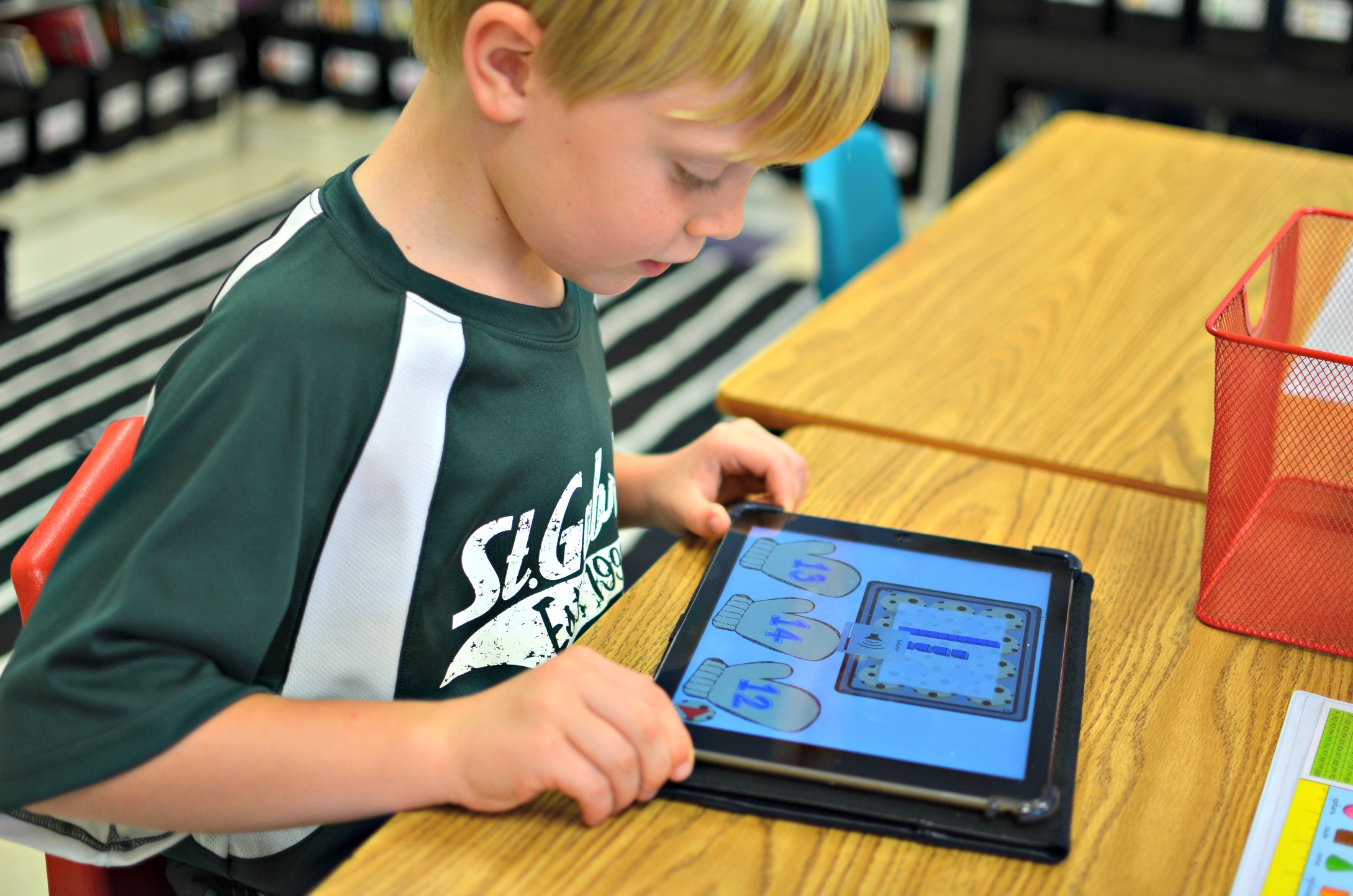
Highlights
- Enhanced Engagement: Board games increase student motivation and make math enjoyable.
- Curriculum Integration: Carefully select games that reinforce core mathematical concepts and skills.
- Collaborative Learning and Skill Development: Games foster critical thinking, problem solving, and teamwork.
Introduction
Integrating educational board games into a math curriculum is a dynamic and multifaceted approach that redefines traditional academic instruction. These games transform the learning environment into an interactive space that boosts student engagement, reinforces essential math concepts, and cultivates both individual and collaborative skills. By effectively combining fun and learning, educators can encourage students to practice critical problem-solving techniques while developing a deep understanding of mathematical principles.
In today’s classroom, the infusion of physical and digital board games allows for differentiated learning styles, supporting varied learning paces and interests. This strategy not only motivates students but also helps them see the practical applications of math in everyday life. Whether used as a primary tool for math practice or a supplementary resource, board games have become an essential element in modern educational practice.
The Educational Value of Math Board Games
Enhanced Engagement and Motivation
One of the most significant benefits of incorporating board games into math education is the boost in student engagement. When math concepts are embedded within play-based activities, students become more motivated to participate actively. This increased engagement is achieved by turning abstract concepts into interactive challenges where fun is interwoven with rigorous academic practice.
Board games provide immediate rewards and real-time feedback, which are crucial for reinforcing new skills. When students see their progress through visually appealing game mechanics, it encourages persistence and fosters a positive attitude toward learning mathematics.
Reinforcing Mathematical Concepts
Math board games are carefully designed to reinforce a wide range of mathematical concepts. They cover basic operations like addition, subtraction, multiplication, and division, as well as more advanced topics including prime numbers, fractions, and spatial reasoning. By integrating these abstract concepts into tangible game scenarios, students are able to apply what they have learned in class to solve practical problems.
These games encourage repetitive practice in a low-pressure environment, which helps to solidify understanding and mastery of mathematical principles. Additionally, many games are structured in a way that encourages players to work through multi-step problems, enhancing their critical thinking and decision-making skills in the process.
Developing Critical Thinking and Problem-Solving Skills
Board games are not just about fun; they are powerful tools for developing cognitive skills. When students engage with math board games, they are constantly challenged to think logically, plan strategically, and solve complex puzzles. These activities build an environment where problem-solving becomes second nature.
Educational board games often require players to evaluate multiple options and predict outcomes, which boosts their critical thinking capabilities. The strategic component inherent in many games sharpens decision-making skills that are transferrable to other academic areas and real-life situations.
Strategies for Effectively Integrating Board Games
Alignment with the Curriculum
The first step in successfully integrating board games into a math curriculum is ensuring that the selected games align with the established learning objectives. Educators should choose games that directly reinforce specific mathematical skills and concepts that are already part of the formal curriculum. This ensures that the activity is not an extracurricular distraction but a well-integrated educational tool.
For example, games like "Prime Climb" and "Sum Swamp" are designed to focus on number recognition, prime numbers, and basic arithmetic operations. By selecting such games, teachers can target specific curriculum areas while keeping lessons fresh and engaging.
Implementation Approaches
Dedicated Game Sessions
One effective approach is to allocate dedicated class sessions for game-based learning. This could be set aside as weekly "game days" where the primary focus is on interactive learning through board games. Such sessions work as a supplementary activity that supports and reinforces lessons taught through traditional methods.
These sessions provide a structured setting where students can focus on playing, strategizing, and mastering various math concepts without the pressures of a conventional testing environment. In addition, setting a regular day for game-based learning builds anticipation and offers a healthy break from routine classroom instruction.
Math Centers and Rotational Play
Another successful strategy involves setting up math centers in the classroom. Within these centers, board games serve as one of the stations among other math activities. Students can rotate between different centers during a class period, ensuring that they receive diversified learning experiences. This method caters to different learning styles and paces, as some students might be more engaged by interactive play while others benefit from traditional problem-solving.
Small-group rotations also encourage teamwork, as students must collaborate to solve math problems and strategize during gameplay. This not only reinforces math skills but also social skills like communication and cooperation.
Use as a Warm-up or Cool-down Activity
Integrating board games as a warm-up or cool-down activity can be highly effective. At the beginning of a class, a quick game can serve as a mental warm-up to activate prior knowledge and prepare students for new concepts. Conversely, using a game at the end of the lesson can help consolidate the day’s learning, allowing students to apply concepts in a flexible, playful environment.
This methodology not only refreshes the mind but also provides a seamless transition between different learning phases, ensuring that the educational process is both effective and enjoyable.
Choosing the Right Games
Selecting the appropriate board games is paramount to realizing the benefits of game-based learning. When evaluating potential games, educators should consider the following criteria:
- Age Appropriateness: The game should be tailored to the cognitive and developmental stage of the students. For younger learners, simpler games that focus on basic number operations are recommended. Older students can handle games that involve more advanced strategies and abstract reasoning.
- Skill Targeting: Identify the key mathematical skills that need reinforcement. Some games emphasize counting and basic arithmetic, while others may focus on algebraic thinking or spatial reasoning.
- Interactivity and Difficulty: The game should strike a balance between challenge and accessibility. It must be engaging without being too easy or overwhelmingly difficult to ensure that all students can participate and benefit.
- Adaptability: Many board games have solo variations or can be easily modified to suit individual educational needs. Teachers can adapt rules or game conditions to make the activity more inclusive.
Table: Examples of Math Board Games and Their Focus Areas
| Board Game | Target Skills | Recommended Grade Levels |
|---|---|---|
| Prime Climb | Prime numbers, multiplication, strategic planning | Middle School |
| Sum Swamp | Basic arithmetic, number recognition, counting | Elementary |
| Math Marks the Spot | Problem-solving, strategy, numerical reasoning | Elementary to Middle School |
| Equate: The Equation Thinking Game | Algebraic thinking, equation formation | Middle School |
| Monopoly & Adaptations | Resource management, strategic planning, practical arithmetic | Varied, depending on game modifications |
Implementation and Pedagogical Considerations
Teaching Strategies and Teacher Preparation
Successful integration of board games in math education requires thorough teacher preparation. Educators should familiarize themselves with the game rules and underlying mathematical concepts beforehand. Understanding how the game functions and identifying the curricular links ensure that the teacher can guide students effectively and reinforce learning objectives during gameplay.
In addition, allowing student-led discussions during and after the game sessions can provide insights into their thought processes and uncover any misconceptions. Teachers should circulate among groups, offering guidance and prompting deeper analysis of strategies and problem-solving methods.
Assessment and Feedback
Board games often serve as formative assessment tools that provide immediate feedback. Educators can observe how students apply mathematical reasoning in real-time and identify areas that require further reinforcement. Games like “Math Marks the Spot” or “Sums in Space” offer built-in checkpoints where students’ progress can be gauged based on their decisions during play.
Incorporating both individual reflections and group debrief sessions following gameplay ensures that feedback becomes an integral part of the learning cycle. This continuous assessment allows teachers to adjust subsequent lessons or game sessions to address specific learning gaps.
Social Interaction and Collaborative Learning
One of the standout benefits of math board games is the promotion of social interaction and collaborative learning. The gaming experience requires students to engage in teamwork, share ideas, and discuss various strategies. Collaborative game play helps students develop communication skills and reinforces their learning through peer support.
Group activities such as rotating partners or team-based competitions foster an inclusive classroom atmosphere where students learn from each other. These interactions not only enhance mathematical understanding but also contribute to the development of interpersonal and conflict-resolution skills.
Adaptability for Diverse Learning Environments
In today’s multifaceted classrooms, diversity in learning needs is paramount. Math board games can be tailored to suit different learning environments and individual student requirements. Many board games can be adapted into digital formats, which provide flexibility for on-the-go learning and remote instruction. The availability of both physical and digital board games ensures that technology integration is smooth and accessible.
Educators can modify the rules or difficulty level of a game to accommodate students with varying levels of proficiency. This adaptability makes board games an invaluable tool for differentiated instruction, ensuring that every student, regardless of their skill level, benefits from interactive learning experiences.
Best Practices and Case Studies
Curricular Case Studies
Numerous case studies have highlighted the positive impact of integrating board games into a math curriculum. For example, schools that implemented weekly game sessions reported marked improvements in student engagement and academic performance. In one study, younger students who participated in math game-based sessions demonstrated better number recognition and counting skills compared to those who did not engage in game-based learning.
Similarly, middle school students benefited from playing games that required strategic planning and problem solving, as these activities were directly correlated with enhanced performance in standardized math tests. These documented success stories underscore the importance of a thoughtful, well-planned integration of board games into mathematics education.
Teacher and Student Feedback
Feedback from both teachers and students has been overwhelmingly positive. Many teachers noted that board games reduced the anxiety often associated with math lessons by shifting the focus to collaborative learning and interactive fun. Students reported that when learning is gamified, it feels less like a chore and more like an exciting opportunity to discover and engage with challenging concepts.
Additionally, direct observation and regular assessments indicated that board game interventions helped close the gaps in understanding, especially for topics that previously seemed abstract or difficult. The practical application of math concepts through gameplay allowed students to experiment with different strategies, leading to enhanced mathematical reasoning.
Extending Learning Beyond the Classroom
Integrating board games into a math curriculum does not have to be confined within the classroom walls. Many educators have embraced the idea of sending games home as part of homework assignments. This not only reinforces learning outside school hours but also invites family members to participate, creating a supportive home learning environment.
Additionally, online adaptations of popular math board games have emerged as valuable tools for remote learning. Digital versions ensure that students can continue practicing math in a fun and interactive manner, regardless of physical location. These extensions show that board games have the versatility to adapt to various educational contexts, making them a valuable resource in both traditional and modern instructional settings.
Enhancing Math Curriculum with Board Games: Summary and Future Directions
Looking Forward
The integration of board games into math curricula demonstrates a clear evolution in educational methods. As technology advances and student needs shift, educators are continually finding innovative ways to leverage both traditional and digital games to make math both accessible and enjoyable. The evolving landscape of digital tools promises an expansion in how board games are used in educational contexts.
Future research and collaborative efforts between educational institutions and game developers will likely yield new strategies and games that further enhance the learning experience. As part of this evolution, educators are encouraged to experiment with new teaching models and share best practices, ensuring that game-based learning remains an adaptive, student-centered approach.
Ultimately, the success of board games in math instruction lies in the ability to create a balanced environment where fun and learning converge. By continuing to refine these methods, educators can ensure that students not only develop solid mathematical skills but also a lifelong appreciation for the subject, setting them up for future academic and personal growth.
Conclusion
Integrating educational board games into a math curriculum is an innovative and effective approach that transforms traditional mathematics education. This dynamic method capitalizes on interactive and playful learning to enhance engagement, reinforce essential math concepts, improve critical thinking, and foster collaborative skills. By aligning game-based learning with curricular objectives, educators can create varied and adaptive learning environments that cater to diverse student needs.
The benefits of math board games extend beyond immediate academic improvements. They serve as powerful tools for formative assessment, encourage social interaction, and help build a strong foundation of problem-solving abilities. As teaching strategies evolve, integrating board games will continue to be an invaluable asset in modern classrooms, providing a stimulating and enjoyable way to learn and explore mathematics.
In conclusion, educational board games are not just fun diversions but are instrumental in enhancing mathematical reasoning and engagement. They have the potential to revolutionize the way math is taught and learned, ensuring that every student benefits from an interactive, supportive, and dynamic educational experience.
References
- Math Board Games - SplashLearn - SplashLearn
- Board Games for Math - Homeschool of 1
- 15 Board Games That Help Teach Math - The Tabletop Family
- Board Games for Kids That Teach Important Math Skills - Discover Explore Learn
- Math Board Games - TeachSimple
-
Board Games That Teach Elementary Math - Edutopia
- Integrating Games into Math Lessons - Baugarten
Recommended
 amazon.com
Last updated February 23, 2025