
Dyes and Pigments in Bread Packaging
An in-depth exploration of dye types used in bread plastic components
Highlights
- Organic Colorants: Common dyes include phthalocyanine pigments, azo dyes, and quinacridone, delivering vibrant hues.
- Inorganic and Solvent Dyes: Inorganic pigments such as titanium dioxide and iron oxides are effective, and solvent dyes ensure clarity when needed.
- Applications in Bread Packaging: While the actual plastic wrap for bread is predominantly transparent, colored components like bread tags incorporate these dyes to indicate freshness and branding.
Introduction
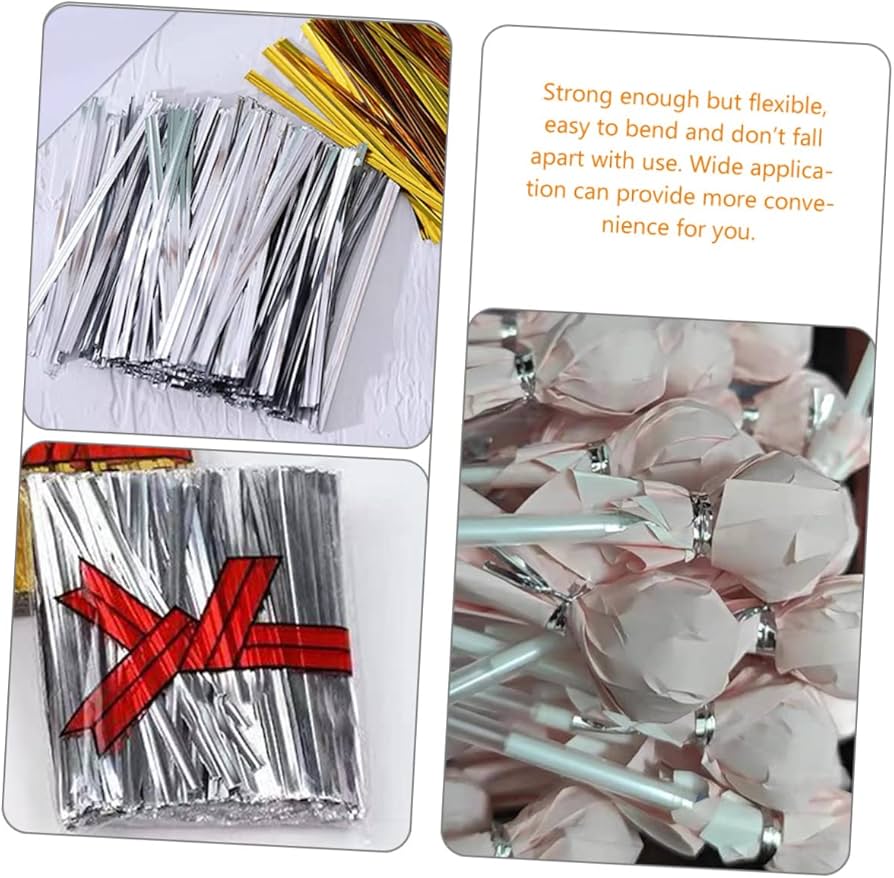
Bread packaging is a carefully engineered component of the food industry, with design and material choices that prioritize food safety, durability, and consumer information. Although the most visible part of the packaging – the clear plastic wrap – is typically transparent to allow customers to view the product, various colored elements may be integrated. For instance, the twist ties or colored tags attached to bread bags are often not only decorative but also functional, providing information about the freshness and manufacturing day of the bread. These colored components are produced using a variety of dyes and pigments.
This discussion explores the types of dyes that could potentially be present in bread packaging materials, with a focus on the dyes used to color the plastic elements associated with bread, such as the plastic wrap (if colored) and labels or twist ties. Understanding the chemical compositions, functional properties, and regulatory considerations for these dyes provides insight into how color is achieved without compromising the material’s integrity or the safety of the food product.
Overview of Dye and Pigment Types in Plastics
Dyes and pigments used in plastics are designed with specific properties that allow them to be incorporated into the polymer matrix without interfering with the material’s performance. They are selected based on criteria such as stability, vibrancy, food safety compliance, and resistance to fading under various conditions. The two primary categories of colorants in plastics are organic colorants and inorganic pigments. Additionally, specialized forms like solvent dyes and color masterbatches are utilized depending on the manufacturing process and desired outcome.
Organic Colorants
Organic colorants are carbon-based compounds that are widely used due to their vibrant colors and broad range of hues. Some of the key organic colorants used in the plastics industry include:
Phthalocyanine Pigments
Phthalocyanine pigments are renowned for their rich blue and green shades. They offer excellent light stability and heat resistance, making them ideal for products that require long-lasting color integrity. Their molecular structure allows them to remain stable even when incorporated into high-temperature plastics like polyethylene.
Azo Dyes
Azo dyes are among the most ubiquitous in the industry due to their versatility and vibrant hues including reds, oranges, and yellows. Their ease of synthesis and the ability to produce a wide range of colors has led to their prevalent use, especially in decorative elements on packaging.
Quinacridone Dyes
Quinacridone dyes contribute to strong magenta and red hues. They are prized for their color fastness and ozone resistance, making them very useful in applications where the product may be exposed to various environmental conditions.
Inorganic Pigments
In contrast to organic dyes, inorganic pigments are derived from minerals and offer superior lightfastness and chemical stability. These pigments are valued for their durability, especially in applications that demand resistance against UV exposure, heat, and chemical attack.
Titanium Dioxide
Titanium dioxide is one of the most common white pigments used in plastics. It provides excellent coverage and opacity while maintaining minimal impact on the overall properties of the plastic. It is especially relevant in applications where a pure white appearance is needed.
Iron Oxides
Iron oxide pigments are commonly used to produce reds, yellows, and browns. Their natural origin and stability make them a popular choice in applications requiring consistent color over time.
Solvent Dyes
Solvent dyes are another class of organic dyes that dissolve directly into the polymer matrix. This ability to blend seamlessly into plastics ensures that the final product exhibits a uniform and clear coloration. They are particularly effective when transparency is crucial, as in some cases where subtle tinting is desired.
Color Masterbatches
Color masterbatches are concentrated mixtures of pigments or dyes premixed with a carrier resin. These masterbatches are then blended with the base polymer during manufacturing. They are favored in industrial applications because they provide a controlled and repeatable coloring process, ensuring that batches of the final product exhibit uniform color characteristics. The use of color masterbatches also provides the flexibility to adjust the color intensity as required.
Application in Bread Packaging
While the actual plastic wrap used in bread packaging is generally transparent to allow consumers to see the product, additional packaging components like twist ties or colored plastic tags often incorporate dyes or pigments. The incorporation of color in these ancillary components serves several key functions:
- Freshness Indication: Many bakeries use color-coded tags that indicate the day the bread was baked. The colors—often blue for Monday, green for Tuesday, red for Thursday, white for Friday, and yellow for Saturday—help distributors and consumers quickly identify freshness.
- Brand Identity and Marketing: Color plays a pivotal role in brand recognition. Certain hues may be associated with quality or tradition, supporting the bakery’s marketing efforts.
- Practical Utility: Colored packaging elements may also serve practical purposes such as protecting the bread from light exposure (when a slight tint is applied) and providing visual differentiation among various product lines.
In most bread packaging, any applied dyes would not interact directly with the food as they are typically embedded within layers that do not have direct contact with the bread. However, regulatory standards demand that all materials in contact with food are inert and safe, prompting the use of food-grade dyes and pigments that have been rigorously tested.
Safety and Regulatory Considerations
When selecting dyes and pigments for food packaging materials, manufacturers must adhere to strict safety standards to prevent any potential migration of these compounds into the food. This is particularly important because any colorant used in direct contact with food or near food must meet the criteria set by food safety authorities.
Food-Grade Dyes
Food-grade dyes are subject to rigorous testing and approval processes. These colorants are selected after ensuring they do not pose any toxicological risk. In the case of bread packaging, if any component is likely to come into contact with the product, only dyes that meet the necessary food safety guidelines are utilized. This minimizes the possibility of contaminating the bread with any harmful substances.
In light of these considerations, the dyes used—whether they are organic or inorganic—are primarily chosen not only for their visual appeal but also for their stable chemical properties. Manufacturers typically incorporate these dyes into an intermediary layer or as part of a masterbatch mixture that is embedded within the packaging material without direct contact with the food.
Impact on Plastic Properties
An essential aspect of using dyes or pigments in plastics is ensuring that the additives do not significantly alter the performance characteristics of the polymer. This includes maintaining the clarity, flexibility, tensile strength, and barrier properties of the plastic. By carefully formulating the dye composition, manufacturers are able to produce packaging that maintains the inherent advantages of the polymer, such as resistance to tearing and adequate flexibility, while integrating vibrant or subtle colors as desired.
The integration process involves:
- Compatibility Testing: Ensuring that the dye or pigment disperses evenly and does not interfere with the polymer matrix.
- Stability Assessments: Checking for resistance against UV light and prolonged exposure to air to prevent fading.
- Interaction Analysis: Confirming that the additives do not induce any chemical reactions that could degrade the polymer.
Comparative Table of Common Dyes and Pigments
The table below provides a comparative overview of some of the widely used dyes and pigments in the context of plastic applications, including those potentially found in bread packaging components.
| Dye/Pigment Type | Primary Color Outcome | Key Properties | Common Application |
|---|---|---|---|
| Phthalocyanine | Blue/Green | High light stability, heat resistant | Coloring plastic tags, decorative elements |
| Azo Dyes | Reds, Oranges, Yellows | Vibrant hue, versatile | Indicating freshness and branding on twisted ties or markers |
| Quinacridone | Purples, Magentas, Reds | Excellent color fastness, ozone resistant | High-end packaging features |
| Titanium Dioxide | White/Opacifying | High coverage, chemical stability | Base layers in packaging, matte finishes |
| Iron Oxide | Reds, Yellows, Browns | Natural origin, excellent long-term stability | Branding elements, freshness indicators |
| Solvent Dyes | Clear/translucent hues | Dissolves in polymer, maintains clarity | Tinted wraps, subtle color effects |
Integration of Dye Systems in Packaging Manufacturing
In modern plastic manufacturing, especially for food packaging, dye and pigment integration is performed using advanced techniques that ensure homogeneity and stability. The process generally involves carefully preparing a masterbatch where the colorants are premixed with a carrier resin. This masterbatch is then blended with the base plastic during the extrusion process.
Masterbatch Preparation
A masterbatch provides a concentrated mixture of pigments or dyes that serve as the standard for coloring the final product. This method offers several benefits:
- Uniformity: Every piece of packaging material exhibits consistent shade and hue due to the homogenous blend.
- Controlled Intensity: Adjustments to color strength can be made by varying the concentration of the masterbatch, allowing for a wide range of effects from pale tints to deep, saturated colors.
- Cost-Effectiveness: The use of masterbatches streamlines the manufacturing process by reducing the need for multiple separate dyeing steps.
For bread packaging, where aesthetic appeal and precise information delivery are important, the masterbatch approach ensures that any colored tag or element provides reliable performance and visual impact.
Quality Assurance and Regulatory Compliance
Quality assurance in dye usage is critical for maintaining both the visual properties and the safety standards of the packaging material. Manufacturers routinely employ tests that measure:
- Lightfastness: Resistance to fading when exposed to sunlight or artificial lighting.
- Heat Resistance: Stability under varying temperature conditions, ensuring the packaging does not degrade during storage or transport.
- Migration Tests: Evaluations to confirm that colorants do not transfer from the plastic into the bread, ensuring compliance with food safety regulations.
Product safety is paramount, and so the dyes and pigments are chosen not only based on their aesthetic qualities but also on their ability to remain inert within the packaging matrix. This high standard of quality assists in minimizing any risks associated with food-contact materials.
Future Trends in Dye Application for Bread Packaging
The field of polymer colorants is continually evolving. With ongoing research into more stable, vibrant, and eco-friendly dyes, the future holds several promising advancements for food packaging. Research efforts are also being directed toward sustainable dyes derived from natural sources with lower environmental impacts, which align well with increasing consumer interest in environmentally friendly packaging options.
Additionally, technological advances in nano-pigments and smart packaging are expanding the possibilities of incorporating interactive elements into packaging designs. Although the primary function remains to inform the consumer and protect the food product, future innovations may introduce packaging that changes color in response to freshness indicators or environmental conditions. Such advancements would not only ensure product integrity but also enhance consumer engagement.
Practical Insights and Considerations
When examining the practical applications of dyes in bread packaging, it is important to note that while the plastic wrap itself is predominantly clear, the colored components such as twist ties or plastic tags are the primary embodiments of the dye application. These elements are designed to be both visually distinctive and functionally effective. Their color coding provides immediate cues regarding the product’s freshness, offering both aesthetic appeal and practical utility.
Dye Selection Characteristics
The selection of dyes for these applications involves several key factors:
- Compatibility with the Base Polymer: Ensuring that the dye does not interfere with the polymer’s structural or barrier properties.
- Color Fastness: The chosen dyes must resist fading, especially when exposed to light or heat fluctuations during storage and display.
- Regulatory Standards: Only dyes that have passed rigorous food safety tests are employed, ensuring that any incidental contact does not risk consumer health.
- Chemical Stability: The ability of the dyes to retain their pigment properties over time, minimizing degradation or unexpected interactions with other materials.
The successful integration of these dyes into the packaging process is a result of advanced material science and precise chemical engineering. These processes are continuously refined to deliver products that not only protect and preserve the food but also enhance the overall customer experience through high-quality visual presentation.
Conclusion
In summary, the use of dyes and pigments in bread packaging is a sophisticated process that combines visual appeal with important functional and safety considerations. While the primary plastic wrap for bread is typically designed to be translucent or clear, the inclusion of colored elements such as twist ties, plastic tags, or other decorative indicators is common. In these components, both organic and inorganic dyes are employed.
Organic dyes such as phthalocyanine, azo, and quinacridone offer vibrant hues and are selected for their ability to impart a wide range of colors while maintaining stability under different environmental conditions. Inorganic pigments such as titanium dioxide and iron oxides provide durability and opacity where required. Additionally, solvent dyes and masterbatches enable the integration of color into the polymer matrix with high precision, ensuring even distribution and controlled intensity.
The overall manufacturing process ensures that the dyes do not adversely affect the structural or barrier properties of the packaging, thus preserving the integrity of the bread. A significant emphasis is placed on safety and regulatory compliance, with food-grade dyes undergoing thorough testing to ensure they are inert and pose no risk of contamination.
Future trends in plastic dye technology suggest further developments in sustainable, eco-friendly colorants along with advanced packaging solutions that may eventually interact responsively with environmental cues. These innovations promise to enhance consumer engagement and further safeguard product quality, aligning production methods with modern sustainability demands.
Ultimately, the sophisticated use of dyes in bread packaging not only supports practical applications—such as freshness indication and improved branding—but also reflects the intricate balance between aesthetic design and material safety in the modern food industry.
References
- Those color-coded plastic bread tags are cluing you in about freshness - MSN
- What Colored Tags on Bread Mean - EatingWell
- Did You Know Bread Bag Tag Colors Mean Something? - FOX 59
- Dyes for Plastic - Alfa Chemistry
- Comparing Performance of 4 Common Plastic Colorants - Cowin Extrusion
Recommended Queries
Last updated February 28, 2025