
Mastering the Art of Quick No-Knead Bread
Discover a straightforward, fast recipe with a perfect balance of white and wholegrain flours
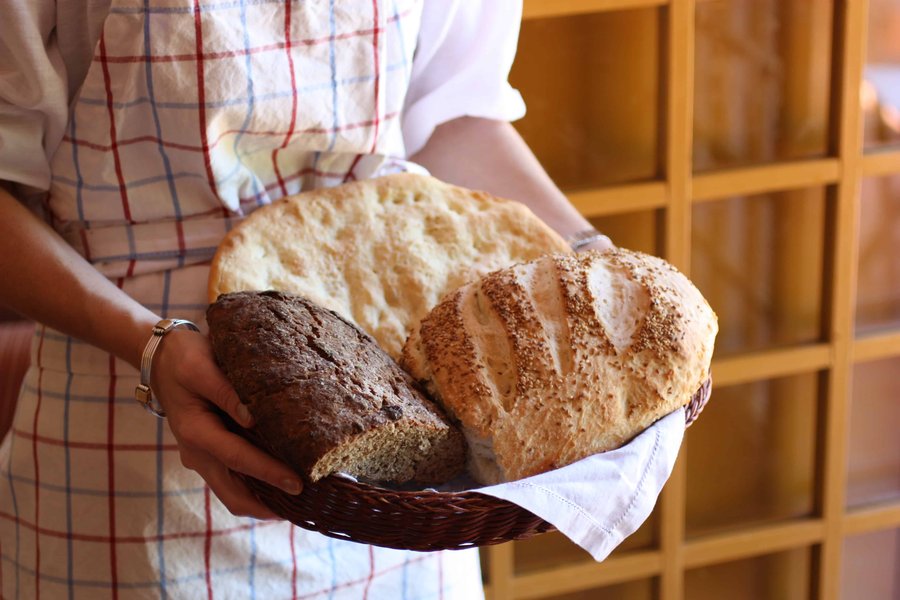
Essential Insights
- Balanced Flour Mix: A 50/50 blend of white and wholegrain flour provides a light texture with a nutty flavor.
- Metric Precision: Detailed measurements in grams and millilitres ensure consistency every time.
- No-Knead Technique: Emphasis on simplicity with minimal handling for a perfectly risen, artisanal loaf.
An In-Depth Guide to a Quick No-Knead Bread Recipe
This recipe is designed for bakers who desire a simple, fast, and efficient method to produce a delicious loaf of bread using a 50/50 blend of white (all-purpose) and wholegrain flour. This no-knead approach not only saves time but also results in a delightful crust and tender crumb. All instructions and measurements are provided in metric units and Celsius, ensuring accuracy and consistency.
Ingredients Overview
The recipe utilizes a balanced mix of white and wholegrain flour. Here is a comprehensive table listing all the ingredients along with their measurements and roles in the recipe:
| Ingredient | Quantity | Role |
|---|---|---|
| All-Purpose (White) Flour | 250g | Provides structure and a light texture |
| Wholegrain Flour | 250g | Adds nuttiness and a denser consistency |
| Instant Yeast | 7-10g (approximately 1-2 teaspoons) | Leavening agent for a good rise |
| Sugar | 8g (approx. 1.5-2 teaspoons) | Helps feed the yeast and slightly sweetens the loaf |
| Salt | 1 teaspoon | Enhances flavor and controls yeast fermentation |
| Lukewarm Water | 300ml (at about 30°C) | Activates yeast and hydrates the dough; optimum temperature ensures proper fermentation |
Step-by-Step Instructions
1. Mixing the Dough
Begin by preparing a large mixing bowl. Measure out 250g each of all-purpose flour and wholegrain flour. Add the instant yeast and salt directly into the dry ingredients to ensure even distribution. Sprinkle in the sugar so that the yeast has a small boost to established fermentation activity.
2. Hydrating and Combining
Slowly pour the 300ml of lukewarm water (approximately 30°C) into the bowl. Use the handle of a wooden spoon or your hand to mix until you achieve a shaggy, wet dough. The dough will be sticky and somewhat loose; this is typical for no-knead recipes. It is crucial to ensure all flour is hydrated, but do not overmix as overworking is unnecessary in no-knead methods.
3. First Rise
Cover the bowl with a plastic wrap or a clean kitchen towel to trap warmth and moisture. Set the bowl in a warm, draft-free location. Allow the dough to rest undisturbed for 1.5 to 2 hours. During this time, the dough will double in size. In certain conditions, if a more rapid rise is needed, a slightly warmer setting can reduce the time; however, staying around 30°C is optimal.
4. Preparing for Baking
Once your dough has risen beautifully, preheat your oven to 190°C (approximately 375°F). While preheating, line your 9x5 inch loaf pan with parchment paper or lightly spray it with non-stick cooking spray. Gently tip the dough onto a floured surface and shape it into a rough loaf form. Handle the dough with care to preserve the air pockets that contribute to a tender crumb.
5. Second Proof and Baking
Place the shaped dough into the prepared loaf pan. Cover it lightly and allow it to undergo a second rise for 30 minutes. Once risen, transfer the pan to the preheated oven. Bake for approximately 30-35 minutes. The external crust should develop a golden-brown color whereas the internal temperature should soon ideally reach about 93°C (200°F) to ensure it is thoroughly baked.
6. Cooling and Serving
After removing the bread from the oven, allow it to cool in the pan for a few minutes so it sets. Then, transfer the bread to a wire rack to cool completely. This step is important as it helps maintain the bread's structure and texture before slicing.
This quick no-knead bread recipe takes advantage of the simplicity of minimal handling while enhancing the natural flavors provided by the 50/50 mix of flours. The method is forgiving and perfect for both novice and experienced bakers seeking artisanal quality without complex procedures.
Understanding the Recipe Through Visual Analysis
Radar Chart Analysis
The following interactive radar chart offers an opinionated analysis of key factors influencing this bread recipe: Texture, Flavor, Ease of Preparation, Rise Quality, and Versatility. Each factor has been rated relative to its importance in creating a perfect no-knead bread loaf.
Visualizing the Process & Structure
Mindmap Overview
This visual mindmap illustrates the primary stages of the no-knead bread-making process. Each branch represents a key phase from mixing to baking, ensuring that you understand the flow of steps clearly.
Enhancing Your Baking with Multimedia
Watch and Learn
For a visual demonstration of a similar no-knead bread process, check out this video which walks you through the no-knead technique with a 50/50 flour mixture. The tutorial shares tips on achieving the best texture and crust while using a simple method that's easy to follow.
Frequently Asked Questions
References
- Homemade Bread - Gimme That Flavor
- No-Knead Whole Wheat Bread - Jo Cooks
- Easy Yeast Bread Recipe - Recipetineats
- No-Knead Bread Recipe - NY Times Cooking
- Absolutely No-Knead Crusty Bread - King Arthur Baking
Recommended Explorations
Last updated March 31, 2025