
Mastering the Court: Unveiling Optimal Pickleball Doubles Tactics
Elevate your doubles game with proven strategies for positioning, communication, and shot selection that lead to victory.
Pickleball doubles is a thrilling and dynamic sport that blends quick reflexes, strategic thinking, and seamless teamwork. Unlike singles, the doubles game places a premium on partner coordination and intelligent court coverage. Success hinges not just on individual skill, but on the partnership's ability to execute a cohesive game plan. Employing optimal tactics can transform your team from casual players into formidable opponents, allowing you to control the pace of the game, exploit weaknesses, and ultimately, secure more wins. This guide delves into the most effective strategies to enhance your pickleball doubles performance.
Highlights: Your Quick Guide to Doubles Dominance
- NVZ Supremacy: The cornerstone of doubles strategy is to collaboratively reach and maintain control of the Non-Volley Zone (NVZ), commonly known as "the kitchen." Dominating this area allows for aggressive volleys and defensive stability.
- Calculated Shot Selection: Mastering shots like the third shot drop, precise dinks, and strategically targeting opponents' feet or weaker sides are crucial for creating offensive opportunities and forcing errors.
- Synergistic Teamwork: Crystal-clear communication, whether verbal or through signals, combined with coordinated, unified movement on the court, forms the bedrock of a successful and resilient doubles partnership.
The Pillars of Pickleball Doubles Prowess
Excelling in doubles pickleball requires a multifaceted approach. Understanding and implementing key strategies in positioning, communication, and shot selection will significantly elevate your team's performance.
Mastering Court Positioning: Your Foundation for Success
Effective court positioning is arguably the most critical initial strategy in doubles pickleball. It maximizes court coverage, minimizes opponent opportunities, and facilitates smoother teamwork.

A standard pickleball court layout, highlighting the Non-Volley Zone (Kitchen).
The Race to the Non-Volley Zone (NVZ)
The primary objective for both players after the serve and, crucially, after the return of serve, is to advance to the NVZ line (the kitchen line). This strategic position allows your team to control the net, volley effectively, and apply pressure. Most points in doubles are won or lost at the NVZ. Delaying this advance leaves your team vulnerable at the baseline or in the transition zone, often called "no man's land."
Unified Movement: Covering the Court as One
Partners should operate like a synchronized unit, moving laterally together as if connected by an invisible string. When the ball is hit to one side of the court, both players should shift in that direction to maintain optimal court coverage and eliminate gaps that opponents can exploit. This "shadowing" technique ensures that one player isn't left to cover too much ground and that the middle of the court remains protected.
Strategic Baseline Play for Returns
When returning serves, it's often advantageous to stand a step or two behind the baseline. This provides slightly more time to react to deep or fast serves and allows for a fuller swing. After making the return, the immediate priority is to move forward to the NVZ with your partner.
The Art of Communication: Speaking the Language of Victory
Clear and constant communication is the lifeblood of a successful doubles team. It prevents confusion, avoids collisions, and ensures that both players are on the same page strategically.
Verbal Cues and Non-Verbal Signals
Simple verbal cues like "Yours!", "Mine!", "Out!", or "Bounce it!" are essential. For shots down the middle, the player with the forehand or in the better position should typically take the shot, and clear communication prevents hesitation or both players swinging. Some teams also develop hand signals for serves, shot intentions, or poaching plans, adding another layer to their coordinated play.
Pre-Game and Mid-Match Strategy Sessions
Before a match, discuss your team's strengths and weaknesses, as well as those of your opponents if known. Agree on general strategies, such as which opponent to target or what types of shots to prioritize. During the game, take moments between points or during timeouts to reassess if the strategy is working and make adjustments as needed.
Tactical Shot Selection: Outsmarting Your Opponents
In pickleball, especially doubles, smart shot placement and variety often trump raw power. The goal is to keep opponents off-balance, force them into making difficult shots, and create openings for your team.

A well-executed dink shot can neutralize opponents and set up attacking opportunities.
The Indispensable Third Shot Drop
The third shot of a rally (following the serve and the return of serve) is often pivotal. The "third shot drop" is a soft, arcing shot that lands gently in the opponent's NVZ. Its primary purpose is to neutralize the advantage of the returning team (who are usually already at the NVZ) and allow the serving team time to advance to their own NVZ line. Mastering this shot is considered crucial for progressing to higher levels of play.
The Power of the Dink: Controlling the Pace
Dinking is the art of hitting soft, controlled shots that arc just over the net and land in the opponent's NVZ. Proficient dinking allows teams to control the pace of the game, engage in strategic exchanges at the net, and patiently wait for an opponent to make an error or hit a "pop-up" (a ball hit too high) that can be attacked. Consistent dinking can frustrate opponents and force them into risky shots.
Targeting Vulnerabilities: Aiming for the Feet and Weak Sides
A highly effective tactic is to aim shots at your opponents' feet, especially when they are in the transition zone or at the NVZ line. This forces them to hit an upward, often defensive, shot, which can create an attacking opportunity for your team. Additionally, identifying and consistently targeting an opponent's weaker side (frequently their backhand) can yield unforced errors or weak returns.
Keeping Opponents Pinned: The Deep Shot Advantage
Hitting deep shots, whether serves, returns, or groundstrokes, that land near the opponent's baseline serves to push them back, limiting their ability to attack the net and giving your team more time to position yourselves. If you can keep your opponents pinned to the baseline while your team controls the NVZ, you hold a significant tactical advantage.
The Underrated Lob: A Defensive and Offensive Tool
The lob, a high arcing shot hit over the opponents' heads, can be a valuable tool. Defensively, it can buy your team time to recover position if you're pushed off the NVZ. Offensively, a well-placed lob can catch opponents who are too close to the net off guard, forcing them to scramble back and potentially yielding an easy point or a weak return. However, lobs should be used judiciously, as a poorly executed lob can be easily smashed by opponents.
Varying Your Shots: Keeping Opponents Guessing
Avoid becoming predictable. Employ a mix of drives (hard, flat shots), drops, dinks, and lobs. Changing the pace, spin, and placement of your shots keeps opponents off-balance and makes it harder for them to anticipate your next move. A well-timed drive can surprise opponents expecting a dink, and vice-versa.
Dominating Serves and Returns
The serve and return set the stage for each point. Strategic execution of these initial shots can provide an immediate advantage.
The Strategic Serve: Depth and Placement
While power can be a factor, the primary goal of the serve in doubles is consistency and strategic placement. Aim for deep serves that land close to the baseline, pushing the returner back and making their return more challenging. Targeting an opponent's weaker side with the serve can also be effective. A serve with a moderate arc is often preferable to a very flat, hard serve, as it can be more difficult to attack directly and gives the serving team more time to prepare for the third shot.
Effective Return Strategies: Middle Ground and Depth
The return of serve should ideally be hit deep, again to keep the serving team further from the net and provide your team (the returning team) time to solidify your position at the NVZ. Aiming returns down the middle of the court can create confusion between opponents as to who should take the shot, potentially leading to errors or weak responses. Avoid returning too close to the sidelines unless you are confident in your accuracy, as this increases the risk of an unforced error.
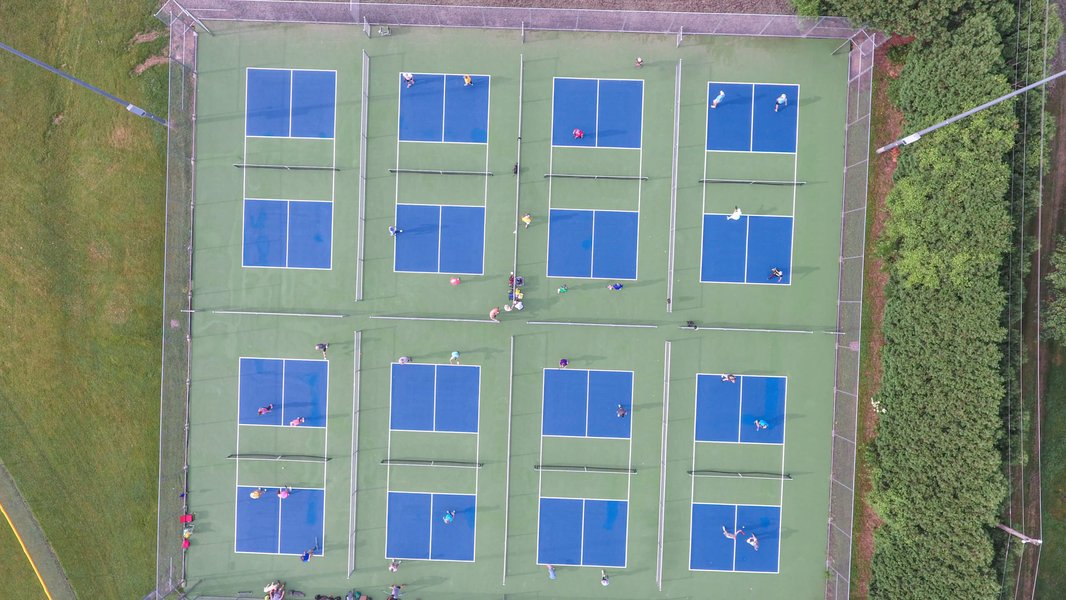
Strategic positioning at the Non-Volley Zone is key in doubles pickleball.
The Mental Game and Consistency: Playing Smarter, Not Harder
Pickleball is as much a mental game as it is a physical one. Patience, consistency, and adaptability are hallmarks of strong doubles teams.
Patience is a Virtue: Waiting for the Right Shot
Resist the urge to end points too quickly with low-percentage power shots. Often, the most effective strategy is to remain patient, engage in dink rallies if necessary, and wait for a clear opportunity to hit an offensive shot – typically when an opponent hits a ball too high or leaves an opening. Forcing shots often leads to unforced errors.
Minimizing Unforced Errors: The Path to Victory
In many doubles matches, the team that makes fewer unforced errors wins. Focus on making smart, high-percentage shots and keeping the ball in play. Prioritize placement and consistency over sheer power, especially in critical moments of the game.
Adaptability: Adjusting Your Game Plan
Be prepared to change your strategy if it isn't working. If your opponents are handling your dinks well, perhaps try more aggressive shots. If they are dominating the net, consider using lobs or focusing on keeping them pinned to the baseline. Observing your opponents' patterns and weaknesses and adjusting your tactics accordingly is a key aspect of higher-level play.
Visualizing Pickleball Doubles Strategy
Understanding how different skills and tactics contribute to overall success can be enhanced through visual aids. The following chart and mindmap provide different perspectives on the elements of winning doubles play.
Key Skills Impact Radar Chart
This radar chart visualizes the relative importance and focus area of various skills for different player levels in doubles pickleball. A higher score indicates a greater impact on overall success or a stronger emphasis for that player type. Note that all skills are important, but their prioritization might shift based on competitive level and strategic intent.
The chart illustrates that while recreational players benefit from a balanced focus across fundamental skills, competitive players tend to place an even higher emphasis on advanced skills like third shot quality, communication, and unwavering patience and consistency, alongside strong NVZ control.
Interconnected Doubles Tactics Mindmap
This mindmap illustrates the interconnected nature of optimal pickleball doubles tactics. Success relies on a holistic approach where each element supports and enhances the others, creating a robust and adaptable game plan.
Doubles Tactics"] p["Court Positioning"] p1["Reach NVZ Line Quickly"] p2["Move in Unison (Shadowing)"] p3["Maintain Defensive Formation"] p4["Receiver's Partner at NVZ"] c["Communication"] c1["Verbal Cues (Yours/Mine/Out)"] c2["Hand Signals (Optional)"] c3["Partner Chemistry & Trust"] c4["Strategy Discussion"] ss["Shot Selection"] ss1["Third Shot Drop (Neutralize)"] ss2["Dinks (Control Pace, Force Errors)"] ss3["Target Feet / Weak Sides"] ss4["Deep Serves & Returns"] ss5["Lobs (Defensive & Offensive)"] ss6["Placement Over Power"] ss7["Vary Shots (Pace/Spin/Location)"] tmg["Teamwork & Mental Game"] tmg1["Patience & Consistency"] tmg2["Adaptability (Adjust Strategy)"] tmg3["Minimize Unforced Errors"] tmg4["Positive Reinforcement"] at["Advanced Tactics"] at1["Poaching (Calculated Risk)"] at2["Stacking (Maximize Strengths)"] at3["Angle Shots (Open Court)"] at4["Exploiting Opponent Patterns"]
As the mindmap shows, elements like court positioning directly impact shot selection possibilities, while consistent communication underpins effective teamwork and the execution of advanced tactics. No single strategy exists in isolation; they all work together.
Key Pickleball Doubles Tactics at a Glance
For a quick reference, the following table summarizes some of the most crucial tactics for success in doubles pickleball:
| Tactic | Description | Key Benefit |
|---|---|---|
| Control the NVZ Line | Both players advance to and maintain position at the Non-Volley Zone line after the serve and return. | Dominates net play, allows for aggressive volleys, and forces opponent errors. |
| Master the Third Shot Drop | A soft, arcing shot landing in the opponent's NVZ, typically executed on the third shot of the rally. | Allows the serving team to safely advance to the NVZ, neutralizing the returning team's net advantage. |
| Effective Dinking | Hitting controlled, low shots that land softly in the opponent's NVZ. | Controls the pace of the game, reduces opponent's attacking angles, and creates opportunities for offensive shots. |
| Strategic Communication | Using clear verbal cues (e.g., "Yours," "Mine," "Out") and potentially non-verbal signals. | Avoids confusion and collisions, ensures proper court coverage, and facilitates coordinated play. |
| Unified Court Movement | Partners move laterally together, as if connected, to cover gaps and maintain court balance. | Prevents opponents from exploiting open spaces and maintains defensive integrity. |
| Target Opponent Vulnerabilities | Aiming shots at opponents' feet, their weaker side (often backhand), or into areas that create awkward returns. | Forces weak returns, generates unforced errors, and disrupts opponent rhythm. |
| Deep Serves & Returns | Placing serves and returns deep into the opponent's court, near their baseline. | Pushes opponents back, limits their offensive options, and provides more time for your team to position. |
| Patience & Consistency | Focusing on keeping the ball in play with high-percentage shots and waiting for clear attacking opportunities. | Reduces unforced errors, puts pressure on opponents to make mistakes, and often outlasts aggressive but erratic play. |
| Shot Variety | Mixing up drives, drops, dinks, lobs, and varying shot pace and placement. | Keeps opponents off-balance, prevents them from anticipating shots, and creates more scoring opportunities. |
Watch and Learn: Doubles Strategy in Action
Visualizing these strategies can be incredibly helpful. The following video provides insights into fundamental doubles strategies that new and intermediate players can implement to improve their game. It covers key concepts like court positioning and shot selection, reinforcing many of the tactics discussed.
"6 Pickleball Doubles Strategies New Players MUST Know" - A helpful video guide to foundational tactics.
This video emphasizes the importance of getting to the net, the third shot drop, and communication – core elements that underpin successful doubles play at any level. Observing how these strategies are applied in game-like scenarios can accelerate learning and understanding.
Advanced Maneuvers for a Competitive Edge
Once the foundational tactics are mastered, teams can incorporate more advanced strategies to gain a further competitive advantage.
Poaching: The Element of Surprise
Poaching occurs when a player at the net moves across their partner's side of the court to intercept and volley a ball. This aggressive move can surprise opponents and win points outright, especially if the poached shot is weak or predictable. Successful poaching requires good anticipation, quickness, and clear communication (or a strong understanding) with your partner to ensure the court remains covered.
Stacking: Maximizing Strengths
Stacking is a positioning strategy used to ensure players are on their preferred sides of the court (e.g., to keep both forehands in the middle, or to place a stronger player in a position to cover more court) after the serve or return. While pickleball rules dictate serving and receiving positions, players can legally shift positions after the ball is in play. Stacking can be complex and requires excellent coordination and understanding of its rules and implications.
Exploiting Opponent Weaknesses Persistently
Beyond simply targeting a weaker side, advanced play involves systematically breaking down an opponent by repeatedly exploiting a specific weakness until they either make an error or are forced to change their game in a way that benefits your team. This could involve targeting a player with poor mobility, inconsistent backhands, or a tendency to pop up dinks.
Angle Shots: Opening the Court
Hitting sharp angle shots, especially dinks or volleys from the NVZ, can pull opponents wide off the court, creating large open spaces for subsequent shots. Mastering angle shots requires good touch and an understanding of court geometry.
Frequently Asked Questions (FAQ)
What is the most important position in doubles pickleball?
How can partners improve communication on the court?
What is a "third shot drop" and why is it important?
Should I prioritize power or placement in doubles?
How do we decide who takes a shot down the middle?
Conclusion
The optimal tactics in pickleball doubles revolve around a synergistic blend of intelligent court positioning, clear communication, strategic shot selection, unwavering patience, and cohesive teamwork. By focusing on controlling the Non-Volley Zone, mastering key shots like the third shot drop and dink, and working in unison with your partner, you can significantly elevate your game. Remember that pickleball is a dynamic sport; adaptability and a commitment to continuous improvement are key to sustained success on the court. Practice these strategies diligently, and you'll find your team winning more points, games, and enjoying the competitive camaraderie of doubles play.
Recommended Further Exploration
- Discover drills and techniques for mastering the crucial third shot drop.
- Explore the intricacies of stacking in doubles pickleball for a competitive edge.
- Learn how to avoid communication pitfalls that can cost your team points.
- Understand the psychological aspects of pickleball and how to build mental toughness.
Search Results
- Doubles Strategies - USA Pickleball
- 17 Best Pickleball Doubles Strategies - Pickleheads
- Pickleball Strategy Doubles - Pickleball Opinion
- Doubles Positioning in Pickleball - Paddletek
- 10 Pickleball Doubles Strategies - Recess Pickleball
- How to Win at Pickleball Doubles - Pickleball Land
- 7 Proven Strategies to Win More Pickleball Doubles Games - SportsEdTV
- 6 Pickleball Doubles Strategies for Every Level of Player - PlayPickleball.com
- 5 of the Top Strategies for Winning Doubles Pickleball - Paddletek
Mastering the Court: Unveiling Optimal Pickleball Doubles Tactics
Elevate your doubles game with proven strategies for positioning, communication, and shot selection that lead to victory.
Pickleball doubles is a thrilling and dynamic sport that blends quick reflexes, strategic thinking, and seamless teamwork. Unlike singles, the doubles game places a premium on partner coordination and intelligent court coverage. Success hinges not just on individual skill, but on the partnership's ability to execute a cohesive game plan. Employing optimal tactics can transform your team from casual players into formidable opponents, allowing you to control the pace of the game, exploit weaknesses, and ultimately, secure more wins. This guide delves into the most effective strategies to enhance your pickleball doubles performance.
Highlights: Your Quick Guide to Doubles Dominance
- NVZ Supremacy: The cornerstone of doubles strategy is to collaboratively reach and maintain control of the Non-Volley Zone (NVZ), commonly known as "the kitchen." Dominating this area allows for aggressive volleys and defensive stability.
- Calculated Shot Selection: Mastering shots like the third shot drop, precise dinks, and strategically targeting opponents' feet or weaker sides are crucial for creating offensive opportunities and forcing errors.
- Synergistic Teamwork: Crystal-clear communication, whether verbal or through signals, combined with coordinated, unified movement on the court, forms the bedrock of a successful and resilient doubles partnership.
The Pillars of Pickleball Doubles Prowess
Excelling in doubles pickleball requires a multifaceted approach. Understanding and implementing key strategies in positioning, communication, and shot selection will significantly elevate your team's performance.
Mastering Court Positioning: Your Foundation for Success
Effective court positioning is arguably the most critical initial strategy in doubles pickleball. It maximizes court coverage, minimizes opponent opportunities, and facilitates smoother teamwork.
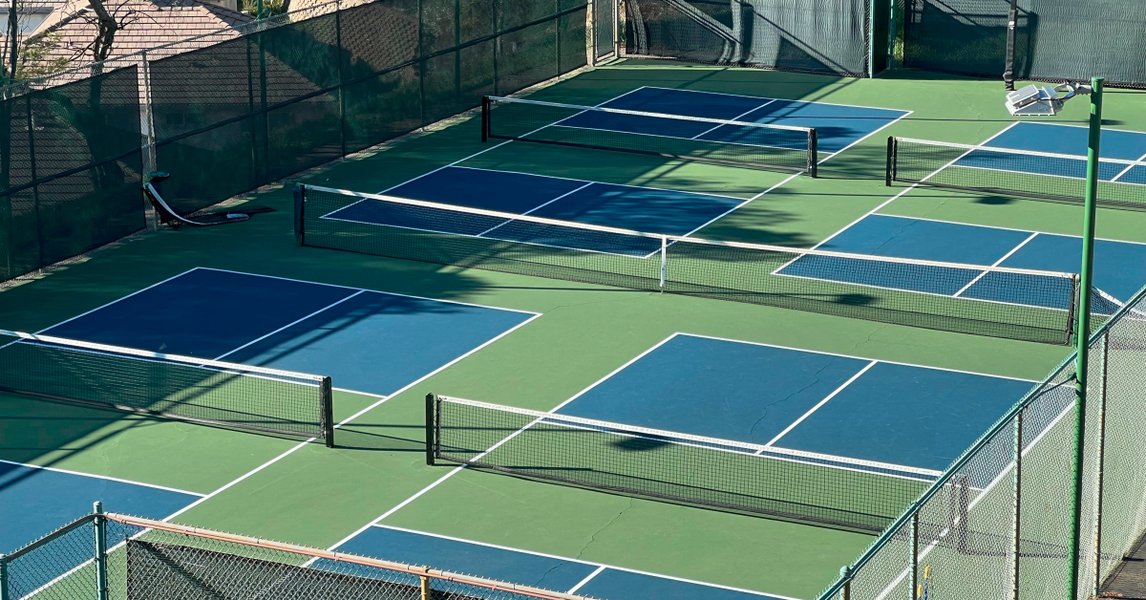
A standard pickleball court layout, highlighting the Non-Volley Zone (Kitchen).
The Race to the Non-Volley Zone (NVZ)
The primary objective for both players after the serve and, crucially, after the return of serve, is to advance to the NVZ line (the kitchen line). This strategic position allows your team to control the net, volley effectively, and apply pressure. Most points in doubles are won or lost at the NVZ. Delaying this advance leaves your team vulnerable at the baseline or in the transition zone, often called "no man's land."
Unified Movement: Covering the Court as One
Partners should operate like a synchronized unit, moving laterally together as if connected by an invisible string. When the ball is hit to one side of the court, both players should shift in that direction to maintain optimal court coverage and eliminate gaps that opponents can exploit. This "shadowing" technique ensures that one player isn't left to cover too much ground and that the middle of the court remains protected.
Strategic Baseline Play for Returns
When returning serves, it's often advantageous to stand a step or two behind the baseline. This provides slightly more time to react to deep or fast serves and allows for a fuller swing. After making the return, the immediate priority is to move forward to the NVZ with your partner.
The Art of Communication: Speaking the Language of Victory
Clear and constant communication is the lifeblood of a successful doubles team. It prevents confusion, avoids collisions, and ensures that both players are on the same page strategically.
Verbal Cues and Non-Verbal Signals
Simple verbal cues like "Yours!", "Mine!", "Out!", or "Bounce it!" are essential. For shots down the middle, the player with the forehand or in the better position should typically take the shot, and clear communication prevents hesitation or both players swinging. Some teams also develop hand signals for serves, shot intentions, or poaching plans, adding another layer to their coordinated play.
Pre-Game and Mid-Match Strategy Sessions
Before a match, discuss your team's strengths and weaknesses, as well as those of your opponents if known. Agree on general strategies, such as which opponent to target or what types of shots to prioritize. During the game, take moments between points or during timeouts to reassess if the strategy is working and make adjustments as needed.
Tactical Shot Selection: Outsmarting Your Opponents
In pickleball, especially doubles, smart shot placement and variety often trump raw power. The goal is to keep opponents off-balance, force them into making difficult shots, and create openings for your team.
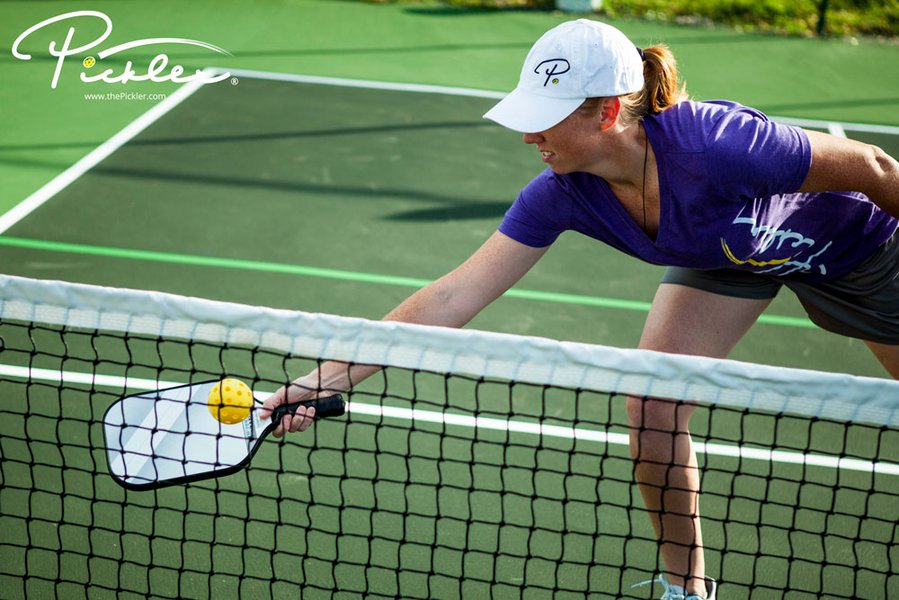
A well-executed dink shot can neutralize opponents and set up attacking opportunities.
The Indispensable Third Shot Drop
The third shot of a rally (following the serve and the return of serve) is often pivotal. The "third shot drop" is a soft, arcing shot that lands gently in the opponent's NVZ. Its primary purpose is to neutralize the advantage of the returning team (who are usually already at the NVZ) and allow the serving team time to advance to their own NVZ line. Mastering this shot is considered crucial for progressing to higher levels of play.
The Power of the Dink: Controlling the Pace
Dinking is the art of hitting soft, controlled shots that arc just over the net and land in the opponent's NVZ. Proficient dinking allows teams to control the pace of the game, engage in strategic exchanges at the net, and patiently wait for an opponent to make an error or hit a "pop-up" (a ball hit too high) that can be attacked. Consistent dinking can frustrate opponents and force them into risky shots.
Targeting Vulnerabilities: Aiming for the Feet and Weak Sides
A highly effective tactic is to aim shots at your opponents' feet, especially when they are in the transition zone or at the NVZ line. This forces them to hit an upward, often defensive, shot, which can create an attacking opportunity for your team. Additionally, identifying and consistently targeting an opponent's weaker side (frequently their backhand) can yield unforced errors or weak returns.
Keeping Opponents Pinned: The Deep Shot Advantage
Hitting deep shots, whether serves, returns, or groundstrokes, that land near the opponent's baseline serves to push them back, limiting their ability to attack the net and giving your team more time to position yourselves. If you can keep your opponents pinned to the baseline while your team controls the NVZ, you hold a significant tactical advantage.
The Underrated Lob: A Defensive and Offensive Tool
The lob, a high arcing shot hit over the opponents' heads, can be a valuable tool. Defensively, it can buy your team time to recover position if you're pushed off the NVZ. Offensively, a well-placed lob can catch opponents who are too close to the net off guard, forcing them to scramble back and potentially yielding an easy point or a weak return. However, lobs should be used judiciously, as a poorly executed lob can be easily smashed by opponents.
Varying Your Shots: Keeping Opponents Guessing
Avoid becoming predictable. Employ a mix of drives (hard, flat shots), drops, dinks, and lobs. Changing the pace, spin, and placement of your shots keeps opponents off-balance and makes it harder for them to anticipate your next move. A well-timed drive can surprise opponents expecting a dink, and vice-versa.
Dominating Serves and Returns
The serve and return set the stage for each point. Strategic execution of these initial shots can provide an immediate advantage.
The Strategic Serve: Depth and Placement
While power can be a factor, the primary goal of the serve in doubles is consistency and strategic placement. Aim for deep serves that land close to the baseline, pushing the returner back and making their return more challenging. Targeting an opponent's weaker side with the serve can also be effective. A serve with a moderate arc is often preferable to a very flat, hard serve, as it can be more difficult to attack directly and gives the serving team more time to prepare for the third shot.
Effective Return Strategies: Middle Ground and Depth
The return of serve should ideally be hit deep, again to keep the serving team further from the net and provide your team (the returning team) time to solidify your position at the NVZ. Aiming returns down the middle of the court can create confusion between opponents as to who should take the shot, potentially leading to errors or weak responses. Avoid returning too close to the sidelines unless you are confident in your accuracy, as this increases the risk of an unforced error.
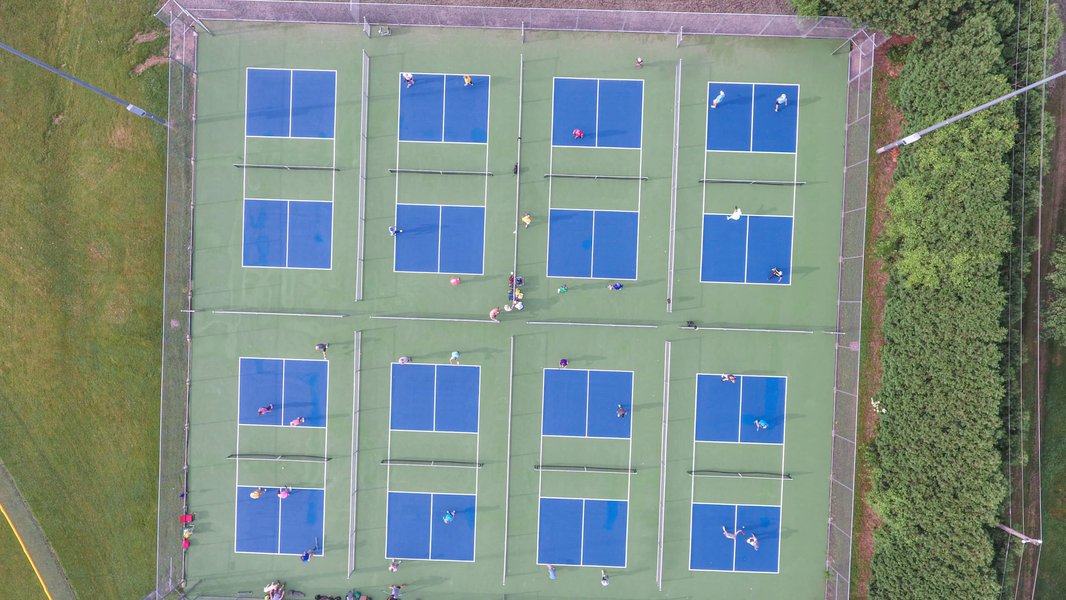
Strategic positioning at the Non-Volley Zone is key in doubles pickleball.
The Mental Game and Consistency: Playing Smarter, Not Harder
Pickleball is as much a mental game as it is a physical one. Patience, consistency, and adaptability are hallmarks of strong doubles teams.
Patience is a Virtue: Waiting for the Right Shot
Resist the urge to end points too quickly with low-percentage power shots. Often, the most effective strategy is to remain patient, engage in dink rallies if necessary, and wait for a clear opportunity to hit an offensive shot – typically when an opponent hits a ball too high or leaves an opening. Forcing shots often leads to unforced errors.
Minimizing Unforced Errors: The Path to Victory
In many doubles matches, the team that makes fewer unforced errors wins. Focus on making smart, high-percentage shots and keeping the ball in play. Prioritize placement and consistency over sheer power, especially in critical moments of the game.
Adaptability: Adjusting Your Game Plan
Be prepared to change your strategy if it isn't working. If your opponents are handling your dinks well, perhaps try more aggressive shots. If they are dominating the net, consider using lobs or focusing on keeping them pinned to the baseline. Observing your opponents' patterns and weaknesses and adjusting your tactics accordingly is a key aspect of higher-level play.
Visualizing Pickleball Doubles Strategy
Understanding how different skills and tactics contribute to overall success can be enhanced through visual aids. The following chart and mindmap provide different perspectives on the elements of winning doubles play.
Key Skills Impact Radar Chart
This radar chart visualizes the relative importance and focus area of various skills for different player levels in doubles pickleball. A higher score indicates a greater impact on overall success or a stronger emphasis for that player type. Note that all skills are important, but their prioritization might shift based on competitive level and strategic intent.
The chart illustrates that while recreational players benefit from a balanced focus across fundamental skills, competitive players tend to place an even higher emphasis on advanced skills like third shot quality, communication, and unwavering patience and consistency, alongside strong NVZ control.
Interconnected Doubles Tactics Mindmap
This mindmap illustrates the interconnected nature of optimal pickleball doubles tactics. Success relies on a holistic approach where each element supports and enhances the others, creating a robust and adaptable game plan.
Doubles Tactics"] p["Court Positioning"] p1["Reach NVZ Line Quickly"] p2["Move in Unison (Shadowing)"] p3["Maintain Defensive Formation"] p4["Receiver's Partner at NVZ"] c["Communication"] c1["Verbal Cues (Yours/Mine/Out)"] c2["Hand Signals (Optional)"] c3["Partner Chemistry & Trust"] c4["Strategy Discussion"] ss["Shot Selection"] ss1["Third Shot Drop (Neutralize)"] ss2["Dinks (Control Pace, Force Errors)"] ss3["Target Feet / Weak Sides"] ss4["Deep Serves & Returns"] ss5["Lobs (Defensive & Offensive)"] ss6["Placement Over Power"] ss7["Vary Shots (Pace/Spin/Location)"] tmg["Teamwork & Mental Game"] tmg1["Patience & Consistency"] tmg2["Adaptability (Adjust Strategy)"] tmg3["Minimize Unforced Errors"] tmg4["Positive Reinforcement"] at["Advanced Tactics"] at1["Poaching (Calculated Risk)"] at2["Stacking (Maximize Strengths)"] at3["Angle Shots (Open Court)"] at4["Exploiting Opponent Patterns"]
As the mindmap shows, elements like court positioning directly impact shot selection possibilities, while consistent communication underpins effective teamwork and the execution of advanced tactics. No single strategy exists in isolation; they all work together.
Key Pickleball Doubles Tactics at a Glance
For a quick reference, the following table summarizes some of the most crucial tactics for success in doubles pickleball:
| Tactic | Description | Key Benefit |
|---|---|---|
| Control the NVZ Line | Both players advance to and maintain position at the Non-Volley Zone line after the serve and return. | Dominates net play, allows for aggressive volleys, and forces opponent errors. |
| Master the Third Shot Drop | A soft, arcing shot landing in the opponent's NVZ, typically executed on the third shot of the rally. | Allows the serving team to safely advance to the NVZ, neutralizing the returning team's net advantage. |
| Effective Dinking | Hitting controlled, low shots that land softly in the opponent's NVZ. | Controls the pace of the game, reduces opponent's attacking angles, and creates opportunities for offensive shots. |
| Strategic Communication | Using clear verbal cues (e.g., "Yours," "Mine," "Out") and potentially non-verbal signals. | Avoids confusion and collisions, ensures proper court coverage, and facilitates coordinated play. |
| Unified Court Movement | Partners move laterally together, as if connected, to cover gaps and maintain court balance. | Prevents opponents from exploiting open spaces and maintains defensive integrity. |
| Target Opponent Vulnerabilities | Aiming shots at opponents' feet, their weaker side (often backhand), or into areas that create awkward returns. | Forces weak returns, generates unforced errors, and disrupts opponent rhythm. |
| Deep Serves & Returns | Placing serves and returns deep into the opponent's court, near their baseline. | Pushes opponents back, limits their offensive options, and provides more time for your team to position. |
| Patience & Consistency | Focusing on keeping the ball in play with high-percentage shots and waiting for clear attacking opportunities. | Reduces unforced errors, puts pressure on opponents to make mistakes, and often outlasts aggressive but erratic play. |
| Shot Variety | Mixing up drives, drops, dinks, lobs, and varying shot pace and placement. | Keeps opponents off-balance, prevents them from anticipating shots, and creates more scoring opportunities. |
Watch and Learn: Doubles Strategy in Action
Visualizing these strategies can be incredibly helpful. The following video provides insights into fundamental doubles strategies that new and intermediate players can implement to improve their game. It covers key concepts like court positioning and shot selection, reinforcing many of the tactics discussed.
"6 Pickleball Doubles Strategies New Players MUST Know" - A helpful video guide to foundational tactics.
This video emphasizes the importance of getting to the net, the third shot drop, and communication – core elements that underpin successful doubles play at any level. Observing how these strategies are applied in game-like scenarios can accelerate learning and understanding.
Advanced Maneuvers for a Competitive Edge
Once the foundational tactics are mastered, teams can incorporate more advanced strategies to gain a further competitive advantage.
Poaching: The Element of Surprise
Poaching occurs when a player at the net moves across their partner's side of the court to intercept and volley a ball. This aggressive move can surprise opponents and win points outright, especially if the poached shot is weak or predictable. Successful poaching requires good anticipation, quickness, and clear communication (or a strong understanding) with your partner to ensure the court remains covered.
Stacking: Maximizing Strengths
Stacking is a positioning strategy used to ensure players are on their preferred sides of the court (e.g., to keep both forehands in the middle, or to place a stronger player in a position to cover more court) after the serve or return. While pickleball rules dictate serving and receiving positions, players can legally shift positions after the ball is in play. Stacking can be complex and requires excellent coordination and understanding of its rules and implications.
Exploiting Opponent Weaknesses Persistently
Beyond simply targeting a weaker side, advanced play involves systematically breaking down an opponent by repeatedly exploiting a specific weakness until they either make an error or are forced to change their game in a way that benefits your team. This could involve targeting a player with poor mobility, inconsistent backhands, or a tendency to pop up dinks.
Angle Shots: Opening the Court
Hitting sharp angle shots, especially dinks or volleys from the NVZ, can pull opponents wide off the court, creating large open spaces for subsequent shots. Mastering angle shots requires good touch and an understanding of court geometry.
Frequently Asked Questions (FAQ)
What is the most important position in doubles pickleball?
How can partners improve communication on the court?
What is a "third shot drop" and why is it important?
Should I prioritize power or placement in doubles?
How do we decide who takes a shot down the middle?
Conclusion
The optimal tactics in pickleball doubles revolve around a synergistic blend of intelligent court positioning, clear communication, strategic shot selection, unwavering patience, and cohesive teamwork. By focusing on controlling the Non-Volley Zone, mastering key shots like the third shot drop and dink, and working in unison with your partner, you can significantly elevate your game. Remember that pickleball is a dynamic sport; adaptability and a commitment to continuous improvement are key to sustained success on the court. Practice these strategies diligently, and you'll find your team winning more points, games, and enjoying the competitive camaraderie of doubles play.
Recommended Further Exploration
- Discover drills and techniques for mastering the crucial third shot drop.
- Explore the intricacies of stacking in doubles pickleball for a competitive edge.
- Learn how to avoid communication pitfalls that can cost your team points.
- Understand the psychological aspects of pickleball and how to build mental toughness.