
Brooklyn Bridge: A Reflection of Post-Civil War America
Exploring how this engineering marvel captured the era's economic, political, and social transformations
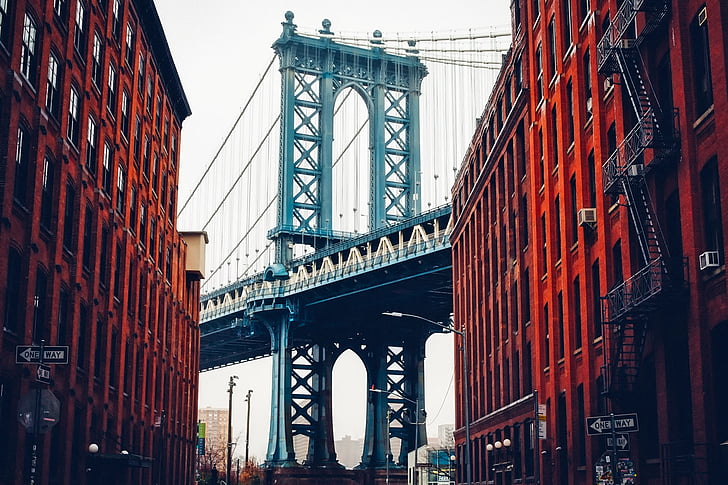
Key Highlights
- Economic Growth and Technological Innovation: The bridge spurred regional development and underscored industrial advances.
- Political Influence and Integration: It highlighted the political dynamics of the era, including government support and the impact of political machines.
- Social Transformation and Cultural Significance: The bridge symbolized urbanization, cultural melting pots, and contributed to an emergent collective optimism.
Introduction
The construction of the Brooklyn Bridge is far more than just an engineering milestone; it embodies the sweeping changes that characterized the United States after the Civil War. Completed in 1883, this monumental project was both a catalyst and a mirror for the economic, political, and social transformations occurring during the late 19th century. In examining the bridge’s construction, one can observe the interplay between rapid industrialization, evolving political institutions, and the dynamic social reordering that marked the Gilded Age. Each facet of the project, from its technological breakthroughs to its role in urban integration, illustrates how infrastructure development was deeply intertwined with the nation’s progress.
Economic Transformation and Technological Innovation
Advancements in Industrial Technology
One of the most significant ways in which the Brooklyn Bridge reflected post-Civil War economic changes was through its use of cutting-edge engineering and industrial technology. The period after the Civil War, known as the Gilded Age, was characterized by rapid industrial expansion. Innovations such as the Bessemer process made steel production more affordable and efficient, which in turn opened the door for ambitious construction projects.
The Brooklyn Bridge ingeniously incorporated these industrial advancements. Its suspension design, bolstered by the novel use of steel-wire cables, demonstrated the transformative impact of modern materials and methods. This was a tangible representation of how American ingenuity was being harnessed to build infrastructure that could support the burgeoning transportation needs of a rapidly growing urban population.
Economic Growth Through Connectivity
Before the advent of the bridge, travel between Manhattan and Brooklyn was predominantly reliant on boats. This mode of transportation, while practical, limited economic integration between the two areas. The completion of the Brooklyn Bridge dramatically reduced travel time and logistics constraints. Instantaneous physical connection fostered the movement of workers and goods between the two boroughs, creating an economic synergy that spurred growth in both areas.
Brooklyn, once a quieter city, underwent a profound transformation. As the bridge made it easier for residents to commute to the thriving commercial centers in Manhattan, it triggered a population surge in Brooklyn. This migratory movement was not only an indication of improved living conditions but also helped diversify the economic activities in the region, further contributing to New York City’s rise as an economic powerhouse.
Catalyst for Industrial Expansion
The economic boost from building the Brooklyn Bridge extended to several sectors of the economy. Its construction was supported by massive investments and was emblematic of the spirit of enterprise prevalent during the era. This monumental project featured innovative engineering techniques that later influenced infrastructure projects across the country, laying the groundwork for a more interconnected industrial nation.
Below is a table summarizing the economic impacts of the bridge’s construction:
| Aspect | Description |
|---|---|
| Technological Innovation | Pioneering use of steel-wire cables and suspension design, emblematic of industrial breakthroughs. |
| Economic Integration | Facilitated the flow of goods and labor between Brooklyn and Manhattan, strengthening regional economies. |
| Infrastructure Investment | Represents large-scale investments that drove urban development and industrial growth in the post-war period. |
| Urban Population Surge | Improved accessibility led to increased migration, social diversity, and economic dynamism in Brooklyn. |
Political Dynamics and National Integration
Political Backing and the Role of Public Policy
The construction of the Brooklyn Bridge was intricately linked to the political milieu of its time. Following the Civil War, American political life saw the rise of powerful political machines and significant municipal reforms. Figures such as Boss Tweed, associated with the notorious Tammany Hall, played a controversial role in the project. Their involvement underscores how politics and infrastructure development were closely intertwined.
Government and Private Sector Collaboration
The bridge was not solely a product of governmental initiative; it was an outcome of dynamic collaboration between the public and private sectors. Licenses, charters, and government backing were crucial in securing the necessary investments and support for this enormous project. In turn, this collaboration helped manifest federal and municipal policies that promoted public works as a means to stimulate economic growth and regional integration.
Symbol of Political Ambition
Beyond its technical achievements, the Brooklyn Bridge served as a symbol of national unity. Its construction paralleled other grand infrastructure projects, such as the transcontinental railroads, which were instrumental in knitting together a vast and diverse nation. The political will to complete such projects was a demonstration of emerging ideas about federal support for collective progress, signifying hope and a forward-looking vision for the United States.
The political impact extended into broader themes such as urban integration. The connection between Manhattan and Brooklyn, which were once distinct entities, became emblematic of a unified metropolitan vision. This unity was soon to be institutionalized with the consolidation of New York City in 1898, reflecting a broader trend towards governance reforms and efforts to streamline administration in rapidly expanding urban areas.
Social Transformation and Cultural Impact
Heroic Figures and the Changing Workforce
The social implications of the Brooklyn Bridge’s construction extended far beyond its functional utility. During this transformative period, society was undergoing rapid change, influenced by waves of immigration and evolving roles within the workforce. One key example of how the project engaged with these shifts is the prominent role played by figures such as Emily Warren Roebling. As an essential part of the engineering team, her involvement symbolized the expanding role of women in fields traditionally dominated by men.
The bridge worked as a communal space that brought together diverse groups of people. It stood as a testament not only to human ingenuity but also to the social progress that was steadily redefining American society. In a time marked by economic disparities and a shifting social order, the Brooklyn Bridge became a beacon of hope and a physical manifestation of the country’s pursuit of innovation and inclusivity.
Urbanization and Immigration
The post-Civil War era in America witnessed unprecedented urban growth and an influx of immigrants seeking new opportunities. These demographic changes transformed cities into vibrant melting pots of cultures, ideas, and ambitions. New York City was at the heart of this transformation. The Brooklyn Bridge, by linking Manhattan with Brooklyn, played a critical role in fostering the urban expansion that characterized the era.
As ascending numbers of immigrants established their lives in cities, the connectivity provided by the bridge not only improved access to employment but also facilitated cultural exchange. Immigrants from diverse backgrounds found themselves within reach of job opportunities, educational resources, and community networks that they might have otherwise missed. The bridge’s construction thus contributed to the social integration of a multicultural urban society.
Cultural Legacy and Symbolism
Over time, the Brooklyn Bridge has evolved into an enduring cultural icon. The structure, with its graceful arches and robust engineering, symbolizes the resilience and progress of modern America. The aesthetic design and architectural bravery made it a pivotal landmark, inspiring literature, art, and public demonstrations. It became a site for numerous cultural events, including civil rights marches and labor union parades, each imprinting the narrative of a society on the move.
The bridge represented the power of human innovation to overcome natural obstacles. Its enduring presence in New York City’s skyline serves as a continual reminder of a period when vision and progress were inextricably linked, influencing generations to come.
Broader Reflections on Post-Civil War Changes
Engineering Marvels and National Identity
Considered in the context of the broader socio-political landscape, the Brooklyn Bridge symbolizes more than just a crossing over a body of water—it illustrates America’s journey towards becoming a modern nation. The engineering innovations represented by the bridge were closely tied to other contemporary advancements such as the transcontinental railroads and emerging urban infrastructures. Together, these developments fostered a sense of national identity centered on progress, possibility, and unity.
Economic Resilience and National Growth
In the wake of the Civil War, the economic reconstitution of the United States was a formidable challenge that required innovative solutions. The construction of large-scale infrastructure projects not only addressed immediate logistic issues but also set the stage for enduring economic resilience. The Brooklyn Bridge was a metaphor for the transformative energies of the period—a massive investment into the future that paid dividends in the form of sustained regional development and national economic integration.
Political Reform and Social Cohesion
Politically, the Brooklyn Bridge project mirrored the evolution of American governance. As political structures adapted to the realities of a rapidly evolving nation, there was a growing recognition of the importance of infrastructure in promoting social cohesion and unity. The involvement of both public and private actors in the bridge’s construction highlighted how collaborative efforts could overcome sectional divides and create a more unified national framework.
Social Symbolism as a Catalyst for Change
Socially, the bridge served to bridge divides—both literal and metaphorical. It was instrumental in breaking down the barriers between different urban communities, thereby acting as a physical manifestation of social integration. By connecting separate urban areas, the Brooklyn Bridge played an integral role in diffusing cultural, economic, and social energies. Immigrants, laborers, entrepreneurs, and even political reformers found common ground in the opportunities that the bridge enabled.
The symbolic resonance of the bridge remains potent. It encapsulated the period’s transformative spirit, a time when hope was matched with hard work and the nation's collective ambition towards progress. The structure not only provided practical benefits but also inspired a shared vision for America—a vision where technological prowess, collaborative governance, and social inclusivity were interlinked pillars of national rejuvenation.
Summary Table: Reflections of Post-Civil War Change
| Aspect | Reflection of Change |
|---|---|
| Economic | Industrial innovations like the use of steel-wire cables; enhanced connectivity leading to regional economic growth and urban population surges; stimulation of investments and large-scale infrastructure projects. |
| Political | Collaboration between government and private investors; increased political will to build national infrastructure; political figures influencing project funding and urban integration, symbolizing national unity. |
| Social | Role of groundbreaking figures such as Emily Warren Roebling; facilitation of urban integration and cultural exchange brought on by immigration; creation of a symbolic national icon representing hope and progress. |
Additional Analysis of the Socio-Political Impact
Cultural and Civic Significance
The Brooklyn Bridge not only catalyzed economic growth but also reshaped the civic landscape. It became a communal space where large public gatherings and social demonstrations found a common meeting point. Its design and imposing presence were constant reminders of both the triumphs and challenges of the era. In a time marked by rapid change and uncertainty, the bridge offered a sense of stability and continuity—a beacon that brought diverse communities together under a shared banner of progress.
Immigrant populations, which were integral to the growth of New York City, found in the bridge a symbol of America’s promises. Though the journey was fraught with challenges, the assurance that transplanting old-world skills into new technological paradigms could create prosperity resonated throughout communities. The Brooklyn Bridge stood as an enduring symbol of human endeavor and ingenuity, encouraging a spirit of enterprise and communal solidarity that was vital for the long-term evolution of American society.
Influence on Future Infrastructure Projects
The legacy of the Brooklyn Bridge extends well beyond its immediate impact and paved the way for future monumental constructions. Its successful execution demonstrated the feasibility and benefits of grand-scale public works, inspiring subsequent projects aimed at further unifying the nation. These lessons influenced urban planning and infrastructure development for decades to come, reinforcing the idea that well-conceived engineering projects could serve as pillars of national progress.
In a time when the United States was rapidly emerging as a global industrial leader, the Brooklyn Bridge projected an image of resilience, forward-thinking societal organization, and the unquenchable thirst for innovation. Such projects, which combined creativity, determination, and engineering excellence, not only addressed immediate needs but also crafted a legacy of hope and inevitability towards an inclusive modern future.
References
- Brooklyn Bridge Overview - Fiveable
- NY Times – Political Intrigue of the Brooklyn Bridge
- ThoughtCo – The Making of the Brooklyn Bridge
- iPL Essay – Analysis of the Brooklyn Bridge
- PBS LearningMedia – Brooklyn Bridge Impacts
Recommended Queries for Further Exploration
 cdn2.brooklynmuseum.org
Last updated March 6, 2025