
Understanding and Building AI and Physical Bots
A Comprehensive Guide to Developing Different Types of Bots
Key Highlights
- AI bots, particularly conversational ones like chatbots, can be built using no-code platforms or through coding with languages like Python or JavaScript.
- Building physical robots, such as a butler robot or even a boat, requires careful planning, materials selection, and often involves multiple construction steps.
- Specific types of bots, like Discord bots, involve distinct processes for creation and integration into their respective platforms.
Building a bot, whether it's an AI-driven conversational agent or a physical, mechanical entity, is a fascinating endeavor that can range in complexity from simple projects for beginners to sophisticated undertakings requiring advanced skills. The nature of the "bot" you intend to build dictates the tools, knowledge, and steps involved. This guide explores the various facets of bot building, providing insights into both digital and physical creations.
Building AI Bots: From Chatbots to Intelligent Agents
AI bots, often encountered in the form of chatbots, are designed to interact with users through natural language. Their complexity can vary greatly, from simple rule-based systems to advanced conversational agents powered by large language models (LLMs).
Approaches to AI Bot Development
For beginners, the most accessible way to start building an AI bot is by utilizing chatbot builders. These platforms provide intuitive interfaces and pre-built components that allow users to design conversational flows without writing code. This low-code or no-code approach is excellent for quickly deploying bots for specific purposes, such as customer service FAQs or simple interactive experiences.
Building more sophisticated or unique AI bots, however, typically requires coding. Popular programming languages for AI bot development include Python and JavaScript. Python, with its rich ecosystem of libraries like TensorFlow and PyTorch, is particularly well-suited for developing bots that incorporate machine learning and natural language processing capabilities. JavaScript is often used for building web-based chatbots or integrating bots into web applications.
The Role of AI Models and Logic
A sophisticated AI bot goes beyond simple rule-following. It requires the integration of AI models to understand and generate human-like text, process information, and make decisions. This involves training models on relevant datasets and implementing creative logic to handle diverse user inputs and scenarios.
Steps in Building a Conversational Chatbot
According to experts, building a successful conversational chatbot typically involves several key steps:
- Defining the Bot's Purpose and Scope: What will the bot do? Who is the target audience? What are its limitations?
- Designing the Conversation Flow: Mapping out how the bot will interact with users, including possible questions, responses, and decision points.
- Developing the Bot's Intelligence: This could involve setting up rules, integrating with natural language processing (NLP) tools, or training machine learning models.
- Integrating with Platforms: Connecting the bot to the desired channels, such as websites, messaging apps, or social media.
- Testing and Iterating: Continuously evaluating the bot's performance and making improvements based on user interactions.
Constructing Physical Bots and Robots
Beyond the digital realm, bots can also exist as physical entities. Building a physical robot involves hardware components, mechanics, and programming to control its actions. The complexity of a physical bot project depends heavily on its intended function and design.
Building a Butler Robot
Projects like building a butler robot demonstrate the blend of engineering disciplines required for physical bot construction. Such a project would involve:
-
Bill of Materials: Identifying and sourcing all necessary components, including sensors, motors, microcontrollers (like Arduino or Raspberry Pi), and structural materials.
-
Building the Chassis: Constructing the physical frame or body of the robot, which provides structure and houses the components.
-
Choosing the Right Materials: Selecting materials that are appropriate for the robot's function, considering factors like weight, durability, and cost.
-
Wiring and Electronics: Connecting the electronic components correctly to ensure they function as intended.
-
Programming the Robot: Writing code to control the robot's movements, interpret sensor data, and execute tasks.
The Art of Building a Boat
While not typically referred to as "bots," building a boat shares many principles with constructing complex physical systems. It requires detailed plans, careful material selection, and a step-by-step process. Resources like boat plans and tutorials guide builders through the process, which can range from simple, quick projects to intricate constructions taking significant time and skill. The process often involves building the hull, adding structural components, and finishing the interior and exterior.
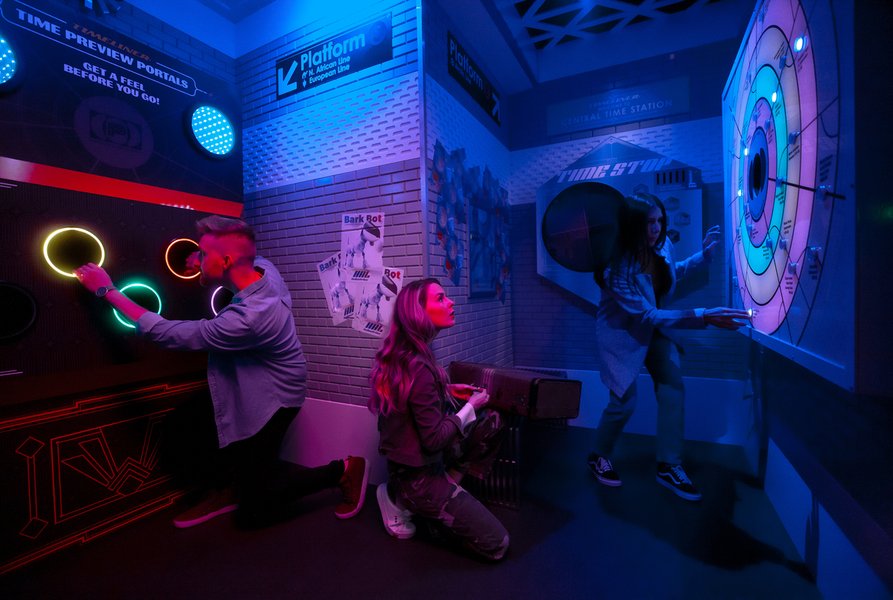
Visual representation of components for an AI-powered immersive escape room.
Developing Platform-Specific Bots: The Case of Discord
Many bots are designed to operate within specific platforms or applications. Discord bots, for example, are created to add functionality and automation to Discord servers. The process for building a Discord bot involves interacting with the Discord API and following platform-specific guidelines.
Steps to Create a Discord Bot
Creating a custom Discord bot generally involves these steps:
- Creating a Discord Application: Setting up a new application in the Discord Developer Portal.
- Creating a Bot User: Adding a bot to the application and obtaining its token, which is necessary for the bot to connect to Discord.
- Setting Permissions: Defining what actions the bot is allowed to perform on a server.
- Writing the Bot's Code: Using a programming language like Python (with libraries like
discord.py) or JavaScript to define the bot's behavior and commands. - Adding the Bot to a Discord Server: Using the bot's OAuth2 URL to authorize it to join a server.
Choosing the Right Bot for a Server
Before building or adding a bot to a Discord server, it's important to consider the server's unique needs and choose a bot that provides relevant and valuable features.
Comparing Approaches: No-Code vs. Coding
The choice between using a no-code platform and coding depends largely on the desired complexity and customization of the bot. The following table highlights some key differences:
| Feature | No-Code Platforms | Coding (e.g., Python, JavaScript) |
|---|---|---|
| Ease of Use for Beginners | Very High | Requires Programming Knowledge |
| Customization and Flexibility | Limited | High |
| Development Speed | Fast | Can be Slower for Simple Bots, Faster for Complex Ones |
| Complexity of Bots | Generally Simpler | Can Build Highly Sophisticated Bots |
| Learning Curve | Low | Moderate to High |
This table illustrates that while no-code options offer a quick entry point into bot building, coding provides the power to create highly specialized and complex bots tailored to specific requirements.
The BOT Model in Software Development
In the context of software development and business, the BOT (Build-Operate-Transfer) model is a project management approach where a company partners with a third party to build a product or service. The third party operates it for a period and then transfers it back to the original company. This model is distinct from building an AI or physical bot, focusing on a contractual framework for project delivery rather than the technical construction itself.
Frequently Asked Questions
What are some popular tools for building chatbots without coding?
Several platforms allow you to build chatbots without writing code, offering visual interfaces to design conversations and integrate with various services. Examples include platforms mentioned in the sources like chatbot builders and services focused on FAQ bots.
Is it difficult to build a sophisticated bot?
Building a truly unique and sophisticated bot, especially one with advanced AI capabilities, can be challenging. It requires a good understanding of programming, potentially AI models, and the ability to implement complex logic to handle nuanced interactions.
What are the essential components for building a physical robot?
Key components for physical robots often include a power source, a microcontroller or processor, sensors to perceive the environment, actuators (like motors) to enable movement, and a physical structure or chassis.
Can I build a boat as a beginner?
Yes, there are boat building projects suitable for beginners. Many resources provide detailed plans and instructions for simple boats that can be constructed with basic tools and materials. The complexity varies greatly, so choosing a beginner-friendly design is crucial.
What is the first step in creating a Discord bot?
The initial step in creating a Discord bot is to create a new application in the Discord Developer Portal. This provides the necessary framework to add a bot user and obtain the credentials needed to connect it to Discord.
References
Last updated May 11, 2025