
Harnessing Business Intelligence for Transformative Growth
Unlocking predictive analytics and customer insights to drive success
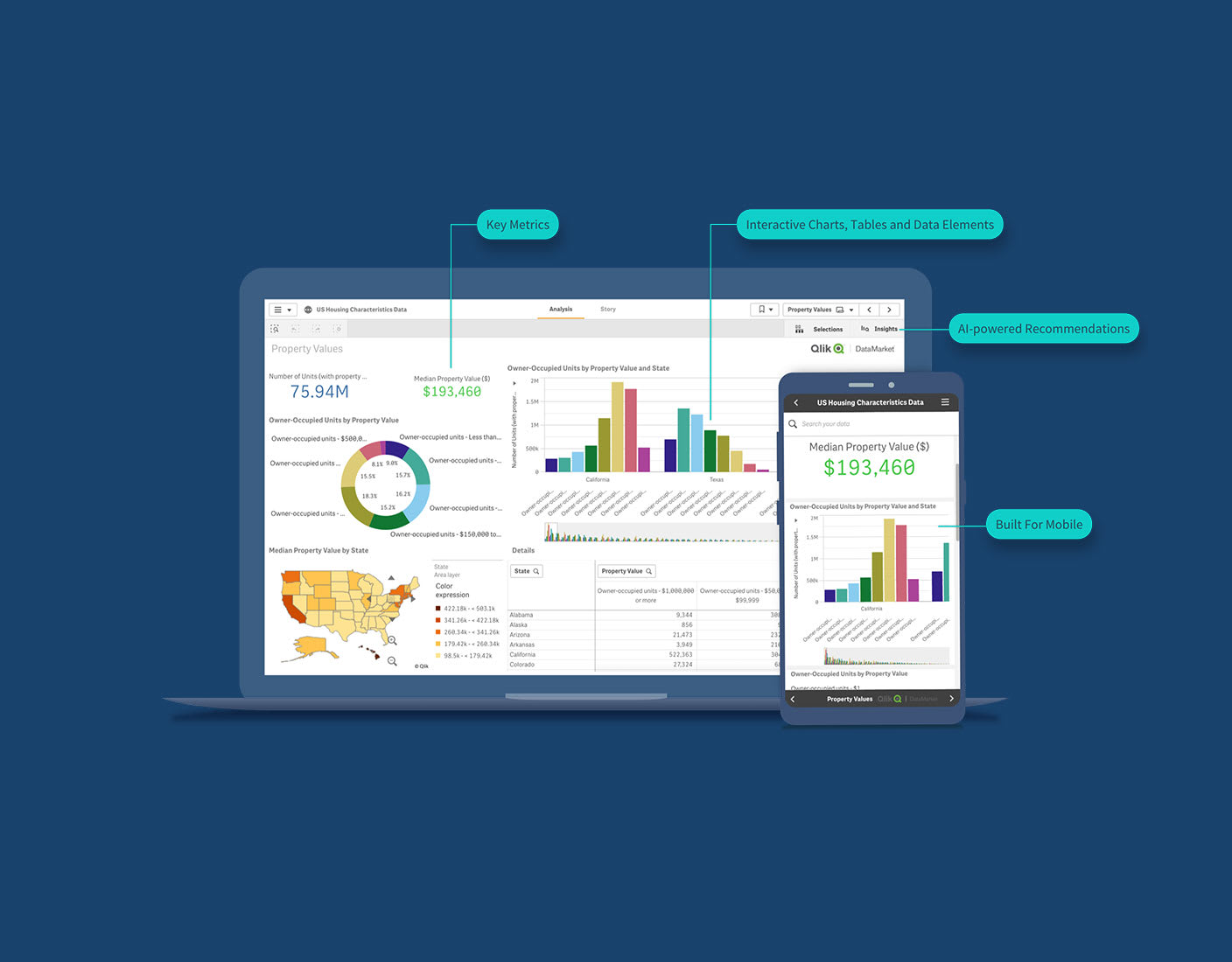
Key Highlights
- Strategic Integration: Business Intelligence integrates predictive analytics and customer insights to fuel data-driven decisions.
- Innovative Applications: Implementation of AI in Business Intelligence enables personalized customer experiences and competitive intelligence.
- Sustainable Growth: Continuous evaluation and ROI measurement guide organizations towards efficient, revenue-optimizing operations.
Introduction
In the rapidly evolving landscape of modern business, leveraging data for sound decision-making is quintessential. Business Intelligence (BI) serves as a cornerstone for organizations striving for success in today’s competitive markets. Through innovative applications of predictive analytics and customer insights, BI empowers businesses to not only anticipate market trends but also shape their operational strategies accordingly.
With the advent of powerful Artificial Intelligence (AI) tools, BI has transcended traditional reporting functions, offering organizations real-time data processing, augmented analytics, and predictive capabilities. Embracing these technological advancements, companies are now better positioned to improve operational efficiency, optimize revenue streams, and ultimately gain a competitive edge.
The Pillars of Business Intelligence
Understanding the Core Components
Data Collection and Integration
The first step in harnessing Business Intelligence is the efficient collection and integration of data from various sources. Modern organizations generate vast quantities of data spanning customer transactions, online behavior, and market interactions. Ensuring the quality and consistency of this data is crucial for actionable insights. With robust data integration, disparate datasets are combined, cleaned, and structured to form a reliable foundation for further analysis.
Predictive Analytics
Predictive analytics represents a transformative element within BI. By analyzing historical data, predictive models forecast potential outcomes and guide strategic planning. This involves using sophisticated algorithms to identify trends, predict customer behavior, and simulate market conditions. Utilized effectively, predictive analytics allows organizations to proactively manage risks and seize new opportunities, thereby contributing directly to revenue optimization.
Customer Insights
Customer insights are derived from analyzing consumer interactions, preferences, and trends. Leveraging AI-driven models, organizations can discern patterns that are not immediately obvious through conventional analysis. The insights fostered by these techniques enable enterprises to tailor their services and products to meet individual customer needs, thereby enhancing customer experience and retention.
Implementing an Effective Business Intelligence Strategy
Strategic Considerations for Success
Define Objectives and Key Performance Indicators (KPIs)
A clear delineation of objectives is essential for any BI initiative. Organizations must begin by identifying specific business challenges or opportunities that can be addressed through BI. This is followed by establishing KPIs to monitor progress and measure the effectiveness of BI solutions. These metrics might include customer acquisition and retention rates, return on investment (ROI), and operational efficiencies.
Ensure Data Readiness and Quality
The success of any BI strategy depends on the availability of high-quality, reliable data. Data cleansing, consolidation, and real-time monitoring are vital processes that ensure accuracy and consistency. Companies must invest in robust data management systems which include automated processes for data validation and error correction. Such systems safeguard against the risks of data inaccuracies that could lead to flawed business decisions.
Adopt AI-Driven Tools
Incorporating AI into business intelligence systems creates opportunities for enhanced analytics capabilities. AI-driven tools, particularly those that leverage predictive analytics and customer insights, connect the dots between vast datasets. These tools process and analyze data at unprecedented speeds, illuminating trends and patterns that drive smart decision-making. Furthermore, the flexibility of low-code AI platforms aids in rapid development and adaptation of BI strategies without significant upfront complexity.
Applications and Benefits of Business Intelligence
Driving Operational Excellence and Revenue Optimization
Enhanced Decision Support
Through advanced BI systems, decision-makers gain access to granular data analytics and insights that shape high-impact strategies. With real-time dashboards, predictive models, and comprehensive reports, executives are better informed about market conditions, consumer behavior, and internal performance. This advanced decision support paves the way for proactive strategies that can transform challenges into opportunities.
Competitive Intelligence
Business Intelligence plays a pivotal role in decoding the competitive landscape. By analyzing competitive behavior, market trends, and customer sentiment, organizations can craft strategies that set them apart. BI provides the tools to benchmark performance against industry standards, understand competitor strategies, and adapt quickly to changing market dynamics. This comprehensive intelligence contributes to sustained competitive advantages and drives long-term growth.
Personalization and Customer Engagement
Personalization has become central to modern customer engagement strategies. The intersection of BI and customer insights enables companies to deliver tailored experiences based on individual customer behaviors and preferences. For example, AI algorithms analyze past purchasing patterns and browsing histories to recommend products uniquely suited to each consumer. This targeted approach not only enhances the customer experience but also boosts conversion rates and fosters lasting loyalty.
Automation and Efficiency
One of the significant benefits of a robust BI framework is the ability to automate routine reporting and analytical tasks. The automation of data collection, processing, and visualization reduces manual errors and frees up valuable resources. As a result, employees can focus on more strategic tasks that require human ingenuity and oversight. Automation also accelerates the decision-making process by providing timely, accurate, and actionable insights that can quickly translate into business actions.
Case Study: AI-Enhanced BI in Practice
Real-World Implementation and Success
Consider a multinational retail corporation that integrated AI-driven business intelligence into its operational model. The company faced challenges in understanding shifting customer preferences across different regions. The initial step involved consolidating large volumes of sales data, customer feedback, and market trends into a centralized BI platform.
By deploying predictive analytics, the retailer was able to identify key trends in consumer behavior, including rising demand for certain product categories during specific seasons. Using these insights, the company realigned its inventory and marketing strategies, resulting in a significant increase in both customer satisfaction and revenue. Furthermore, the integration of AI tools into the BI system allowed for real-time tracking of inventory levels and customer service metrics, enabling the company to maintain a competitive edge in a highly dynamic market.
BI-Driven Table of KPIs and Outcomes
| Key Performance Indicators (KPIs) | Outcome |
|---|---|
| Customer Acquisition Rate | Improved by 15% due to targeted marketing strategies |
| Customer Retention Rate | Increased by 20% through personalized engagement initiatives |
| Operational Efficiency | Enhanced by 25% with automation of routine BI tasks |
| Revenue Growth | Boosted by 30% from optimized product placements and promotions |
| ROI Measurement | Achieved a 35% increase within the first year post-implementation |
The Future Outlook
Emerging Trends and Next Steps
Looking ahead, the integration of AI in business intelligence is poised to redefine the scope of data analytics. As AI technologies continue to evolve, they will offer even deeper insights, more accurate predictions, and enhanced decision-making tools. The convergence of augmented analytics and real-time data will empower organizations to respond dynamically to market shifts.
Investment in talent development remains critical. Companies must ensure that their teams are equipped with the necessary skills to harness advanced AI-driven BI tools. Upskilling employees through targeted training programs will foster a culture of data literacy and innovation, enabling the organization to continually refine its BI strategies. Moreover, fostering cross-department collaboration will ensure that insights derived from BI are integrated into overall business strategy, thereby promoting adaptive and resilient operational models.
In addition, the democratization of BI—through user-friendly interfaces and accessible data visualization tools—will broaden the scope of its integration across business functions. Decision-makers, regardless of their technical expertise, will be empowered to interact with data and drive strategic business initiatives with confidence. In a world driven by rapid technological advancement, this democratization allows businesses to remain agile and responsive.
Practical Steps for Organizations
Actionable Recommendations
Evaluate Existing Infrastructure
Organizations must first evaluate their current data infrastructure. Identify gaps in data collection, storage, and integration that could impede the successful deployment of BI solutions. This initial assessment provides a clear pathway for improvements and identifies key areas where AI-driven insights can create substantial value.
Invest in Low-Code AI Platforms
Adoption of low-code AI platforms can streamline the development of BI applications. With these platforms, companies can rapidly prototype solutions, iterate based on feedback, and scale successful models. The ease of implementation reduces the learning curve for employees and facilitates faster time-to-market for BI initiatives.
Emphasize Ethical AI Principles
As organizations enhance BI capabilities through AI, ethical considerations must remain at the forefront. Establishing governance frameworks to ensure data privacy, mitigate biases, and uphold security standards is crucial. Trust and transparency in AI implementations not only preserve corporate integrity but also foster customer confidence in data-driven decision-making.
Monitor, Assess, and Iterate
Continuous monitoring of BI performance is necessary to ensure strategic alignment and ROI. Deploying frameworks for regular assessment—such as tracking customer acquisition costs and revenue impacts—allows organizations to fine-tune their operations in real-time. Iterative improvements based on precise, data-backed insights can lead to sustained competitive advantages.
Integrating Business Intelligence Across the Organization
Building a Data-Driven Culture
The ultimate power of Business Intelligence lies in its ability to transform organizational culture. By fostering a data-centric environment, companies encourage every department—from marketing to operations—to leverage insights in their daily decision-making. In turn, this leads to a continuous cycle of improvement, where data drives innovations that further refine and optimize operations.
The success stories of AI-enhanced BI implementations in industries such as retail, finance, and healthcare underscore the transformative potential of well-executed data strategies. Companies that invest in robust BI frameworks derive actionable insights that directly translate into enhanced performance metrics, customer satisfaction, and revenue growth.
As the technological landscape continues to advance, the iterative evolution of BI practices will further embed AI at the heart of strategic business models. This evolution not only maximizes data utility but also positions organizations to proactively shape market trends rather than merely reacting to them.
References
- Forbes - Forbes Business Council
- TechInformed - AI Business Solutions
- Microsoft - Business Insights
- Biz4Group - AI Business Ideas
- Accenture - Data and AI Insights
Recommended Searches
Categories, Business Intelligence Tags, Predictive Analytics, Customer Insights, AI Implementation
Last updated March 21, 2025