
Business Intelligence and the Power of Predictive Analytics
Harnessing Data to Forecast the Future in a Dynamic Business Landscape
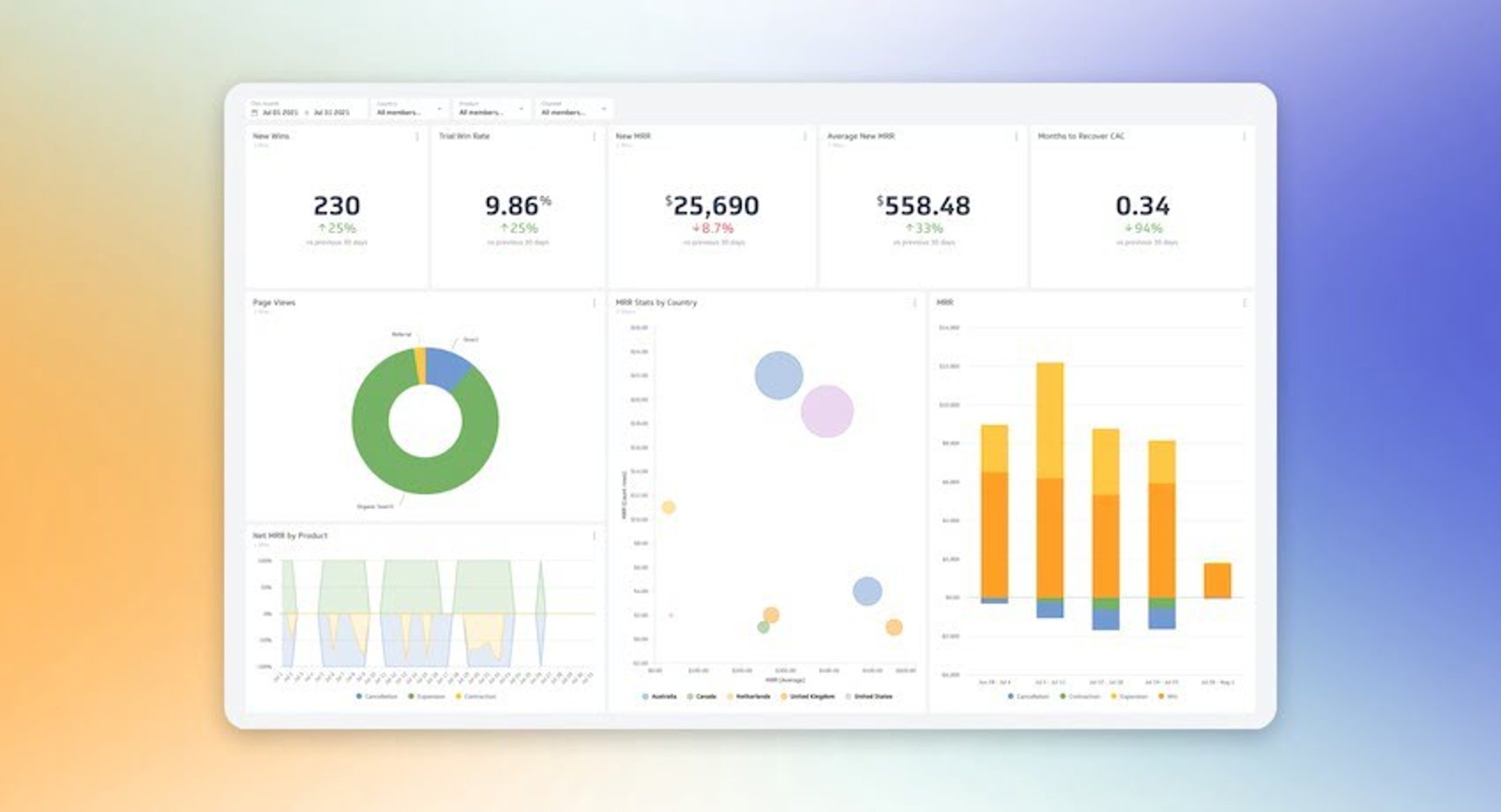
In today’s fast-paced business environment, companies are increasingly turning to advanced data analysis methods to guide strategic decisions. Business Intelligence (BI) has evolved far beyond traditional reporting; it now includes sophisticated tools such as Predictive Analytics that empower organizations to forecast future trends, anticipate challenges, and seize market opportunities. This article explores the transformative role of Predictive Analytics in Business Intelligence, shedding light on its benefits, implementation strategies, and long-term impact on decision-making processes.
Understanding Business Intelligence in the Modern Era
Business Intelligence is a comprehensive framework that involves gathering, analyzing, and presenting data to help businesses make informed strategic decisions. It combines data collection, data warehousing, and multi-faceted analytics to deliver insights into operations, market trends, and customer behavior. With the explosion of data produced every day, BI has become indispensable, providing organizations with the capability to convert raw data into actionable intelligence.
The Evolution of Business Intelligence
Traditionally, BI focused on retrospective analysis — generating reports from historical data. However, as technology advanced, the scope of BI expanded to include real-time processing, interactive dashboards, and more recently, predictive and prescriptive analytics. This evolution enables companies to transition from reactive to proactive decision-making. By anticipating potential outcomes, businesses can mitigate risks, optimize operations, and craft strategies that drive growth.
What is Predictive Analytics?
Predictive Analytics refers to the processes and technologies used to analyze current and historical data to make predictions about future events. It employs statistical algorithms, machine learning techniques, and advanced data mining methods to uncover hidden patterns and forecast trends. In the realm of Business Intelligence, Predictive Analytics acts as a crystal ball – offering insights into customer behavior, market fluctuations, and operational inefficiencies before they manifest.
Key Components of Predictive Analytics
Data Collection & Quality
The foundation of any robust predictive model is high-quality data. Organizations must ensure that data is accurate, timely, and relevant. With BI systems gathering information from multiple sources – such as internal databases, social media, and market reports – establishing protocols for data validation and cleansing is critical. The integrity of data directly impacts the reliability of predictive outcomes.
Statistical Modeling and Machine Learning
At the heart of Predictive Analytics are statistical models and machine learning algorithms that analyze datasets to determine trends, patterns, and probable future outcomes. Techniques such as regression analysis, decision trees, and neural networks are commonly employed. Machine learning models continuously learn from new data inputs, which allows them to improve their predictions over time.
Integration with Business Intelligence Platforms
Integrating Predictive Analytics into existing BI platforms bridges the gap between historical analysis and future forecasting. Modern BI solutions now include modules that support predictive functions, enabling real-time combination of historical trends with machine-learned insights. This integration enhances traditional BI dashboards by adding forward-looking metrics that inform strategic planning.
Applications of Predictive Analytics in Business Intelligence
The practical applications of Predictive Analytics within Business Intelligence are vast and varied. Organizations across diverse sectors have leveraged this technology to drive significant improvements in performance and competitive advantage.
Enhancing Customer Insights
One of the most critical aspects of business success is understanding and anticipating customer needs. Predictive Analytics enables companies to analyze customer behavior, identify emerging trends, and personalize marketing efforts. For instance, by examining historical purchase data and online behavior, retailers can forecast future buying patterns. This knowledge allows them to optimize inventory, tailor promotions, and improve overall customer satisfaction by providing personalized experiences.
Optimizing Supply Chain and Operations
Supply chain management has been revolutionized by Predictive Analytics. Through careful analysis of past supply and demand patterns, companies can predict future inventory requirements more accurately. This leads to better inventory management, reduced waste, and improved fulfillment rates. Predictive models can also foresee potential bottlenecks in production processes, enabling managers to proactively address issues before they escalate, thus enhancing operational efficiency.
Driving Revenue Optimization
Revenue optimization is another area where Predictive Analytics plays a pivotal role. By forecasting sales trends, consumer purchasing behavior, and market dynamics, businesses can make informed decisions about pricing strategies and product launches. For example, dynamic pricing models powered by Predictive Analytics adjust prices in real time based on demand fluctuations and competitor actions. This adaptiveness ensures firms remain competitive while maximizing profit margins.
Mitigating Risks and Managing Compliance
Risk management is a critical component of any business strategy. Predictive models can identify potential risks—from market downturns to operational failures—before they occur. In industries such as finance and healthcare, where compliance is key, these insights help in creating risk mitigation strategies and ensuring adherence to regulatory requirements. Companies can simulate various scenarios using predictive analytics, allowing them to develop robust contingency plans.
Strategies for Implementing Predictive Analytics in Business Intelligence
Successfully integrating Predictive Analytics into a Business Intelligence framework requires a clear strategy and a systematic approach. With careful planning and execution, businesses can harness the full potential of their data.
1. Define Clear Objectives
Before embarking on any predictive analytics initiative, organizations must articulate clear, actionable objectives. Whether the aim is to improve customer retention, optimize supply chains, or boost sales, having defined goals allows for the selection of appropriate models and metrics. Clear objectives also provide a framework for measuring success and return on investment.
2. Invest in Quality Data Infrastructure
Reliable predictions depend on the quality and comprehensiveness of data. Organizations should invest in robust data warehouses and adopt data governance policies to ensure that their data is clean, consistent, and accessible. Modern cloud-based BI solutions offer scalable infrastructure that can manage large volumes of data, making it easier to integrate predictive algorithms.
3. Foster a Data-Driven Culture
The shift to a predictive approach in Business Intelligence requires a transformation at the organizational level. Leaders must encourage a data-driven mindset where decision-making is informed by analytics rather than intuition alone. By promoting cross-functional collaboration, companies can leverage diverse expertise—from data scientists to business strategists—to fully implement predictive tools.
4. Choose the Right Tools and Platforms
Selecting the right technological solutions is crucial. A variety of analytic tools now exist, each offering different capabilities and integrations with existing BI systems. Key criteria include ease of use, scalability, data compatibility, and support for machine learning algorithms. Evaluations and pilot projects can help organizations choose solutions that align best with their strategic objectives.
5. Continuously Monitor and Refine Predictions
The dynamic nature of modern business environments means that predictive models must be continuously updated and refined. Regular monitoring allows organizations to identify deviations between predicted and actual outcomes. Leveraging feedback loops, companies can retrain their models, ensuring that predictions remain accurate and relevant in the face of changing circumstances.
Long-Term Impact of Predictive Analytics on Business Intelligence
The integration of Predictive Analytics within Business Intelligence is not merely a technological upgrade but a strategic transformation. Over the long term, companies that effectively employ these techniques gain a competitive edge through enhanced foresight and adaptability.
Predictive Analytics empowers organizations to move from reactive strategies to proactive, data-informed approaches. The ability to accurately forecast future scenarios transforms how businesses plan, allocate resources, and respond to market pressures. This forward-thinking approach not only improves operational efficiency but also significantly reduces costs by preempting issues before they become critical.
As industries continue to evolve with rapid advancements in technology, the role of Predictive Analytics in Business Intelligence will only become more central. Early adopters of these methods are already seeing impressive results, and as the technology matures, its benefits will ripple through all aspects of business, from customer engagement to supply chain management.
Looking ahead, emerging trends such as augmented analytics – which combine machine learning with natural language processing – are poised to further enhance the capabilities of predictive systems. These innovations promise not only to refine the accuracy of forecasts but also to make the insights more accessible to decision-makers across the organization, ensuring that every business leader can harness the power of data in real time.
References
- AI Strategy - IBM
- Effective AI Strategy - Deloitte
- AI Trends for 2025 - Forbes
- AI Business Trends for 2025 - FourWeekMBA
- AI Implementation Strategy Tips - Turing
Recommended Reading & Related Queries
Business Intelligence, Predictive Analytics
Last updated March 23, 2025