
Unlocking Business Success With Data Analytics
Discover Two Proven Methods to Gain a Competitive Edge
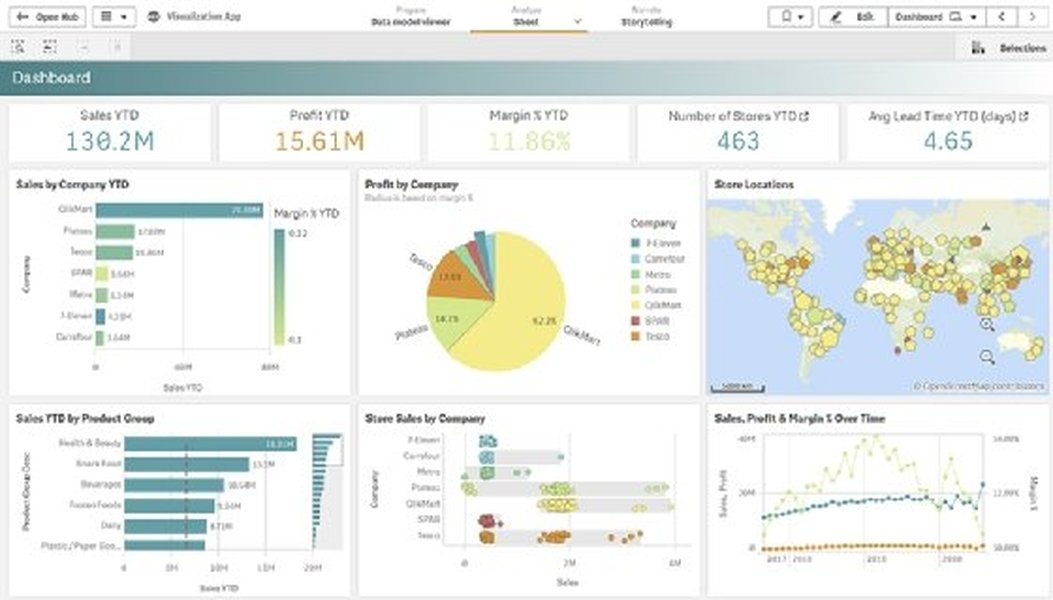
Key Insights
- Enhanced Decision-Making: Leverage both historical data and predictive techniques to inform strategic choices and process improvements.
- Predictive & Descriptive Strategies: Use descriptive analytics to comprehend past performance and predictive analytics to anticipate future trends.
- Customer-Centric & Operational Efficiency: Utilize data to personalize customer experiences and streamline internal operations.
Overview: Transforming Data into a Competitive Advantage
In the current highly competitive business landscape, leveraging data analytics is not merely an option—it is a necessity for gaining a substantial competitive advantage. Students exploring methods to transform business operations with data analytics can benefit from focusing on clear, strategic approaches. Two methods stand out: combining descriptive analytics to understand historical performance with predictive analytics that forecast future trends. This integrated approach enhances both decision-making and operational efficiency while offering the tools needed to provide personalized customer experiences and optimize marketing strategies.
Descriptive analytics involves the systematic analysis of past data to understand what has happened within an organization, while predictive analytics uses historical data and statistical algorithms to forecast future outcomes. Together, these methods provide a comprehensive framework to support businesses in not only understanding their current scenario but also preparing for upcoming challenges and opportunities.
Method 1: Enhanced Decision-Making and Operational Efficiency
Descriptive Analytics for Informed Strategies
Understanding Historical Performance
Descriptive analytics is the foundation upon which many data-driven businesses build their strategies. By analyzing historical data, organizations can:
- Recognize patterns and trends in sales, customer behavior, and operational performance.
- Identify key performance indicators (KPIs) that reflect the success or failure of specific initiatives.
- Recognize operational inefficiencies and areas needing improvement.
- Assess which products or services performed well during specific time periods.
This method equips businesses with a deep understanding of what has worked in the past, enabling them to refine and optimize processes. For example, by analyzing detailed sales reports, a company can determine seasonal variations in demand and adjust inventory levels accordingly, reducing costs and maximizing revenue.
Operational Efficiency through Data-Informed Process Optimization
Operational efficiency is another critical aspect of using descriptive analytics. Analyzing operational data allows companies to detect process bottlenecks and inefficiencies that may be hindering performance. This analysis can lead to:
- Streamlined workflows by highlighting redundant or non-value-adding operations.
- Better capacity planning by forecasting resource needs based on historical consumption trends.
- Cost savings by identifying wasteful operations which can then be restructured or eliminated.
In essence, descriptive analytics offers a clear lens through which a business can evaluate its past performance and formulate strategies to correct inefficiencies, laying the groundwork for a smoother, more productive operation.
Method 2: Predictive Analytics for Forward-Looking Strategies
Forecasting Future Trends and Customer Behavior
Building on Historical Data to Anticipate the Future
Predictive analytics takes the insights gained from descriptive analytics and extends them into the future. By using statistical models and machine learning algorithms, businesses can forecast customer behavior, market trends, and operational outcomes. This predictive approach involves:
- Modeling customer purchase patterns to predict future buying behavior.
- Optimizing inventory management by forecasting product demand.
- Enhancing marketing strategies with targeted campaigns based on predictive customer segmentation.
- Identifying potential risks and opportunities before they materialize in the market.
For instance, by combining historical sales data with external market trend information, a business can predict which products are likely to be in high demand in the coming months, thus adjusting production schedules or marketing strategies to capture the anticipated surge in interest.
Tailoring Marketing Campaigns with Predictive Models
In the realm of marketing, predictive analytics plays a pivotal role in tailoring campaigns that resonate with customers. By forecasting customer preferences and behavior:
- Marketing campaigns can be optimized to target specific customer segments with relevant messaging.
- Businesses can maximize ROI by focusing resources on opportunities with the highest predicted returns.
- Personalized customer engagement strategies can be designed, enhancing customer satisfaction and loyalty.
This approach not only saves costs but also ensures that the allocation of marketing budgets is efficient and aligned with market demands, establishing a proactive business posture that is always a step ahead of competitors.
Visualizing the Data-Driven Approach
Interactive Visual Tools for Clarity and Actionability
Data Analytics Framework Chart
The chart below illustrates how descriptive and predictive analytics work together to enhance decision-making and operational efficiency. The data points represent key performance indicators and forecasting metrics that can impact business outcomes significantly.
The above chart compiles several analytic performance metrics, reflecting the multifaceted impact of data analytics on business outcomes. The visualization of these metrics helps stakeholders quickly grasp areas where predictive and descriptive strategies are making the most difference.
Mindmap: Integrating Analytics for Competitive Advantage
A Visual Guide to our Two Methods
The following diagram provides a mindmap representation that connects the key elements of descriptive and predictive analytics, highlighting how these methods collectively build a robust, competitive advantage. It visually outlines the integration of historical analysis, customer insights, operational improvements, and forward-looking forecasts.
Practical Implementation Table
Below is a table summarizing the two key methods along with their subcomponents and potential business benefits. This table is intended to provide a quick-reference guide for students and professionals looking to implement these strategies.
| Method | Key Components | Business Impact |
|---|---|---|
| Descriptive Analytics |
- Analysis of historical data - Identification of trends - Process optimization |
- Informed decision-making - Enhanced operational efficiency - Cost savings |
| Predictive Analytics |
- Forecasting future outcomes - Modeling customer behavior - Risk and opportunity management |
- Proactive strategy development - Targeted marketing campaigns - Competitive market positioning |
Embedded Video Resource
Enhance Your Knowledge with a Real-World Example
For further insights into how data analytics can be harnessed to create tangible business advantages, watch this insightful YouTube video explaining the nuances of deploying both descriptive and predictive techniques:
The video provides examples that complement the above techniques and illustrates how modern businesses use data to drive competitive strategy.
FAQ Section
What is Descriptive Analytics?
How does Predictive Analytics differ from Descriptive Analytics?
What are the benefits of integrating both methods?
How does customer data play a role in these analytics methods?
References
- Data Analytics Techniques - Datamation
- Competitive Advantage of Business Analytics - Human Capital Hub
- Leveraging Data Analytics Tools - Vorecol
-
Using Data Analytics for Competitive Advantage - Skillfloor
- Data Analytics Competitive Advantage - LinkedIn
Recommended
Last updated March 29, 2025