
Unraveling the Ancient Enigma: Why One Offering Found Favor and Another Did Not
The profound narrative of Cain and Abel illuminates foundational truths about faith, human nature, and divine judgment.

- 1.Key Insights into the Story of Cain and Abel
- 2.The Genesis of Conflict: Cain, Abel, and Their Offerings
- 3.The Path to Fratricide: Jealousy and Its Bitter Harvest
- 4.The Enduring Legacy: Lessons from Cain and Abel
- 5.The Interconnectedness of Themes in Genesis 4
- 6.Frequently Asked Questions About Cain and Abel's Sacrifice
- 7.Conclusion: A Timeless Narrative of Faith and Consequences
- 8.Recommended Further Exploration
- 9.Referenced Search Results
Key Insights into the Story of Cain and Abel
- The Nature of Offerings: While both brothers brought offerings, Abel's was a blood sacrifice, representing the "best portions of the firstborn," whereas Cain's was a bloodless offering of "fruits of the soil." This distinction is often interpreted as pivotal, with blood sacrifice foreshadowing atonement.
- The Heart of the Giver: The New Testament emphasizes Abel's offering was made "by faith," suggesting God's acceptance was less about the type of sacrifice itself and more about the sincerity, obedience, and righteous attitude of the one offering it. Cain's offering, conversely, lacked this crucial element of faith and proper heart condition.
- Consequences of Disobedience and Jealousy: Cain's rejected offering led to anger, jealousy, and ultimately, the first murder in human history. His subsequent punishment as a "fugitive and wanderer" highlights the severe consequences of sin and defiance against divine warning.
The story of Cain and Abel, as detailed in Genesis 4, is a foundational narrative within biblical literature, offering profound insights into early human interactions with the divine, the nature of worship, and the devastating consequences of sin. It introduces themes that resonate throughout religious texts: the importance of faith, the corrupting power of jealousy, and the concept of divine judgment and mercy.
The Genesis of Conflict: Cain, Abel, and Their Offerings
Cain and Abel were the first two sons of Adam and Eve. Cain, the elder, cultivated the land as a farmer, while Abel tended to flocks as a shepherd. This distinction in their professions directly influenced the type of offerings each brought before God. The narrative recounts that both brothers presented gifts to the Lord, marking the initial recorded instances of human sacrifice in the biblical account.
The Distinct Nature of Their Sacrifices
Abel presented "the best portions of the firstborn" of his flock. This was a blood sacrifice, involving the life of an animal. Such an offering is often interpreted as demonstrating a willingness to give the most valuable and a recognition of the need for atonement. In contrast, Cain brought "some of the fruits of the soil"—a vegetable offering, which was bloodless.
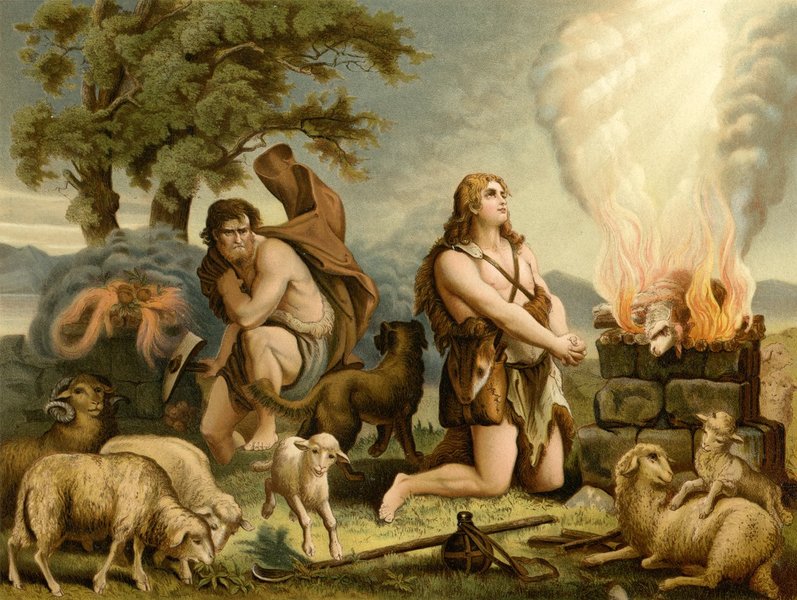
An artistic depiction of Cain and Abel presenting their respective offerings.
Why the Difference in Divine Acceptance?
The core of the story lies in God's differential response: "The Lord looked with favor on Abel and his offering, but on Cain and his offering he did not look with favor." This divine preference has been a subject of extensive theological debate and interpretation throughout history. Several key factors are consistently highlighted:
- Blood vs. Bloodless Sacrifice: Many interpretations suggest that a blood sacrifice, like Abel's, was more acceptable because it symbolized atonement for sin, foreshadowing later sacrificial systems. The concept of "without the shedding of blood there is no forgiveness" (Hebrews 9:22) is often cited in this context. While grain offerings were later permissible under Mosaic Law, the context of Genesis before these laws suggests a different understanding of appropriate sacrifice.
- Quality and Intention: Abel's offering of the "firstborn" and "fat portions" indicates he gave the very best of his flock, signifying a generous and sincere heart. Cain's offering, described simply as "some of the fruits," might imply a less thoughtful or less generous presentation, potentially lacking the deep reverence and gratitude seen in Abel's.
- Faith and Heart Attitude: Perhaps the most emphasized reason, particularly in the New Testament (Hebrews 11:4), is that Abel offered his sacrifice "by faith." This suggests that Abel's acceptance stemmed from his righteous inner disposition, his trust in God, and his obedience. Cain's offering, conversely, was deemed to lack this essential element of faith and proper heart condition. His anger following the rejection further reveals an unrighteous attitude.
The Path to Fratricide: Jealousy and Its Bitter Harvest
God's rejection of Cain's offering deeply angered him, leading to a visible change in his demeanor. God directly confronted Cain, warning him about the dangers of unchecked anger and the lurking presence of sin, urging him to master it. This divine counsel, however, went unheeded.
The First Murder and Its Immediate Aftermath
Consumed by jealousy and wrath, Cain lured Abel into a field and murdered him, committing the first act of fratricide in human history. When God questioned Cain about Abel's whereabouts, Cain feigned ignorance and responded with the now infamous question, "Am I my brother's keeper?" This defiant and unremorseful response highlighted his hardened heart.
Consequences and Divine Mercy
For his heinous act, Cain faced severe consequences. He was cursed from the ground, which would no longer yield its strength to him, and he was destined to be a "fugitive and wanderer on the earth." Despite this severe judgment, God, in an act of mercy, placed a mark on Cain to protect him from being killed by others, promising sevenfold vengeance upon anyone who harmed him.
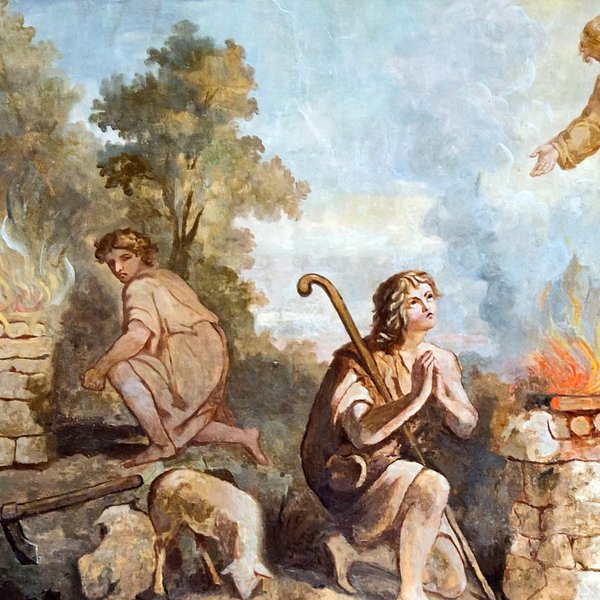
A visual representation exploring the reasons behind the differing acceptance of Cain and Abel's offerings.
The following bar chart illustrates different perspectives on the primary reasons for God's preference between Cain and Abel's offerings. These are opinion-based analyses derived from common interpretations, rather than empirical data.
This bar chart assigns a theological emphasis score (out of 10) to various reasons often cited for the discrepancy in God's acceptance. It highlights that "Faith and Heart Attitude" is consistently given the highest emphasis in theological discourse, followed closely by the "Symbolic Foreshadowing of Atonement" and the "Quality of Offering."
The Enduring Legacy: Lessons from Cain and Abel
The narrative of Cain and Abel serves as a profound foundational story, introducing critical themes about human free will, sin, judgment, and redemption. It underscores the importance of a right heart attitude in worship and the devastating consequences of envy and unaddressed anger.
Thematic Interpretations
This ancient story continues to be a rich source of theological and ethical discussion. It introduces concepts central to understanding biblical themes:
| Theme | Description | Biblical Significance |
|---|---|---|
| Sacrifice and Worship | Not merely the act of giving, but the heart and faith behind the offering. Abel's offering was acceptable due to his faith and righteous heart. | Establishes a precedent for genuine worship rooted in faith and sincerity, rather than mere ritual. |
| Sin and Its Progression | Cain's anger and jealousy, unchecked, escalated into murder. God warned him that sin "lurks at the door." | Illustrates how sin, if not mastered, can lead to increasingly destructive actions. |
| Divine Justice and Mercy | Cain was punished severely for his sin but also received divine protection, demonstrating God's justice balanced with mercy. | Shows God's character as both righteous judge and compassionate protector. |
| Fratricide and Human Relationships | The first murder is between brothers, highlighting the breakdown of fundamental human bonds due to sin. | Emphasizes the impact of sin on family and societal relationships, setting a precedent for human violence. |
| Faith as a Prerequisite | Hebrews 11:4 explicitly states Abel's sacrifice was "by faith," making it superior. | Highlights faith as a crucial element for divine approval, transcending outward actions. |
This table summarizes the core themes and their enduring significance within biblical theology.
A Deeper Dive into the Context
The provided video, "Why God Rejected Cain's Sacrifice but Accepted Abel's" by "Just Teaching Ministries," offers a comprehensive breakdown of the Genesis 4 account, emphasizing the spiritual dimensions of the offerings. It delves into the reasons behind God's acceptance and rejection, focusing on the heart condition and faith of the individuals. The video articulates that the issue wasn't solely about the type of offering (blood vs. bloodless), but rather the internal disposition, the quality of the offering given, and the obedience demonstrated. It often references Hebrews 11:4, which explicitly states Abel's offering was made "by faith," thereby underscoring the spiritual nature of divine acceptance.
An in-depth explanation of why God accepted Abel's sacrifice and rejected Cain's.
The following radar chart provides an opinionated analysis of the perceived quality of worship and sincerity in the offerings of Cain and Abel, based on common biblical interpretations.
This radar chart visually compares the attributes associated with Abel's and Cain's offerings. Abel's offering consistently scores higher across categories like "Sincerity of Heart," "Quality of Offering," "Faithfulness to God," "Obedience to Instruction," and "Humility," reflecting the biblical emphasis on the internal state and dedication of the worshiper.
The Interconnectedness of Themes in Genesis 4
The story of Cain and Abel is a tightly woven narrative that explores the complex interplay of human choices, divine will, and the unfolding consequences. The mindmap below illustrates the key elements and their relationships within this seminal biblical account.
This mindmap illustrates the interconnected elements of the Cain and Abel narrative, from their distinct occupations and offerings to the divine response, the underlying reasons for acceptance or rejection, the tragic consequences, and the profound theological lessons derived from this pivotal story.
Frequently Asked Questions About Cain and Abel's Sacrifice
Why was Abel's offering accepted and Cain's rejected?
Did God require a blood sacrifice at that time?
What does "Am I my brother's keeper?" signify?
What was Cain's punishment?
What is the main lesson of the Cain and Abel story?
Conclusion: A Timeless Narrative of Faith and Consequences
The story of Cain and Abel transcends its ancient origins, offering enduring lessons about human nature, divine expectation, and the profound impact of our choices. It reveals that the heart and attitude behind an action are often more significant than the action itself, especially in matters of worship. Abel's faith and the quality of his offering found favor, while Cain's lack of faith and his subsequent jealousy led to the first act of murder and a life of wandering. This narrative serves as a stark reminder of sin's destructive power and the importance of heeding divine warnings, while also subtly demonstrating God's justice tempered with mercy.
Recommended Further Exploration
- Theological significance of blood sacrifice in the Old Testament
- Role of faith in biblical worship examples
- Consequences of jealousy in biblical narratives
- Divine justice and mercy in early Genesis