
Transforming Campus Sustainability: A Comprehensive Action Plan
Combatting Single-Use Plastic Waste to Forge a Greener Campus Future
Key Insights and Highlights
- Holistic Approach: Integrates awareness campaigns, educational programs, and policy reforms.
- Inclusive Community Engagement: Mobilizes students, faculty, and local partners for sustainable change.
- Innovative Strategies: Implements practical initiatives with measurable outcomes in waste reduction.
Overview
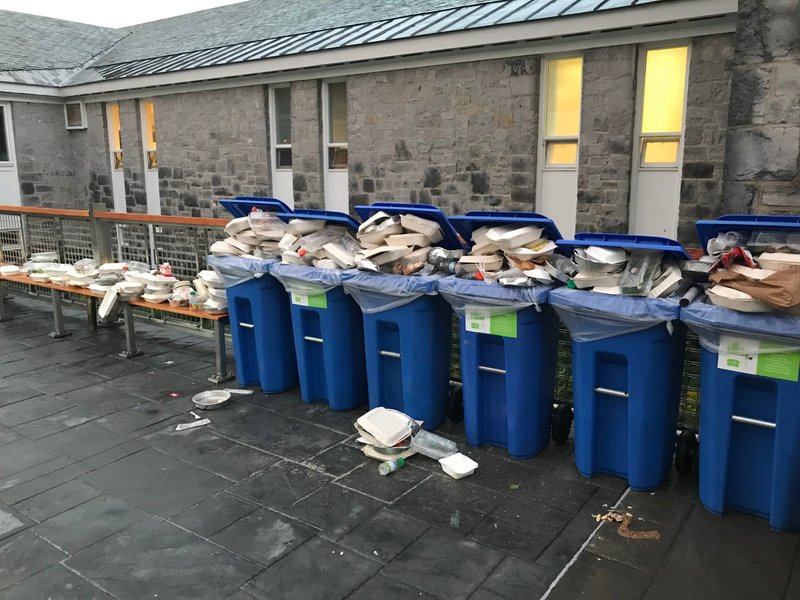
The challenge of single-use plastic waste at PHINMA COC Cagayan de Oro College is not only an environmental issue but also a community health and sustainability concern. With plastic waste overwhelming the campus area, this action plan is designed to foster a lasting shift toward a sustainable future by integrating a comprehensive strategy that combines awareness campaigns, educational programs, and policy changes to promote reusable alternatives. This integrated approach ensures that each facet of sustainability works synergistically, from changing individual behaviors to transforming institutional practices and infrastructure.
Detailed Strategy and Initiatives
1. Awareness Campaigns
Creating a culture of consciousness around plastic waste starts with effective awareness initiatives. The strategy involves a multi-layered campaign including visual, social, and community-driven activities:
Visual and Digital Engagement
Eye-catching posters and informative videos will be displayed across the campus, illustrating the harmful effects of single-use plastics on our ecosystem and public health. Social media campaigns are designed to extend the reach beyond campus, using platforms like Instagram, Facebook, and TikTok to share powerful visuals and personal testimonials.
Community Participation
Engaging the campus community through events such as clean-up drives, "Plastic-Free Days," and sustainability workshops encourages active participation. Appointing student ambassadors to lead these initiatives ensures peer-to-peer engagement and sustained motivation for change.
2. Educational Programs
Education plays a crucial role in reshaping perceptions and behaviors towards plastic use. By embedding sustainability into the academic and social fabric of campus life, students and staff can gain a deeper understanding of environmental issues and strategies for optimization.
Curriculum Integration
Collaborate with faculty to integrate sustainability topics into existing courses. Through interdisciplinary projects, students can research the impacts of plastic pollution and propose localized solutions. This academic emphasis on real-world issues prepares future leaders proficient in sustainable practices.
Interactive Workshops and Guest Speakers
Regular workshops focusing on recycling, repurposing plastic waste, and garmenting practical alternatives will reinforce classroom learning with hands-on experiences. Inviting experts from local environmental organizations and governmental agencies can inspire the campus community to adopt better practices.
3. Impactful Policy Changes
Institutional policies form the backbone of sustainable change. By reforming and enforcing policies that discourage single-use plastic consumption, the college can significantly reduce waste output and set a benchmark for responsible environmental stewardship.
Enforcement of Existing Regulations
The college should review and reinforce policies that promote waste segregation and proper disposal methods. Lessons learned from national regulations and global initiatives, such as the Waste Management Act of 2001 and new federal procurement restrictions, can be adapted to ensure effective implementation on campus.
Promotion of Reusable Alternatives
Formulate policies that prioritize the use of reusable utensils, water bottles, and storage containers while banning or limiting single-use plastics in cafeterias and campus events. Incentivizing the adoption of sustainable alternatives through subsidies, discounts, or recognition programs can lead to behavioral shifts among students and staff.
Infrastructure Enhancement
Invest in improved waste management infrastructure, including dedicated recycling stations and eco-friendly waste disposal facilities. Partnerships with local recycling companies and environmental groups can extend these services off-campus, creating a circular economy model that benefits the entire community.
Visualizing the Strategy
To help conceptualize the multidimensional strategy outlined above, the following visualizations provide a clear snapshot of key focus areas and the interconnection between different initiatives.
Comparative Strategy Overview
The table below summarizes key strategies and highlights the critical elements of each component to ensure a holistic and actionable plan:
| Strategy | Key Initiatives | Expected Outcome |
|---|---|---|
| Awareness Campaigns |
|
Increased awareness, behavior change, and community mobilization |
| Educational Programs |
|
Enhanced understanding and practical application of sustainable practices |
| Policy Changes |
|
Reduction in single-use plastics and improved waste management |
| Monitoring & Evaluation |
|
Transparent progress tracking and adaptive strategy refinement |
Engaging Visual Learning
To provide an additional layer of engagement and knowledge-sharing regarding campus sustainability, please check out the video below. It offers a comprehensive overview of what campus sustainability means and how proactive measures are essential in reducing single-use plastic waste:
FAQ Section
Click on each question to reveal the answer:
What are the first steps in launching an awareness campaign?
How can educational programs enhance sustainability on campus?
What policy changes are critical for reducing plastic waste?
References
- The Problem of Plastic in the Philippines - Earth.org
- Market Study for Philippines Plastics Circularity - World Bank
- Insights on Philippine Plastic Pollution - Giving Compass
- Plastic Waste Solutions - Plastic Collective
- Global Plastic Pollution Overview - UNEP
Recommended Related Queries
Last updated April 1, 2025