
Unveiling the Hidden Patterns of Candida in Clinical Isolates
Deep dive into species characteristics and antifungal sensitivity patterns
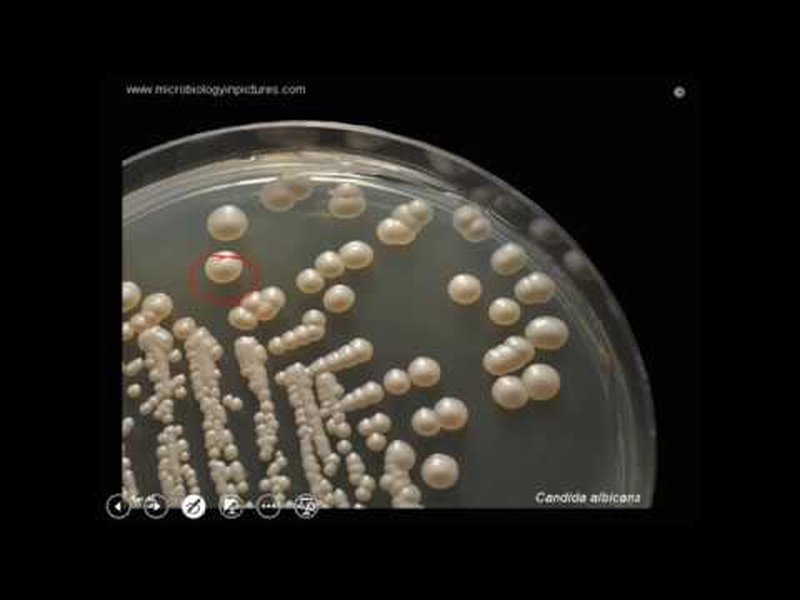
Key Highlights
- Prevalence Distribution: Detailed analysis of Candida species variation across clinical specimens.
- Antifungal Sensitivity: Insights into susceptibility patterns and emerging antifungal resistance.
- Virulence and Diagnostic Methods: Evaluation of biofilm formation, virulence factors and molecular testing.
Overview of Candida Species in Clinical Isolates
Candida species have emerged as critical pathogens in clinical settings, primarily affecting immunocompromised individuals, patients with comorbidities, and those undergoing prolonged antibiotic treatment. The varied prevalence of different Candida species, such as Candida albicans, Candida tropicalis, Candida glabrata, and Candida parapsilosis, necessitates a comprehensive understanding of their distribution, growth characteristics, and virulence factors in order to improve diagnostic accuracy and treatment strategies.
Species Distribution and Isolation
Contemporary studies have consistently identified Candida albicans as the most frequently isolated species. However, non-albicans Candida species, such as Candida tropicalis, Candida glabrata, and Candida parapsilosis, frequently account for a substantial portion of isolates, especially in certain patient populations like the critically ill and the elderly. The pattern of species distribution varies with geography and type of clinical specimen. For instance, research has shown:
- Candida albicans: Often represents 40-50% of isolates, with high sensitivity to several antifungal agents, yet influenced by rapid biofilm formation and the expression of virulence factors.
- Candida tropicalis: Notably prevalent in urinary samples, and sometimes showing higher rates in respiratory and blood samples in various studies.
- Candida glabrata: Although less commonly isolated, demonstrates considerable resistance to azole antifungals, complicating treatment regimens.
- Candida parapsilosis: Frequently found in bloodstream infections and associated with catheter use, with distinct biofilm characteristics.
Specimens commonly used for isolating these species include urine, blood, sputum, bronchoalveolar lavage, tracheal aspirates, and cerebrospinal fluid. The detection rates vary by sample type: urine samples frequently yield high positivity percentages (often exceeding 50%), whereas respiratory and blood specimens provide additional insights into the invasive potential of these organisms.
Antifungal Sensitivity Patterns and Resistance
Understanding Antifungal Sensitivity
Antifungal sensitivity testing is pivotal in determining the appropriate therapeutic strategy for candidiasis. With the increasing incidence of antifungal resistance, particularly among non-albicans species, establishing clear susceptibility patterns provides guidance in selecting the most effective treatment regimen. Standard antifungal agents used in clinical settings include:
- Fluconazole: Widely used, though notable resistance is seen with Candida glabrata and Candida krusei.
- Amphotericin B: Generally exhibits high efficacy, often used in cases with severe invasive infections.
- Azoles: Along with fluconazole, drugs such as voriconazole and itraconazole have variable sensitivity profiles depending on the species.
- Echinocandins: Agents like caspofungin and micafungin are essential alternatives, especially in resistant Candida strains.
Evaluating Resistance Patterns
Recent studies indicate a growing trend of resistance among several Candida species. Characteristics impacting resistance include:
- Gene Mutations: Mutations in genes such as ERG11 (associated with azole resistance) and FKS1/FKS2 (linked to echinocandin resistance) are prevalent, underlining the importance of genetic testing in sensitive cases.
- Biofilm Formation: The ability to form dense biofilms not only enhances virulence but also confers a protective barrier that reduces drug penetration, resulting in higher resistance rates.
- Regional Variances: Studies have displayed variability in susceptibility based on geographic location and patient demographic, necessitating continuous regional surveillance.
It is common practice to perform antifungal susceptibility tests (such as broth microdilution and disk diffusion) to determine the minimum inhibitory concentrations (MICs) of various agents. Data indicate that while isolates such as Candida albicans may remain largely sensitive, isolates from Candida glabrata, tropicalis, and other non-albicans groups commonly exhibit increased resistance to fluconazole and other azoles.
Virulence Factors and Diagnostic Approaches
Virulence Determinants
The pathogenicity of Candida species is not merely a reflection of their presence in clinical isolates but is closely tied to specific virulence factors. Key virulence determinants include:
- Proteinase Production: Facilitates tissue invasion and disruption of host defenses.
- Hemolysin Activity: Contributes to the breakdown of red blood cells, thereby aiding nutrient acquisition.
- Esterase Production: Involved in cell membrane disruption and further fungal penetration.
- Biofilm Formation: A decisive factor in chronic infections, biofilm formation helps shield Candida cells from antifungal agents and the host immune system. Certain genotypes of Candida albicans, for instance, can form robust biofilms despite exhibiting variable growth rates.
In addition, modern diagnostic approaches incorporate molecular techniques such as multiplex PCR and DNA sequencing. These methods have enhanced the capacity to identify the specific species present and evaluate the expression of genes associated with virulence and drug resistance. Rapid, accurate identification allows clinicians to tailor antifungal therapies more effectively, improving patient outcomes.
Diagnostic Methodologies
Conventional methods of species identification include culture-based techniques and biochemical tests. However, the emergence of molecular diagnostics has significantly advanced the field. Techniques such as multiplex PCR have become indispensable in identifying key genes that regulate both virulence and antifungal resistance. These methodologies enable clinicians and researchers to draw correlations between genotype and phenotype, facilitating an understanding of the relationship between a strain's genetic background and its clinical behavior.
Advanced proteomic and metabolomic analyses further contribute to our understanding of how Candida species adapt to different host environments and antifungal challenges. The combination of these diagnostic strategies not only improves identification precision but also deepens insights into epidemiological trends that shape therapeutic planning.
Visual Representations and Data Insights
Radar Chart: Candida Characteristics and Resistance Profiles
The radar chart below presents a visual summary of several critical dimensions related to Candida species, including prevalence, antifungal susceptibility, biofilm formation, virulence factors, and molecular diagnostic readiness. This comprehensive view integrates opinion-based assessments drawn from current research and clinical observations. Each dataset provides a relative indication of performance or risk associated with one of the measured parameters.
Common Antifungal Agents and Their Profiles
To provide a succinct comparison of antifungal agents effective against Candida species, the following table summarizes their general spectrum, sensitivity patterns, and relevance in clinical management:
| Antifungal Agent | Common Sensitivity | Resistance Concerns | Clinical Use |
|---|---|---|---|
| Fluconazole | High in C. albicans | Increased resistance in C. glabrata and C. krusei | Standard therapy for candidiasis |
| Amphotericin B | Broad activity | Nephrotoxicity risk | Severe invasive infections |
| Voriconazole | Effective in many cases | Variable biofilm inhibition | Treatment of invasive candidiasis |
| Echinocandins | High sensitivity | Resistance emerging in rare cases | Alternatives for azole-resistant strains |
Integration of Multimedia Resources
Educational Video on Candida and Antifungal Resistance
The embedded video below offers a visual explanation about the trends in antifungal resistance among Candida species, addressing both the clinical and molecular perspectives that underpin current challenges in treatment.
Frequently Asked Questions (FAQ)
What are the most common clinical isolates of Candida?
How does antifungal resistance develop in Candida species?
What diagnostic methods are used to identify Candida species?
References
- FEMS Yeast Res - Clinical Isolates and Biofilm Studies
-
Rev Soc Bras Med Trop - Species Distribution in Brazil
- Med Mycol - Biofilm Production and Antifungal Susceptibility
- BMC Microbiol - Molecular Profiles of Candida
-
J Fungi (Basel) - Virulence Factors of Clinical Isolates
Recommended Related Queries
Last updated April 2, 2025