
Unveiling the Hidden Patterns of Candida in Clinical Isolates
Understanding the distribution, drug resistance, and biofilm formation of Candida species.
Key Insights into Candida Clinical Isolates
- Species Distribution: Candida albicans remains a prevalent species, but the distribution of non-albicans species like C. tropicalis is also significant in clinical settings.
- Antifungal Resistance: Candida biofilms exhibit resistance to common antifungal drugs, necessitating diverse susceptibility testing and treatment strategies.
- Biofilm Formation: The ability of Candida species to form biofilms contributes significantly to their drug resistance and persistence in the host.
Distribution of Candida Species in Clinical Settings
Candida species are a common cause of fungal infections, ranging from superficial mucosal infections to life-threatening systemic diseases. Understanding the distribution of different Candida species in clinical isolates is crucial for effective diagnosis and treatment. Studies have shown that Candida albicans is frequently the most commonly isolated species. However, non-albicans Candida (NAC) species are also increasingly prevalent. Identifying these species and understanding their antifungal susceptibility patterns is essential for guiding appropriate therapy.
Prevalence of Candida albicans
Candida albicans often accounts for a substantial proportion of Candida isolates in clinical settings. For instance, one study reported that C. albicans accounted for 49.36% of all Candida isolates across various clinical settings. This prevalence underscores the importance of understanding its pathogenic mechanisms and susceptibility patterns.
Emergence of Non-albicans Candida Species
While C. albicans remains a dominant species, other Candida species such as C. tropicalis, C. glabrata, C. parapsilosis, and C. krusei are also frequently isolated. The distribution of these species can vary depending on geographical location, patient population, and clinical setting. For example, C. tropicalis has been identified as the most common non-albicans Candida species in some regions, accounting for a significant percentage of isolates.
Regional Variations in Species Distribution
Epidemiological studies reveal variations in the distribution of Candida species across different regions and clinical settings. For instance, urinary samples often yield a high proportion of Candida isolates, followed by vaginal swabs and sputum samples. These variations highlight the importance of local surveillance to understand the specific distribution patterns in different healthcare facilities.
Implications for Clinical Management
The changing landscape of Candida species distribution has significant implications for clinical management. Non-albicans Candida species often exhibit different susceptibility patterns to antifungal agents compared to C. albicans. Therefore, accurate species identification is crucial for selecting appropriate antifungal therapy and improving patient outcomes.
Antifungal Resistance in Candida Species
Antifungal resistance in Candida species is a growing concern in clinical settings. Candida biofilms, in particular, exhibit increased resistance to commonly used antifungal drugs. Understanding the mechanisms underlying this resistance is essential for developing effective treatment strategies. Several factors contribute to antifungal resistance in Candida, including biofilm formation, efflux pumps, and genetic mutations.
Mechanisms of Antifungal Resistance
Candida species employ various mechanisms to resist the effects of antifungal drugs. These mechanisms can be broadly categorized into:
- Biofilm Formation: Biofilms provide a protective environment for Candida cells, making them less susceptible to antifungal agents. The extracellular matrix of the biofilm hinders drug penetration and alters the microenvironment, leading to reduced drug efficacy.
- Efflux Pumps: Overexpression of efflux pumps allows Candida cells to actively pump out antifungal drugs, reducing their intracellular concentration and effectiveness.
- Genetic Mutations: Mutations in genes encoding drug targets or regulatory proteins can lead to reduced drug binding or altered cellular processes, resulting in drug resistance.
Impact of Biofilms on Drug Resistance
Candida biofilms are inherently more resistant to antifungal drugs compared to planktonic (free-floating) cells. The biofilm matrix, composed of polysaccharides, proteins, and DNA, acts as a barrier that limits drug penetration. Additionally, cells within the biofilm exhibit altered metabolic activity and gene expression patterns, contributing to their reduced susceptibility to antifungals. This is illustrated in the video below.
This video shows a 3D rendering of a Candida albicans biofilm. Candida biofilms exhibit increased resistance to antifungal drugs, which significantly complicates treatment strategies. The biofilm matrix, composed of polysaccharides, proteins, and DNA, acts as a barrier, limiting drug penetration and providing a protective environment for Candida cells. This protective structure, combined with altered metabolic activity and gene expression patterns within the biofilm, contributes to the reduced susceptibility to antifungals. Understanding and targeting the mechanisms of biofilm formation and resistance is crucial for developing more effective therapies against Candida infections.
Common Antifungal Drugs and Resistance Patterns
Several classes of antifungal drugs are commonly used to treat Candida infections, including azoles (e.g., fluconazole, voriconazole), polyenes (e.g., amphotericin B), and echinocandins (e.g., caspofungin). However, resistance to these drugs has been increasingly reported. Azole resistance is particularly common, often mediated by mutations in the ERG11 gene, which encodes the target enzyme for azole drugs. Echinocandin resistance, while less frequent, is also a concern, especially in C. glabrata. The following table summarizes common antifungal drugs and resistance mechanisms observed in Candida species.
| Antifungal Drug Class | Examples | Common Resistance Mechanisms | Candida Species Commonly Affected |
|---|---|---|---|
| Azoles | Fluconazole, Voriconazole | Mutations in ERG11 gene, overexpression of efflux pumps | C. albicans, C. glabrata, C. tropicalis |
| Polyenes | Amphotericin B | Alterations in cell membrane sterols | Rare, but reported in C. lusitaniae |
| Echinocandins | Caspofungin, Micafungin | Mutations in FKS1 gene | C. glabrata, C. krusei |
Clinical Implications of Antifungal Resistance
Antifungal resistance can lead to treatment failure, prolonged hospital stays, and increased mortality rates. Therefore, it is essential to perform antifungal susceptibility testing on clinical isolates to guide appropriate therapy. Additionally, infection control measures and antifungal stewardship programs are crucial for preventing the spread of resistant strains.
Biofilm Formation by Candida Species
Biofilm formation is a critical virulence factor that contributes to the persistence and drug resistance of Candida species. Candida biofilms are complex communities of cells embedded in an extracellular matrix, which provides protection from environmental stresses and host defenses. Understanding the mechanisms of biofilm formation and the factors that influence biofilm development is essential for developing strategies to combat Candida infections.
Stages of Biofilm Development
Candida biofilm formation typically involves several distinct stages:
- Adhesion: Initial attachment of Candida cells to a surface, which can be biotic (e.g., host tissues) or abiotic (e.g., medical devices).
- Proliferation: Multiplication of adherent cells to form a monolayer.
- Extracellular Matrix Production: Synthesis and deposition of the extracellular matrix, composed of polysaccharides, proteins, and DNA.
- Maturation: Development of a complex three-dimensional structure with distinct cell layers and water channels.
- Dispersal: Release of cells from the biofilm, allowing for colonization of new sites.
Factors Influencing Biofilm Formation
Several factors can influence the ability of Candida species to form biofilms, including:
- Nutrient Availability: The availability of nutrients such as glucose and amino acids can promote biofilm formation.
- Environmental Conditions: Temperature, pH, and oxygen levels can affect biofilm development.
- Host Factors: Host immune responses and the presence of specific proteins can influence biofilm formation.
Role of Extracellular Vesicles (EVs) in Biofilm Resistance
Candida albicans biofilm-induced extracellular vesicles (EVs) play a significant role in matrix production and biofilm drug resistance. These EVs contribute to the protective nature of the biofilm, enhancing its resilience against antifungal treatments.
Strategies to Disrupt Biofilm Formation
Given the importance of biofilms in Candida infections, several strategies have been developed to disrupt biofilm formation or enhance the efficacy of antifungal drugs against biofilms. These include:
-
Enzyme-Based Approaches: Using enzymes to degrade the extracellular matrix, making the biofilm more susceptible to antifungals.
-
Antimicrobial Peptides: Employing peptides that disrupt biofilm structure and inhibit cell adhesion.
-
Combination Therapy: Combining antifungal drugs with agents that target biofilm-specific mechanisms.
Visualizing Candida Infections
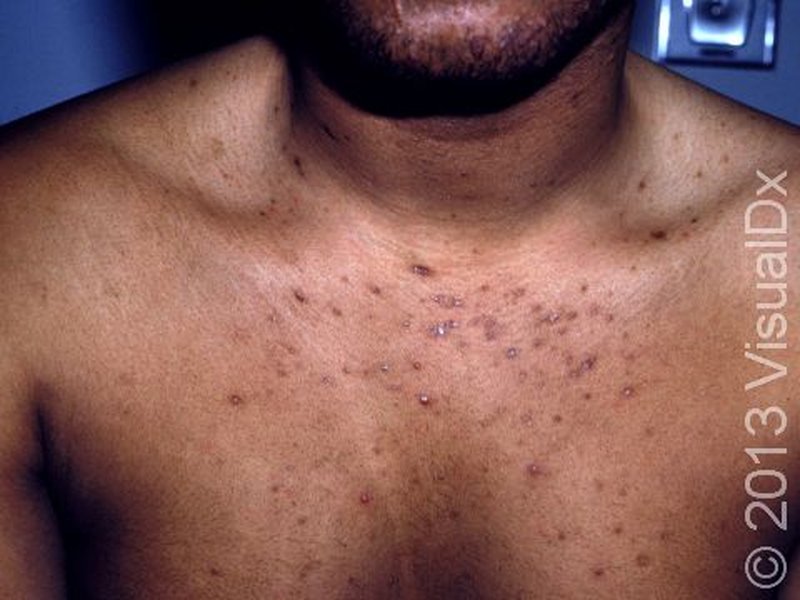
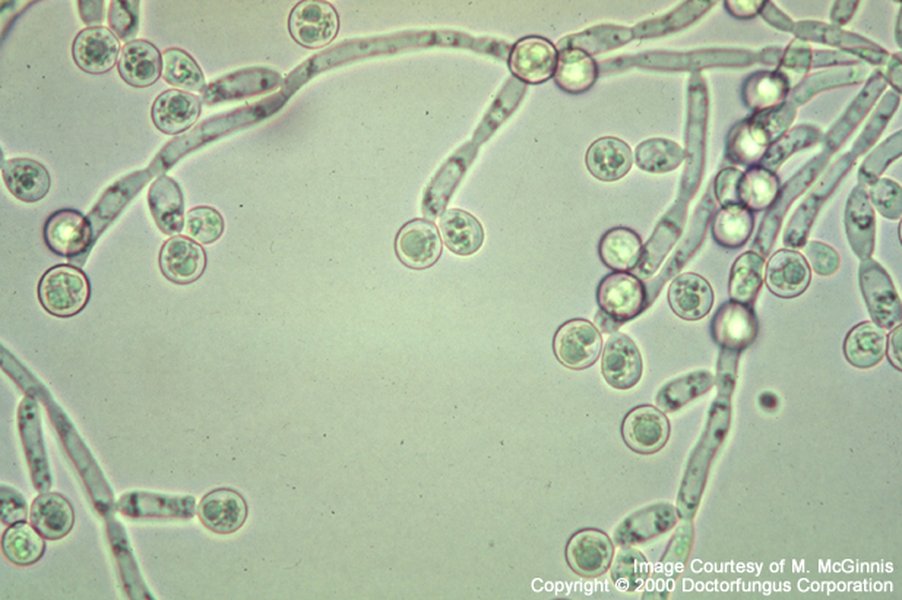
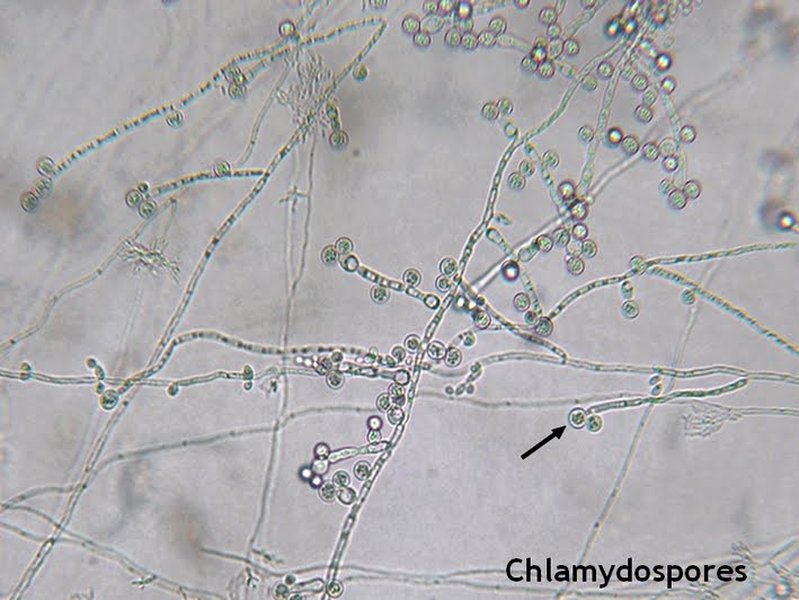
Visual aids are invaluable in understanding the nature and impact of Candida infections. The images below provide a glimpse into the various manifestations of candidiasis, from skin infections to the microscopic structures of Candida biofilms. Each image highlights different aspects of Candida's presence and pathogenicity in the human body.
Candidiasis, caused by Candida species, can manifest in various forms, including cutaneous candidiasis (skin infections) and systemic infections. Cutaneous candidiasis typically appears as red, itchy rashes, often in areas with moisture, such as skin folds. These infections are characterized by inflammation and can cause significant discomfort. Systemic candidiasis, on the other hand, is a more severe condition where Candida enters the bloodstream and affects internal organs. This form of candidiasis can be life-threatening, especially in immunocompromised individuals.
Microscopic images of Candida biofilms reveal complex communities of yeast cells embedded in an extracellular matrix. This matrix provides a protective barrier against antifungal drugs and host immune responses. The biofilm structure allows Candida to persist and cause chronic or recurrent infections. Understanding the structural and functional characteristics of these biofilms is crucial for developing effective treatment strategies.



Frequently Asked Questions (FAQ)
What are the common types of Candida infections?
Common Candida infections include oral thrush, vaginal yeast infections, cutaneous candidiasis (skin infections), and invasive candidiasis (systemic infections).
Why are Candida biofilms more resistant to antifungal drugs?
Candida biofilms are more resistant due to the protective extracellular matrix, altered metabolic activity of cells within the biofilm, and reduced drug penetration.
How is antifungal susceptibility testing performed?
Antifungal susceptibility testing involves culturing Candida isolates and exposing them to different antifungal drugs to determine their minimum inhibitory concentration (MIC) and resistance patterns.
What factors contribute to the development of antifungal resistance?
Factors include biofilm formation, overuse of antifungal drugs, genetic mutations, and the presence of efflux pumps that remove drugs from the cells.
What are some strategies to prevent Candida infections?
Strategies include maintaining good hygiene, avoiding unnecessary antibiotic use, managing underlying medical conditions, and using probiotics to promote a healthy balance of gut microbiota.
References
Last updated April 11, 2025