
Optimizing Consistency in Pricing, Portions, and Menu Cycle
Enhancing School Canteen Food Services through Strategic Operational Improvements
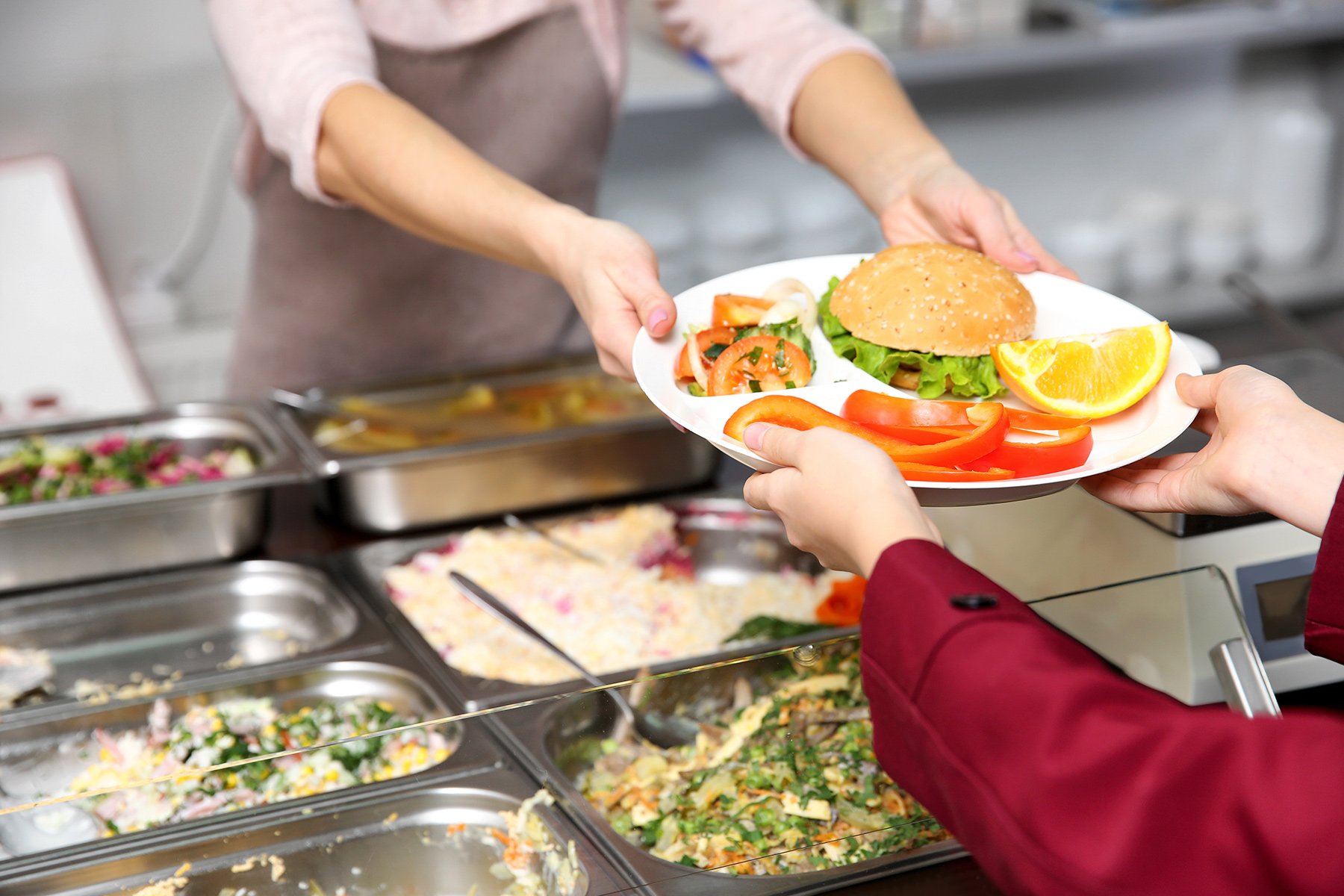
Key Takeaways
- Consistent Pricing: Implement centralized, standard pricing models with regular cost analysis and audits to maintain uniformity.
- Standardized Portions: Develop and enforce standardized recipes and portion control measures through staff training and visual aids.
- Dynamic Menu Cycles: Use seasonal, cyclic menus and technology-based planning to stimulate student interest, ensure nutritional compliance, and enhance inventory management.
Introduction
School canteens play a vital role in not only serving food but also shaping nutritional habits and ensuring operational efficiency. In striving for excellence, it is essential to optimize consistency in pricing, portion control, and menu cycles. These strategies serve to maintain financial stability, decrease food wastage, and ensure diet compliance with nutritional standards. Additionally, by integrating technological solutions and actively involving stakeholders, food services can be made more dynamic and responsive to the needs of the school community.
Strategic Approaches for Consistent Pricing
Establishing a Transparent Pricing Strategy
Consistent pricing is central to managing and sustaining school canteen operations. A transparent pricing strategy begins with comprehensive cost analysis. This involves determining the cost of ingredients, understanding overhead expenses, and setting profit margins that ensure both affordability for students and financial viability for the canteen. In practical terms, leveraging a centralized system for price management across multiple locations ensures uniformity, preventing discrepancies when staff or menu items change.
Centralized and Standardized Pricing
By introducing a centralized pricing model, school canteens can uniformly apply price settings which reflect market conditions, labor costs, and seasonal fluctuations. Centralized oversight allows management to periodically evaluate cost variations and adjust prices accordingly. This system can include:
- Regular financial audits to verify that prices cover rising ingredient costs.
- Target return pricing to guarantee a desired profit margin, which not only covers costs but also generates revenue for reinvestment in quality improvements.
- Standardized pricing models that are communicated transparently to students and parents, fostering trust and clarity within the school community.
Dynamic Adjustments & Feedback Loops
Pricing should not be static; therefore, continuous monitoring through a robust data analytics system is essential. Digital point-of-sale (POS) systems integrated with inventory and sales tracking features can capture real-time data on food consumption patterns. This numerical data should inform periodic pricing reviews that adapt to changing market conditions, ensuring competitive yet fair pricing. Feedback mechanisms, such as periodic surveys with students and parents, provide qualitative data that can be crucial for adjusting pricing models to increase accessibility to healthier options.
Optimizing Portion Control for Uniformity and Nutritional Accuracy
Standardized Recipes and Portion Control Measures
Uniformity in portion sizes is essential for consistency and managing food costs. Using standardized recipes is a foundational element in this process. These recipes ensure that each dish is prepared with a fixed amount of ingredients, resulting in consistent serving sizes across all meals.
Implementing Standardized Recipes
It is important to document recipes in detail with precise measurements, cooking times, and presentation guidelines. Such documentation serves multiple purposes:
- Prevents variations in taste and appearance that could detract from the dining experience.
- Aids in nutritional tracking and compliance with dietary standards, as each portion reliably meets predefined nutritional requirements.
- Assists in training new staff quickly, ensuring that everyone follows the same protocol.
Technology-Driven Portion Control
In addition to standardized recipes, modern canteen operations benefit from portion control instruments such as digital scales, ladles, and portion scoops. These tools are essential to reduce human error and maintain consistency. Visual guides (posters or digital displays) in the kitchen serve as constant reminders to staff about the standard serving sizes.
Staff Training and Monitoring Systems
Continuous training is critical for ensuring that kitchen staff not only understand the importance of portion control, but are also adept at using measuring instruments. Routine monitoring—through checklists, digital tracking via POS integrated systems, or management audits—helps in maintaining a high standard of uniformity and quickly identifies any drifts from the standard.
Effective Menu Cycle Management
Planning a Rotational Menu
A well-designed menu cycle ensures that students enjoy variety while the staff can maintain consistency in quality and service. A rotational menu, often organized in cycles (e.g., every six weeks), strikes a balance between novelty and operational efficiency. Regular rotation helps to meet diverse nutritional needs, reduce food wastage, and keep the menu aligned with seasonal ingredient availability.
Seasonal Ingredients and Cultural Integration
Incorporating seasonal ingredients in the menu not only enhances the taste and nutritional value but can also reduce costs. Seasonal menus reflect current availability, thereby supporting local sourcing and sustainable practices. Furthermore, introducing international and culturally diverse dishes can broaden students’ culinary experiences, fueling interest and engagement with the canteen offerings.
Technology Integration in Menu Planning
Today’s menu planning can greatly benefit from technology integration. Specialized menu planning software can automate the creation of cycles, ensuring adherence to nutritional guidelines—such as those set forth by the USDA—and accounting for local dietary requirements. Through digital platforms, menu scheduling, nutritional information dissemination, and inventory monitoring are streamlined, offering immediate access to updated menus and facilitating smoother operations.
Incorporating Feedback and Adjustments
An effective menu cycle is not set in stone; it evolves based on ongoing feedback from various stakeholders, including students, parents, and staff. Regular feedback collection, through surveys and suggestion boxes, helps identify popular dishes, nutritional concerns, and operational inefficiencies. This input is critical for refining the menu cycle, ensuring that it continues to meet both health standards and student expectations.
Enhancing Overall Food Services Operations
Integrating Technology and Data Analytics
The integration of technology in school canteen operations extends beyond pricing and menu planning. Advanced point-of-sale (POS) systems, inventory management tools, and digital menu boards catalyze efficiency and customer satisfaction. These systems offer real-time data analysis, tracking patterns such as peak service times, popular items, and waste levels.
Data-Driven Decision Making
Data analytics can revolutionize canteen management by providing insights that inform:
- Optimized food purchasing and reduced waste through accurate inventory management.
- Customized promotional efforts aimed at healthier or less popular menu items to balance demand.
- Predictive adjustments to pricing and portions based on historical consumption trends.
Operational Efficiency and Customer Engagement
Enhancing operational efficiency not only involves backend processes but also focuses on the overall dining experience. This includes:
- Multiple Service Points: Increase serving lines or setup separate food stations to reduce queue times.
- Digital Menu Boards: Utilize digital displays to show daily menus, nutritional details, and upcoming special events, thereby improving transparency.
- Preordering Systems: Implement systems that allow students and parents to preselect meals online, ensuring a smoother and faster service during peak hours.
Comparative Analysis: Strategies and Their Impact
Overview Table of Strategies for School Canteen Improvement
| Strategy Area | Key Actions | Benefits |
|---|---|---|
| Pricing Strategy |
|
|
| Portion Control |
|
|
| Menu Cycle Management |
|
|
Integrative Approaches for Continuous Improvement
Stakeholder Engagement and Regular Evaluations
The transformation of school canteen operations is an ongoing process that continuously adapts based on feedback and performance metrics. Involving key stakeholders—school administrators, nutritionists, kitchen staff, students, and parents—in decision-making ensures that adjustments are balanced and holistic. Regular stakeholder meetings and performance reviews provide platforms to:
- Assess the success of pricing strategies, portion control, and menu cycles.
- Identify operational challenges and avenues for improvement.
- Refine strategies based on analytical data and direct feedback.
Incentivizing Healthier Choices
Through strategic pricing, healthier meal options can be made more economically attractive by employing tiered pricing models that reward nutritional choices over less healthy alternatives. This approach not only fosters a healthier student body but also educates them on making better dietary decisions. For example, healthier items can be subsidized or presented at a competitive price point alongside popular but less healthy options, prompting students to try different meals that contribute to overall well-being.
Implementation of Incentive Programs
Canteen managers can design incentive programs where students earn loyalty points or receive discounts when choosing balanced meal options. These incentives, integrated within a digital ordering system, enhance engagement while encouraging healthier eating habits. Through such programs, the overall perception of the canteen shifts towards a service that is both nutritionally responsible and student-friendly.
Conclusion
Optimizing consistency in pricing, portion control, and menu cycles fundamentally enhances school canteen food services. The strategies discussed—from centralized pricing and standardized recipes to dynamic menu cycles and technological integration—collectively contribute to improved operational efficiency, customer satisfaction, and better nutritional outcomes for students. Embracing data-driven decisions and fostering stakeholder engagement ensure that these strategies remain adaptable and effective over time. Ultimately, a well-orchestrated approach not only supports financial and operational objectives but also promotes a healthier, more engaging canteen experience for the entire school community.
References
- How does pricing strategy impact the school canteen? - Typeset
- Your School Canteen Startup Guide for Success - Osum
- Group4 - Pricing Strategy For Canteen - Scribd
- SchoolCafé Menu Planning - SchoolCafé K12
-
Automated food menu planning for Schools - Menutech
- Research on Nutritional Impact - Wiley Online Library
- USDA Menu Planner for School Meals - USDA
- Digital Menu Boards for School Cafeterias - Eyeconic
More
Last updated February 19, 2025