
Carpentry Shop Project Report
A Comprehensive Business Plan for a 10 Lakh Investment on Own Property with 3 Workers
Key Takeaways
- Clear Investment Breakdown: Detailed allocation of funds into shop setup, machinery, working capital, and marketing ensures transparency.
- Focused Operational Strategy: Strategic planning on infrastructure, workforce assignment, and quality control drives efficient operations.
- Market & Financial Projections: Comprehensive market analysis, customer targeting, and realistic financial forecasts form the backbone of sustainable growth.
Executive Summary
This comprehensive project report outlines the strategic setup and operational plan for launching a carpentry shop with an initial investment of Rs. 10 lakhs. The business will be established on the owner's property to minimize overhead, and it will start with a team of three skilled workers. The focus is on custom carpentry work, including the production and repair of furniture and household items. This document details the business concept, market positioning, financial estimates, and risk assessment, providing a roadmap for sustainable growth and long-term profitability.
Business Overview
Concept and Vision
The carpentry shop will operate as a bespoke carpentry establishment, catering to both residential and small-scale commercial demands. The owner’s property will serve as the operational base, reducing fixed rental costs while providing the flexibility to customize the space to suit production needs. The primary service offerings include custom furniture manufacturing, repair services, and possibly post-production finishing services. The vision is to build a reputation for quality craftsmanship and timely delivery, establishing a strong local market presence.
Legal Structure and Registration
The business is ideally formed as a proprietorship to streamline decision-making and management efforts. However, depending on growth prospects and risk considerations, the owner may consider registering the venture as a partnership or private limited company. All proper licenses and permits will be obtained in consultation with local authorities to ensure regulatory compliance.
Products and Services
The core products include:
- Custom-made furniture such as chairs, tables, cabinets, and shelves.
- Household items including doors, windows, and decorative woodwork.
- Repair and maintenance services for wooden furniture and fittings.
- Bespoke interior solutions based on individual design requirements.
Ancillary services such as free consultations, design modifications, and post-installation servicing will further differentiate the business from local competitors.
Market Analysis
Industry and Local Market Insight
The demand for high-quality carpentry services is steadily rising in urban and semi-urban regions. With increasing disposable incomes and a shift towards personalized interior decor, customers are increasingly seeking custom furniture and unique wood-based designs. The market analysis identifies two main customer segments:
- Residential Clients: Homeowners and interior design enthusiasts demanding tailor-made pieces that resonate with their décor aesthetics.
- Commercial Clients: Small offices, cafes, boutique hotels, and local contractors seeking reliable carpentry solutions.
In addition, a growing interest in sustainable and eco-friendly materials offers a niche opportunity that can appeal to environmentally conscious consumers.
Competitive Landscape
Competition in the local carpentry market includes other custom carpentry shops, larger furniture manufacturers, and even DIY outlets. However, the project’s strategic use of a personalized workspace and a hands-on, quality-centric approach can offer a competitive edge. Emphasizing high-quality workmanship, reasonable turnaround times, and competitive pricing will help in carving a distinct market niche.
Marketing and Sales Strategy
The marketing plan will focus on both offline and online channels. Locally, the shop will rely on word-of-mouth, flyers, local newspaper ads, and collaborations with interior designers. Digitally, establishing an online presence through a basic website and leveraging social media platforms will broaden outreach. Engaging with local home décor exhibitions and trade fairs can further enhance brand visibility.
Operational Plan
Location and Infrastructure
The shop will be established on the owner’s property, ensuring optimal utilization of available space. The layout will be designed to include dedicated areas for:
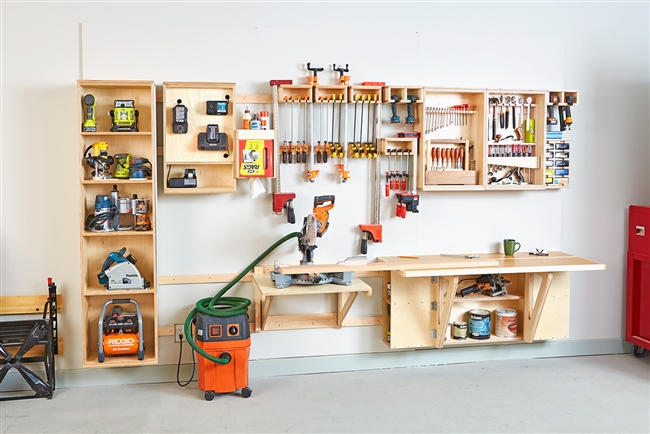
- Workshop: A well-ventilated area equipped with workbenches, storage for tools and raw materials, and designated zones for cutting, shaping, and finishing operations.
- Design and Consultation Area: A small, neatly arranged office space to meet with clients, display samples, and finalize designs.
- Storage Room: A secured space for bulky materials and finished products.
Workforce and Role Assignment
The operations will commence with a team of three skilled carpenters. The role distribution is as follows:
- Lead Carpenter: Oversees project planning, quality control, and final assembly work.
- Assistant Carpenter 1: Handles primary crafting including cutting, shaping, and basic assembly.
- Assistant Carpenter 2: Manages finishing processes, such as sanding, painting, and surface treatments.
One additional part-time administrative support may be considered as the business scales, primarily to manage appointments, documentation, and marketing communications.
Daily Workflow and Quality Control
Daily operations will begin at approximately 8 AM, with a structured workflow that includes:
- Morning briefings to outline targets, review work allocation, and ensure that safety protocols are in place.
- Dedicated time for client consultations and design finalizations, ensuring clarity and understanding of project details.
- Production periods interspaced with quality control checks at different stages to ensure consistency and attention to detail.
- End-of-day reviews to assess progress, address issues, and plan for subsequent tasks.
Financial Plan and Cost Breakdown
Investment Overview
The total capital investment amounts to Rs. 10 lakhs. This amount will be strategically allocated among various essential segments, ensuring that both fixed asset purchases and day-to-day operational needs are sufficiently covered.
Detailed Cost Structure
| Expense Category | Cost Estimate (Rs.) | Description |
|---|---|---|
| Shop Setup & Renovation | 2,00,000 | Renovations on the owner’s property including workspace adaptation, lighting, ventilation, and safety installations. |
| Machinery & Equipment | 3,00,000 | Procurement of essential tools such as workbenches, power tools (saws, drills, sanders), and safety gear. |
| Initial Inventory & Materials | 2,00,000 | Raw materials including various quality woods, laminates, adhesives, finishes, and consumables. |
| Working Capital | 1,00,000 | Operational expenses like utilities, transportation, and miscellaneous day-to-day costs. |
| Marketing & Administration | 1,00,000 | Local advertising, digital marketing initiatives, printing of brochures, and administrative expenses. |
| Contingency Reserve | 1,00,000 | Provision for unforeseen expenses during initial business operations. |
Financial Projections
With initial modest sales and focusing on building a strong reputation, the following financial overview is projected:
- Year 1 Revenue: Expected to start between Rs. 5 lakhs to Rs. 7 lakhs, driven by local orders and limited marketing.
- Year 2 Revenue: Anticipated growth to Rs. 10 lakhs or higher, as client base and brand strength improve.
- Profit Margins: Target net margins of 10-20% as operational efficiencies increase and brand loyalty improves.
- Break-Even Point: Estimated between 6 to 12 months depending on sales, production volume, and overhead management.
Risk Analysis and Mitigation
Potential Risks
Every business investment requires a clear understanding of potential risks. The primary risks in this carpentry shop project include:
- Market Competition: Increased local competition could lead to pricing pressures. This is mitigated by focusing on quality and personalized service.
- Raw Material Price Fluctuations: Shifts in the cost of wood and other materials can impact margins. Establishing long-term supplier contracts can help stabilize costs.
- Operational Delays: Any delays in project completion could affect customer satisfaction. Implementing robust operational processes and contingency planning is essential.
- Regulatory Compliance: Failure to adhere to local safety, labor, and environmental regulations may lead to legal issues. Regular audits and compliance checks are planned to mitigate this risk.
Mitigation Strategies
The strategies identified to counter these risks include:
- Emphasizing continuous quality control throughout the production process.
- Developing diversified supplier relationships to cushion the impact of raw material price variability.
- Engaging in active local marketing to build a strong customer base and reputation.
- Ensuring regular training sessions for workers to maintain high operational standards and safety practices.
Implementation Timeline
Phased Rollout
A disciplined implementation timeline is critical for a smooth launch and sustainable operations:
- Phase 1 (0-1 Month): Business registration, finalizing the property layout, procurement of machinery and equipment, and hiring/training of the three skilled carpenters.
- Phase 2 (Months 2-3): Official launch, initiating local marketing campaigns, and commencing with smaller projects to fine-tune operational processes.
- Phase 3 (Month 4 onward): Expansion of service offerings, scaling up production, and exploring supplementary revenue streams such as repair services and bespoke interior solutions.
Additional Operational Components
Technological Integration
Even in a traditional craft like carpentry, technology plays a pivotal role. The shop will incorporate:
- A basic accounting system to track sales, expenses, and inventory levels.
- Digital design tools for creating quick visual prototypes and ensuring clients have a clear understanding of final products.
- A simple website and social media profiles to showcase past projects, customer testimonials, and engage in local digital marketing.
Sustainability Focus
Incorporating eco-friendly practices in the project can lead to long-term benefits. This includes:
- Utilizing sustainably sourced wood and minimizing waste by optimizing cutting processes.
- Recycling scrap materials where possible.
- Offering environmentally responsible finishing options that also attract eco-conscious clientele.
Conclusion
This carpentry shop project report provides a clear and actionable blueprint for launching a bespoke carpentry business on an initial investment of Rs. 10 lakhs, using the advantage of an owned property and a dedicated team of three skilled workers. Emphasizing quality craftsmanship, operational efficiency, and strategic financial planning, the project is designed to establish a strong market presence and achieve steady growth. With well-documented market analysis, a detailed cost breakdown, risk mitigation strategies, and a phased implementation timeline, this plan serves as a robust guide for entrepreneurs entering the carpentry sector. The focus on both traditional craftsmanship and modern market dynamics promises a competitive edge in a growing industry.
References
- Handmade Carpet Project Profile - KVI Online
- Carpet Industry Project Report - Finline
- PMEGP Project Report Samples - Vishwakarma Yojana
- Project Report Insights - Finance Seva
- Carpet Industry Analysis - Sharda Associates
More
Last updated February 18, 2025