
Unveiling the Insights Behind a First-Time Cat Litter
Explore an in-depth quality assessment and vital tips for first-time cat mothers
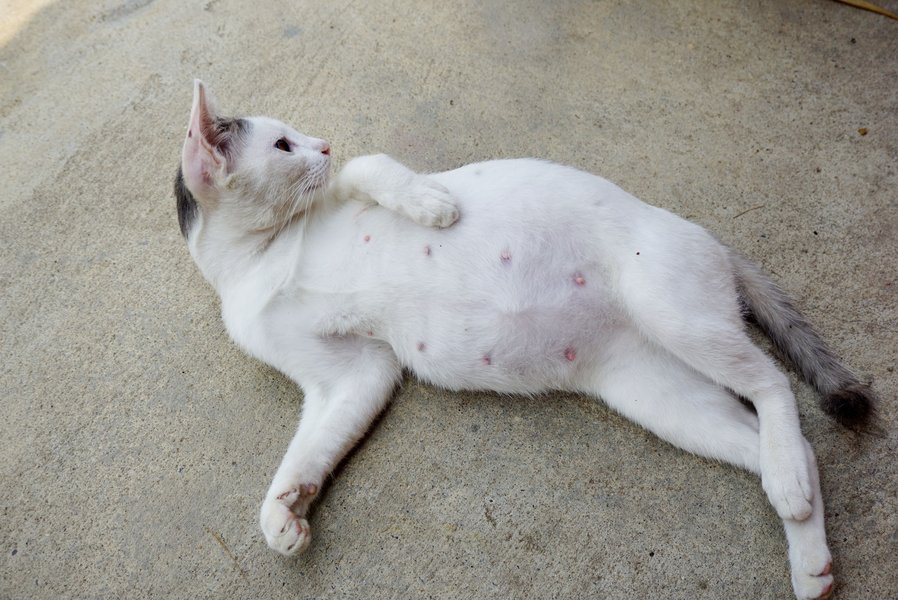
Essential Insights
- Reassurance Through Information: The content effectively reassures first-time cat moms that smaller litters (1-3 kittens) are normal.
- Clarity and Engagement: Simple language and engaging elements (like the paw emoji) enhance relatability, making the article accessible to novice pet owners.
- Scope and Areas for Expansion: While the overview is clear, incorporating more detailed factors influencing litter size and additional care tips can further enrich the content.
Detailed Analysis of Content Quality
Overview
The provided content is designed for first-time cat owners witnessing their cat’s initial experience with motherhood. It centers on the typical expectation that the first litter is smaller, usually ranging from one to three kittens. The narrative communicates reassurance and fosters a supportive atmosphere, which is crucial for pet owners who might be worried over abnormal outcomes. The tone is welcoming, using a gentle introduction with a relatable emoji to emphasize care and practicality.
Relevance and Keyword Integration
Keywords such as "cats first litter" and "how many kittens in a first litter" are seamlessly embedded within the text. Their presence boosts the article’s search engine optimization without compromising on readability. The content directly addresses the concerns of new cat owners and meets the search intent by providing specific expectations regarding litter size.
Clarity and Tone
The language is simple, approachable, and clear enough for readers who have limited background knowledge in cat reproduction. The inclusion of the paw emoji (🐾) adds warmth and makes the narrative less clinical. This balance between factual information and a friendly tone is essential as it builds trust and comfort among readers. However, while it is inviting, the content would benefit from deeper elaboration on related topics, such as care tips during and after the birthing process.
Coverage and Depth
While the content thoroughly explains that smaller initial litters are common and not indicative of any issues, the scope remains somewhat narrow. Several potential enhancements include:
- Discussing why first litters tend to be smaller, including aspects of physical maturity and a queen’s gradual adaptation to motherhood.
- Detailing the factors influencing litter size, which may involve the mother cat's age, overall health, genetics, nutrition, and sometimes the breed.
- Offering practical care advice for the mother during pregnancy, during the birthing process, and in the early weeks postpartum.
- Mentioning when veterinary consultation is advised—especially in situations where a deviation from the expected size could hint at underlying health issues.
Providing such additional information would significantly enhance the quality and utility of the content, thereby addressing a wider range of concerns that first-time cat owners might have.
Visual and Structural Elements
The text is written in a supportive and informative manner, yet it could greatly benefit from improved formatting and additional visual tools. For instance, incorporating bullet lists (as seen above) breaks the monotony of plain text, making the information easier to assimilate. Additionally, using visual aids such as infographics, tables, and interactive charts would help distill complex factors impacting litter size into more digestible segments. For example, a comprehensive table highlighting factors affecting litter size would be useful for quick reference.
Engagement and User Experience
A clear strength of the content is its engaging and reassuring tone. The content achieves a good balance between being factual and conversational, ensuring that the target audience (first-time cat moms) feels both informed and supported. However, enhancing the article with interactive elements such as radar charts or embedded videos can further capture the reader's attention and offer a multi-dimensional understanding of the topic. This approach not only reinforces the key points but also enriches the overall user experience.
Interactive Visualization and Data Representation
Radar Chart Representation
The following radar chart synthesizes various dimensions of the content quality assessment based on our analysis. The chart encompasses key qualitative factors such as Reassurance, Clarity, Depth of Information, Visual Appeal, Relevance, and Engagement.
Comparative Summary Table
This table offers a concise comparison of different aspects of the content's quality along with suggestions for improvement.
| Aspect | Current Quality | Potential Improvement |
|---|---|---|
| Reassurance | Effectively reassures with gentle language and empathetic tone. | Enhance with more examples and explicit references to veterinary guidance. |
| Clarity | Simple language and clear message, easy for first-time cat owners. | Broaden explanation on why first litters are smaller for a deeper understanding. |
| Depth of Information | Covers basic facts about litter size and general expectations. | Add more details about contributing factors (age, breed, health) and postnatal care. |
| Visual Appeal | Minimal visual elements. | Introduce infographics, tables, and interactive charts for enriched user experience. |
| Keyword Usage | Keywords are well-integrated naturally without being forced. | Incorporate additional keywords and relevant phrases for broader search discovery. |
| Engagement | Engaging tone with relatable emoji usage. | Embed interactive media such as videos and clickable FAQs to further captivate readers. |
Embedded Educational Content
Informative Video Feature
Below is an embedded video that provides additional insights into kitten care and litter size. This visual resource complements the written content by offering a practical demonstration and further expert guidance.
FAQ Section
What factors affect a cat's litter size?
Several factors can influence the size of a cat’s litter. These include the mother cat's age, health, breed, genetics, and overall nutrition. Younger or first-time mothers often have smaller litters due to their bodies gradually adapting to motherhood.
Is a smaller first litter a cause for concern?
No. A smaller litter in a first-time cat mom is generally normal. It indicates that the mother is easing into her role. However, if there is a significant deviation or if you notice health issues, consult a veterinarian.
How can I ensure proper care for the mother and kittens?
Provide a quiet and safe environment, supply nutritious food and clean water for the mother, and keep the kittens with their mother for at least eight weeks. Additionally, routine veterinary checkups are important for both the mother and the kittens.
References
- How Many Kittens is Normal for a First Litter - WagWalking
- How Many Kittens Are In A Litter - Chewy
- How Many Kittens Can A Cat Have - Cats.com
- How Many Kittens Are Born in a Litter - Pangovet
- How Many Kittens Can a Cat Have - Rover
Recommended Queries
Last updated April 3, 2025