
Mastering Feline Potty Habits: A Comprehensive Guide to Litter Training and Toilet Training
Unlock the secrets to a cleaner home and a happier cat through effective potty training strategies.
Key Insights into Feline Potty Training
- Start Early and Be Patient: Kittens are highly adaptable, making 4-6 months an ideal age for training, though adult cats can also learn with consistency and patience.
- The "N+1" Rule for Litter Boxes: Always provide one litter box per cat plus one extra to prevent accidents and ensure each cat has a comfortable, private space.
- Consider Toilet Training Carefully: While possible, toilet training a cat has significant drawbacks, including going against natural feline instincts and potential health monitoring challenges.
Cats are naturally clean and gravitate towards designated areas for elimination, making litter training generally straightforward. However, successfully teaching a cat to use a litter box or, in some cases, even a human toilet, requires understanding their instincts, providing the right environment, and employing consistent positive reinforcement. This guide will delve into best practices for traditional litter training, explore the intricacies and considerations of toilet training, and offer solutions for common challenges to ensure a harmonious living environment for both you and your feline companion.
Foundational Litter Training for Kittens and Adult Cats
Litter training is a fundamental aspect of cat ownership that sets the stage for a clean and comfortable living environment. While kittens often learn from their mothers, human intervention, particularly with adopted kittens or adult cats, is crucial for success.
The Right Tools: Litter Box and Litter Selection
Choosing the Ideal Litter Box
The type and size of the litter box significantly impact a cat's willingness to use it. For kittens, a smaller, more accessible litter tray (around 13x9 inches) is often preferred, as larger boxes can be intimidating. For adult cats, consider their size and comfort. A general rule for the number of litter boxes is one per cat, plus an additional one. This "N+1" rule helps prevent territorial disputes and ensures ample, clean options, especially in multi-cat households or multi-level homes. High-sided litter boxes or covered boxes can help contain litter scatter and spray, which is a common concern for owners.
Some innovative solutions to consider include:
- Stainless Steel Litter Boxes: These are excellent for odor control as plastic can absorb smells over time.
- DIY Solutions: Large plastic storage bins from stores like Target or Walmart can be a cost-effective and spacious alternative to commercial litter boxes, especially for larger cats or those who "overshoot." You can cut an entryway for easier access.
- Litter Box Enclosures: For aesthetic purposes, hidden litter box solutions, such as those integrated into furniture or cabinets, can help keep the litter area discreet while still providing accessibility for the cat.
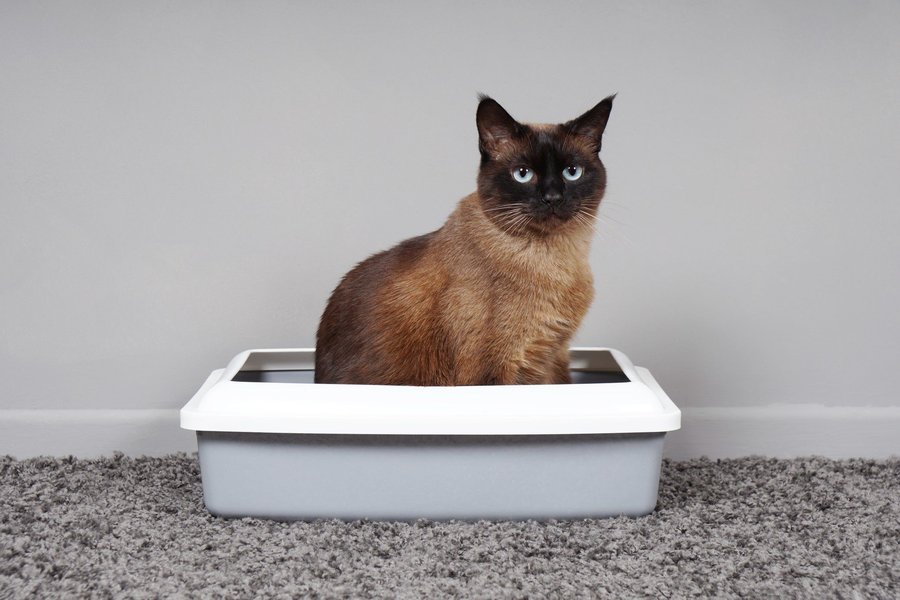
A cat using a litter box, illustrating a successful training outcome.
Selecting the Right Litter
Cats have preferences when it comes to litter texture and type. While clumping litter is convenient for owners due to easy scooping, some cats may prefer non-clumping varieties. Experimenting with different types can help you find what your cat prefers. "Cat Attract" powder can also be mixed into the litter to encourage use. It's vital to choose a litter that appeals to your cat's instincts, allowing them to dig and bury their waste.
Strategic Placement and Maintenance
Optimal Litter Box Location
The placement of the litter box is as crucial as the box itself. Cats prefer quiet, private, and easily accessible locations. Avoid placing litter boxes near loud appliances (like washing machines), bright lights, or high-traffic areas. Also, never place a litter box near your cat's food and water dishes, as this is unappealing to their hygienic nature. In multi-level homes, ensure there is at least one litter box on each floor.
The Importance of Cleanliness
Cats are exceptionally clean animals and will often refuse to use a dirty litter box. Daily scooping is essential, and the entire litter box should be cleaned regularly with water and replaced with fresh litter. A consistent cleaning routine prevents odor buildup and encourages your cat to use their designated area. If your cat suddenly stops using the litter box, a dirty environment is a common culprit.
Training Techniques and Positive Reinforcement
Positive reinforcement is key to successful litter training. When your cat uses the litter box, offer immediate praise and treats to create a positive association. Gently place your cat in the litter box after waking up, eating, or playing, and use a consistent command like "go potty." For adult cats newly introduced to a home, confining them to a smaller area with their litter box initially can help them adapt before granting full access to the house.
The Intricacies of Toilet Training Cats
The idea of a cat using a human toilet, eliminating the need for litter boxes altogether, is appealing to many owners. While it is possible to teach a cat to use a toilet, it's a complex process with significant pros and cons that warrant careful consideration.
The Toilet Training Process: A Step-by-Step Approach
Toilet training typically involves a gradual transition from the litter box to the toilet, often facilitated by specialized training kits that fit within the toilet bowl.
Initial Setup and Gradual Elevation
- Move the Litter Box: Begin by moving your cat's current litter box closer to the toilet. Ensure they are comfortable using it in this new location for several days to a week.
- Raise the Litter Box: Gradually elevate the litter box over time using stacks of newspapers or telephone books. The goal is to bring the litter box to the height of the toilet seat. Secure the box to prevent it from moving.
- Introduce the Training Seat: Once the cat is comfortable using the elevated litter box, introduce a training seat designed to fit inside the toilet bowl. These seats typically have a small opening in the center. Add flushable litter to the training seat to encourage your cat to use it.
Transitioning to the Toilet Bowl
As your cat becomes accustomed to the training seat, gradually increase the size of the opening, or use training seats with progressively larger holes. This process helps the cat adapt to eliminating directly into the water. It's crucial to clean out the litter after each use and consider adding a small amount of catnip to encourage continued use.
A step-by-step guide to toilet training your cat.
This video provides a visual and detailed walkthrough of the toilet training process, including the gradual steps of moving the litter box, raising its height, and introducing the specialized training seat. It emphasizes the importance of patience and consistency, showcasing how a cat can be slowly accustomed to using a human toilet, reducing the need for traditional litter boxes and their associated mess.
Final Steps and Considerations
Once your cat is consistently using the toilet with a large opening in the training seat, you can remove the seat altogether. This final step means your cat should be fully trained to use the toilet independently. The entire process can take anywhere from a few weeks to several months, depending on the cat's temperament, age, and your consistency.
Pros and Cons of Toilet Training
While the idea of a litter-free home is appealing, toilet training cats comes with several practical and behavioral considerations.
| Aspect | Pros of Toilet Training | Cons of Toilet Training |
|---|---|---|
| Cleanliness & Odor | Eliminates litter box mess and associated odors. | Potential for mess if cat misses the toilet; requires regular flushing by humans. |
| Cost & Convenience | Saves money on litter and time on scooping/cleaning. | May require special flushable litter; not all cats adapt; requires consistent human intervention. |
| Natural Behavior | Can be trained with patience. | Goes against feline instinct to scratch and bury waste; may cause stress or confusion for the cat. |
| Health Monitoring | Easier to observe urine and feces for health issues. | Difficult to monitor changes in elimination (e.g., frequency, color, consistency) which are key health indicators. Waste is immediately flushed. |
| Accessibility & Safety | Freed up floor space. | Risk of falling into the toilet; requires cat to be comfortable jumping onto the toilet; issues for cats with mobility problems or young kittens. |
| Travel & Boarding | Potentially easier when traveling if facilities are consistent. | Limited access to trained facilities at vets or boarding facilities; complicates travel. |
| Multi-Cat Households | Reduces the number of litter boxes needed. | One toilet may not be sufficient for multiple cats, potentially causing stress or accidents. |
Why Many Experts Advise Against Toilet Training
Despite its perceived benefits, many veterinarians and feline behaviorists recommend against toilet training for several reasons:
- Against Natural Instincts: Cats have a strong instinct to scratch at substrates and bury their waste. Using a toilet denies them this natural behavior, which can be stressful and lead to behavioral issues.
- Health Monitoring Challenges: The toilet flushes away waste, making it impossible to observe changes in your cat's urine or feces. These observations are critical for detecting early signs of common feline health problems like urinary tract infections, kidney disease, or digestive issues.
- Stress and Anxiety: The unnatural act of using a toilet can cause significant stress or anxiety for some cats, potentially leading to litter box avoidance or other behavioral problems.
- Accessibility Issues: For older cats, kittens, or cats with mobility issues (e.g., arthritis), jumping onto a toilet can be difficult or painful, leading to accidents.
- Safety Concerns: There's a risk of a cat falling into the toilet, which can be a frightening and traumatic experience, deterring them from using it again.
Addressing Common Potty Training Challenges
Even with the best intentions, issues can arise during potty training. Understanding the root causes and implementing solutions is crucial.
Litter Box Aversion and Accidents
If your cat suddenly stops using the litter box or begins eliminating outside of it, it's a sign that something is wrong. This is the leading reason cats are surrendered to shelters.
Potential Causes of Litter Box Problems:
- Medical Issues: Always consult a vet first if there's a sudden change in potty habits. Urinary tract infections, bladder infections, or cystitis can cause discomfort and lead to avoidance.
- Litter Box Conditions: Too small, dirty, or hard-to-access litter boxes are common culprits. Cats may also dislike the type of litter or the scent of cleaning products.
- Location: A litter box in a high-traffic, noisy, or insecure location can deter use.
- Stress and Environmental Changes: New pets, new people, changes in routine, or a stressful home environment can lead to litter box issues. Cats are territorial and need to feel secure.
- Insufficient Number of Boxes: In multi-cat homes, not having enough litter boxes (remember the N+1 rule) can lead to competition and accidents.
Solutions for Specific Problems
- For "Missing the Box": If your cat stands in the box but eliminates outside, provide a larger litter box. High-sided or top-entry boxes can also help contain spray and scatter.
- For Litter Tracking: Use lower-tracking litter, place a mat around the litter box, or consider "grate litter boxes" designed to reduce scatter by trapping litter from paws.
- Odor Issues: Stainless steel litter boxes absorb fewer odors than plastic. Daily scooping and regular deep cleaning are paramount.
- Discouraging Accidents in Problem Areas: Thoroughly clean any soiled areas with enzymatic cleaners to eliminate odors that might attract the cat back. You can also rub a cloth between your cat's eye and ear to pick up its scent and rub it over the problem area; cats may be reluctant to soil an area that already smells like them.
Feline Potty Training Readiness Assessment
To give you a better sense of how suited your cat might be for advanced potty training techniques like toilet training, I've created a radar chart. This chart is based on general feline behaviors and common traits, and it reflects an opinionated assessment rather than precise data points. A higher score on any axis suggests a greater natural inclination or ease in that area for training.
This radar chart visually represents the different aptitudes that can influence a cat's success in potty training, particularly for more advanced methods like toilet training. An "Ideal Candidate Cat" demonstrates high scores across all areas, indicating strong adaptability, natural curiosity, a willingness to engage, robust hygiene instincts, good physical agility, and a high tolerance for new situations. In contrast, a "Typical Cat" might have moderate scores, suggesting that while they possess innate cleanliness, they may require more patience and careful management of environmental factors to adapt to novel training methods. This chart highlights that certain traits make some cats more amenable to specific training challenges than others.
Frequently Asked Questions
How long does it take to potty train a cat?
Can you litter train an adult cat?
How many litter boxes should I have for multiple cats?
What should I do if my cat stops using the litter box?
Is it safe to toilet train my cat?
Conclusion
Successful potty training, whether through traditional litter box use or the more advanced (and debated) toilet training, hinges on understanding feline behavior, providing an optimal environment, and applying patience and consistent positive reinforcement. While litter training is generally straightforward due to cats' innate cleanliness, toilet training presents unique challenges and trade-offs. Ultimately, the goal is to create a clean, comfortable, and stress-free environment for your feline friend, ensuring a happy and healthy coexistence.
Recommended Further Exploration
- Understanding feline stress and its impact on behavior
- Best practices for multi-cat households
- Common feline urinary issues and symptoms
- DIY solutions for hiding cat litter boxes
