
Unraveling the Complex Web of Depression: Key Factors and Pathways
Exploring the Multifaceted Influences that Can Contribute to Depressive States
Key Insights into Depression's Contributing Factors
- Depression is Multifactorial: There is no single cause of depression; instead, it typically arises from a complex interplay of genetic, biological, environmental, and psychological factors.
- Stressful Life Events are Potent Triggers: Significant life changes, trauma, loss, and chronic stress are highly influential in precipitating depressive episodes, especially in individuals already predisposed.
- Biological and Genetic Predispositions: Brain chemistry imbalances, genetic vulnerability, and certain medical conditions can significantly increase an individual's susceptibility to developing depression.
Depression, also known as major depressive disorder or clinical depression, is a pervasive and serious mood disorder that profoundly impacts how individuals feel, think, and behave. Far from being a fleeting feeling of sadness, it involves persistent feelings of low mood, loss of interest or pleasure in activities, and can lead to a range of emotional and physical problems that interfere with daily life. Understanding the factors that contribute to depression is crucial for prevention, early recognition, and effective treatment. While no one actively seeks to become depressed, certain circumstances and predispositions can significantly increase an individual's vulnerability. It is essential to recognize that depression is a complex illness, and its development is rarely attributed to a single cause, but rather a combination of interacting elements.
The Multifaceted Nature of Depression's Onset
The medical community acknowledges that depression is a complex disease with no single, definitive cause. Research suggests that a combination of factors interacts to bring on depressive states. These factors can range from inherited predispositions and brain chemistry to traumatic experiences and ongoing stressful life circumstances. Understanding these contributing elements can shed light on why some individuals are more susceptible than others.
Biological and Genetic Vulnerabilities
Genetic Predisposition: The Family Link
A family history of depression significantly increases one's risk of developing the condition. If a parent, sibling, or close relative has experienced depression, there is a higher likelihood that an individual may also develop it. This suggests a genetic vulnerability, particularly for severe forms of depression, although it does not guarantee its onset. Life circumstances and other personal factors still play a crucial role in whether this genetic predisposition manifests.
One in eight women will experience depression in their lifetime, and this disparity may be partly due to genetic factors as well as higher rates of stress and trauma reported by women. Similarly, transgender and nonbinary individuals may experience higher rates of depression due to various factors, including discrimination and gender minority stress.
Brain Chemistry Imbalances and Structure
While the idea of a simple "chemical imbalance" as the sole cause of depression is largely outdated and oversimplified, imbalances of neurotransmitters such as serotonin and dopamine are believed to contribute to the development of depression. Research continues to explore the intricate ways brain chemistry influences mood regulation. Furthermore, studies using MRI have identified changes in specific brain regions associated with emotions and mood regulation in depressed individuals. For instance, the amygdala, a brain structure involved in processing emotions like fear and sorrow, shows higher activity in depressed individuals, and this increased activity may even lead to its enlargement. These biological factors are often intertwined with other influences, making depression a truly biopsychosocial phenomenon.
The profound emotional toll of depression, manifesting as pervasive sadness.
Chronic Illness and Medical Conditions
The presence of serious or chronic medical illnesses can significantly increase the risk of depression. Conditions that last for a long time and may not be completely curable, such as cardiovascular disease, back problems, arthritis, or diabetes, can lead to chronic pain, stress, and limitations on daily life, all of which contribute to depressive symptoms. Furthermore, certain medications prescribed for other conditions can have depression as a side effect. If an individual takes three or more medications linked to depression, their risk may be elevated.
Environmental and Life Stressors
Stressful Life Events and Trauma
Difficult and traumatic life events are potent triggers for depression. These can include the death of a loved one, divorce, job loss, significant financial difficulties, or even seemingly positive but major changes like moving or graduating. The stress and grief associated with these events can overwhelm an individual's coping mechanisms. Adverse childhood experiences (ACEs), such as abuse, neglect, or household dysfunction, are particularly strong risk factors for developing clinical depression later in life, highlighting the long-term impact of early trauma.
Social Isolation and Loneliness
Feeling cut off from family and friends, or experiencing profound loneliness, can significantly increase the risk of depression. Humans are social beings, and a lack of social support and connection can lead to feelings of despair and emptiness. Isolation can exacerbate negative thought patterns and reduce opportunities for engaging in mood-boosting activities.

The isolating experience of depression, often leading to withdrawal from social connections.
Substance Abuse
There's a strong correlation between substance misuse and depression. Nearly 30% of individuals with substance abuse problems also experience major depression. While some may turn to drugs or alcohol to self-medicate feelings of sadness, heavy use can ultimately worsen depressive symptoms and contribute to the development of the disorder. Substance abuse can alter brain chemistry, disrupt sleep patterns, and lead to social and financial problems, all of which fuel depression.
Lifestyle and Cognitive Patterns
Poor Sleep Habits and Circadian Rhythm Disruption
Sleep patterns have a significant impact on mental health. Chronic sleep deprivation, irregular sleep schedules, or conditions like insomnia can disrupt the body's natural circadian rhythms and negatively affect mood regulation. Poor sleep can lead to increased irritability, difficulty concentrating, and a general sense of fatigue, all of which are common symptoms of depression and can contribute to its onset.
Unhealthy Diet and Nutritional Deficiencies
A nutritious diet is fundamental for optimal brain function. When the body doesn't receive the necessary nutrients, it can be at greater risk for both physical and mental health problems, including depression. While the link is complex, an inconsistent healthy diet, or a diet lacking essential vitamins and minerals, can contribute to inflammation and imbalances that affect mood. Conversely, some studies suggest that certain dietary patterns may have protective effects against depression.
Sedentary Lifestyle and Lack of Physical Activity
While the connection is complex, a lack of physical activity can be a risk factor for depression. Regular physical exercise is known to be a protective factor, releasing endorphins and improving mood. Even small amounts of physical activity can provide significant benefits compared to no activity. A sedentary lifestyle can contribute to feelings of lethargy, low energy, and social isolation, all of which can exacerbate depressive tendencies.
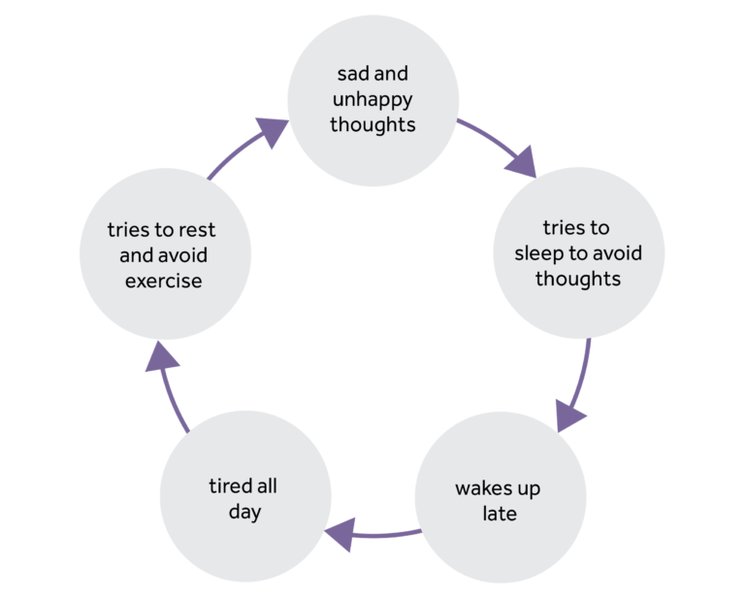
The impact of depression on engagement with daily activities and routines.
Excessive Screen Time and Social Media Use
Research suggests that excessive screen time, particularly spent watching television or using a computer and cell phone, can increase the risk of depression. While these activities can offer distraction, prolonged engagement can lead to social isolation, comparison with idealized online lives, and disruption of sleep patterns, all of which can negatively impact mental well-being. The highest increase in depression risk was observed with excessive television watching in one study.
The Complex Interplay of Factors
It is important to understand that these factors rarely operate in isolation. Instead, depression often arises from a complex interaction between an individual's genetic predispositions, their brain chemistry, their experiences throughout life, and their current social and environmental circumstances. For example, someone with a genetic vulnerability might experience a severe stressful life event, which then triggers a depressive episode that is compounded by poor coping mechanisms or lack of social support. The illustration below provides a visual representation of how various factors might contribute to depression.
Radar chart illustrating the relative influence of various factors contributing to depression.
As illustrated by the radar chart, factors like "Stressful Life Events" and "Adverse Childhood Experiences" often show high relative influence, aligning with clinical observations that significant life stressors and past trauma are major contributors. "Genetic Vulnerability" and "Brain Chemistry Imbalances" also play substantial roles, underscoring the biological underpinnings of the disorder. Lifestyle factors such as "Substance Abuse," "Social Isolation," and "Poor Sleep Quality" consistently demonstrate considerable impact, as they can directly disrupt well-being and exacerbate underlying predispositions. "Chronic Medical Conditions" also stand out, often due to the physical and emotional burden they place on individuals. Lastly, "Unhealthy Diet" and "Sedentary Lifestyle" contribute, albeit with a slightly lower, yet still significant, influence, emphasizing the holistic nature of mental health. The chart's visual representation aims to convey that depression rarely stems from a single, isolated cause but rather from the combined pressures and vulnerabilities an individual faces.
Understanding Symptoms and Seeking Support
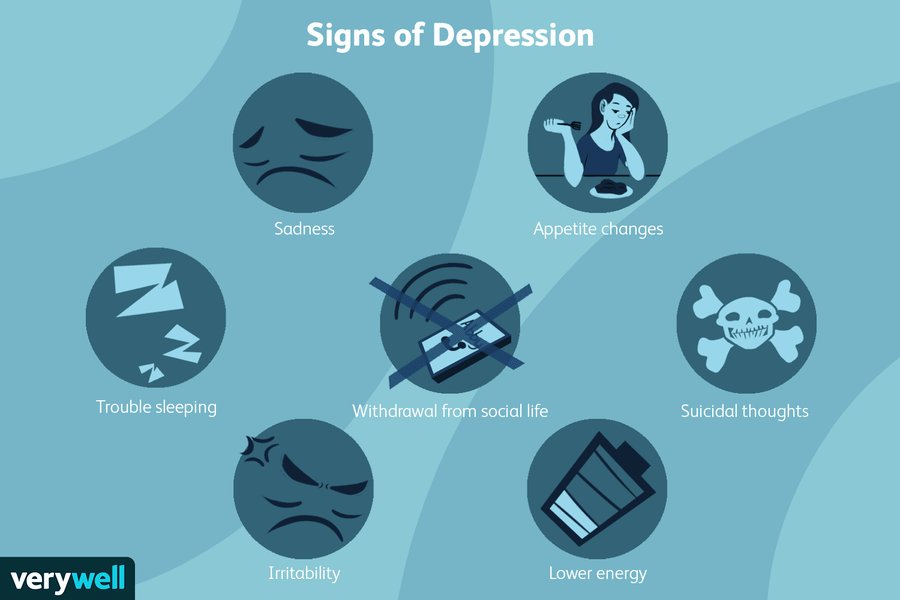
Depression symptoms can vary widely among individuals, ranging from pervasive sadness and loss of interest to changes in appetite, sleep patterns, energy levels, and concentration. It is crucial to distinguish between temporary sadness and clinical depression, which involves persistent symptoms lasting at least two weeks and significantly impacting daily functioning.
Common Symptoms of Depression
| Category | Common Symptoms |
|---|---|
| Emotional Symptoms | Persistent sadness, anxious or "empty" mood, feelings of hopelessness, irritability, feelings of guilt, worthlessness, or helplessness, loss of pleasure in hobbies and activities (anhedonia). |
| Behavioral Symptoms | Social withdrawal, agitation, restlessness, difficulty concentrating, remembering, or making decisions. |
| Physical Symptoms | Fatigue or decreased energy, changes in appetite or weight, changes in sleep patterns (insomnia or oversleeping), aches or pains, headaches, or digestive problems without a clear physical cause. |
| Cognitive Symptoms | Difficulty concentrating, remembering details, making decisions, thoughts of death or suicide. |
Recognizing these symptoms is the first step toward seeking help. Depression is a treatable condition, and most people feel better with appropriate interventions such as medication, psychotherapy, or a combination of both.
The Path to Recovery and Support Systems
Seeking professional help is paramount for individuals experiencing symptoms of depression. Mental health professionals can provide an accurate diagnosis and develop a tailored treatment plan. Organizations like the Substance Abuse and Mental Health Services Administration (SAMHSA) offer valuable resources, including a national helpline for confidential treatment referral and information services.
Effective psychological treatments for depression include cognitive behavioral therapy (CBT), which focuses on identifying and changing unhealthy thinking patterns, and other forms of psychotherapy. Antidepressant medications can also be helpful by affecting brain chemicals involved in mood regulation. It's important for individuals to work closely with their healthcare providers to find the most effective treatment approach and to continue treatment as recommended, even after symptoms improve.
Understanding Depression: Symptoms, Causes and Treatments - A comprehensive overview from Mayo Clinic expert Craig Sawchuk, Ph.D., L.P. This video provides valuable insights into clinical depression, discussing its varied symptoms, underlying causes, and the array of available treatments. It highlights the importance of recognizing the signs and seeking professional help for effective management and recovery.
Frequently Asked Questions
What is the main cause of depression?
Can lifestyle choices truly lead to depression?
Is depression caused by a chemical imbalance in the brain?
Can trauma from childhood lead to depression later in life?
Conclusion
Depression is a profound and impactful mental health condition influenced by a convergence of factors rather than a singular cause. From genetic predispositions and brain chemistry to traumatic life events, social isolation, substance abuse, and even daily lifestyle habits, numerous elements can increase an individual's vulnerability. Understanding these diverse contributing factors is not about assigning blame but rather about recognizing the complexity of the disorder and fostering a comprehensive approach to prevention, diagnosis, and treatment. Effective interventions, including psychotherapy, medication, and lifestyle adjustments, are available and can significantly improve the lives of those affected. If you or someone you know is struggling with depression, seeking professional help and accessing available support systems is a crucial step towards recovery and improved well-being.
Recommended Further Exploration
- How do genetics influence the risk of depression?
- What are the different types of depression and their symptoms?
- Exploring the role of stressful life events in triggering depression
- Effective treatments and therapies for managing clinical depression