
Unveiling the Hidden Web: How Socioeconomic Factors Dictate Our Behaviors
Exploring the profound impact of financial, environmental, and psychological pressures on individuals, especially in disadvantaged communities.
Key Insights at a Glance
- Socioeconomic status is a critical determinant of behavior: Financial limitations, harsh environmental conditions, and persistent psychological stress significantly shape health choices, financial decisions, and overall well-being.
- Disadvantaged populations bear a disproportionate burden: These stressors are often more intense and pervasive in lower socioeconomic groups, leading to a higher prevalence of adverse behavioral patterns and health outcomes.
- A multi-faceted interplay: These factors do not act in isolation but create a complex web of interconnected challenges that can perpetuate cycles of disadvantage and ill-health across generations.
Understanding the Interplay: Stressors, Behaviors, and Socioeconomic Status
The behaviors we exhibit, ranging from daily health habits like diet and exercise to complex financial decision-making and responses to stress, are not solely products of individual willpower or preference. Extensive research, including numerous studies cataloged in PubMed, reveals a strong correlation between these behaviors and an individual's socioeconomic context. Specifically, financial limitations, prevailing environmental constraints, and the weight of psychological stressors act as powerful sculptors of human action, with their effects often magnified within socioeconomically disadvantaged populations.
The Weight of Financial Limitations
Financial insecurity and strain are potent forces influencing behavior. When individuals face persistent economic hardship, their capacity to make optimal choices can be severely compromised. Studies indicate that financial insecurity can undermine basic psychological needs, such as autonomy and competence, leading to lower self-esteem, increased anxiety, depression, and a greater propensity for problematic financial behaviors, including risky decisions or even financial cheating. This is not a matter of character, but often a consequence of navigating an environment of scarcity.
Access to essential services, particularly healthcare, is also heavily dictated by financial standing. Managed care limitations, personal financial constraints, and inadequacies in public care systems can prevent individuals from receiving optimal medical and psychiatric treatment. This barrier is particularly high for those with severe or multiple health conditions. Families with children experiencing activity limitations, for instance, often face significantly higher out-of-pocket healthcare expenditures, contributing to a substantial financial burden that can impact the entire household's well-being and behavioral choices.

Financial stress is a significant contributor to mental health challenges and can influence decision-making.
Navigating Environmental Constraints
The physical and social environment in which people live, work, and play also exerts a profound influence on their behaviors. Environmental constraints can range from limited access to nutritious food (food deserts) and safe recreational spaces, to exposure to pollution and violence, and inadequate housing. These factors can restrict choices and foster behaviors detrimental to health and well-being. For example, a lack of safe parks or walkable neighborhoods can significantly reduce physical activity levels, contributing to chronic diseases.
Research highlights that pro-environmental attitudes and behaviors can be fostered by positive engagement with nature, but access to such environments is often inequitably distributed. Moreover, structural barriers within communities, such as poor public transportation or limited availability of quality education and employment opportunities, can perpetuate cycles of disadvantage, influencing life trajectories and behavioral patterns. These environmental factors often intersect with socioeconomic status, meaning disadvantaged communities frequently face the most challenging environmental conditions.
The Burden of Psychological Stressors
Psychological stress is a natural response to demanding circumstances, but chronic stress, particularly that stemming from socioeconomic adversity, can have debilitating effects on behavior and health. Lower socioeconomic status is consistently linked with higher levels of psychological stress. This stress can arise from various sources, including financial worries, job insecurity, discrimination, exposure to violence, and the daily struggles of living in poverty.
Chronic stress can impair cognitive functions, such as decision-making and self-control, leading to engagement in health-harming behaviors like smoking, excessive alcohol consumption, or poor dietary choices as coping mechanisms. Furthermore, prolonged stress is a significant risk factor for mental health conditions such as depression and anxiety disorders. Children and adolescents from low-SES backgrounds are often exposed to a greater number of stressful life events, increasing their vulnerability to mental health problems and associated behavioral issues later in life.

The stress process involves appraisal and coping, which can be heavily influenced by socioeconomic resources.
Visualizing the Impact: Stressors Across Socioeconomic Strata
To illustrate how these stressors might differentially affect various aspects of life depending on socioeconomic status (SES), the following chart presents a conceptual model. It visualizes the perceived negative impact of financial, environmental, and psychological stressors on key behavioral and well-being domains across hypothetical low, medium, and high SES groups. Higher scores indicate a greater perceived negative impact.
This chart is a conceptual representation and not based on specific empirical data for these exact combined metrics. It serves to illustrate the general principle that lower SES groups often experience a higher cumulative impact from these stressors across various life domains.
A Tangled Web: Mapping the Determinants of Behavior
The relationship between socioeconomic factors, stressors, and behavior is not linear but rather a complex, interconnected system. The mindmap below provides a visual overview of these intricate connections, illustrating how financial limitations, environmental constraints, and psychological stressors collectively influence various behaviors and contribute to disparities in outcomes, particularly for socioeconomically disadvantaged populations.
(e.g., healthy food, safe parks)"] id1b2["Exposure to Pollution & Violence"] id1b3["Poor Housing Conditions"] id1b4["Lack of Community Support Systems"] id1c["Psychological Stressors"] id1c1["Chronic Stress & Allostatic Load"] id1c2["Discrimination & Social Exclusion"] id1c3["Exposure to Trauma"] id1c4["Increased Anxiety & Depression Risk"] id2["Impacted Behavioral Domains"] id2a["Health Behaviors"] id2a1["Poor Nutrition & Diet"] id2a2["Low Levels of Physical Activity"] id2a3["Higher Rates of Substance Use"] id2a4["Non-adherence to Medical Advice"] id2b["Financial Behaviors"] id2b1["Risky Financial Decisions"] id2b2["Difficulty Saving & Asset Building"] id2b3["Vulnerability to Predatory Lending"] id2c["Mental & Emotional Well-being"] id2c1["Increased Prevalence of Mental Health Disorders"] id2c2["Reduced Coping Abilities & Resilience"] id2c3["Impact on Interpersonal Relationships"] id3["Consequences for Disadvantaged Populations"] id3a["Widening Health Disparities"] id3b["Perpetuation of the Cycle of Poverty"] id3c["Reduced Educational & Occupational Opportunities"] id3d["Lower Overall Quality of Life"]
This mindmap illustrates how these multifaceted stressors can lead to a cascade of effects, shaping behaviors that, in turn, reinforce socioeconomic disparities. Addressing these challenges requires a comprehensive approach that considers all these interconnected factors.
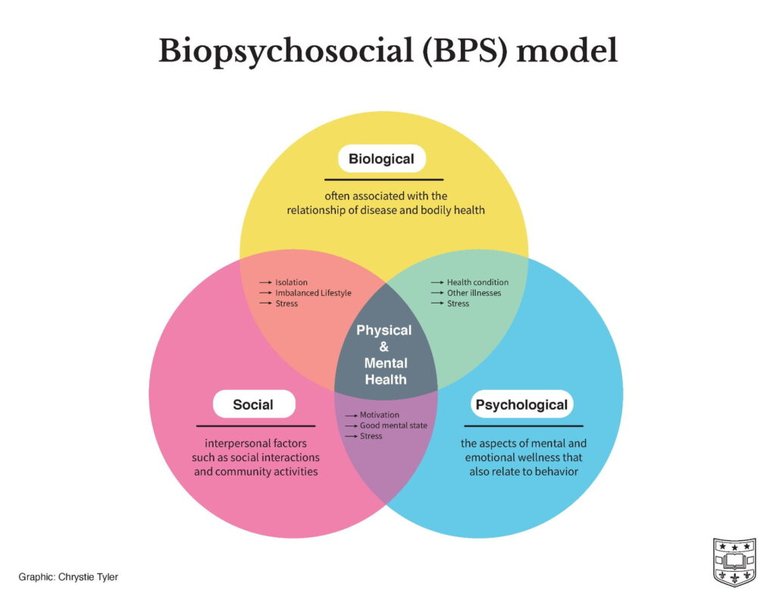
The Biopsychosocial model emphasizes the interplay of biological, psychological, and social factors in health and illness, aligning with the complex influences on behavior.
Key Factors and Their Behavioral Manifestations
The following table summarizes the core factors discussed and provides examples of how they manifest in behaviors, particularly within socioeconomically disadvantaged populations, drawing on themes from research literature.
| Factor | Description | Examples of Impacted Behaviors | Common Research Themes |
|---|---|---|---|
| Financial Limitations | Lack of monetary resources, income instability, high debt, and financial insecurity. | Reduced access to nutritious food, delayed medical care, medication non-adherence due to cost, engagement in risky financial behaviors, difficulty in long-term planning. | Financial strain and health; barriers to healthcare access; psychological impact of poverty. |
| Environmental Constraints | Physical and social surroundings, including housing quality, neighborhood safety, access to green spaces, food deserts, and exposure to toxins or violence. | Lower rates of physical activity, unhealthy dietary patterns due to food availability, increased exposure to violence leading to trauma-related behaviors, limited social engagement. | Social determinants of health; neighborhood effects on health; environmental justice. |
| Psychological Stressors | Chronic stress from poverty, discrimination, unemployment, traumatic experiences, and lack of control over life circumstances. | Increased rates of smoking, alcohol/substance use as coping mechanisms; development of anxiety, depression; impaired decision-making; sleep disturbances. | Stress and coping mechanisms; mental health disparities; impact of adverse childhood experiences (ACEs). |
| Socioeconomic Disadvantage (Cumulative Impact) | The combined and interactive effects of low income, low educational attainment, and occupational status. | Higher prevalence of multiple unhealthy behaviors, greater risk for chronic diseases, intergenerational transmission of poverty and poor health, reduced life expectancy. | Health inequalities; cycle of poverty; cumulative disadvantage theory. |
Supporting Evidence: Key Research from PubMed
The assertions about the profound impact of financial, environmental, and psychological factors on behavior, especially in disadvantaged populations, are well-supported by a vast body of scientific literature. Below are direct links to selected PubMed articles and abstracts that delve into these complex relationships:
-
Financial Insecurity and Psychological Needs
Examines how financial insecurity can lower well-being and increase problematic financial behaviors by undermining basic psychological needs. Read more on PubMed (29952626)
-
Socioeconomic Status and Psychological Stress
Demonstrates the correlation between lower income/education levels and greater psychological stress, highlighting increased health risks. Read more on PubMed (34461676)
-
Environmental, Social, and Structural Constraints on Health Behavior
Discusses how environmental and social barriers, often linked to socioeconomic status, influence health behaviors, particularly in vulnerable groups like women prior to conception. Read more on PubMed (31101479)
-
Financial Strain, Self-Control, and Health Behaviors
Describes how financial strain and associated psychological stress can lead to unhealthy behaviors, partly mediated by limitations in self-control. Read more on PubMed Central (PMC6051441)
-
Socioeconomic Status, Stressful Life Events, and Mental Health in Youth
Reveals that children and adolescents from low SES backgrounds often experience more stressful life events, leading to higher risks for mental health problems. Read more on PubMed (30865713)
-
Socioeconomic Status and Chronic Stress
Reviews how low socioeconomic status is associated with distress, mental health problems, and stress-related health-impairing behaviors. Read more on PubMed (10681894)
-
Influence of Socioeconomic Status on Health Behaviors
Discusses how SES shapes health behaviors through stressors and various constraints. Read more on PubMed (37915814)
These studies represent a small fraction of the research confirming the intricate links between socioeconomic factors and behavioral outcomes, underscoring the need for interventions that address these root causes of inequality.
Frequently Asked Questions
What exactly is meant by "behaviors" in this context? ▼
In this context, "behaviors" refer to a wide range of human actions and patterns. This primarily includes:
- Health-related behaviors: Such as dietary choices (nutrition), levels of physical activity, smoking, alcohol consumption, adherence to medical advice, and preventive care utilization.
- Financial behaviors: Including saving habits, spending patterns, debt management, investment decisions, and responses to financial incentives or pressures.
- Coping mechanisms: How individuals respond to and manage psychological stress, which can manifest as adaptive (e.g., seeking social support) or maladaptive (e.g., substance abuse, withdrawal) behaviors.
- Social behaviors: Patterns of interaction, community engagement, and help-seeking behaviors.
The overarching idea is that these observable actions are significantly shaped by the socioeconomic conditions individuals face.
Why are socioeconomically disadvantaged populations more affected by these stressors? ▼
Socioeconomically disadvantaged populations are often more affected due to a combination of factors:
- Higher Exposure: They tend to face a greater number and intensity of stressors, such as chronic financial strain, job insecurity, residence in under-resourced or unsafe environments, and exposure to discrimination.
- Fewer Resources: They often have limited access to resources that can buffer the impact of stressors. This includes financial safety nets, quality education, affordable healthcare, strong social support networks, and safe living conditions.
- Cumulative Disadvantage: Stressors can accumulate over the life course, and their effects can compound. Early life adversity, common in disadvantaged settings, can have long-lasting impacts on development and resilience.
- Systemic Barriers: Structural inequalities in society (e.g., in housing, employment, education, and justice systems) can create and perpetuate conditions that lead to increased stress and limited opportunities for these populations.
This creates a cycle where disadvantage leads to increased stress and constrained choices, which in turn can reinforce disadvantage.
Can these negative behavioral cycles influenced by socioeconomic factors be broken? ▼
Yes, while complex, these negative cycles can be interrupted and potentially broken through multi-level interventions. Effective strategies often include:
- Policy Changes: Implementing policies that reduce poverty (e.g., living wages, progressive taxation), improve access to affordable housing, quality education, and comprehensive healthcare.
- Community-Based Programs: Developing and supporting programs that build community resilience, provide social support, offer skills training, and improve local environments (e.g., creating safe recreational spaces, increasing access to healthy food).
- Economic Empowerment: Initiatives that promote financial literacy, asset building, and access to fair financial services.
- Early Childhood Interventions: Programs that support healthy development in early childhood can mitigate the long-term effects of adversity.
- Addressing Systemic Discrimination: Efforts to dismantle systemic racism and other forms of discrimination that contribute to socioeconomic disparities and stress.
- Mental Health Support: Increasing access to affordable and culturally competent mental health services to help individuals cope with stress and trauma.
It requires sustained effort across individual, community, and societal levels.
How does financial insecurity specifically impact mental health? ▼
Financial insecurity can profoundly impact mental health by undermining fundamental psychological needs and creating a pervasive sense of instability. Key impacts include:
- Undermining Basic Psychological Needs: According to Self-Determination Theory, needs for autonomy (control over one's life), competence (feeling effective), and relatedness (connection to others) are essential for well-being. Financial insecurity can threaten all three, leading to distress.
- Increased Stress and Anxiety: Constant worry about meeting basic needs (rent, food, bills) creates chronic stress, which is a major risk factor for anxiety disorders.
- Higher Rates of Depression: Feelings of hopelessness, helplessness, and low self-worth can arise from prolonged financial struggles, increasing vulnerability to depression.
- Reduced Self-Esteem: Societal pressures and the stigma associated with poverty can negatively impact self-esteem.
- Impact on Relationships: Financial strain can cause conflict and stress within families and relationships, reducing social support.
- Difficulty Accessing Mental Healthcare: Ironically, those experiencing financial insecurity often have the least access to mental health services due to cost or lack of insurance.
The link is bidirectional: financial problems can worsen mental health, and mental health issues can make it harder to manage finances.
Recommended Further Exploration
To delve deeper into the nuances of how socioeconomic factors shape our lives and behaviors, consider exploring these related queries:
- What are the long-term health consequences of childhood poverty?
- How do neighborhood characteristics influence adolescent risk behaviors?
- What interventions are most effective in reducing health disparities linked to socioeconomic status?
- Explore the psychological mechanisms linking financial stress to decision-making.
References
The information presented is synthesized from numerous research articles. Key sources and further reading include:
Last updated May 12, 2025