
Understanding the Cavernized Penis: Anatomy, Function, and Clinical Implications
A Comprehensive Exploration of Penile Erectile Tissue and Its Role in Male Sexual Health
Key Takeaways
- Corpus Cavernosum Structure: The penis contains two corpora cavernosa, essential for achieving and maintaining erections.
- Erectile Mechanism: Sexual arousal triggers a complex physiological process involving blood flow and muscle relaxation to facilitate erection.
- Associated Conditions: Disorders such as erectile dysfunction and priapism are linked to the proper functioning of the corpora cavernosa.
Introduction
The term "cavernized penis" is not recognized in standard medical terminology. However, it appears to be a colloquial or non-standard reference to the corpus cavernosum, a critical component of male penile anatomy responsible for erectile function. This comprehensive guide delves into the anatomy, physiology, and clinical significance of the corpora cavernosa, providing a detailed understanding of their role in male sexual health.
Anatomy of the Corpus Cavernosum
Structure and Location
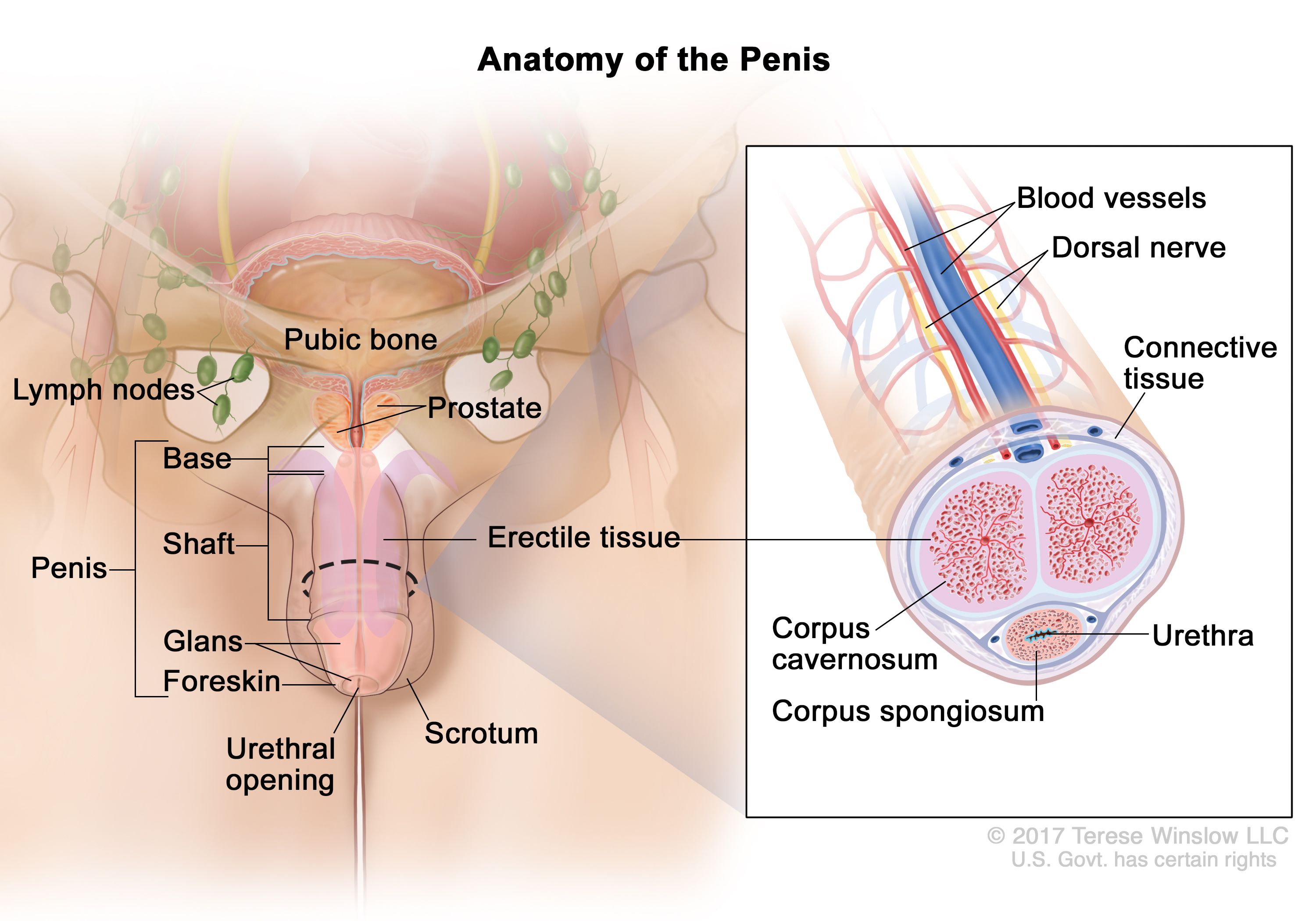
The penis consists of three main cylindrical structures: two corpora cavernosa and one corpus spongiosum. The corpora cavernosa are located along the dorsal (upper) side of the penile shaft, extending from the pubic bones to the glans penis. Each corpus cavernosum is composed of spongy erectile tissue containing numerous blood-filled spaces called lacunae. Surrounding this tissue is the tunica albuginea, a dense fibrous sheath that plays a crucial role in trapping blood within the corpora cavernosa during erection.
Histological Composition
The corpora cavernosa are composed primarily of smooth muscle cells, endothelial cells, and cavernous spaces lined with endothelium. This histological arrangement facilitates the dynamic changes in blood flow necessary for erectile function. The smooth muscle cells are pivotal in regulating vascular tone and blood flow, while the endothelial cells produce nitric oxide (NO), a key mediator in the vasodilation process.
Blood Supply and Venous Drainage
Blood is supplied to the corpora cavernosa by the deep artery of the penis, a branch of the internal pudendal artery. This arterial input is essential for initiating and sustaining erections. Venous drainage occurs through the emissary veins, which penetrate the tunica albuginea and facilitate blood outflow. However, during erection, the increased pressure within the corpora cavernosa compresses these veins against the tunica albuginea, reducing venous outflow and maintaining penile rigidity.
Physiology of Erection
Neurovascular Mechanism
Erection is a complex neurovascular process that involves coordination between the nervous system and vascular responses. Upon sexual arousal, nerve impulses from the parasympathetic nervous system trigger the release of nitric oxide (NO) within the endothelial cells of the corpora cavernosa. NO activates the enzyme guanylate cyclase, increasing levels of cyclic guanosine monophosphate (cGMP), which leads to the relaxation of smooth muscle cells in the arterial walls.
Blood Flow and Engorgement
The relaxation of smooth muscles causes dilation of the arteries supplying the corpora cavernosa, allowing increased blood flow into the erectile tissue. The cavernous spaces within the corpora fill with blood, leading to penile engorgement and rigidity. As the corpora cavernosa expand, the tunica albuginea stretches, further accommodating the increased blood volume while preventing excessive outflow.
Veno-Occlusive Mechanism
Simultaneously, the engorgement of the corpora cavernosa exerts pressure on the emissary veins, compressing them against the tunica albuginea. This veno-occlusive mechanism significantly reduces blood outflow from the penis, sustaining the erection. The balance between arterial inflow and venous outflow is crucial for maintaining penile rigidity during sexual activity.
Clinical Implications and Related Conditions
Erectile Dysfunction (ED)
Erectile Dysfunction is a prevalent condition characterized by the inability to achieve or maintain an erection sufficient for satisfactory sexual performance. ED can result from various factors affecting the corpora cavernosa, including:
- Vascular Issues: Atherosclerosis, hypertension, and diabetes can impair blood flow to the corpora cavernosa.
- Nervous System Disorders: Damage to the nerves responsible for initiating the erection process can lead to ED.
- Hormonal Imbalances: Low testosterone levels and other hormonal deficiencies can affect libido and erectile function.
- Psychological Factors: Stress, anxiety, and depression can interfere with sexual arousal and performance.
Treatments for ED often focus on enhancing blood flow to the corpora cavernosa, such as phosphodiesterase type 5 (PDE5) inhibitors like sildenafil (Viagra) and tadalafil (Cialis), which increase cGMP levels and promote smooth muscle relaxation.
Priapism
Priapism is a medical emergency characterized by a prolonged and often painful erection that persists beyond or is unrelated to sexual stimulation. It results from trapped blood within the corpora cavernosa, similar to the veno-occlusive mechanism but in an uncontrolled manner. Priapism can lead to tissue damage and permanent erectile dysfunction if not promptly treated. Causes include:
- Hematological Disorders: Sickle cell disease is a common cause of priapism.
- Medications: Certain drugs, including PDE5 inhibitors and antidepressants, can precipitate priapism.
- Trauma: Injury to the penile tissue or surrounding areas can disrupt normal blood flow.
Treatment typically involves draining blood from the corpora cavernosa through aspiration or injecting sympathomimetic agents to constrict blood vessels and reduce blood flow.
Peyronie's Disease
Peyronie's Disease is a condition characterized by the development of fibrous scar tissue inside the penis, leading to curved, painful erections. The fibrous plaques can affect the tunica albuginea surrounding the corpora cavernosa, disrupting normal erectile function and causing deformities during erection. The exact cause is often unknown, but it may result from repeated penile trauma or genetic predisposition.
Treatment options range from oral medications and injections to surgical interventions, depending on the severity and impact on quality of life.
Diagnostic Approaches
Physical Examination
A thorough physical examination is the first step in diagnosing conditions related to the corpora cavernosa. The physician assesses penile size, shape, and the presence of any plaques or deformities. The examination also includes evaluating the testes and prostate for any abnormalities.
Imaging Studies
Advanced imaging techniques provide detailed insights into the structure and function of the corpora cavernosa:
- PENILE DUCHESNE TEST: Utilizes ultrasound to assess blood flow within the corpora cavernosa and identify any vascular abnormalities.
- Magnetic Resonance Imaging (MRI): Offers high-resolution images of penile tissue, useful in diagnosing Peyronie's Disease and other structural issues.
- Fluoroscopy: Employed in angiography to visualize blood flow dynamics during erection.
Treatment Modalities
Pharmacological Treatments
Medications play a pivotal role in managing conditions associated with the corpora cavernosa:
- PDE5 Inhibitors: Drugs like sildenafil and tadalafil enhance erectile function by increasing cGMP levels, promoting smooth muscle relaxation and blood flow.
- Alprostadil: Administered via injection or urethral suppository, it directly induces vasodilation within the corpora cavernosa.
- Hormone Replacement Therapy: Used in cases of hormonal deficiencies affecting erectile function.
Mechanical Devices
Mechanical interventions can aid in achieving and maintaining erections:
- Vacuum Erection Devices (VEDs): Create negative pressure around the penis, drawing blood into the corpora cavernosa and inducing an erection. A constriction ring is then applied to maintain rigidity.
- Penile Implants: Surgical implantation of inflatable or malleable rods within the corpora cavernosa provides a permanent solution for erectile dysfunction when other treatments are ineffective.
Surgical Interventions
Surgical procedures address structural abnormalities and severe cases of erectile dysfunction:
- Penile Plication: Involves shortening the longer side of a curved penis to correct deformities.
- Grafting: Repairing or reconstructing damaged tunica albuginea in cases like Peyronie's Disease.
- Vascular Surgery: Aimed at correcting arterial insufficiency or venous leakage contributing to erectile dysfunction.
Preventative Measures and Lifestyle Modifications
Healthy Lifestyle Choices
Adopting a healthy lifestyle can significantly reduce the risk of conditions affecting the corpora cavernosa:
-
Regular Exercise: Promotes cardiovascular health, enhancing blood flow to the penis.
-
Balanced Diet: Nutrient-rich diets support overall health and prevent vascular diseases.
-
Smoking Cessation: Smoking adversely affects blood vessels, increasing the risk of erectile dysfunction.
-
Moderate Alcohol Consumption: Excessive alcohol can impair erectile function and overall health.
Stress Management
Chronic stress and psychological issues can impair erectile function. Engaging in stress-reducing activities such as meditation, yoga, and counseling can improve mental health and sexual performance.
Regular Health Screenings
Routine medical check-ups can help identify and manage underlying health conditions like diabetes, hypertension, and hormonal imbalances that may impact erectile function.
The Role of the Corpus Cavernosum in Sexual Health
Facilitating Sexual Intercourse
The primary function of the corpora cavernosa is to facilitate sexual intercourse by enabling penile erection. The rigid state of the penis during erection is essential for penetration and sexual pleasure. Proper functioning of the corpora cavernosa thus directly contributes to sexual satisfaction and reproductive capabilities.
Psychological and Emotional Impact
Impairments in erectile function can have significant psychological and emotional repercussions. Conditions like erectile dysfunction can lead to reduced self-esteem, anxiety, and strained relationships. Addressing issues related to the corpora cavernosa is not only vital for physical health but also for maintaining mental well-being and interpersonal connections.
Impact on Overall Health
Erectile function is often considered a barometer of overall cardiovascular health. Since the same vascular processes that facilitate erection are involved in maintaining heart health, issues with the corpora cavernosa may indicate broader health concerns. Therefore, maintaining the health of the corpora cavernosa has implications beyond sexual health, reflecting on general well-being.
Future Directions in Research and Treatment
Advancements in Pharmacotherapy
Ongoing research aims to develop more effective and targeted pharmacological treatments for erectile dysfunction and related conditions. Novel PDE5 inhibitors and combination therapies are being explored to enhance efficacy and reduce side effects.
Stem Cell Therapy and Regenerative Medicine
Stem cell therapy holds potential for regenerating damaged erectile tissue within the corpora cavernosa. By promoting tissue repair and angiogenesis, stem cell treatments could offer long-term solutions for severe erectile dysfunction and Peyronie's Disease.
Genetic and Molecular Studies
Understanding the genetic and molecular basis of erectile function and dysfunction can lead to personalized medicine approaches. Identifying genetic markers and molecular pathways involved in erectile health may enable early diagnosis and tailored treatments.
Conclusion
The corpora cavernosa are fundamental to the erectile function of the penis, playing a pivotal role in male sexual health. Understanding their anatomy, physiology, and the conditions that affect them is essential for diagnosing and treating various sexual health issues. Advances in medical research continue to enhance our knowledge and treatment options, offering hope for improved outcomes for individuals affected by related conditions. Maintaining the health of the corpora cavernosa through lifestyle choices and medical care is crucial not only for sexual well-being but also for overall health.
References
For further reading and detailed information, please refer to the following resources:
Last updated January 23, 2025