
Unlocking the Hidden Value: Are Celery Leaves Edible and Nutritious?
Beyond the stalks, discover the surprising culinary and health benefits of often-discarded celery leaves.
Key Insights into Celery Leaves
- Highly Edible and Nutritious: Celery leaves are not only safe to eat but are also packed with essential vitamins (A, C, K), minerals (calcium, iron, potassium), and antioxidants, making them a valuable addition to your diet.
- Versatile Culinary Ingredient: From fresh salads and vibrant pestos to savory soups and homemade celery salt, celery leaves offer a mild, herbaceous, and aromatic flavor that can enhance a wide range of dishes.
- Zero-Waste Kitchen Essential: Utilizing celery leaves helps reduce food waste, transforming a commonly discarded part of the vegetable into a flavorful and healthy ingredient for various culinary applications.
Often overlooked and discarded, celery leaves are indeed edible, nutritious, and incredibly versatile in the kitchen. Far from being mere waste, these leafy greens offer a unique flavor profile and a wealth of health benefits that can significantly enhance your culinary creations and overall well-being. Incorporating them into your diet is a simple yet effective way to boost nutrient intake and embrace a more sustainable, zero-waste approach to cooking.
A Deep Dive into the Nutritional Powerhouse of Celery Leaves
Celery leaves are a concentrated source of essential vitamins, minerals, and beneficial compounds, making them a highly valuable, low-calorie addition to any diet. Their nutritional composition supports various bodily functions, from bone health to immune defense.
Rich in Vital Nutrients
Celery leaves boast an impressive array of nutrients. They are particularly rich in:
- Vitamins A, C, and K: Vitamin A is crucial for healthy vision and immune function, while vitamin C acts as a powerful antioxidant, protecting cells and supporting skin health. Vitamin K is essential for blood clotting and contributes significantly to bone health.
- Calcium: A 3.5-ounce (100-gram) serving of celery leaves provides approximately 325 milligrams of calcium, a substantial portion of the daily recommended intake, vital for strong bones, nerve transmission, and muscle function.
- Iron and Potassium: These minerals contribute to overall cellular function, oxygen transport, and maintaining electrolyte balance, supporting cardiovascular health.
- Dietary Fiber: Despite being low in calories (around 35 calories per 100 grams), celery leaves provide dietary fiber, which aids digestion, promotes gut health, and contributes to a feeling of fullness.
- Antioxidants and Anti-inflammatory Compounds: Celery leaves contain beneficial compounds like beta-carotene and flavonoids such as luteolin and apigenin. These act as antioxidants, combating oxidative stress, and possess anti-inflammatory properties that may help reduce joint inflammation and support overall health.
- Healthy Fats: They also offer small amounts of healthy polyunsaturated fats, which can positively influence cholesterol levels and contribute to heart health.
Health Benefits at a Glance
The nutrient density of celery leaves translates into several tangible health benefits:
- Bone Health: The significant calcium and vitamin K content supports bone density and mineralization, important for preventing osteoporosis.
- Immune Support: Vitamins A and C contribute to a robust immune system, helping the body defend against illness.
- Digestive Wellness: Dietary fiber promotes regular bowel movements and a healthy gut microbiome.
- Antioxidant Protection: Flavonoids and beta-carotene help neutralize free radicals, potentially reducing the risk of chronic diseases.
- Inflammation Reduction: Anti-inflammatory compounds can help alleviate systemic inflammation in the body.
- Heart Health: Potassium aids in blood pressure regulation, and healthy fats contribute to cardiovascular well-being.
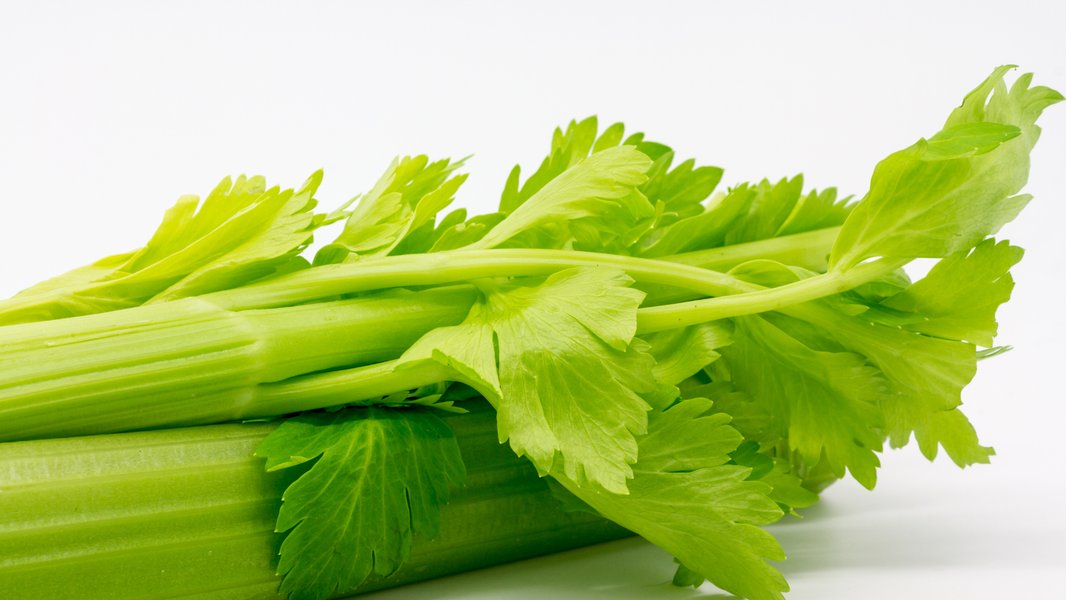
A healthy bunch of celery with prominent leaves, ready for culinary exploration.
Culinary Versatility: Transforming Celery Leaves into Delights
Beyond their nutritional value, celery leaves are prized for their mild, herbaceous, and aromatic flavor, which can vary subtly depending on their position on the stalk. The darker outer leaves tend to have a more intense, sometimes slightly bitter taste, akin to flat-leaf parsley, while the pale, tender inner leaves are generally sweeter and milder. This versatility allows them to be incorporated into a wide array of dishes.
Innovative Ways to Enjoy Celery Leaves
Here are numerous culinary applications for celery leaves, encouraging a zero-waste approach in your kitchen:
Fresh Applications for Tender Leaves
- Salads: The tender inner leaves are excellent when tossed raw into salads, adding a delicate crunch, fresh flavor, and nutritional boost. They pair well with ingredients like cheese, nuts, roasted beets, or mixed greens.
- Garnish: Finely minced or used whole, the smaller, delicate leaves make a perfect garnish for deviled eggs, soups, stews, or sandwiches, providing a pop of color and fresh flavor.
- Herb Substitute: Use them as a direct substitute for parsley or cilantro in recipes, adding a distinct celery note.

A fresh salad showcasing the use of celery leaves alongside other crisp ingredients.
Cooked & Blended Uses for Robust Flavor
- Soups, Stews, and Stocks: The tougher outer leaves are ideal for long-simmering dishes. They impart a deep, aromatic flavor to vegetable stocks, broths, and hearty soups and stews, enriching the overall taste profile. They can also be blended into pureed soups, such as a cream of celery leaves soup.
- Pesto: Celery leaves can be transformed into a vibrant pesto. Blend them with nuts, olive oil, garlic, and cheese to create a unique sauce perfect for pasta, sandwiches, pizza, or as a dip. Darker, more peppery leaves can even substitute arugula.
- Stir-fries and Beans: Add chopped celery leaves to stir-fries or bean dishes for an unexpected layer of flavor.
- Eggs and Omelets: Finely chop and add to scrambled eggs, omelets, or frittatas for a fresh, herbaceous touch.
- Smoothies and Juices: For an extra nutritional boost, blend fresh or frozen celery leaves into morning shakes or green juices.
Preserving and Seasoning
- Homemade Celery Salt: A fantastic way to utilize excess leaves and reduce waste is by making homemade celery salt. Dry the leaves (in an oven or microwave) until crisp, then grind them into a powder and mix with sea salt (a ratio of 1 part dried leaf powder to 3 parts sea salt is often recommended). This savory seasoning enhances meats, fish, vegetables, and is a classic ingredient in a Bloody Mary.
- Infused Oils/Vodka: Infuse olive oil with celery leaves for a flavorful cooking oil, or use them to infuse vodka for unique cocktails.
The radar chart above illustrates the comparative strengths of celery leaves across several key attributes. "Nutritional Value" highlights their rich vitamin and mineral content. "Flavor Intensity" is broken down for outer and inner leaves, showcasing their distinct profiles. "Culinary Versatility" emphasizes their wide range of uses, while "Ease of Storage" and "Zero-Waste Potential" underscore their practical benefits in the kitchen. The 'Typical Herb/Garnish' dataset provides a baseline for comparison, demonstrating how celery leaves often surpass common expectations for a secondary ingredient.
Selecting and Storing Celery Leaves
To maximize the flavor and nutritional benefits of celery leaves, proper selection and storage are key. Look for celery bunches with crisp, firm stalks and fresh, vibrant green leaves. Avoid any leaves that appear yellowed or wilted, as they may have a bitter taste or reduced freshness.
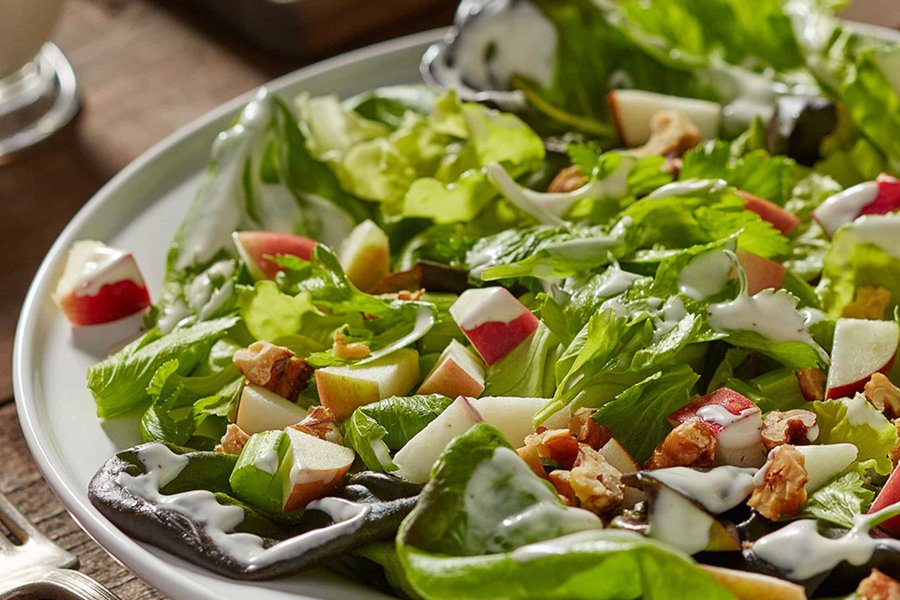
Fresh celery leaves are essential for vibrant salads and dishes.
Storage Tips for Longevity
Celery leaves, particularly the tender inner ones, are best used within a day or two of purchase for optimal freshness. However, they can be stored to extend their shelf life:
- Refrigeration: Wrap celery leaves in a slightly damp kitchen towel or paper towel and place them in an open plastic bag or an airtight container in your refrigerator's vegetable drawer. This method helps maintain moisture and freshness for a few days.
- Freezing: For longer storage, celery leaves can be frozen. Wash and pat them dry, then place them in an airtight container or freezer bag. Frozen leaves are excellent for use in smoothies, juices, soups, and stocks, though their texture may soften.
- Drying: As mentioned for celery salt, drying the leaves is an effective way to preserve them for extended periods, allowing you to use them as a seasoning whenever needed.
Considerations and Safety
Celery leaves are generally safe for consumption, whether raw or cooked. As with any produce, ensure they are thoroughly washed to remove dirt and potential pesticide residues. Individuals with known celery allergies should, of course, avoid them. Those on certain medications, particularly anticoagulants, should consult a healthcare provider, as celery contains natural compounds that could interact with some drugs, though this is primarily a concern with very high, concentrated intakes, not typical culinary use.
This mindmap visually organizes the multifaceted aspects of celery leaves, starting from the central question of their edibility. It branches out into their significant nutritional contributions, diverse culinary uses (both raw and cooked), distinct flavor profiles, and practical storage advice. A key takeaway highlighted is the benefit of reducing food waste, reinforcing the overall message that celery leaves are a valuable, rather than discardable, part of the plant.
Understanding Celery Leaves: A Practical Summary
Here's a comprehensive table summarizing the key aspects of celery leaves, from their nutritional content to their best uses and storage methods.
| Aspect | Description | Key Nutrients/Benefits | Recommended Use/Preparation |
|---|---|---|---|
| Edibility | Completely safe and edible, offering both flavor and nutrition. | Low calorie, high in vitamins and minerals. | Raw or cooked in various dishes. |
| Flavor Profile | Mild, herbaceous, aromatic; can be slightly peppery/bitter (outer) or sweeter/milder (inner). | Enhances savory dishes. | Pairs well with a wide range of ingredients. |
| Nutritional Value (per 100g) | Rich in essential vitamins and minerals. | ~35 calories, ~325mg Calcium, Vitamins A, C, K, Iron, Potassium, Fiber, Antioxidants. | Boosts nutrient content of meals. |
| Culinary Uses | Highly versatile in the kitchen. | Adds flavor, texture, and nutrients. | Salads, soups, stews, pesto, garnish, smoothies, homemade celery salt. |
| Best Practices | Utilize different parts of the leaf for different applications. | Maximizes flavor and nutrient retention. | Tender inner leaves for raw; tougher outer leaves for cooking. |
| Storage | Can be stored fresh or preserved for longer use. | Maintains quality and reduces waste. | Refrigerate (damp towel), freeze, or dry. |
| Zero-Waste Potential | Reduces food waste by utilizing a commonly discarded part of the vegetable. | Sustainable cooking practice. | Repurpose "scraps" into valuable ingredients. |
Visualizing the Culinary Journey of Celery Leaves
To further illustrate the potential of celery leaves in your kitchen, consider this video that demonstrates how they can be used effectively, fostering a zero-waste approach and enhancing your meals with their unique flavor and nutritional benefits.
This video provides practical tips on how to use celery leaves, showcasing their potential to add flavor and value to dishes. It emphasizes creative uses, encouraging viewers to incorporate this often-discarded part of the plant into their cooking, thereby embracing a more sustainable and resourceful culinary practice.
Frequently Asked Questions (FAQ)
Are all parts of the celery plant edible?
Do celery leaves taste the same as celery stalks?
Can celery leaves be eaten raw?
What is the best way to store fresh celery leaves?
Are there any health concerns with eating celery leaves?
Conclusion
In conclusion, celery leaves are not just edible but are a highly beneficial and flavorful component of the celery plant, often underestimated and discarded. They are a treasure trove of vitamins, minerals, and antioxidants, offering substantial nutritional benefits. From enhancing salads with a fresh crunch to deepening the flavor of soups and pestos, their culinary versatility is immense. By incorporating celery leaves into your cooking, you not only elevate the taste and nutritional profile of your meals but also contribute to a more sustainable, zero-waste kitchen. Embrace these vibrant greens and unlock a world of flavor and health that you might have been overlooking.
Recommended Further Exploration
- How to make homemade celery salt from leaves
- Nutritional comparison of celery leaves vs. stalks
- Creative recipes using celery leaves
- Benefits of incorporating leafy greens into daily diet