
Qualitative Research Design on ChatGPT's Impact on Academic Performance
Uncovering Experiences & Insights from Academia
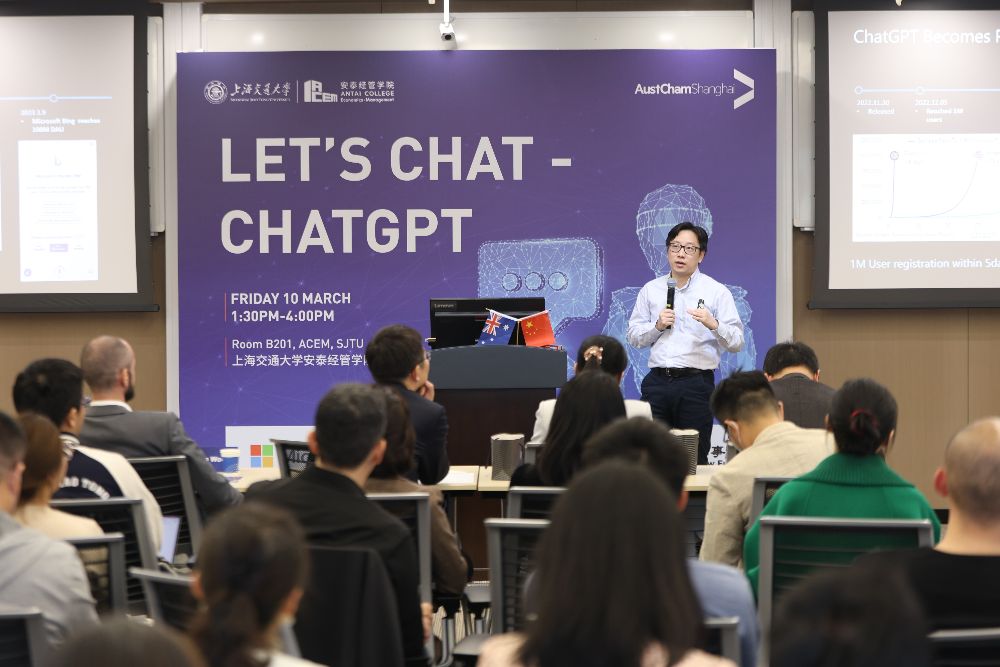
Highlights
- Comprehensive Methodology: A diverse blend of phenomenological, case study, and grounded theory approaches to delve into personal experiences.
- Data Collection Techniques: Semi-structured interviews, focus groups, and document analysis enabling in-depth exploration.
- Ethical & Analytical Rigor: Emphasis on informed consent, confidentiality, and systematic thematic analysis.
Introduction
The rise of artificial intelligence in academic settings, particularly with advanced language models such as ChatGPT, has spurred significant interest in understanding its impact on academic performance. As knowledge workers and educators integrate these tools into learning and research processes, qualitative research becomes an ideal methodology to explore subjective experiences, uncover nuanced impacts, and gain an in-depth understanding of both benefits and challenges. This document discusses a comprehensive qualitative research design that investigates how ChatGPT influences academic performance, while emphasizing the lived experiences of both students and educators.
Research Objectives and Questions
Primary and Secondary Objectives
The primary objective of this research design is to explore the qualitative impact of ChatGPT on academic performance. This includes a focus on how ChatGPT affects learning processes, research productivity, academic writing, and overall student engagement.
Primary Objectives
- To understand the lived experiences of students and educators when integrating ChatGPT into academic activities.
- To explore the potential benefits and challenges presented by ChatGPT in academic environments.
- To evaluate how AI interactions influence teaching practices and learning outcomes.
Secondary Objectives
- To examine the role of prompt engineering in optimizing the educational benefits of ChatGPT.
- To identify ethical considerations, biases, and concerns regarding academic integrity when AI tools are employed.
- To provide recommendations for effectively integrating ChatGPT into academic settings.
Key Research Questions
- How do students utilize ChatGPT in their academic tasks and learning processes?
- What are the specific benefits and challenges that students and educators encounter when using ChatGPT?
- How does the use of ChatGPT influence academic performance in both traditional and online educational environments?
- What role does prompt engineering play in enhancing the effectiveness and accuracy of ChatGPT's outputs?
- How do cultural, contextual, and ethical factors shape the perception and use of ChatGPT in academia?
Research Methodology
Qualitative Approach and Research Designs
To effectively capture the rich, contextualized data related to the impact of ChatGPT, a qualitative approach is ideal. This approach allows for the exploration of "why" and "how" questions through detailed, narrative accounts of interactions with ChatGPT. The overall research design may incorporate several key qualitative approaches:
Phenomenological Studies
Phenomenological research focuses on the lived experiences of individuals using ChatGPT, capturing the essence of their encounters. By conducting in-depth personal interviews, researchers can gain insights into how the use of ChatGPT affects learning processes, academic writing, and research productivity from the personal perspectives of both students and educators.
Case Studies
The case study design entails a focused examination of a particular educational setting where ChatGPT is embedded in academic activities. This can involve observing a specific course or department and gathering data through interviews, observations, and document reviews. The case study approach provides a detailed narrative of the implementation process, outcomes, and contextual factors influencing the technology’s impact.
Grounded Theory
Grounded theory aims to develop an emergent theory based on the data gathered directly from participants. Through systematic data collection and coding, researchers identify patterns and relationships among the impacts of ChatGPT, which then form the basis of a broader theoretical framework explaining its influence on academic performance.
Content Analysis
Content analysis is employed to systematically analyze texts such as academic articles, student assignments, online discussions, and feedback provided by ChatGPT itself. This method allows the identification of recurring themes, potentially highlighting both improvements and pitfalls in academic work when AI is involved.
Action Research and Mixed Methods
In cases where research aims to generate immediate improvements in practice, an action research model involving educators and researchers on the ground may be adopted. Mixed methods research could also be implemented, combining qualitative insights with quantitative data like usage statistics, grade analysis, or survey results to produce a more comprehensive picture of ChatGPT's impact.
Participant Selection
Sampling Strategies
Selecting the right participants is crucial for capturing the true essence of ChatGPT's influence on academic performance:
Purposive Sampling
This method entails strategically selecting participants who have direct experience with ChatGPT. It ensures that the study includes a diverse range of voices—students across different academic disciplines and educators from varied teaching backgrounds—which provides a more comprehensive understanding of the phenomenon.
Snowball Sampling
Additionally, snowball sampling leverages recommendations from initial participants to identify further cases that may provide in-depth insights. This approach is particularly useful for accessing specific groups or communities using ChatGPT extensively in their academic work.
Data Collection Methods
Interviews, Focus Groups, and Document Analysis
A variety of data collection methods will be employed to gather comprehensive qualitative data. These methods include:
Semi-structured Interviews
Interviews remain a cornerstone in qualitative research as they allow for in-depth exploration of individual experiences. Researchers should prepare a set of open-ended questions such as:
- "Can you describe a situation where ChatGPT notably influenced your academic work?"
- "What do you perceive as the primary benefits and drawbacks of using ChatGPT in your studies or teaching?"
- "How have you adapted your learning strategies in response to accessing AI-driven assistance like ChatGPT?"
These interviews should be recorded, transcribed, and later analyzed for themes related to academic performance enhancements or challenges.
Focus Group Discussions (FGDs)
Organizing focus groups allows interaction among peers, fostering robust discussion regarding shared experiences and divergent viewpoints. FGDs enable participants to interact and elaborate on points that may be overlooked in one-on-one interviews. They can provide insights into the collective impact of ChatGPT and help surface emerging trends.
Document and Content Analysis
In addition to interviews and focus groups, analyzing course materials, academic outputs, and online interactions where ChatGPT is mentioned offers valuable data. This method involves coding and categorizing texts to identify recurring themes related to academic performance, such as improvements in research quality or concerns over academic integrity.
Data Analysis Techniques
Thematic and Content Analysis
Systematic analysis of collected data is paramount to distill meaningful insights. The most common techniques include:
Thematic Analysis
Thematic analysis involves coding interview and focus group transcripts to detect emerging patterns and themes associated with the integration of ChatGPT. This process follows multiple phases, including familiarization with the data, generation of initial codes, searching for themes, reviewing, defining, and finally naming these themes. Researchers often use software tools like NVivo to ensure rigor and reliability in code development.
Content Analysis
With content analysis, qualitative researchers systematically review textual data—examining course materials, user-generated feedback, and online discussion forums. This method can reveal trends over time, illustrate how ChatGPT is embedded in academic tasks, and uncover discussions about ethical implications.
Analytical Tools and Procedures
Qualitative researchers may integrate various analytical tools to enhance their data analysis, such as:
| Tool/Technique | Purpose | Examples |
|---|---|---|
| Thematic Coding Software | Systematic identification and classification of themes | NVivo, ATLAS.ti |
| Transcription Analysis | Convert interviews and FGDs into analyzable text | Auto-transcription tools, manual coding |
| Content Analysis Tools | Analyze textual data from academic artifacts | Leximancer, manual categorization |
Ethical Considerations
Ensuring Integrity and Respect
Ethical practices are essential when conducting qualitative research. The following ethical measures should be implemented:
Informed Consent
All participants must be fully informed about the study's objectives, methodologies, and potential impacts. Researchers must obtain written informed consent before data collection, ensuring that participants understand their rights and the confidentiality measures in place.
Confidentiality and Anonymity
Protecting the privacy of participants is a key ethical responsibility. This can be achieved by assigning pseudonyms, securely storing data, and ensuring that individual responses are anonymized in all published results.
Transparency and Reflexivity
Researchers should maintain transparency about their methodologies and reflect on their biases throughout the research process. This practice is pivotal in ensuring the trustworthiness and replicability of qualitative findings.
Expected Outcomes and Applications
Implications for Academia
The research is expected to yield nuanced insights into the multifaceted influence of ChatGPT on academic performance. Key outcomes include:
- Detailed accounts of how students employ ChatGPT to augment learning, manage academic tasks, and navigate challenges such as academic integrity.
- Educators’ perspectives on integrating AI tools into classroom instruction, encompassing both the support benefits and the necessity for ongoing supervision.
- Identification of cultural and contextual variations in the use of ChatGPT, highlighting its adaptability and limitations across different educational environments.
- Recommendations focused on prompt engineering to enhance the tool’s effectiveness, ensuring that it serves as a complement to traditional educational methods.
Ultimately, the findings are intended to inform policymakers, educators, and developers about best practices for integrating AI in academic curricula, ensuring improved learning outcomes without compromising academic standards.
Limitations and Future Directions
Realistic Boundaries and Opportunities for Further Research
As with any qualitative research, certain limitations are inherent. These may include:
- Participant Bias: Voluntary participation could lead to a sample that is not fully representative of the broader academic population.
- Contextual Constraints: The impact of ChatGPT may vary significantly depending on the academic discipline or cultural setting, thus limiting the generalizability of findings.
- Subjectivity in Data Analysis: While robust analytical methods are employed, the interpretation of qualitative data inevitably involves some degree of subjectivity.
Future research directions may include longitudinal studies to assess the long-term educational impacts of ChatGPT or mixed-methods approaches that integrate qualitative insights with quantitative performance metrics. Additionally, exploring different academic contexts (online vs. traditional classrooms) and incorporating the evolving functionalities of AI in education can provide deeper insights.
References
- Perspectives on Health Sciences and ChatGPT - PubMed
- Academics' Attitudes towards ChatGPT - AJET
-
AI in Academic & Research Writing - PMC
- ChatGPT in Education: Qualitative Study - Taylor & Francis
- Impact of ChatGPT on Academic Writing Skills - SpringerOpen
Recommended Further Queries
Last updated March 19, 2025