
Background of the Study on ChatGPT and Academic Performance
Exploring the multifaceted impact of AI on student learning and outcomes
Key Highlights
- Integration and Transformation: ChatGPT is revolutionizing the educational landscape by providing personalized learning and redefining academic assistance.
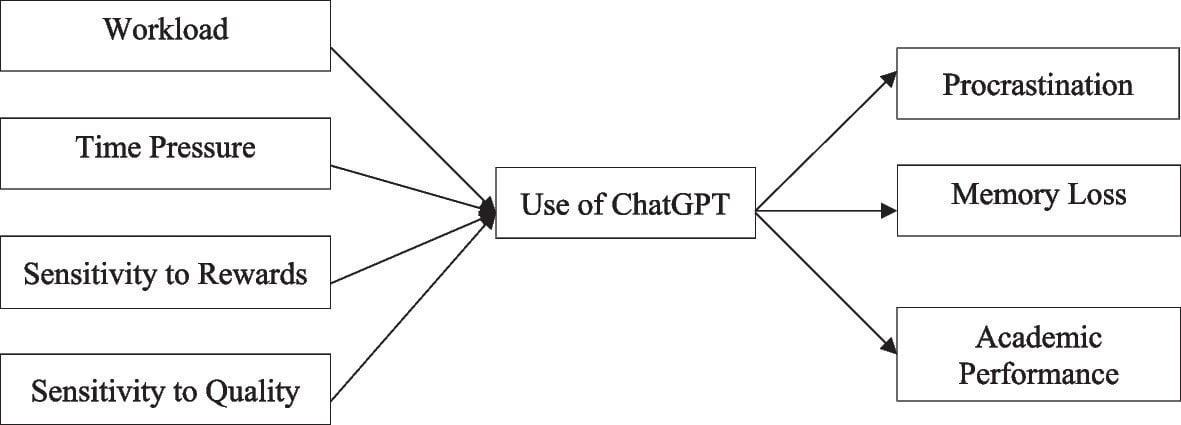
- Dual-edged Impact: Its use has been linked to both improvements in learning expediency and potential challenges such as dependency and decreased memory retention.
- Future Research Needs: The study emphasizes balancing AI benefits with ethical concerns and ensuring holistic pedagogical strategies.
Introduction
The evolution of educational methodologies has been significantly influenced by the integration of artificial intelligence, with ChatGPT standing out as a prominent tool. Developed by OpenAI, ChatGPT is a conversational AI that employs advanced natural language processing to assist in learning and academic endeavors. The incorporation of this AI model in academic settings has sparked extensive research, focusing on how it affects student performance across diverse learning environments.
Overview of ChatGPT
Origins and Capabilities
ChatGPT was introduced as a generative pre-trained transformer designed to engage in human-like dialogue. Its capabilities range from providing explanations for complex concepts to assisting with academic writing. The tool's ability to generate dynamic responses has made it a valuable resource for tackling educational challenges and offering personalized assistance.
Adoption in Education
Educational institutions are increasingly adopting ChatGPT to create tailored tutoring systems, enhance student engagement, and facilitate a deeper understanding of academic material. Its integration into classrooms has resulted in varied responses from educators and students alike, with both enthusiasm and caution characterizing its reception.
Positive Impacts on Academic Performance
Enhanced Learning and Engagement
One of the most celebrated aspects of ChatGPT’s integration into academic systems is its capability to boost learning efficacy. By delivering personalized feedback and instant responses, ChatGPT provides a mechanism for active learning that adapts to individual student needs. Many studies have demonstrated improvements in critical thinking, writing skills, and overall academic motivation.
Personalized Tutoring
ChatGPT's ability to tailor explanations and examples for different topics enables a customized learning experience. Students receive targeted feedback that helps reinforce their understanding of complex subjects. This form of adaptive learning is particularly beneficial in fields that require incremental conceptual development.
Stimulating Creativity and Critical Thinking
Beyond providing direct answers, ChatGPT encourages creative exploration and analytical thinking. Through interactive questioning and engaging dialogue, students are motivated to refine their thought processes. Such an environment fosters better problem-solving skills and an increased readiness to explore multidisciplinary connections.
Challenges and Negative Aspects
Risk of Over-reliance and Procrastination
Despite its benefits, the integration of ChatGPT into academic practices has not come without risks. One significant concern is the potential for increased procrastination, wherein students might defer genuine learning in favor of quick AI-generated answers. This dynamic can lead to superficial understanding and a latent dependency on the AI, adversely affecting long-term retention and critical engagement.
Concerns About Memory Retention and Critical Analysis
Some research suggests that heavy reliance on ChatGPT may contribute to reduced memory retention. The ease of obtaining information could impair the natural practices of memorization and deep learning. Educators worry that an overdependence on technology might inhibit students' abilities to develop robust analytical skills essential for academic success.
Ethical and Practical Considerations
The study of ChatGPT in academic contexts is also intricately tied to ethical concerns. Issues such as data privacy, potential biases in AI content generation, and the ethical implications of automating educational processes stand at the forefront of current debates. The need for transparency in the use of AI tools like ChatGPT is crucial, ensuring that ethical guidelines keep pace with technological advancement.
Research Findings and Empirical Evidence
Summary of Empirical Studies
Multiple studies have explored the dual impact of ChatGPT on academic performance. Research indicates that while some students benefit from enhanced learning experiences through AI-driven instruction, others experience a deterioration in traditional academic metrics. For example, studies have noted improvements in academic writing and prompt feedback mechanisms, whereas other studies highlight an increase in procrastination and diminished long-term retention.
Statistical Insights
Research conducted across varied educational contexts shows a nuanced picture. The following table summarizes key findings from several studies:
| Study | Positive Impact | Negative Impact | Key Findings |
|---|---|---|---|
| Study A | Enhanced Writing Skills | Increased Procrastination | Personalized feedback and improved engagement |
| Study B | Improved Critical Thinking | Memory Retention Issues | Encourages analytical discussions yet may hinder long-term learning |
| Study C | Increased Student Motivation | Academic Performance Decline | Usage correlated with either heightened interest or academic dependency |
| Study D | Adaptive Learning Benefits | Ethical Concerns | Raises questions about data privacy and bias |
These studies collectively underscore that while ChatGPT provides innovative educational support, its effectiveness is significantly influenced by the context of its use and by the student’s approach to integrating AI assistance into learning practices.
Future Directions and Educational Implications
Balancing AI Assistance with Traditional Methods
The future of ChatGPT in academic performance hinges on integrating AI tools with conventional educational methodologies. By blending the rapid, personalized support of AI with the depth and rigor of traditional teaching methods, educators aim to create a more balanced and effective learning environment. Innovative pedagogical frameworks are being developed that incorporate AI as a supplemental tool rather than a primary source of knowledge.
Strengthening Ethical Frameworks
Ethical utilization of ChatGPT remains a vital consideration. Moving forward, educational institutions must implement robust policies that address privacy concerns and mitigate potential biases in AI-driven responses. Guidelines for appropriate usage should ensure that AI augments rather than replaces critical thinking and learning.
Enhancing Research and Feedback Mechanisms
Ongoing empirical studies need to focus on longitudinal impacts of ChatGPT usage. Researchers are investigating not only immediate academic benefits but also the long-term effects on skills such as memory, analytical capabilities, and the development of independent learning strategies. Enhanced feedback mechanisms that integrate qualitative and quantitative analysis will further clarify the role of AI in academic settings.
Empirical Data and Study References
The following references offer in-depth insights into the current state of research regarding ChatGPT and academic performance:
- ChatGPT Impact on Education - Frontiers in Education
- Academic Performance and ChatGPT - ResearchGate
- Link Between ChatGPT and Performance - PsyPost
-
Study on ChatGPT in Education - ScienceDirect
-
Drivers and Consequences of ChatGPT - PubMed Central
Recommended Further Inquiries
Last updated March 17, 2025