
Chengdu's Xiyu River: A Comprehensive Overview
Exploring the Historical, Cultural, and Urban Significance of Chengdu’s Xiyu River
Key Takeaways
- Historical Significance: The Xiyu River serves as the cradle of Chengdu's 2,300-year-old urban heritage, embodying the city's rich cultural legacy.
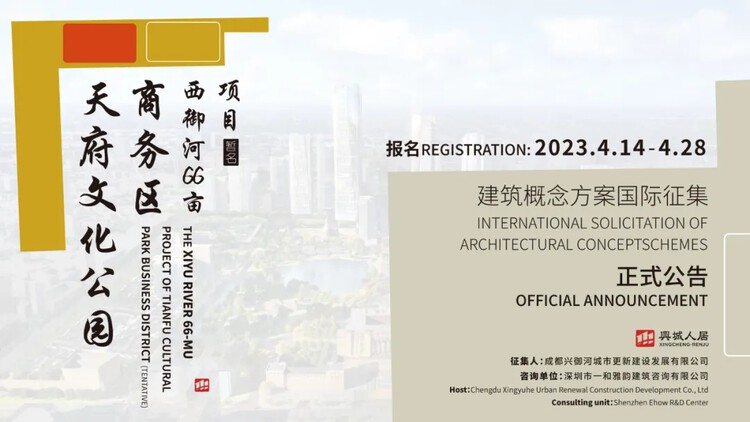
- Urban Development: Central to the ambitious Xiyu River 66-MU Project, which is pivotal for the revitalization of the Tianfu Cultural Park Business District.
- Cultural and Environmental Integration: The project harmoniously blends modern architectural innovations with the preservation of cultural heritage and ecological sustainability.
Introduction
Chengdu, the capital of Sichuan Province in China, is renowned for its historical depth, cultural richness, and dynamic urban development. Among its numerous geographical features, the Xiyu River stands out as a symbol of the city's enduring legacy and future aspirations. This comprehensive overview delves into the multifaceted significance of the Xiyu River, encompassing its historical roots, contemporary urban projects, architectural importance, and environmental considerations.
Historical Significance of Xiyu River
Origins and Cultural Heritage
The Xiyu River is intrinsically linked to Chengdu's urban narrative, serving as the cornerstone of the city's 2,300-year-old construction history. Situated at the heart of Chengdu, the river area is considered the birthplace of the city's ancient settlements, where early inhabitants established thriving communities influenced by the abundant water resources. This strategic location not only facilitated agricultural prosperity through irrigation but also enabled the development of intricate canal systems that were vital for transportation and trade.
Over the centuries, the Xiyu River has been more than a mere waterway; it has been a conduit for cultural exchange and architectural evolution. The riverbanks have witnessed the ebb and flow of dynasties, each leaving an indelible mark on the city's cultural landscape. Traditional Chinese architecture, with its emphasis on harmony with nature, found a natural expression along the river, where pagodas, temples, and gardens coexisted with the flowing waters.
Role in Chengdu’s Urban Development
Historically, the Xiyu River has been pivotal in shaping Chengdu's urban framework. Its strategic position at the intersection of the city's east-west and north-south axes made it a focal point for urban planning initiatives. The river facilitated the establishment of key infrastructural elements, including bridges, markets, and residential complexes, all of which contributed to Chengdu's reputation as a hub of commerce and culture.
Urban Development Projects
Xiyu River 66-MU Project
The Xiyu River 66-MU Project is a landmark urban development initiative aimed at revitalizing the Tianfu Cultural Park Business District. Spanning approximately 44,000 square meters, the project seeks to transform the river area into a vibrant nexus of business, culture, and recreation. The "MU" in the project name refers to the traditional Chinese unit of area, emphasizing the integration of cultural metrics into modern urban planning.
The project emphasizes the fusion of contemporary architectural designs with the historical and cultural essence of the Xiyu River region. International architects have been invited to contribute innovative concepts that enhance the area's aesthetic appeal while respecting its historical context. The initiative aims to create a balanced environment where modernity coexists with tradition, fostering a space that attracts both local residents and international visitors.
Tianfu Cultural Park Business District
Adjacent to the Xiyu River, the Tianfu Cultural Park Business District represents Chengdu's commitment to creating a harmonious blend of business and cultural spaces. This district is envisioned as a sustainable urban area that integrates green spaces, commercial hubs, and cultural institutions. The proximity to the Xiyu River ensures that the natural landscape plays a central role in the district's design, promoting ecological balance and enhancing the quality of life for its inhabitants.
The business district is strategically positioned to leverage the Xiyu River's historical significance, transforming it into a modern-day symbol of Chengdu's growth and innovation. By incorporating state-of-the-art infrastructure and environmentally friendly technologies, the district aims to set a benchmark for future urban development projects in the region.
Architectural Significance
The architectural landscape surrounding the Xiyu River is a testament to Chengdu's ability to blend historical preservation with modern innovation. The ongoing development projects in the area prioritize designs that reflect the cultural heritage of the river while introducing contemporary elements that cater to the needs of a growing urban population.
International attention has been drawn to the Xiyu River 66-MU Project, with architects from around the world contributing to the design discourse. The emphasis is on creating structures that not only serve functional purposes but also act as cultural landmarks that resonate with both locals and tourists. The architectural concepts focus on sustainability, aesthetic appeal, and cultural relevance, ensuring that the development enhances the river's natural beauty without compromising its historical integrity.
One of the standout features of the architectural plans includes the integration of green roofs, vertical gardens, and water management systems that complement the river's ecological dynamics. These elements are designed to create a symbiotic relationship between built environments and natural ecosystems, promoting environmental sustainability and enhancing urban resilience.
Environmental and Ecological Efforts
Chengdu has long prioritized environmental conservation and sustainable urban development. The Xiyu River projects are a continuation of this commitment, focusing on integrating ecological principles into urban planning. The initiatives surrounding the Xiyu River emphasize water conservation, pollution control, and the creation of green spaces that foster biodiversity.
Modern strategies implemented in the Xiyu River area include the development of wetlands, advanced sewage treatment facilities, and the construction of greenways. These efforts aim to enhance the river's ecological health, making it not only a cultural and historical asset but also a thriving natural habitat. The projects also incorporate smart water management systems that monitor and regulate water quality, ensuring the sustainability of the river ecosystem for future generations.
The integration of green spaces within the urban framework promotes environmental sustainability while providing recreational areas for residents and visitors. Parks, walking trails, and recreational facilities are strategically placed along the riverbanks, encouraging outdoor activities and fostering a sense of community. These green initiatives contribute to Chengdu's reputation as a city that values both its natural environment and its urban development.
Integration with Chengdu's River Systems
While the Xiyu River holds a prominent place in recent development projects, it is part of a broader network of rivers that define Chengdu's landscape. Chengdu is traversed by several significant rivers, including the Jin River, Fu River, Nan River, Min River, Tuo River, and Sha River. These waterways have historically been instrumental in shaping the city's agricultural prosperity, transportation networks, and urban expansion.
The Jin River system, which includes the Fu River and Nan River, has been the lifeblood of Chengdu, providing essential irrigation that supports the region's fertile lands. The convergence of these rivers at He Jiang Ting (合江亭) has been a strategic point for trade and cultural exchange, facilitating the movement of goods and people throughout Chengdu and beyond.
The Xiyu River development projects are designed to complement and enhance the existing river systems. By focusing on ecological integration and sustainable urban planning, the projects aim to create a cohesive network of waterways that support both the environmental and socio-economic needs of Chengdu. This holistic approach ensures that the development of the Xiyu River region aligns with the city's broader goals of sustainable growth and environmental stewardship.
Environmental Strategies and Sustainable Practices
The restoration and development of the Xiyu River area are underpinned by comprehensive environmental strategies aimed at ensuring long-term sustainability. These strategies encompass a range of initiatives, from water quality management to the preservation of native flora and fauna.
Water Conservation and Management
Effective water conservation is pivotal for maintaining the ecological balance of the Xiyu River. Advanced water management systems have been implemented to monitor water usage, reduce wastage, and prevent pollution. These systems include smart sensors that track water quality parameters in real-time, enabling swift responses to any potential environmental threats.
Rainwater harvesting and wastewater recycling are integral components of the water conservation strategy. These methods not only reduce the strain on natural water resources but also promote the reuse of water in various urban applications, thereby enhancing the overall efficiency of water usage in the Xiyu River region.
Pollution Control and Waste Management
Pollution control is a critical focus area in the development of the Xiyu River. Comprehensive waste management systems have been established to minimize industrial and residential pollution. These systems include advanced sewage treatment facilities that ensure wastewater is treated to high standards before being released back into the river ecosystem.
Additionally, initiatives to reduce plastic waste and other non-biodegradable materials are being actively promoted. Public awareness campaigns and strict regulations on waste disposal are in place to foster a culture of environmental responsibility among residents and businesses alike.
Biodiversity Preservation
Preserving biodiversity is a cornerstone of the Xiyu River development plan. Efforts are being made to restore natural habitats and support native species that contribute to the ecological richness of the area. The creation of green corridors and protected zones along the riverbanks ensures that wildlife can thrive in a balanced and harmonious environment.
Planting indigenous vegetation and establishing wildlife sanctuaries are part of the broader strategy to enhance biodiversity. These measures not only support ecological health but also provide aesthetic and recreational benefits, enriching the lives of Chengdu's residents and visitors.
Economic and Social Impact
The development of the Xiyu River is expected to have significant economic and social impacts on Chengdu. By transforming the river area into a cultural and business hub, the project aims to stimulate economic growth, create job opportunities, and enhance the overall quality of life in the region.
Economic Growth and Business Opportunities
The Xiyu River 66-MU Project is poised to attract a diverse range of businesses, from multinational corporations to local enterprises. The establishment of the Tianfu Cultural Park Business District creates a conducive environment for business operations, fostering innovation and entrepreneurship.
Retail spaces, office buildings, and commercial centers are being developed to accommodate the growing demand for business infrastructure. The influx of businesses is expected to generate substantial economic activity, contributing to Chengdu's status as a major economic hub in the region.
Job Creation and Skill Development
The urban development initiatives along the Xiyu River are set to create numerous employment opportunities across various sectors, including construction, tourism, retail, and hospitality. The demand for skilled labor in these areas will spur job creation, providing livelihoods for thousands of residents.
Additionally, the focus on sustainable and eco-friendly practices in the development projects necessitates specialized skills in environmental management, green architecture, and sustainable urban planning. Training programs and educational initiatives are being implemented to equip the local workforce with the necessary expertise, fostering a culture of sustainability and innovation.
Enhanced Quality of Life and Community Development
The transformation of the Xiyu River area is geared towards enhancing the quality of life for Chengdu's residents. The integration of green spaces, recreational facilities, and cultural institutions provides ample opportunities for leisure, social interaction, and community engagement.
Public amenities such as parks, museums, and community centers are being developed to serve the needs of a diverse population. These facilities promote social cohesion and cultural enrichment, fostering a sense of community pride and belonging among residents.
Technological Innovations in Development
Technological advancements play a crucial role in the development of the Xiyu River area, ensuring that the projects are not only aesthetically pleasing but also functionally efficient and sustainable.
Smart Urban Planning
Smart urban planning technologies are being employed to optimize the layout and functionality of the Xiyu River development projects. Geographic Information Systems (GIS) and Building Information Modeling (BIM) are used to create detailed maps and models that facilitate efficient project management and design optimization.
These technologies enable planners and architects to simulate various scenarios, assess potential impacts, and make data-driven decisions that enhance the overall effectiveness and sustainability of the urban development initiatives.
Sustainable Energy Solutions
Incorporating sustainable energy solutions is a key focus in the Xiyu River projects. The use of solar panels, wind turbines, and energy-efficient lighting systems reduces the carbon footprint of the development while ensuring reliable energy supply.
Additionally, the integration of smart grids and energy storage systems enhances the resilience and adaptability of the energy infrastructure, supporting the long-term sustainability goals of the project.
Advanced Transportation Systems
Efficient transportation systems are integral to the success of the Xiyu River development. The introduction of intelligent transportation systems (ITS), including real-time traffic monitoring, autonomous vehicles, and smart public transit solutions, improves mobility and reduces congestion in the area.
Bike-sharing programs, pedestrian-friendly pathways, and electric vehicle charging stations promote sustainable modes of transportation, aligning with the project's environmental objectives and enhancing accessibility for residents and visitors.
Cultural Enrichment and Community Engagement
The Xiyu River development projects emphasize cultural enrichment and community engagement, ensuring that the transformation of the area reflects the values and aspirations of Chengdu's diverse population.
Cultural Institutions and Landmarks
The establishment of cultural institutions such as museums, galleries, and performance venues along the Xiyu River fosters the preservation and celebration of Chengdu's rich cultural heritage. These institutions serve as hubs for artistic expression, historical education, and cultural exchange, attracting both local and international audiences.
New landmarks and public art installations are being integrated into the urban landscape, creating visually striking features that enhance the aesthetic appeal of the river area. These cultural landmarks not only beautify the environment but also contribute to the city's identity and global cultural presence.
Community Events and Activities
Regular community events and activities are being organized to engage residents and foster a strong sense of community. Events such as festivals, outdoor concerts, art exhibitions, and sports competitions take advantage of the open spaces along the Xiyu River, providing opportunities for social interaction and community bonding.
These activities promote inclusivity and ensure that the development projects cater to the interests and needs of a wide demographic, reinforcing the social fabric of Chengdu and enhancing the overall livability of the city.
Educational Programs and Workshops
Educational programs and workshops are integral to the community engagement efforts in the Xiyu River area. These initiatives aim to educate residents about sustainable practices, cultural heritage, and the importance of environmental conservation.
Workshops on topics such as green architecture, water conservation, and cultural preservation empower individuals with the knowledge and skills needed to contribute to the ongoing development and sustainability of the region. Educational partnerships with local schools, universities, and organizations further reinforce the commitment to fostering an informed and engaged community.
Technological Integration and Smart Solutions
To ensure the Xiyu River development is forward-thinking and resilient, advanced technologies and smart solutions are being integrated into the planning and execution stages of the projects.
Smart Infrastructure
The incorporation of smart infrastructure is essential for the efficient management and operation of the Xiyu River projects. Intelligent lighting systems, sensor-based monitoring, and automated maintenance systems enhance the functionality and safety of public spaces.
Smart infrastructure also includes the deployment of Internet of Things (IoT) devices that collect and analyze data related to environmental conditions, traffic flow, and energy usage. This data-driven approach facilitates proactive management and continuous improvement of the urban environment.
Digital Connectivity
Ensuring robust digital connectivity is a priority in the Xiyu River development. High-speed internet access, free Wi-Fi zones, and digital information kiosks are being implemented to enhance accessibility and connectivity for residents and visitors alike.
Digital platforms and mobile applications provide real-time information on events, transportation schedules, and environmental conditions, empowering users with the tools they need to navigate and engage with the urban landscape seamlessly.
Renewable Energy Integration
The integration of renewable energy sources is a critical component of the Xiyu River projects. Solar panels strategically placed on buildings and along public spaces harness solar energy to power lighting, signage, and other infrastructural elements.
Wind turbines and other renewable energy technologies further contribute to reducing the carbon footprint of the development, aligning with global sustainability goals and enhancing the environmental stewardship of Chengdu.
Challenges and Solutions
Undertaking large-scale urban development projects along the Xiyu River presents a range of challenges, from environmental concerns to logistical complexities. Addressing these challenges requires a multifaceted approach that balances growth with sustainability and community needs.
Environmental Impact Management
One of the primary challenges is mitigating the environmental impact of extensive construction and urbanization. To address this, comprehensive environmental impact assessments are conducted before project initiation. These assessments identify potential risks and outline strategies to minimize adverse effects on the river ecosystem.
Implementing green construction practices, such as using eco-friendly materials and reducing waste, further helps in minimizing the environmental footprint. Additionally, continuous monitoring of environmental parameters ensures that any unforeseen impacts are promptly addressed.
Sustainable Funding and Resource Allocation
Securing sustainable funding and efficiently allocating resources are critical for the successful execution of the Xiyu River projects. Public-private partnerships and investments from both local and international stakeholders provide the necessary financial support.
Transparent financial planning and accountability measures ensure that funds are utilized effectively, prioritizing projects that offer the greatest benefits to the community and the environment.
Community Involvement and Acceptance
Ensuring community involvement and acceptance is essential for the long-term success of the development projects. Engaging with local residents through consultations, surveys, and participatory planning initiatives fosters a sense of ownership and ensures that the projects reflect the community's needs and aspirations.
Addressing concerns related to displacement, changes in the local landscape, and the preservation of cultural heritage is crucial for building trust and securing community support.
Future Prospects and Impact
The future prospects of the Xiyu River development projects are promising, with the potential to significantly transform Chengdu's urban landscape and cultural identity. The successful integration of historical preservation, modern architecture, and sustainable practices sets a benchmark for future urban development initiatives in the region.
Long-Term Economic Growth
The economic impact of the Xiyu River projects is expected to be substantial, driving sustained growth through the attraction of businesses, tourists, and investors. The development of the Tianfu Cultural Park Business District will create a vibrant economic hub, fostering innovation and entrepreneurship.
As the area becomes a focal point for commerce and culture, it will attract a diverse range of industries, further contributing to Chengdu's status as a major economic center in southwestern China.
Cultural Renaissance and Global Recognition
The emphasis on cultural enrichment and preservation during the Xiyu River development is poised to spark a cultural renaissance in Chengdu. By celebrating and showcasing the city's rich heritage, the projects enhance cultural pride and foster a deeper connection between residents and their history.
International recognition of the Xiyu River projects through architectural innovation and sustainable practices will elevate Chengdu's global profile, attracting tourists, investors, and cultural enthusiasts from around the world.
Enhanced Quality of Life and Sustainability
The transformation of the Xiyu River area will significantly enhance the quality of life for Chengdu's residents. The creation of green spaces, recreational facilities, and cultural institutions provides numerous opportunities for leisure, social interaction, and personal growth.
Emphasizing sustainability ensures that the development is resilient and adaptable to future challenges, promoting long-term environmental health and socio-economic stability.
Conclusion
The Xiyu River in Chengdu represents a harmonious blend of historical reverence, cultural celebration, and forward-thinking urban development. The Xiyu River 66-MU Project and the Tianfu Cultural Park Business District are emblematic of Chengdu's commitment to sustainable growth, environmental stewardship, and the preservation of its rich cultural heritage.
By integrating modern architectural designs with traditional elements, prioritizing ecological sustainability, and fostering community engagement, the Xiyu River projects set a precedent for future urban developments. These initiatives not only enhance the aesthetic and functional aspects of Chengdu's urban landscape but also contribute to the city's economic vitality and cultural vibrancy.
As Chengdu continues to evolve, the Xiyu River stands as a testament to the city's ability to honor its past while embracing the future, creating a dynamic and resilient urban environment that meets the needs of its residents and preserves its legacy for generations to come.
References
Last updated January 22, 2025