
Best Practices for Learning Chess
Unlocking your chess potential with proven strategies
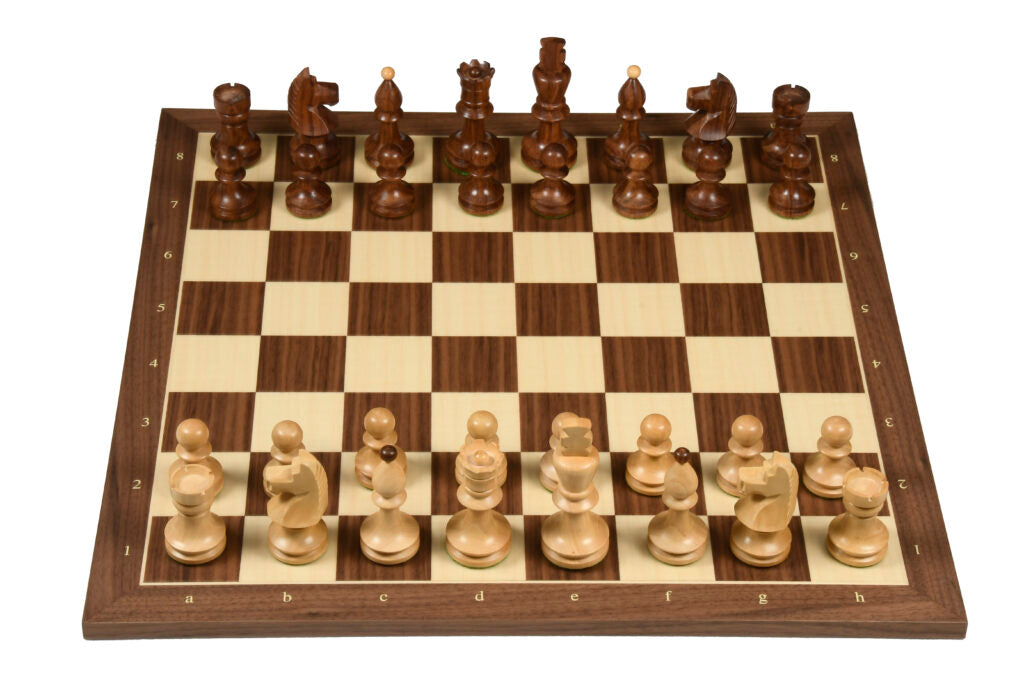
Key Highlights
- Master the Fundamentals: Understand the rules, piece movements, and basic game structure.
- Practice Regularly: Engage in consistent play, review your games, and incorporate tactical exercises.
- Study Strategic Concepts: Focus on openings, middlegame plans, and endgame techniques for a comprehensive improvement.
An In-Depth Guide to Learning Chess
1. Understanding the Basics
The cornerstone of any chess learning journey is a thorough understanding of the game’s fundamentals. Beginners should ensure that they are comfortable with all the chess pieces' movements and can recall essential rules such as castling, en passant, and pawn promotion. Clear understanding of these rules is vital before advancing to more complex strategies.
Key Concepts to Focus On
- Piece Movements: Each piece (pawn, knight, bishop, rook, queen, king) has unique movement rules that can change depending on the game situation.
- Game Rules: Beyond movement, understanding how check and checkmate work is crucial for developing a strategic approach.
- Basic Terminology: Familiarize yourself with common chess terms to navigate books, tutorials, and online resources effectively.
Many online resources such as Lichess Learn and Chess.com offer interactive lessons that can help solidify these fundamentals.
2. The Importance of Regular and Varied Practice
Consistent practice is the engine driving improvement in chess. Whether you are a beginner or a more experienced player, frequent play provides practical insights into game dynamics and helps build intuition for successful tactics and strategies.
Strategies to Enhance Practice Sessions
- Online Play: Platforms like Lichess and Chess.com offer opportunities to play with opponents of similar or higher skill levels, which challenges you to adapt and learn new approaches.
- Over-the-Board Play: Local chess clubs or meetups help introduce psychological elements into the game and offer a more diverse array of playing styles.
- Game Review and Analysis: After each game, spend time revisiting your moves. Analyzing your choices can help pinpoint mistakes and provide deeper insights into your decision-making process. Tools like chess engine analysis are beneficial in understanding what might have gone wrong and how to improve.
- Playing Different Time Controls: Experiment with various time formats, from rapid and blitz to classical chess, to gain a balanced and comprehensive set of skills.
The act of playing regularly not only reinforces what you've learned but also aids in pattern recognition—a key skill in chess that evolves from constant engagement with the game.
3. Training Through Tactical Puzzles
Tactics are the heartbeat of chess improvement. By engaging with tactical puzzles, you improve your ability to recognize opportunities for advantageous moves quickly. These puzzles serve as excellent exercises to sharpen your calculation and visualization skills.
Effective Tactics Training
- Interactive Tactics Sites: Websites dedicated to chess tactics, such as Lichess Tactics or dedicated puzzles on Chess.com, present problems that range in difficulty to match your level.
- Tactical Themes: Focus on themes such as forks, pins, skewers, and discovered attacks. Familiarity with these recurring motifs enables you to spot creative tactical solutions during your games.
- Timed Puzzle Challenges: Engage in timed puzzles which simulate the pressure of in-game decision-making, further refining your speed and precision.
Regular engagement with tactical puzzles builds a strong tactical foundation that is essential for both attacking and defending positions.
4. Studying Chess Strategy
In addition to tactics, understanding broader strategic concepts is crucial for long-term improvement. The study of strategy covers several aspects, including opening preparation, middle-game planning, and endgame techniques.
Components of Strategic Study
- Openings: While it is not necessary to memorize long opening lines as a beginner, learning fundamental principles such as controlling the center, piece development, and king safety sets a good foundation. Resources like Chessable Tips for Beginners provide practical guidance.
- Middlegame: This phase offers rich opportunities for planning and tactics. Study famous games, particularly those where master-level players illustrate key middlegame concepts. Books like "Logical Chess: Move by Move" illustrate clear thought processes behind each move.
- Endgames: Often overlooked, a strong understanding of endgames can be the difference between a win and a draw. Investigate endgame studies and practice simple techniques like king and pawn positions, rook endings, and basic mating patterns. Endgame databases on websites such as Lichess offer plentiful resources.
- Patterns and Positional Play: Improving your recognition of common patterns can significantly boost your overall gameplay. This comes from repeated study and game analysis, where you note recurring themes and strategic plans.
Combining these elements allows for a more rounded view of the game. Studying strategy is often best supported by practical applications—reviewing grandmaster games and practicing with online courses or instructional videos from reputable channels.
5. Reviewing and Analyzing Your Own Games
Self-analysis is a critical step in the chess learning process. After every game, whether a win or a loss, take time to go over your moves. Determine key decision points and ask yourself what alternative strategies you might have tried.
Tools for Analysis
- Chess Engines: Tools available on platforms like Chess.com and Lichess can offer insights into what moves were optimal and which mistakes had critical impacts. These engines often provide numerical evaluations that can be instructive.
- Annotated Game Reviews: Studying annotated games of grandmasters can help you understand how professional players analyze critical positions. Books and online articles frequently dive deep into specific moments in well-known games.
- Peer Feedback: Sharing your games with fellow enthusiasts, especially within a chess club or online community, can yield alternative perspectives that you might not have considered.
Incorporating thorough post-game analysis into your routine creates a feedback loop that drives continuous improvement.
6. Leveraging Structured Learning and Community Resources
A substantial part of mastering chess involves learning in a structured environment backed by a vibrant community. This environment can provide inspiration, support, and diverse viewpoints, all of which are invaluable for growth.
How to Engage with the Community
- Online Communities: Engage with forums like the Reddit Chess Community where players discuss strategies, share game analyses, and post puzzles.
- Local Chess Clubs: Participating in local events not only provides access to stronger players but also encourages in-person learning. Regular club participation often leads to opportunities for coaching and mentorship.
- Coaching: For more personalized guidance, consider hiring a chess coach who can tailor lessons to your specific needs. Coaches often provide structured improvement plans and in-depth analysis during face-to-face sessions or via online lessons.
- Online Courses: Platforms such as Chessable or specialized Lichess studies offer systematic courses that gradually increase in complexity and offer interactive challenges and assessments.
Not only does this community-driven approach accelerate learning, but it also introduces you to a variety of styles and strategies that enrich your overall understanding of the game.
7. Creating a Personalized Learning Routine
Every chess player is unique, and thus adapting the learning process to suit your individual pace and style is essential. A personalized routine ensures that you are both challenged and encouraged as you progress.
Elements of an Effective Routine
- Balanced Schedule: Allocate time for different aspects of learning—practicing tactics, studying strategy, and reviewing games. A balanced approach prevents burnout while ensuring steady improvement in all areas.
- Setting Goals: Define clear, measurable objectives for both short-term improvement and long-term aspirations. Gradually increasing the complexity of study materials and practice sessions is a great way to gauge progress.
- Tracking Progress: Keeping a chess journal where you note insights, recurring mistakes, and breakthroughs can help in recognizing areas that require more focus. Periodic review of your journal provides motivation and perspective over your journey.
- Adapting to Skill Level: As you advance, adjusting your routine to incorporate higher-level challenges such as complex tactical puzzles or in-depth endgame studies ensures continued growth.
Tailoring your chess study plan to your personal needs not only makes learning more enjoyable but also accelerates your progress by concentrating on your particular weak zones.
Comprehensive Resource Table
| Aspect | Key Actions | Recommended Resources |
|---|---|---|
| Fundamentals | Learn piece movement, rules, notation, and terminology | Lichess Learn, Chess.com |
| Practice | Play regularly online and in-person, vary timings, and post-game analysis | Lichess, Chess.com |
| Tactics Training | Complete puzzles, identify tactical motifs, engage with themed challenges | Lichess Tactics, Chess.com Puzzles |
| Strategy | Study openings, midgame planning, endgame strategies, and game patterns | Chessable Tips, Books like "Logical Chess: Move by Move" |
| Analysis | Review your games, use chess engines for correction, receive feedback | Chess.com Analysis Tips |
| Community Engagement | Join clubs, participate in forums, or work with coaches | Reddit Chess, Local clubs and online chess forums |
References
- Lichess Learn - Lichess
- Chess.com Learn - Chess.com
- Chessable Beginner Tips - Chessable
- Chess.com Improvement Tips - Chess.com
- Reddit Chess Community - Reddit
Recommended Queries for Further Exploration
Last updated March 16, 2025