
Unlocking the Mystery: Which Chinese Car Shifts Gears with Numbered Buttons (1-6, R, N)?
Exploring the innovative, button-operated gear selection systems emerging from China's automotive landscape.
You're asking about a specific type of gear selector found in some Chinese cars – one that replaces the traditional lever or dial with distinct buttons for each forward gear (1, 2, 3, 4, 5, 6), plus Reverse (R) and Neutral (N). While push-button systems for selecting modes like Park (P), Reverse (R), Neutral (N), and Drive (D) are becoming increasingly common globally, finding a production vehicle with individual numbered gear buttons is less frequent.
Let's delve into this intriguing interface, explore potential candidates, and review the concept.
Highlights
- Shift-by-Wire Technology: Modern electronic gear selectors, including button-based systems, rely on "shift-by-wire" technology, replacing mechanical linkages with electronic signals for greater design flexibility.
- Focus on Modes (P/R/N/D): Most current button or dial shifters in Chinese and other modern cars focus on selecting driving modes (Park, Reverse, Neutral, Drive, Low) rather than individual numbered gears.
- Potential Candidate - IM L7: While definitive confirmation is scarce, the IM L7, an electric sedan from SAIC Motor's IM brand, is noted for its advanced touch-capacitive interfaces and is suggested as a *potential* vehicle that *might* employ such a numbered button system for gear selection, although this specific layout (1-6, R, N) isn't widely documented for it.
The Evolution Away from the Lever: Understanding Electronic Shifters
Why Buttons and Dials are Taking Over
Traditional gear levers have been a staple in cars for decades. However, the automotive industry, particularly in technologically forward markets like China, is rapidly embracing electronic gear selection systems. This shift is driven by several factors:
- Interior Design Freedom: Removing the bulky mechanical linkage of a traditional shifter frees up valuable space on the center console. Designers can create cleaner, more minimalist interiors with extra storage or room for other controls and features.
- Shift-by-Wire (SBW) Technology: This is the core enabler. Instead of a physical connection moving parts in the transmission, SBW systems use electronic signals. Pressing a button or turning a dial sends a command to a control unit, which then instructs the transmission to shift. This allows shifters to be placed almost anywhere and take various forms (buttons, dials, stalks, touchscreens).
- Modern Aesthetics: Button and dial shifters contribute to a high-tech, futuristic feel inside the cabin, aligning with the digital dashboards and large infotainment screens common in new vehicles, especially EVs.
- Integration Potential: Electronic systems can be integrated with other vehicle functions, such as drive modes, parking brakes, or advanced driver-assistance systems (ADAS).
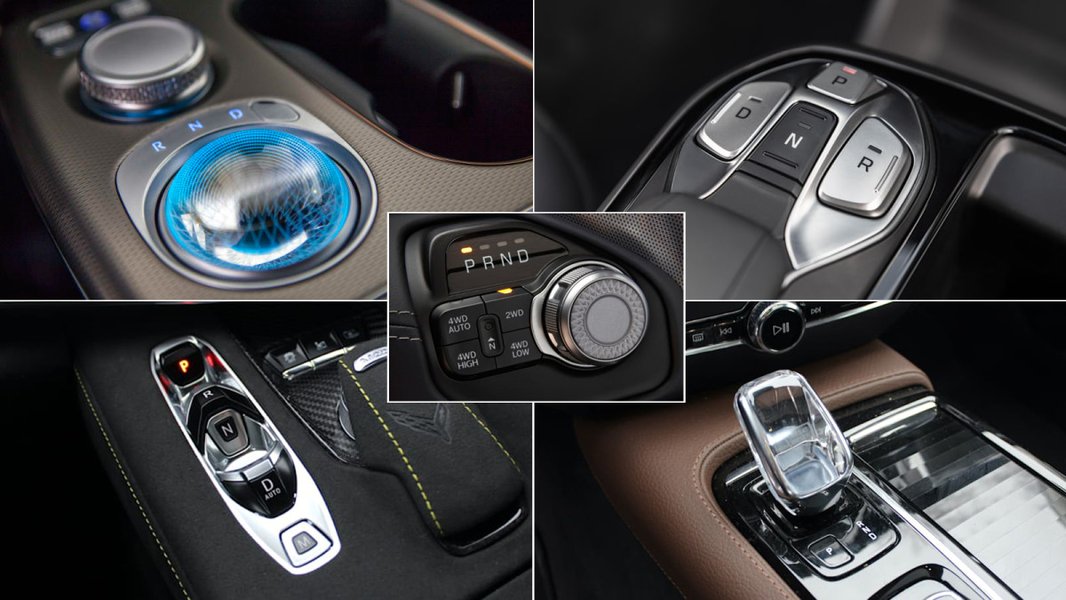
Various forms of modern electronic gear selectors.
The Search for the Numbered Button Shifter (1-6, R, N)
While systems using buttons for P, R, N, D are common (seen in vehicles from Honda, Lincoln, GMC, and some Chinese brands like BYD), a layout with buttons specifically labeled 1 through 6, plus R and N, is much rarer in mass-produced vehicles. This type of interface might be found in:
- Certain Automated Manual Transmissions (AMTs) where manual control is emphasized.
- Highly specialized or concept vehicles.
- Aftermarket modifications.
Based on the available information, pinpointing a widely available Chinese production car *currently* using this exact 1-6, R, N button configuration is challenging. However, one model frequently discussed in the context of advanced interfaces and potentially relevant systems is the IM L7.
Potential Candidate: The IM L7 Electric Sedan
A Look at SAIC Motor's Tech-Forward EV
The IM L7 is a battery-electric, full-size sedan produced by IM Motors (Zhiji Motor in Chinese), a joint venture between SAIC Motor, Zhangjiang Hi-Tech, and Alibaba Group. Launched in recent years, the L7 is positioned as a premium electric vehicle showcasing cutting-edge Chinese automotive technology, particularly in its interior design and user interface.
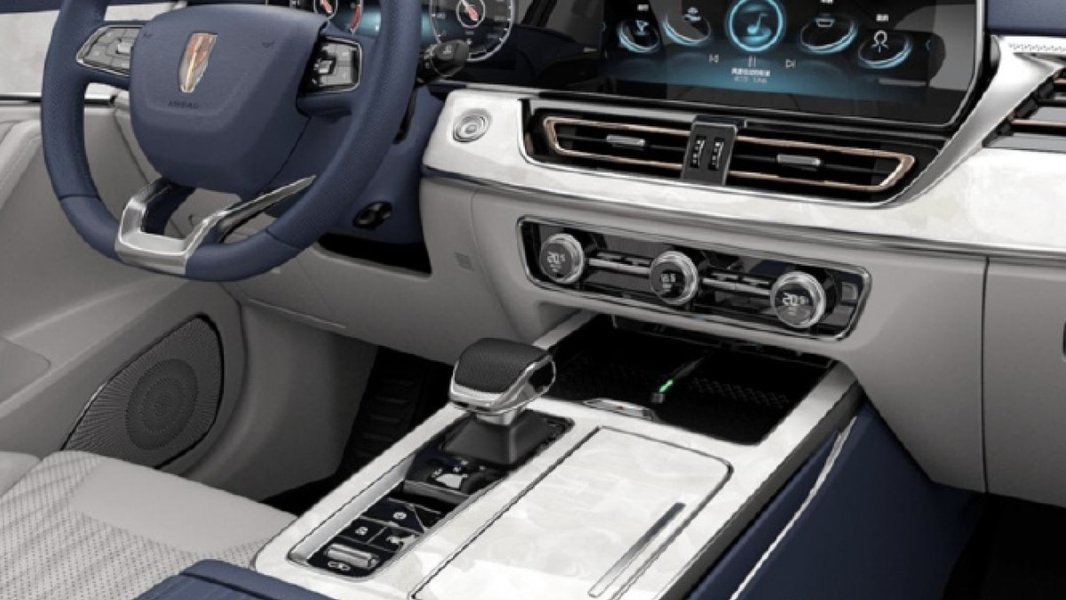
Modern Chinese car interiors often feature minimalist designs with advanced digital interfaces.
Why the IM L7 Might Fit the Description (with caveats):
Sources suggest the IM L7 utilizes touch-capacitive buttons and a highly digital interface for many controls. While specific confirmation of a 1-6, R, N button layout for gear selection isn't readily available in mainstream reviews or official specifications, its advanced "shift-by-wire" system and focus on touch controls make it a plausible candidate for implementing such an unconventional interface. It's possible this refers to a specific mode or interpretation of its control system rather than physical buttons labeled 1 through 6.
Therefore, we'll review the *concept* of a numbered button gear selector, using the IM L7 as an illustrative (though unconfirmed) example of the type of vehicle where such a system *might* appear.
Reviewing the Concept: Numbered Button Gear Selection
Design and Functionality
A system with buttons for 1-6, R, and N would likely involve a panel, perhaps on the center console or integrated into the dashboard, where the driver presses the desired button. LEDs or screen indicators would confirm the selection. As a shift-by-wire system, the transmission response would be electronically controlled.
- Pros: Could offer precise gear selection in manual modes (if applicable), potentially faster than using paddles or +/- toggles for some drivers. Maintains the space-saving and clean aesthetic benefits of button shifters.
- Cons: Requires the driver to look down or rely on muscle memory to locate the correct button, potentially increasing distraction. Lacks the intuitive feel of moving a lever through positions or using sequential +/- toggles. Could be confusing, especially when needing to shift rapidly between forward, neutral, and reverse.
User Experience and Ergonomics
The user experience of such a system would be a significant departure from traditional shifters.
- Learning Curve: Drivers accustomed to levers or even P/R/N/D buttons would need time to adapt. The cognitive load of selecting specific numbers via buttons while driving could be higher initially.
- Tactile Feedback: Like most button shifters, it would lack the physical, positional feedback of a lever. Some systems might incorporate haptic feedback (vibration) upon selection, but this doesn't fully replicate the feel of a mechanical shifter.
- Potential for Error: Mistakenly pressing the wrong number, especially during dynamic driving or quick maneuvers (like a three-point turn), could be a concern. Safety interlocks (like requiring the brake pedal to be pressed) would be crucial.
- Aesthetics vs. Practicality: While potentially looking sleek and modern, the day-to-day practicality compared to more established electronic shifter types (dials, P/R/N/D buttons, stalks) is debatable and largely subjective.
Reliability and Safety
As with any shift-by-wire system, reliability depends on the robustness of the electronic components (buttons, sensors, control units, wiring). Fail-safes and backup systems are essential in case of electronic malfunction. Shift lock mechanisms, preventing accidental shifts (e.g., from Drive to Reverse while moving forward), are standard safety features in modern automatic transmissions and would be expected here.
Visualizing Gear Selector Characteristics
Comparing Different Shifter Types
This chart compares various gear selector types based on subjective factors often considered by drivers and designers. The "Numbered Buttons (1-6, R, N)" category represents the hypothetical system discussed, evaluated based on its likely characteristics compared to more common types. Scores range from 1 (Low) to 5 (High).
Exploring the Shift-by-Wire Concept
A Mindmap of Modern Gear Selection
This mindmap illustrates the concept of shift-by-wire technology and how it enables various modern gear selector designs, including button-based systems, along with their associated characteristics.
Shift-by-Wire Explained
Understanding the Technology Behind Button Shifters
Many modern electronic gear shifters, regardless of their form (buttons, dials, stalks), operate using "Shift-by-Wire" (SBW) technology. This video explains the concept, using the Genesis G90 as an example, which helps illustrate how these systems function electronically without traditional mechanical connections.
Video explaining the use of an electronic shift-by-wire gear selector.
Comparing Shifter Philosophies
Traditional Lever vs. Electronic Buttons
The table below summarizes the key differences, advantages, and disadvantages between traditional mechanical gear levers and modern electronic button-based shifters (primarily focusing on the common P/R/N/D layout, but applicable to the numbered concept).
| Feature | Traditional Gear Lever | Electronic Button Shifter |
|---|---|---|
| Mechanism | Mechanical linkage to transmission | Electronic signals (Shift-by-Wire) |
| Space Usage | Requires significant console space | Minimal console space required |
| Interior Design | Traditional, familiar layout | Allows for minimalist, modern, flexible designs |
| Tactile Feedback | Strong physical feedback (position, detents) | Minimal to no physical feedback (maybe haptics) |
| Ease of Use | Highly intuitive for most drivers | May require adaptation/learning curve |
| Potential for Error | Lower risk of accidental selection due to physical movement | Higher potential for accidental press if not designed carefully; requires looking |
| Integration | Limited integration possibilities | Can integrate with drive modes, safety systems |
| Reliability | Proven mechanical reliability; susceptible to linkage issues | Dependent on electronic component reliability; potential software issues |
Frequently Asked Questions (FAQ)
How do push-button gear selectors actually work?
They use "shift-by-wire" technology. When you press a button (e.g., 'D' for Drive), it sends an electronic signal to the car's computer (Transmission Control Unit). The computer then tells electronic actuators within the transmission to engage the selected gear. There's no direct mechanical connection between the button you press and the transmission itself.
Are button shifters safe? What about accidental presses?
Manufacturers incorporate several safety features. These often include requiring the brake pedal to be pressed before shifting out of Park or between Drive and Reverse. Logic programming also prevents dangerous shifts, like engaging Reverse while driving forward at speed. The design and placement of buttons aim to minimize accidental presses, though user adaptation is still required.
Why are car makers switching to button or dial shifters?
The main drivers are interior design flexibility (freeing up console space for storage, cupholders, or other controls), achieving a more modern and minimalist aesthetic, and the simplification allowed by shift-by-wire technology, especially in electric vehicles which often have simpler transmission requirements.
What happens if the car battery dies with an electronic shifter? How do I get it into Neutral?
Most vehicles with electronic shifters have a manual override procedure to put the car into Neutral if the battery dies or the system malfunctions, allowing the car to be towed. This often involves accessing a specific lever or release mechanism, sometimes hidden under a small cover near the shifter or in the engine bay. Consult your vehicle's owner's manual for the exact procedure.
Recommended
- What are the pros and cons of shift-by-wire technology in cars?
- Can you provide a detailed review of the IM L7's interior and user interface?
- Which car brands use push-button gear shifters the most?
- How does an Automated Manual Transmission (AMT) work compared to a regular automatic?
References

Last updated May 5, 2025