
Chemotherapy-Induced Peripheral Neuropathy: Awareness and Physiotherapy Management
Insights on Understanding and Managing CIPN Through Physiotherapy
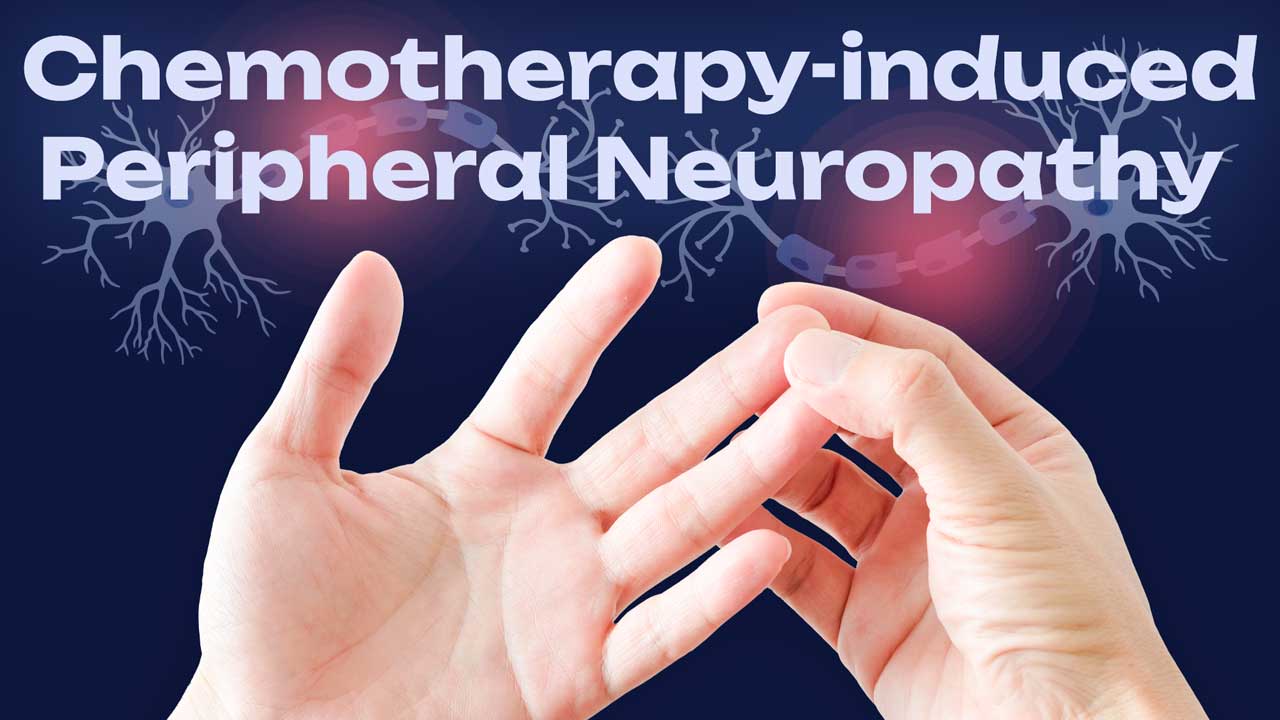
Highlights
- Early Recognition: Effective patient education and awareness can lead to early identification of symptoms.
- Individualized Physiotherapy: Tailored exercise and manual therapy programs are essential for reducing symptoms and improving quality of life.
- Multidisciplinary Approach: Integration of physiotherapy with other therapeutic interventions amplifies recovery and enhances daily function.
Understanding Chemotherapy-Induced Peripheral Neuropathy (CIPN)
Overview of CIPN
Chemotherapy-induced peripheral neuropathy (CIPN) is one of the most common adverse effects experienced by patients undergoing cancer treatment. This condition results from damage to the peripheral nerves, producing a range of sensory, motor, and autonomic symptoms that can persist even after chemotherapy has concluded. CIPN is primarily associated with drugs such as platinum compounds, taxanes, and vinca alkaloids, and its prevalence can vary widely, affecting from 19% to over 85% of treated patients depending on the specific chemotherapeutic regimen and dosage.
Symptoms and Risk Factors
The clinical manifestations of CIPN typically include:
- Numbness and Tingling: Patients often report a tingling or "pins and needles" sensation in their hands and feet.
- Pain: Sharp or burning pain affecting the extremities can be debilitating.
- Balance and Coordination Issues: Loss of proprioception and decreased motor control can lead to falls and insufficient balance.
- Functional Limitations: These symptoms can severely affect daily activities such as walking, handling objects, and even fine motor tasks.
Risk factors influencing the severity of CIPN include the cumulative dose of chemotherapy, duration of treatment, pre-existing conditions, and age. Notably, older patients are at a greater risk of experiencing severe symptoms, which can have lasting implications on their daily functioning and overall quality of life.
Raising Awareness about CIPN
Importance of Patient and Healthcare Provider Education
Awareness is the first step toward effective management of CIPN. Both patients and healthcare providers must be adequately informed about the potential onset, progression, and management strategies for CIPN. Early recognition and prompt reporting of symptoms enable healthcare professionals to adjust treatment plans accordingly, potentially preventing long-term damage.
Patient education programs should focus on:
- Informing patients about the side effects associated with chemotherapeutic drugs.
- Training patients to recognize early signs of neuropathy such as unusual sensations, numbness, or persistent pain.
- Encouraging open communication between the patient and the oncology team.
Healthcare providers play a critical role in this context. They should conduct routine assessments during chemotherapy cycles and counsel patients on strategies to manage symptoms. Educating patients about the importance of reporting symptoms early can lead to timely interventions that may optimize both treatment outcomes and quality of life.
Impact on Quality of Life
CIPN can have profound effects on a patient’s daily life. Persistent pain, numbness, and motor deficits may lead to reduced mobility, increased risk of falls, and difficulty performing everyday tasks. These limitations not only affect physical health but also contribute to psychological distress and a decline in overall well-being. Raising awareness and demystifying CIPN are therefore imperative aspects of comprehensive cancer care.
Physiotherapy Management Strategies for CIPN
Role of Physiotherapy in Managing CIPN
Physiotherapy is a cornerstone in the management of CIPN, offering various therapeutic interventions that help reduce symptom severity and improve physical function. By targeting both sensory and motor impairments, physiotherapy assists patients in regaining mobility, mitigating pain, and reducing the risk of falls.
Physiotherapeutic care for CIPN includes several key components, each of which is designed to address specific deficits caused by nerve damage.
Exercise Therapy
Exercise therapy is one of the most effective interventions for managing CIPN. It involves structured physical activities that improve muscle strength, balance, and coordination while reducing pain. Common exercise modalities include aerobic conditioning, resistance training, and sensorimotor exercises. Such exercises help improve blood flow, promote nerve regeneration, and decrease symptom intensity.
Several studies highlight the benefits of regular physical activity in reducing the severity of CIPN symptoms. Home-based programs that incorporate low-to-moderate intensity walking and resistance exercises have demonstrated significant improvements in balance and strength, which are crucial in reducing the risk of falls.
Balance and Proprioception Training
Balance training is an essential element of physiotherapy for CIPN, given that neuropathic symptoms often impair proprioception and coordination. Specific exercises focus on enhancing proprioceptive feedback and improving posture control. Intervention techniques such as yoga, tai chi, and stability exercises not only enhance balance but also contribute to overall physical and mental well-being.
Manual Therapy and Soft Tissue Mobilization
Manual therapy, including techniques like soft tissue mobilization and massage, plays a significant role in alleviating discomfort and increasing circulation. These therapies help relax the muscles, reduce pain, and contribute to improved nerve function. Incorporating manual techniques into the physiotherapy program can provide immediate symptomatic relief and support longer-term functional improvements.
Neuro-Developmental Techniques
These techniques, such as sensorimotor retraining and proprioceptive neuromuscular facilitation, are designed to retrain the nervous system’s response to sensory stimuli. By reinforcing proper movement patterns and enhancing neural connectivity, these interventions help in restoring motor function and reducing sensory deficits associated with CIPN.
Electrotherapy Modalities
While less commonly used than exercise and manual therapies, electrotherapy modalities such as transcutaneous electrical nerve stimulation (TENS) have been explored for their potential benefits in managing neuropathic pain. These techniques stimulate nerve pathways to reduce the sensation of pain and, in some cases, improve overall function.
Developing a Personalized Physiotherapy Approach
Assessment and Planning
An individualized treatment plan is vital in the management of CIPN. Physiotherapists begin with a comprehensive assessment that includes a detailed medical history, evaluation of current symptoms, functional mobility tests, and balance assessments. These evaluations help identify the patient’s baseline function and highlight specific areas that need intervention.
Once the assessment is complete, a tailored physiotherapy program is developed. The program typically includes:
- Customized exercise routines targeting strength, balance, and aerobic conditioning.
- Specific manual therapy sessions to alleviate pain and improve circulation.
- Patient education sessions that focus on symptom recognition, fall prevention, and self-management techniques.
The personalized approach not only ensures efficient symptom relief but also promotes long-lasting functional improvements and enhances overall quality of life.
Integrating Complementary Therapies
The integration of complementary therapies with physiotherapy can further enhance outcomes for patients with CIPN. Techniques such as acupuncture, massage therapy, and thermal treatments are increasingly recognized for their potential to provide additional symptom relief. Although these therapies may require further research to conclusively determine their efficacy, many patients report noticeable improvements when such interventions are combined with conventional physiotherapy.
Furthermore, a multidisciplinary team approach that involves collaboration between physiotherapists, oncologists, nurses, and pain management specialists can lead to more holistic care. Such integrative methods ensure that every aspect of CIPN, including its physical, emotional, and psychological effects, is addressed in a comprehensive treatment plan.
Comparative Overview: CIPN Management Strategies
Physiotherapy Interventions and Their Benefits
The following table presents a comparative overview of physiotherapy interventions for CIPN, highlighting key components, benefits, and typical patient outcomes:
| Intervention | Key Components | Benefits | Expected Outcomes |
|---|---|---|---|
| Exercise Therapy | Aerobic, resistance, and sensorimotor exercises | Improved muscle strength, reduced pain, enhanced blood flow | Reduced symptom severity, increased mobility |
| Balance Training | Stability exercises, yoga, tai chi | Enhanced balance, improved proprioception | Reduced risk of falls, better coordination |
| Manual Therapy | Massage, soft tissue mobilization | Decreased muscle tension, improved circulation | Immediate pain relief, improved sensory function |
| Neuro-Developmental Techniques | Sensorimotor retraining, proprioceptive neuromuscular facilitation | Enhanced neural connectivity, restoration of movement patterns | Improved motor function, reduced sensory deficits |
| Electrotherapy | TENS and other nerve stimulation techniques | Reduction in neuropathic pain | Short-term pain relief, supportive for overall therapy |
Long-Term Management and Patient Self-Care
Self-Management Techniques
In addition to clinical physiotherapy interventions, patients are encouraged to engage in self-management techniques that contribute to long-term improvements. These techniques include:
- Engaging in regular, moderate-intensity exercise as part of a daily routine.
- Practicing balance training exercises at home, such as simple static and dynamic balance drills.
- Implementing gentle stretching and mobility routines to maintain flexibility and reduce stiffness.
- Regularly monitoring symptoms and communicating any changes to the healthcare team.
Such self-care practices empower patients to take ownership of their treatment journey and can significantly mitigate the chronic aspects of CIPN. Consistency in these activities not only aides physical recovery but also bolsters mental health by providing patients with a sense of control over their condition.
Follow-Up and Ongoing Evaluation
Regular follow-up with the physiotherapy and oncology teams is crucial for effective CIPN management. Through ongoing evaluation and adjustments to the treatment plan, healthcare providers can ensure interventions remain aligned with the patient’s evolving needs. This may include periodic assessments to gauge improvements in:
- Muscle strength and balance
- Pain levels and sensory perceptions
- Overall functional mobility
By maintaining an open dialogue and consistently re-evaluating the effectiveness of the physiotherapy program, it is possible to fine-tune the approach and optimize recovery outcomes over the long term.
Summary of Key Strategies
Tailoring CIPN Management Through Physiotherapy and Awareness
The management of chemotherapy-induced peripheral neuropathy requires a comprehensive and coordinated approach. Awareness initiatives must focus on early symptom recognition and education, which in turn empowers both patients and healthcare providers to act promptly. Physiotherapy, with its wide range of interventions from exercise therapy to manual techniques, stands at the forefront of effective management strategies.
Each patient's treatment pathway should be individualized, ensuring that interventions are specifically tailored to their unique needs and progression of symptoms. By combining these specialized physiotherapy interventions with complementary techniques and regular follow-ups, patients can experience notable improvements in their mobility, reduce the burden of symptoms, and ultimately lead a better quality of life despite the challenges of CIPN.
References
- Peripheral Neuropathy - American Cancer Society
- CIPN Overview - Physiopedia
-
Physiotherapy in CIPN - NCBI
- MD Anderson: Peripheral Neuropathy
- FAQ on CIPN - MSKCC
Recommended Further Queries
Last updated March 10, 2025