
Comprehensive Overview of Agranulocytosis: Drug Reactions, Cancer Etiologies, and Differential Diagnosis
Understanding the Multifaceted Causes and Diagnostic Challenges of Agranulocytosis
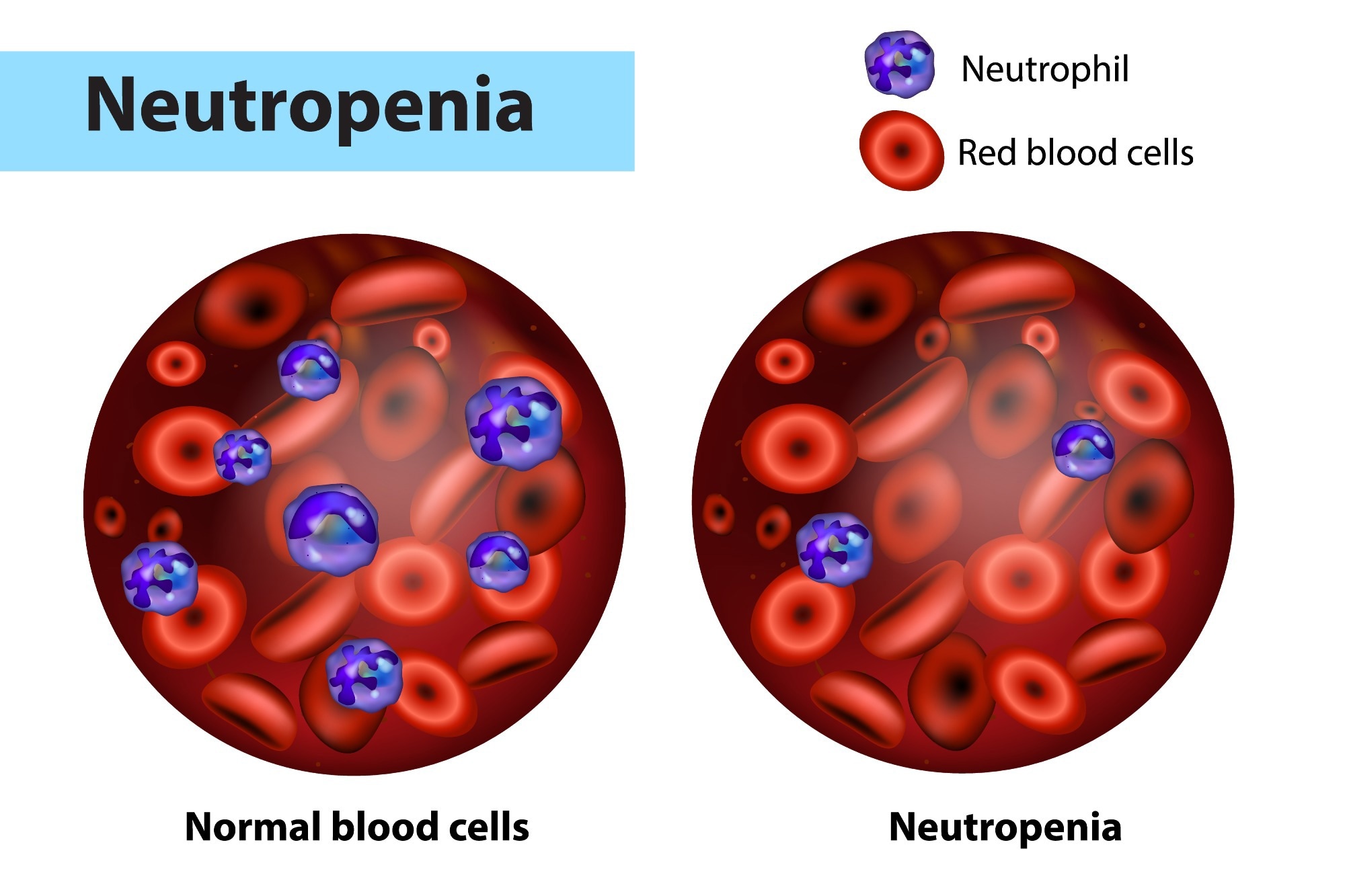
Key Takeaways
- Drug-Induced Agranulocytosis: A variety of medications, including antithyroid agents, antibiotics, and antipsychotics, can trigger severe neutropenia.
- Cancer-Associated Agranulocytosis: Hematologic malignancies and metastatic cancers can disrupt bone marrow function, leading to reduced neutrophil counts.
- Diagnostic Complexity: Sudden onset of agranulocytosis and pancytopenia requires a comprehensive differential diagnosis to identify the underlying cause.
Agranulocytosis as a Drug Reaction
Common Culprit Medications
Agranulocytosis, a severe reduction in neutrophils, can be induced by various medications through mechanisms such as direct bone marrow suppression or immune-mediated destruction of neutrophils. Understanding the drugs associated with agranulocytosis is crucial for healthcare providers to prevent and promptly address this condition.
Antithyroid Medications: Drugs like carbimazole and methimazole are frequently implicated in agranulocytosis. These medications, used to manage hyperthyroidism, can unpredictably reduce neutrophil counts, necessitating regular monitoring during therapy.
Antibiotics: Certain antibiotics, particularly beta-lactams (e.g., penicillin) and sulfonamides (e.g., sulfamethoxazole), have been associated with drug-induced agranulocytosis. These antibiotics can trigger hypersensitivity reactions leading to neutrophil destruction.
Antipsychotics: Clozapine, an antipsychotic medication used in treatment-resistant schizophrenia, is a well-known cause of agranulocytosis. Due to its high risk, patients on clozapine require regular blood monitoring to detect neutropenia early.
Anti-Inflammatory Drugs: Nonsteroidal anti-inflammatory drugs (NSAIDs) and antirheumatic agents can also lead to agranulocytosis. These medications may cause bone marrow suppression or immune-mediated neutrophil destruction.
Antiplatelet Agents: Ticlopidine, an antiplatelet agent, has been associated with significant risks of agranulocytosis, necessitating careful consideration before use.
Mechanisms of Drug-Induced Agranulocytosis
The pathophysiology of drug-induced agranulocytosis involves either direct toxic effects on bone marrow precursors or immune-mediated mechanisms where the immune system targets neutrophils or their precursors for destruction. These reactions are often idiosyncratic, meaning they occur unpredictably and are not dose-dependent, making them challenging to anticipate and prevent.
Clinical Implications and Management
Early recognition and discontinuation of the offending drug are imperative to prevent complications associated with agranulocytosis, such as severe infections and sepsis. Management strategies include supportive care with broad-spectrum antibiotics, granulocyte colony-stimulating factors (G-CSF) to stimulate neutrophil production, and, in some cases, bone marrow transplant in severe or refractory cases.
Cancers That Can Cause Agranulocytosis
Hematologic Malignancies
Hematologic cancers directly impact bone marrow function, leading to impaired hematopoiesis and resulting in agranulocytosis and pancytopenia. Key hematologic malignancies include:
-
Acute Leukemias: Both acute lymphoblastic leukemia (ALL) and acute myeloid leukemia (AML) disrupt normal blood cell production by replacing healthy marrow with malignant cells.
-
Myelodysplastic Syndromes (MDS): MDS are characterized by ineffective hematopoiesis and increased apoptosis of bone marrow cells, often progressing to acute leukemia.
-
Lymphomas: Certain lymphomas, particularly those with bone marrow involvement, can suppress normal blood cell production and lead to agranulocytosis.
Solid Tumors and Metastatic Cancers
Solid tumors that metastasize to the bone marrow can also cause agranulocytosis by replacing healthy marrow tissue with cancerous cells. Cancers such as breast, prostate, and lung cancer are known to metastasize to the bone marrow, disrupting normal hematopoietic processes and leading to pancytopenia.
Impact of Cancer Treatments
Cancer treatments, particularly chemotherapy and radiation therapy, are potent agents that can cause bone marrow suppression. While these therapies are essential for targeting malignant cells, their myelosuppressive effects often result in neutropenia and agranulocytosis. The degree of suppression depends on the specific agents used, dosing, and individual patient factors.
Diagnostic Challenges
Distinguishing between agranulocytosis caused by the underlying malignancy and that induced by cancer treatments is critical for appropriate management. Comprehensive diagnostic approaches, including bone marrow biopsies and detailed patient histories, are necessary to identify the precise etiology and guide therapeutic interventions.
Differential Diagnosis of Sudden-Onset Agranulocytosis and Pancytopenia
The abrupt development of agranulocytosis and pancytopenia mandates a thorough and systematic diagnostic evaluation to ascertain the underlying cause. The differential diagnosis encompasses a range of potential etiologies, each requiring specific investigative and management strategies.
Key Considerations in Differential Diagnosis
1. Drug-Induced Causes
A detailed review of the patient’s medication history is essential to identify any drugs that may be contributing to agranulocytosis. This includes prescription medications, over-the-counter drugs, and herbal supplements known to affect neutrophil counts.
2. Infections
Severe infections, particularly viral infections such as HIV, hepatitis, and Epstein-Barr virus, can transiently suppress bone marrow function. In bacterial infections, the body’s immune response can also lead to neutropenia.
3. Autoimmune Disorders
Conditions like systemic lupus erythematosus (SLE) and rheumatoid arthritis can cause immune-mediated destruction of neutrophils. These autoimmune processes can lead to chronic or acute neutropenia, depending on disease activity.
4. Nutritional Deficiencies
Deficiencies in essential nutrients such as vitamin B12 and folate can impair hematopoiesis, leading to reduced production of blood cells, including neutrophils. Addressing these deficiencies is crucial for restoring normal blood cell counts.
5. Bone Marrow Disorders
Bone marrow failure syndromes, including aplastic anemia and myelofibrosis, result in the inadequate production of blood cells. These conditions require specific diagnostic tests, such as bone marrow biopsy, to confirm the diagnosis and guide treatment.
6. Hematologic Malignancies
As previously discussed, hematologic cancers can directly impair bone marrow function, leading to agranulocytosis and pancytopenia. Differentiating between malignancy-induced and other causes is essential for effective management.
Diagnostic Workup
| Diagnostic Test | Purpose |
|---|---|
| Complete Blood Count (CBC) | To assess the levels of different blood cells, confirming neutropenia and pancytopenia. |
| Bone Marrow Biopsy | To evaluate bone marrow cellularity and identify any malignant infiltration or marrow failure. |
| Medication Review | To identify any potential drugs that could be causing agranulocytosis. |
| Infection Screening | To detect underlying infections that might be contributing to neutropenia. |
| Nutritional Assessment | To identify any deficiencies in vitamins or minerals essential for hematopoiesis. |
Management Strategies
Management of sudden-onset agranulocytosis and pancytopenia hinges on addressing the underlying cause:
- Discontinuation of Offending Drugs: Immediate cessation of any suspected medications is critical to halt the progression of agranulocytosis.
- Infection Control: Prompt initiation of broad-spectrum antibiotics and antifungals to manage and prevent infections.
- Supportive Care: Including transfusions, hydration, and nutritional support to stabilize the patient.
- Immunomodulation: In cases of autoimmune-mediated neutropenia, immunosuppressive therapies may be necessary.
- Bone Marrow Stimulation: Use of growth factors like G-CSF to promote neutrophil production.
Conclusion
Agranulocytosis is a severe hematological condition with multifactorial etiologies, including drug reactions and malignancies. Recognizing the drugs associated with agranulocytosis, understanding the cancers that can disrupt bone marrow function, and employing a systematic approach to differential diagnosis are essential for effective management and improved patient outcomes. Early identification and intervention are paramount in mitigating the risks of life-threatening infections and other complications associated with this condition.
References
- Agranulocytosis - StatPearls - NCBI Bookshelf
- Agranulocytosis: Symptoms, Causes & Treatment - Cleveland Clinic
- Drug-Induced Idiosyncratic Agranulocytosis - Frontiers
- Agranulocytosis - ScienceDirect Topics
- Drug-induced neutropenia and agranulocytosis - UpToDate
- Population-Based Drug-Induced Agranulocytosis - JAMA Network
- Acquired Agranulocytosis: Symptoms, Causes & Treatment - NORD
- What to Know About Agranulocytosis - WebMD
- Drug-Induced Idiosyncratic Agranulocytosis - PMC
- Clinical Pathologic Conference Case 5: Agranulocytosis - PMC
- Drug-induced agranulocytosis - Drug and Therapeutics Bulletin
Last updated January 22, 2025