
Latest Advances in Genomic Research for Head and Neck Cancer
Exploring Innovations in Genomic Profiling, Targeted Therapies, and Personalized Medicine
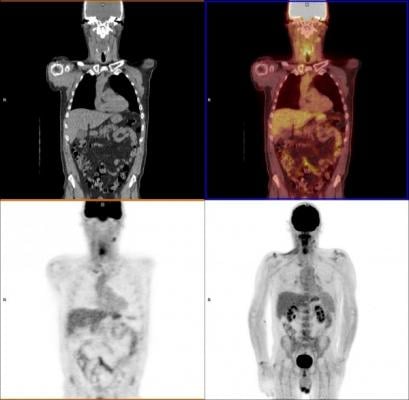
Recent advances in genomic research for head and neck cancer (HNC) have ushered in transformative approaches to diagnosis, treatment, and personalized care. These innovations, ranging from detailed genomic sequencing to novel clinical trials combining targeted agents with immunotherapies, offer promise for improved outcomes and survival rates. This comprehensive exploration covers the breakthroughs in biomarker discovery, advanced sequencing techniques, gene therapy, and the integration of emerging imaging technologies.
Key Highlights
- Enhanced Genomic Sequencing: Understanding mutations and heterogeneity in tumors for precise treatment strategies.
- Personalized Medicine and Targeted Therapeutics: Tailoring treatments based on genetic signatures and the tumor microenvironment.
- Integrated Clinical Approaches: Novel clinical trials, advanced imaging technologies, and gene therapy advancing treatment efficacy.
Understanding the Genomic Landscape
Comprehensive genomic profiling has emerged as a cornerstone in the fight against head and neck cancer. Advancements in sequencing technologies have allowed researchers to map out the genomic alterations that underlie these cancers. Through high-throughput sequencing, scientists have identified key mutations in tumor suppressor genes such as p53 and other drivers that contribute to oncogenesis. Such detailed molecular characterizations help clinicians identify specific genomic biomarkers that not only predict patient outcomes but also offer new targets for therapeutic intervention.
Genomic Biomarkers and Their Clinical Impact
The identification of genomic biomarkers has created opportunities for better stratification of patients. For example, key genetic alterations inform clinicians about the aggressiveness of the disease and potential resistance to standard treatments such as radiation therapy. Detailed profiling of tumor DNA has unearthed circulating tumor DNA (ctDNA) as a viable liquid biopsy tool, enabling the detection of genomic alterations without needing invasive tissue biopsies. This approach is particularly beneficial in tracking tumor evolution, detecting minimal residual disease, and adjusting therapies in near real-time.
Mutation Profiling and its Role in Personalized Care
Detailed genomic sequencing has revealed high inter- and intra-tumor heterogeneity, identifying specific genetic drivers for individual patients. This has led to the development of targeted therapies that address these mutations directly. For instance, alterations in genes like p53 have been associated with more aggressive cancers, prompting researchers to explore treatments that specifically target these mutations. The use of these biomarkers in clinical decision-making heralds a new era in precision oncology, where treatment plans are informed by the distinct genetic makeup of each tumor.
Emerging Therapies: Personalized Medicine and Gene Therapy
The shift towards personalized medicine is perhaps one of the most exciting areas of progress in head and neck cancer research. Genomic data is now being used to tailor treatment plans that target the unique genetic landscape of an individual’s tumor. This personalized approach not only increases the likelihood of therapeutic success but also reduces the adverse effects associated with more generalized treatments.
Targeted Therapeutics and Clinical Trials
One of the hallmarks of recent advancements is the advent of targeted therapeutics. These treatments are designed to block the signaling pathways that are activated as a result of genetic mutations within the tumor. For instance, agents such as NT219 are being evaluated in clinical trials, sometimes in combination with established treatments like the immune checkpoint inhibitor pembrolizumab (Keytruda) or cetuximab (Erbitux). NT219 is specifically designed to overcome the resistance mechanisms that tumors develop against drug therapies. Its integration into Phase 2 clinical trials highlights the significant potential of combining novel agents with traditional therapies to enhance treatment responsiveness.
Gene Therapy and Adaptive Immune Responses
Gene therapy represents another frontier in the battle against head and neck cancer. By directly altering the genetic makeup of cancer cells, researchers can induce responses that lead to apoptosis (cell death) or make the tumor more susceptible to conventional treatments. One notable example includes the promising use of viral vectors to deliver therapeutic genes into target cells, offering hope especially for patients with tumors that are resistant to standard therapeutics. This approach is poised to complement traditional treatment modalities, leading to integrated regimens that harness the patient’s immune system along with gene corrective mechanisms.
In addition, emerging technologies such as single-cell RNA sequencing (scRNA-seq) have the potential to revolutionize our understanding of tumor heterogeneity. This approach allows researchers to deconstruct the tumor into its individual cell types, creating a detailed map of the tumor microenvironment. This granular understanding facilitates the identification of cell-specific biomarkers that may be critical for determining personalized treatment plans.
Innovative Approaches in Molecular Imaging and Integrated Diagnostics
Alongside genomic studies, the integration of molecular imaging techniques is redefining how head and neck cancers are diagnosed and monitored. Advances in imaging modalities such as PET/CT and SPECT/CT provide high-resolution insights into tumor metabolism and receptor status. These imaging technologies are being harnessed to complement genomic data, thereby creating a more comprehensive diagnostic picture.
Molecular Imaging: Linking Genetics to Physiology
Molecular imaging is now used to guide and validate targeted therapies by measuring metabolic responses and receptor expressions. This integration has been particularly beneficial in identifying hypoxic regions within tumors, which often correlate with resistance to therapy. New radiotracers are being developed that can mark these hypoxic zones, thereby facilitating adaptive radiation therapies designed to improve patient outcomes.
Assessment of Treatment Response through Imaging
By combining genomic biomarkers with functional imaging, clinicians can gain insights into the effectiveness of a given treatment regimen in real time. For example, a patient showing a favorable genetic profile for a specific targeted therapy may also exhibit reduced tumor metabolism on PET imaging, reinforcing the treatment’s efficacy. This multi-modal approach ensures that therapies are dynamic and can be adjusted to meet the evolving clinical needs of the patient.
Disparities and Future Research Directions
Despite significant advancements, disparities in genomic research and clinical application remain a challenge. There is a concerted effort within the research community to address these gaps, especially concerning racial and ethnic minorities who have historically been underrepresented in clinical trials. Addressing these disparities is crucial for ensuring that the benefits of genomic medicine are equitably distributed across all patient populations.
Bridging the Gap in Genetic Testing
Genetic testing disparities in head and neck cancer can lead to unequal access to personalized treatment options. Efforts are underway to develop more inclusive clinical trials that consider diverse genetic backgrounds. This will not only improve the generalizability of genomic findings but also ensure that innovative treatments are effective across different patient demographics.
Future Research and Ongoing Clinical Trials
Future research is focused on deeply understanding the tumor microenvironment by integrating genomic, proteomic, and imaging data. This holistic approach holds the promise of unveiling novel therapeutic targets and refining current treatment modalities. Several ongoing clinical trials are testing the efficacy of targeted gene therapies in combination with immunotherapy and radiation, highlighting the momentum in research for head and neck cancer.
Moreover, advancing technologies such as single-cell sequencing and ctDNA analysis are expected to offer even more precise data, enabling the development of truly personalized treatment protocols that are dynamically tailored to the molecular profile of each patient’s tumor.
Comparative Overview of Recent Developments
Below is a table summarizing the significant advances in genomic research for head and neck cancer, highlighting the key aspects of each development:
| Research Focus | Key Developments | Clinical Implications |
|---|---|---|
| Genomic Sequencing | Identification of frequent mutations in tumor suppressor genes, an in-depth mapping of genetic heterogeneity, and discovery of circulating tumor DNA (ctDNA). | Enables the design of targeted therapies, provides options for non-invasive monitoring, and supports personalized treatment plans. |
| Personalized Medicine | Development of therapies such as NT219, gene therapy modalities, and inclusion of immune checkpoint inhibitors like pembrolizumab. | Optimizes treatment based on individual genetic profiles, improves therapeutic response, and reduces adverse effects. |
| Advanced Imaging | Integration of PET/CT, SPECT/CT, and novel radiotracers for hypoxia detection; complementing genomic data. | Enhances real-time assessment of treatment responses and refines therapy adjustment. |
| Single-Cell Technologies | Utilization of scRNA-seq to discern cellular heterogeneity and identify cell-specific biomarkers. | Allows for the development of tailored therapies targeting distinct tumor cell populations. |
Innovations in Clinical Trials and Future Directions
Clinical trials represent a critical avenue through which genomic research is translated into tangible treatments. The use of novel agents designed to target specific genomic alterations is on the rise. Several promising trials are now combining these agents with existing standard-of-care treatments. Such trials are not only testing the efficacy of new drugs, such as NT219, but are also determining optimal combination regimens that include immunotherapy.
NT219 and Beyond
One of the leading examples of this innovative work is NT219. In a Phase 2 trial setting, NT219 is being evaluated in conjunction with drugs such as Keytruda and Erbitux. This targeted approach aims to overcome inherent drug resistance by leveraging genomic insights and personalized therapy strategies. The success of such trials could pave the way for a broader range of targeted therapeutics designed specifically for head and neck cancer patients.
Advancing the Role of Gene Therapy
Parallel to these trials, gene therapy continues to evolve with promising preclinical studies and early-stage clinical trials. Therapies that aim to modify the genetic architecture of tumor cells are progressing steadily. By addressing the root causes of tumor resistance and heterogeneity through gene editing, these therapeutic strategies aim to not only treat the primary tumor but also improve the overall survival outcome for patients.
The integration of genomic data with advanced imaging and single-cell sequencing continues to provide a roadmap for future innovations. These combined efforts signal a new era in cancer treatment where tailored treatment protocols become the norm, eventually improving prognosis and quality of life for patients suffering from head and neck cancer.
References
- Nature - Head and Neck Cancer Research
- PubMed - Genomic Studies in HNC
- Targeted Oncology - Clinical Trials Update
- UCL Hospitals - Research Updates
- Cancer.gov - FDA Approvals and Trials
Recommended Related Queries
Last updated March 5, 2025