
Circumcision: A Medical Overview
Understanding the Procedure, Benefits, and Considerations in Modern Medicine
Key Highlights
- Procedure Specifics: Circumcision involves the surgical removal of the foreskin from the penis, primarily performed under local anesthesia.
- Medical Rationale: It is undertaken for a variety of reasons including medical, religious, cultural, and personal preferences, with potential health benefits.
- Considerations: The process is safe when conducted under proper clinical conditions with attention to possible complications and careful aftercare.
Introduction
Circumcision is a surgical procedure that involves the removal of the foreskin, which is the retractable fold of skin covering the glans or tip of the penis. Although this procedure is commonly performed on newborns, it may also be undertaken in older children or adults based on medical, cultural, religious, or personal reasons. In the clinical setting, ensuring patient comfort through proper pain management and adhering to sterile techniques are of paramount importance. This comprehensive medical overview explains the key aspects of circumcision as a procedure, elaborates on its benefits and potential risks, and provides context regarding its practice in modern medicine.
Medical Technique and Procedure
Procedure Overview
In a typical circumcision procedure, the healthcare provider begins by cleansing the operative field to maintain sterility. A local anesthetic, often lidocaine, is employed to numb the area and reduce discomfort during the process. The technique involves making a circumferential incision around the foreskin at a level that allows sufficient exposure of the glans, wherein the excess tissue is appropriately excised. Depending on the patient's age and the indication for the procedure, different surgical instruments and techniques may be utilized to optimize outcomes and ensure rapid healing.
Surgical Steps and Considerations
The circumcision procedure can be broadly divided into several key steps:
Preparation and Anesthesia
Prior to the incision, the area is sterilized and the penis is prepared to minimize the risk of infection. The use of a local anesthetic not only ensures patient comfort but also enables the procedure to be performed efficiently. In neonates, methods such as the dorsal penile nerve block or a ring block are common, while older patients may receive local injections or even alternative anesthesia approaches tailored to their clinical condition.
Performing the Incision
After achieving sufficient anesthesia, the surgeon carefully marks the incision line around the foreskin. This demarcation is crucial as it determines the extent of tissue removal and the eventual cosmetic outcome. Once marked, a controlled incision is made using a scalpel or a surgical scissors, and the foreskin is gently separated from the penile shaft. The excised tissue is then removed, and the wound edges may be sutured or treated to reduce bleeding.
Postoperative Care
Post-procedure care is essential for preventing complications and ensuring proper healing. The wound is usually dressed, and the patient or caregiver is provided with detailed instructions regarding hygiene, pain management, and activity restrictions. Follow-up appointments help monitor the healing process and address any concerns such as signs of infection or unexpected bleeding.
Rationales Behind Circumcision
Medical Indications and Benefits
Medical literature suggests several potential benefits of circumcision, particularly when performed in early life. These benefits include a reduced risk of urinary tract infections in infants, lower incidence rates of certain sexually transmitted infections (STIs), and a slight reduction in the risk of developing penile cancer. The removal of the foreskin has also been associated with a decreased likelihood of phimosis—a condition where the foreskin cannot be retracted—which in some cases can lead to painful inflammation or other complications. It is important to note, however, that while the benefits exist, the extent of these benefits is often subject to ongoing research and debate within the medical community.
Cultural and Religious Considerations
Beyond its medical implications, circumcision holds significant cultural and religious value in many communities. Various religious traditions mandate circumcision as a rite of passage or as an important ritual symbolizing religious identity and commitment. From a medical perspective, the understanding and respect for these practices are essential when advising patients from diverse backgrounds. The decision-making process incorporates both clinical evidence and personal, cultural, or religious beliefs, emphasizing the need for individualized patient counseling.
Preventive Health and Cost-Effectiveness
Circumcision is often viewed through the lens of preventive health. By reducing the incidence of infections and other penile conditions, the procedure can potentially lower long-term healthcare costs associated with renal and penile diseases. Several population-based studies have noted that circumcision, when performed in early infancy, may contribute to reducing the public health burden in communities with high rates of certain infections.
Detailed Examination of the Procedure
Techniques and Instrumentation
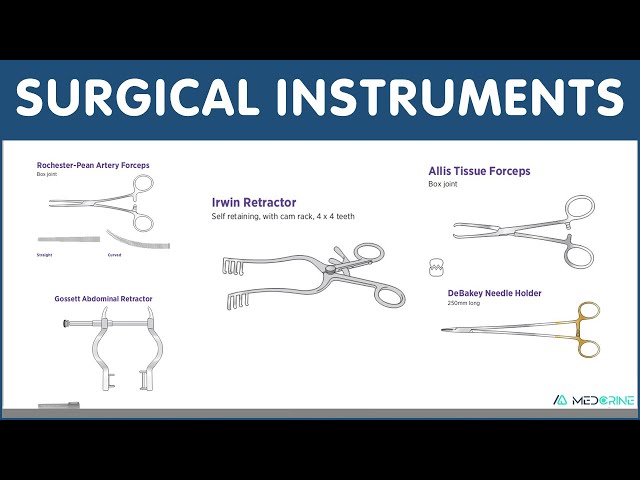
The instrumentation in a circumcision procedure is selected based on the age of the patient and the specific clinical setting. Neonatal circumcisions often use specialized devices designed to minimize trauma, while adult procedures require more nuanced techniques, especially if performed under regional or general anesthesia. Commonly used instruments include:
| Instrument | Purpose | Typical Use |
|---|---|---|
| Scalpel | Precise incisions | Neonatal and adult procedures |
| Surgical scissors | Removing excess tissue | Both for delicate and robust tissue removal |
| Electrocautery device | Control bleeding during incision | Often used in adult circumcisions |
| Frenulum clamp | Stabilize area and reduce bleeding | Particularly in newborn circumcisions |
Use of Anesthesia
Appropriate anesthesia is a critical component of a successful circumcision procedure. In neonates and infants, a carefully administered local anesthetic is sufficient to achieve effective pain management. For older children and adults, additional options may be considered to address both anxiety and pain. The use of modern anesthetic techniques minimizes discomfort and helps ensure that the procedure can be completed quickly and safely. It is also important to consider the patient's medical history when planning anesthesia, as this can influence both the type and dosage of the medication used.
Risks and Complications
Potential Risks in Circumcision
As with any surgical procedure, circumcision carries some risks and possible complications. Despite being generally safe when performed in a sterile environment by experienced professionals, potential complications include:
Hemorrhage and Bleeding
Excessive bleeding during or after the procedure is one of the most common complications. When proper hemostatic techniques are applied and appropriate post-operative care is provided, bleeding can usually be controlled with minimal intervention.
Infection
Infection is a risk inherent to any surgical intervention. A sterile operating environment combined with antiseptic application both during and after the procedure helps mitigate this risk. In most cases, infections are minor and respond well to appropriate antibiotic treatment.
Injury to the Penis
Although rare, there is a possibility of accidental injury to the penile tissue during the procedure. Such injuries may occur if the foreskin is inadvertently damaged during the incision process or if the surgical technique is not appropriately adapted to the patient’s anatomy.
Management of Complications
The management of any complications arising from circumcision is straightforward in most cases. Minor complications such as slight bleeding or inflammation are often managed conservatively with local care and medications. More severe complications may require additional interventions, although these occurrences remain uncommon. Overall, a thorough preoperative assessment and strict adherence to surgical protocols help minimize the risk of adverse events.
Comparative Analysis of Circumcision Practices
Age Considerations and Timing
The timing of circumcision is frequently a subject of discussion among healthcare providers and families. Statistical data and clinical experience emphasize that neonatal circumcision offers several distinct advantages, including rapid healing and simpler postoperative care. Neonates tend to experience fewer complications than older age groups, which is one of the reasons for the common practice of performing circumcisions within the first few days of life. However, cultural and familial preferences, as well as the clinical condition of the patient, can lead to a decision for circumcision later in childhood or even during adulthood.
Cultural Influence and Geographic Variations
Beyond the strictly medical perspective, geographical and cultural influences have a notable impact on circumcision rates and practices. In some regions, circumcision is virtually universal and deeply integrated into community and religious practices. In contrast, certain areas may advocate for limited or no circumcision, often due to differing medical opinions, cultural norms, or ethical debates. Physicians must balance these considerations with clinical benefits when advising families or individuals. Personalized care that respects cultural values while providing up-to-date medical evidence is essential in clinical practice.
Future Directions in Circumcision Research and Practice
Ongoing Research on Long-Term Benefits
Ongoing research in the field of circumcision continues to explore both its long-term benefits and potential risks. Clinical studies are frequently conducted to assess correlations between circumcision and reduced rates of urinary tract infections, certain STIs, and penile cancer. Furthermore, research is being carried out to evaluate the psychosocial implications of circumcision, including body image and self-perception in later years. As medical technology advances, less invasive techniques and enhanced pain management strategies promise to further improve the safety and acceptability of the procedure.
Innovations in Surgical Techniques
With the advent of new surgical methods and instruments, the landscape of circumcision is gradually evolving. Innovations such as device-assisted circumcision techniques have been developed to streamline the process while potentially reducing the duration of the procedure. These advancements not only aim to enhance safety but also seek to provide improved cosmetic outcomes. In clinical settings where resources allow, such innovations can significantly reduce patient discomfort and enhance postoperative recovery.
Ethical and Societal Considerations
Ethical debates surrounding circumcision are an ongoing conversation in both the medical community and society at large. These debates focus on issues of informed consent, particularly when it comes to performing the procedure on neonates or individuals unable to express their preferences. Healthcare providers are tasked with balancing respect for cultural traditions with ensuring that every procedure aligns with ethical principles that prioritize patient autonomy and well-being. This aspect of care often requires transparent discussions between physicians and families, ensuring that everyone involved comprehensively understands the potential benefits and risks.
Patient Counseling and Shared Decision-Making
Discussing the Procedure with Patients and Families
When approaching the topic of circumcision, healthcare providers are advised to emphasize a shared decision-making process. This involves a candid discussion of the medical indications, associated benefits, potential complications, and cultural or ethical considerations surrounding the procedure. It is crucial for families and, when applicable, older patients to feel supported in making informed decisions. During these consultations, physicians should address any questions or concerns in detail, provide comprehensive written materials, and offer assurances regarding postoperative care and follow-up.
Informed Consent and Legal Aspects
Gaining informed consent is a vital component prior to performing circumcision. Detailed documentation that outlines the procedure, its associated risks, and the potential benefits is necessary to ensure that patients or their guardians understand what the procedure entails. This process serves not only to safeguard the patient but also to protect the healthcare provider by clearly delineating the responsibilities and expectations associated with the surgical intervention. Adequate time spent addressing all concerns prior to surgery tends to lead to increased patient satisfaction and better overall outcomes.
Circumcision in Clinical Practice: Case Studies and Outcomes
Case Study Examples
In clinical practice, numerous case studies have highlighted the procedural success and minimal complication rates associated with circumcision when performed by experienced practitioners. For instance, outcomes in neonatal circumcision consistently demonstrate rapid healing without significant long-term complications. Studies evaluating adult circumcision also suggest that with proper anesthesia and postoperative care, the recovery process is straightforward and complications remain infrequent.
Outcome Metrics and Patient Satisfaction
Patient satisfaction following circumcision is generally high when robust preoperative counseling, appropriate surgical techniques, and diligent postoperative care are employed. Outcome metrics in surgical practice often include measures such as healing time, incidence of complications, pain levels during recovery, and cosmetic appearance of the surgical site. These factors serve as a yardstick for evaluating not only the surgical procedure itself but also the overall patient experience. In well-controlled clinical environments, circumcision is recognized as a procedure with a favorable risk-benefit profile.
Integrating Evidence-Based Medicine in Circumcision
Review of Current Guidelines
Modern medical practice underscores the importance of evidence-based recommendations. Clinical guidelines on circumcision are continuously updated to reflect the latest research in areas such as infection prevention, pain management, and long-term outcomes. These guidelines help practitioners determine the appropriateness of circumcision in various clinical scenarios, ensuring that individual patient care aligns with nationally and internationally recognized standards.
Impact on Public Health
At a population level, circumcision has been associated with several public health benefits. In communities where circumcision rates are high, there are observed reductions in the prevalence of certain infections and penile disorders. The wider adoption of circumcision, particularly in regions with high rates of urinary tract infections or specific STIs, demonstrates its potential impact as a preventive strategy. Public health policies in various countries reflect a balance between respecting individual choice and promoting community health benefits derived from circumcision.
Understanding the Broader Context
Cultural Sensitivity and Global Practices
Circumcision practices vary widely across different cultures and regions of the world. In some societies, it is a universally accepted practice that marks a significant rite of passage, while in others, it remains a subject of ethical debate and cultural variability. A comprehensive understanding of these cultural factors is essential for physicians, especially when treating patients from diverse backgrounds. Effective patient counseling must merge sound clinical judgment with cultural sensitivity, ensuring that medical recommendations are provided in a manner that respects the patient’s values and beliefs.
Technological Advances in Surgical Practice
With advancements in technology and refinements in surgical techniques, the circumcision procedure continues to evolve. Innovations such as laser-assisted circumcision or specialized devices not only improve precision but also further enhance patient comfort and reduce recovery time. Such technological improvements are being closely monitored through clinical trials and continue to influence best practices in surgical interventions.
Conclusion and Final Thoughts
In summary, circumcision is a well-established surgical procedure that involves the removal of the foreskin from the penis for a range of medical, cultural, and religious reasons. Clinically, it is performed using precise surgical techniques under appropriate anesthesia to minimize pain and optimize outcomes. The benefits associated with the procedure include reduced risks of certain infections and penile conditions, coupled with potential public health advantages. Despite being generally safe when performed in controlled environments, careful patient counseling and informed consent are critical to address the ethical and personal aspects of the procedure.
As a doctor, it is essential to provide a balanced perspective on circumcision, acknowledging both its advantages and the inherent risks. With robust evidence-based guidelines and a deep understanding of patient needs, healthcare professionals can ensure that the decision to undergo circumcision is made with full awareness of its implications. Whether approached for medical indications or cultural reasons, circumcision remains an important procedure that continues to evolve alongside advancements in surgical methodology and patient care. In the ever-changing landscape of medical practice, continued research and dialogue will further enhance our understanding of this timeless procedure.
References
- Mayo Clinic - Mayo Clinic
- Merriam-Webster - Merriam-Webster Dictionary
- Wikipedia - Wikipedia
- MedlinePlus - MedlinePlus
- KidsHealth - KidsHealth
- NCBI - National Center for Biotechnology Information
- Johns Hopkins Medicine - Johns Hopkins Medicine
- Cambridge Dictionary - Cambridge Dictionary
Recommended Queries for Deeper Insights
Last updated February 21, 2025